




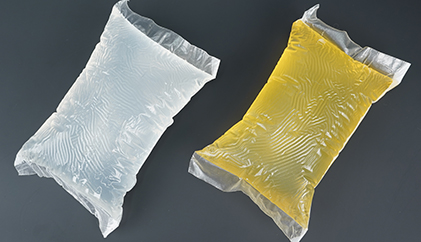
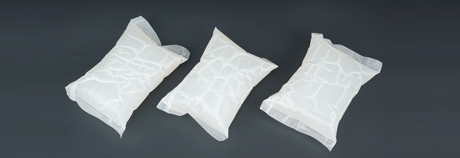
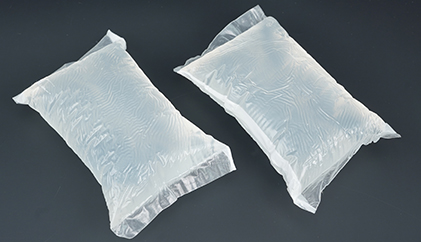

Evaluating Polyolefin Hot Melt Adhesive for Enhanced Aluminum-Plastic Cap Bond Strength
Aluminum-plastic bottle caps are used in the beverage and pharmaceutical industries because of the good sealing, light weight and esthetic appearance. However, delamination of the aluminum layer with the plastic layer is a recurring problem. This problem is not necessarily caused by the design of the bottle cap, but often by the incorrect choice or application of bottle caps glue, especially the hot melt adhesive, used during the assembly of the bottle caps. Selecting the correct polyolefin hot melt adhesive is critical to achieve long term bonding and to avoid failures.
What Is the Composition and Function of Aluminum-Plastic Bottle Caps?
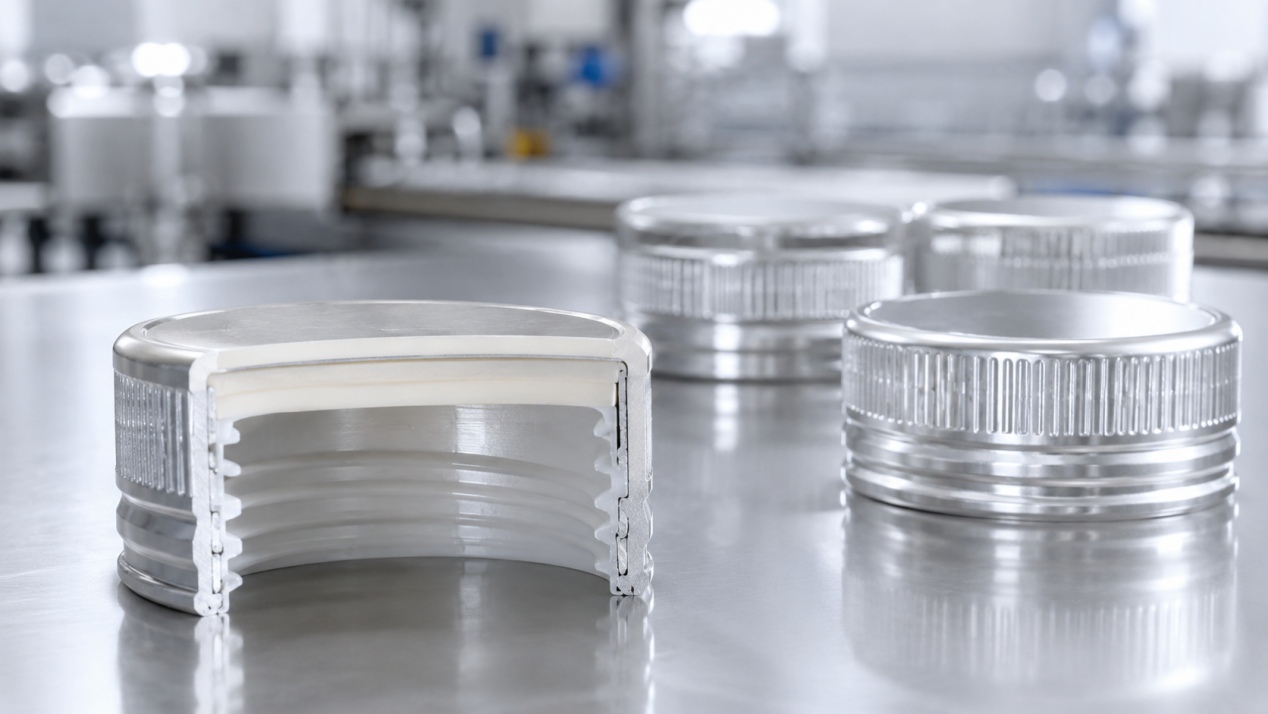
Typical aluminum-plastic bottle caps consist of three layers: an outer aluminum layer, a plastic core, mostly polypropylene or polyethylene, and an inner liner which seals against the neck of the bottle. The adhesive layer is a film, mostly a hot melt adhesive, which is stuck between the dissimilar materials to bind them together.
The caps have to fulfill several structural requirements. They have to resist mechanical torque when the cap is opened, they have to be airtight at higher pressure and have to withstand temperature fluctuations during storage and transport. The adhesive has a functional as well as a protective task. It has to guarantee sufficient interfacial adhesion between the different materials, especially between metal and plastic. This requires a large adhesion to substrates with different surface energies.
How Does Delamination Manifest and What Are Its Consequences?
Delamination can occur during production or storage and can cause visible bubbles, wrinkling and separation lines between the layers. After thermal treatment or humidity storage, these defects can even get worse. Once the layers have separated, the sealability will degenerate rapidly, allowing leakage of carbonated beverages or contamination by airborne particles in pharmaceutical packaging. The resultant failure can severely affect brand image and cause significant losses through production waste as defective products are rejected.
In addition to poor product quality, delamination of seals in automated capping lines can also decrease efficiency by causing caps to be misfed or deformed during the crimping operation. Therefore, seal adhesion must be robust in order to preserve efficiency as well as product quality.
How Do Hot Melt Adhesives Work in Cap Assembly?
Hot melt adhesives are a type of thermoplastic adhesive that sets by cooling. In the bottle cap assembly process hot melt is applied between the aluminum foil and the plastic. The adhesive is in a molten state when it is applied and as it cools it sets to form a strong, coherent film that holds the two surfaces together.
Adhesion strength depends on several factors—surface energy compatibility, wetting behavior during application, and cooling rate after bonding. Among available systems, EVA-based adhesives are cost-effective but less resistant to heat and moisture; polyamide types offer higher strength but may exhibit odor or color instability; polyolefin hot melt adhesives balance thermal stability with excellent adhesion to low-energy plastics like PP or PE.
What Parameters Most Affect Bonding Performance?
Successful, which must wet sufficiently in order to guarantee good adhesion. Contamination of either surface or low lamination requires control of several parameters during processing. In the first place the compatibility of the substrates surface energy can prevent good adhesion. In addition the temperature of the process has to be kept within a narrow margin. At too low temperatures the material does not flow sufficiently, while too high temperatures can trigger premature degradation.
Another parameter that is taken into consideration is the adhesive viscosity. A too thick coating can be brought into the contact area with such big forces that it can create air bubbles. A coating that is too thin is not able to fill micro-voids. In order to avoid those two negative effects the coating must have a uniform thickness to assure a uniform stress distribution within the bond area. The open time of the adhesive has to be controlled by the operator in order to synchronize the line speed with the viscosity of the adhesive.
What Makes Polyolefin Hot Melt Adhesives Superior?
Modified polyolefin-based systems are based on polyethylene (PE) and polypropylene (PP) copolymers that have been modified with functional groups to increase their polarity. At the same time, they must still be flexible. A nonpolar main chain is compatible with low-energy surfaces such as bottles capped with plastic. The modified functional groups ensure a good bond with metal foils, such as aluminum.
For package sterilization by Pasteurization or autoclaving etc. use of adhesives with highVA based conventional products lose their elastic property by repeated thermal application. But polyolefin type adhesives have superior barrier to moisture. These adhesives also have very low odor level and are approved of oxidation resistance and high thermal stability are preferred. Within the polyolefin type adhesives E for use as assembly adhesives for food contact such as beverage caps etc.
Why Does Incorrect Adhesive Selection Cause Delamination?
olarity of an adhesive not matching the surface energy of a substrate leads to poor wetting. In factP, even perfect initial adhesion can fail due to so called micro-separation, which occurs during cooling as a result of different thermal contraction of the layers.
As temperature is varied, additional stresses are induced by the thermal expansion mismatch between the aluminum and the plastic. As long as the chosen adhesive has sufficient cohesive strength and flexibility, peeling will initiate at the typical sites of high stress concentration and propagate in the form of blisters or full thickness delamination.
-term delamination can be further exacerbated by a number of environmental factors including effects of temperature on adhesive glassLong transition, moisture weakening of interfacial adhesions, and internal bottle carbonation pressure which can continue to act on the laminated construction over time.
How Should Polyolefin Hot Melt Adhesives Be Selected for Cap Assembly?
Selecting the right bottle caps glue depends on several factors linked to the material’s physical and chemical properties. Its melting point must be sufficient in relation to the line speed of the production line to allow sufficient time to the substrates before gluing, their surface energy can be raised in order to guarantee a good for the glue to flow before it hardens. By applying a corona discharge or a plasma treatment wetting of the glue.
Peel Strength Testing Procedures
quantitative peel test assesses the interlayer bond strength in a controlled manner, typically in terms of angleThe and speed of test. It then checks for consistency of adhesion on test samples.
Aging Resistance Evaluation
Accelerated aging mimics real life conditions for testing dental materials such as multiple heat cycles and the exposure to acidic drinks that patients may consume. Testing determines the long lasting durability of the bonded surfaces of various dental restorations.
Optimization Strategies During Manufacturing Implementation
Proper equipment calibration ensures nozzle temperatures remain stable; inconsistent flow leads to uneven coating thicknesses that trigger localized failure zones. Real-time quality monitoring using infrared imaging can detect incomplete bonding before defects propagate through production batches.
Hangzhou Boiling Adhesive Technology Co., Ltd.: A Trusted Partner in Bottle Cap Solutions
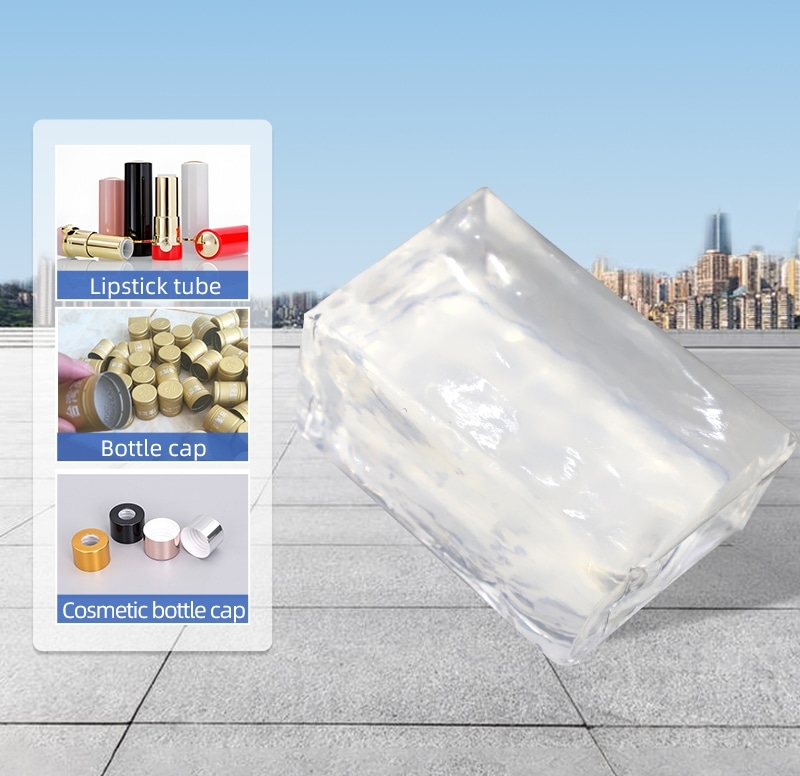
Hangzhou Boiling Adhesive Technology Co., Ltd. specializes in polyolefin hot melt adhesive for aluminum-plastic cap of bottle. With rich packaging material know-how and manufacturing know-how of related equipment, the company offers cap glue of bottle which will be just right for customer’s needs and has excellent adhesion releasability even after high temperature and high loading. The company’s hot melt adhesive for cap of bottle complies with food safety of the world and is very compatible with automated assembly line of recent years, and is a supplier of world-class and recommended by many big companies.
استنتاج
Delamination in aluminum-plastic bottle caps is primarily caused by the use of unsuitable adhesives rather than any fundamental bonding issues between the metal foil and plastic substrate. When the appropriate adhesive is selected and applied correctly, the bond is strong, durable, and highly reliable, making it well-suited for high-volume production. Proper adhesive choice not only ensures structural integrity but also improves resistance to environmental stresses such as temperature changes, humidity, and mechanical handling during packaging and transport. By focusing on adhesive compatibility and application processes, manufacturers can minimize delamination risks, reduce production waste, and maintain consistent product quality. This highlights the critical role of adhesive optimization in achieving efficient, large-scale manufacturing of aluminum-plastic bottle caps.
الأسئلة الشائعة
1. What causes most delamination problems in aluminum-plastic bottle caps?
Incompatible adhesives that have a polarity that does not match the surface energy of the substrates so that they do not wet properly and as the materials cool they break at the interface between the two and cause a delamination.
2. Prefer polyolefin hot melt adhesives to EVA type adhesives?
Polyolefin Why hot melt adhesives have more heat resistance, better for constant stress after application, less odor, and better adhesion to low surface energy materials, which are often used for cap liners.
3. How can delamination be prevented by manufacturers in mass production?
Delamination can be prevented by manufacturers by controlling processing temperature, coating thicknesses, carrying out regular peel tests, and by selecting appropriate adhesives for the substrates in question. In this way delamination can be prevented during mass production.
 استشارة
 واتساب
 اترك رسالة
 أعلى
أعلى