



Mattress Glue for Memory Foam and Latex Beds Without Hard Spots or Noise

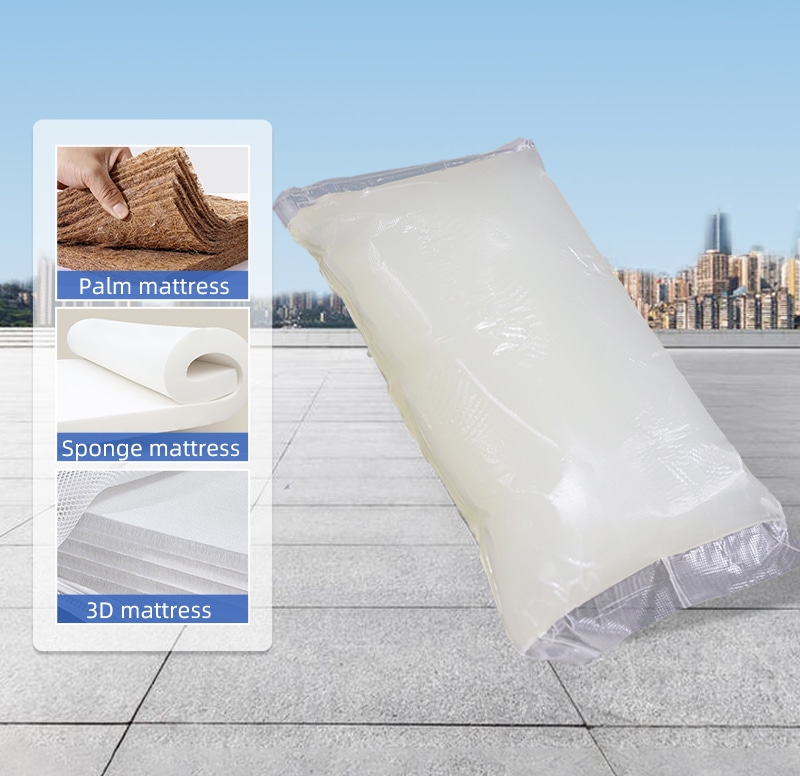
Adhesive technology is important in mattress production. It helps join layers in memory foam and latex beds. The bond must stay strong. It must not create hard areas. It must not cause noise when people use the bed. These problems can reduce comfort and shorten product life. Picking the right glue needs careful thought. Makers must look at the glue chemistry. They must check how well it works with foam. They must also study the way they apply the glue. All these steps help keep the mattress comfortable and long lasting.
What Are the Key Requirements for Mattress Glue Used in Memory Foam and Latex Beds?
Good bedding needs glue that meets clear technical needs. These needs help the product perform well and keep users happy.
Essential Characteristics of Mattress Adhesives
The glue must stay flexible. It must move with the foam when pressure changes. This stops the layers from peeling apart. It also stops cracks from forming. Low smell and safe materials matter too. Buyers now want low-VOC options for a clean sleep space. The bond must also be strong yet stretchy. This helps the glue hold the soft foam without losing its give.
Factors That Influence Adhesive Performance
Many things affect how the glue works. Viscosity decides how easy it is to spray or roll. Open time and cure speed decide how fast the line can run. Foam density and surface texture also matter. Glue that works on thick latex may act differently on open memory foam. Temperature and moisture resistance are key too. The glue must keep its strength through years of use in different rooms.
How Can Adhesive Formulations Prevent Hard Spots and Noise?
Stopping stiffness and sound comes from good glue design and careful application.
Techniques to Eliminate Hard Spots in Foam Bonding
Water-based and hot-melt glues help avoid hard zones. They spread in a controlled way. They do not soak deep into the foam. Spray or roller methods give even coverage on large sheets. Too much glue can still create stiff spots. So workers must watch the amount they apply.
Noise Reduction Mechanisms in Mattress Construction
Flexible glue can soak up small movements between layers. This cuts down on rubbing sounds when sleepers shift. Trapped air can also cause squeaks. Good lamination removes most air pockets. Proper curing keeps the glue stretchy for a long time. The layers stay bonded and quiet.
Why Are Different Adhesive Types Used for Memory Foam and Latex Beds?
Memory foam and latex differ in density and stretch. Each needs its own glue chemistry.
Common Adhesive Options for Memory Foam Applications
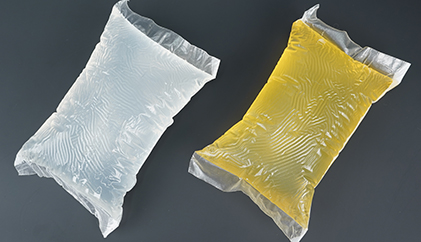
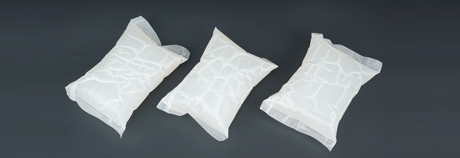
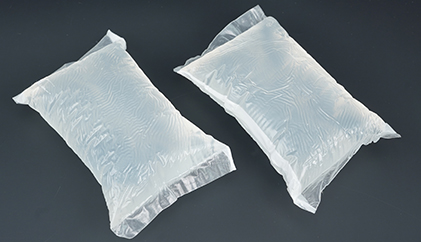
Hot-melt glue bonds fast. It does not overheat sensitive foam. Water-based latex glue keeps the feel soft and breathable. Solvent-free types cut emissions. They also improve safety on the factory floor. These choices support green production goals.
Specialized Glues for Latex Bed Construction
Latex needs glue that stretches as much as the rubber itself. Reactive polyurethane adhesives give a strong yet flexible bond. They handle repeated compression without failure. Pressure-sensitive adhesives let workers reposition layers before final cure. Hybrid systems mix polymer types. They balance strength, stretch, and heat resistance during shipping or storage.
How Do Production Methods Influence the Choice of Mattress Glue?
The way glue is put on affects which type works best.
Manual vs Automated Application Processes
Automated spray lines cover big surfaces evenly. They also reduce waste. Manual work still fits small runs or custom beds. Equipment settings must stay correct. Wrong settings can leave thin spots or uncured areas. Both problems weaken the final mattress.
Environmental Considerations During Manufacturing
Temperature control helps water-based glue cure evenly. Ventilation protects workers when reactive or solvent glues are used. Both steps help meet safety rules and keep emissions low.
What Quality Control Measures Ensure Reliable Mattress Bonding?
Quality checks keep every batch the same. They confirm both the glue and the application are correct.
Testing Procedures for Adhesive Performance
Teams run peel tests and shear tests. They also check flexibility under load. Aging tests use heat, moisture, and repeated compression. These tests show how the bond will hold after years of use.
Inspection Protocols During Production
Sensors watch coating thickness in real time. Visual checks catch contamination early. Together they keep every mattress uniform.
Who Is Hangzhou Boiling Adhesive Technology Co., Ltd.?
Hangzhou Boiling Adhesive Technology Co., Ltd. makes mattress glue for memory foam and latex beds. The company focuses on low-VOC and flexible formulas. These formulas give quiet performance without hurting comfort. The technical team helps clients match glue to automated lines. They also guide process settings that meet environmental rules. With experience in foam bonding applications, the company supports mattress manufacturers that need stable adhesion, soft hand feel, low odor, and consistent production results. Its adhesive solutions are suitable for bedding factories looking to reduce hard spots, improve layer stability, and maintain long-term mattress comfort.
استنتاج
Choosing the right mattress glue keeps comfort, flexibility, and quiet operation for years. Material match, careful application, and strong quality checks all play a part. Working with Hangzhou Boiling Adhesive Technology Co., Ltd. gives makers access to glue made for modern beds where softness and strength must work together. For memory foam and latex mattress production, the right adhesive can also help reduce delamination, production waste, odor complaints, and customer returns. A well-selected glue supports smoother manufacturing, better sleeping comfort, and more reliable product performance in competitive bedding markets.
الأسئلة الشائعة
What type of glue is most suitable for combining memory foam layers?
Water-based and hot-melt glues work well. They stay flexible. They have low odor. They keep the foam soft and avoid hard spots after cure.
How can manufacturers avoid noise issues caused by poor adhesive choices?
Pick elastic glue that absorbs motion. Apply it evenly to stop air pockets that cause squeaks.
Why choose Hangzhou Boiling Adhesive Technology Co., Ltd.?
The company supplies glue made for memory foam and latex. The bonds stay strong. Comfort stays high. Noise stays low.
 استشارة
 واتساب
 اترك رسالة
 أعلى
أعلى