





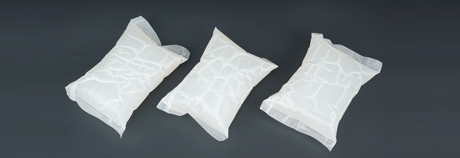
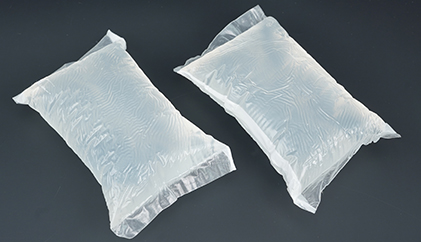

How to Select Pressure Sensitive Hot Melt Adhesive for Footwear: Bonding EVA, Rubber, TPU and Fabric Components
Pressure sensitive hot melt adhesive for footwear is selected for a particular bond line, not for “a shoe” in general. EVA foam, compounded rubber, TPU film, woven fabric, mesh, sponge, and coated textiles present different surfaces and move differently during production and wear. Pressure sensitive hot melt adhesive can provide fast tack and flexible assembly, but the correct grade and process window must be established with the actual material pair.
This guide helps footwear engineering, quality, and procurement teams define the bond, screen candidates, and move from coupons to finished-shoe validation. It concentrates on material compatibility and controlled trials rather than consumer shoe repair.
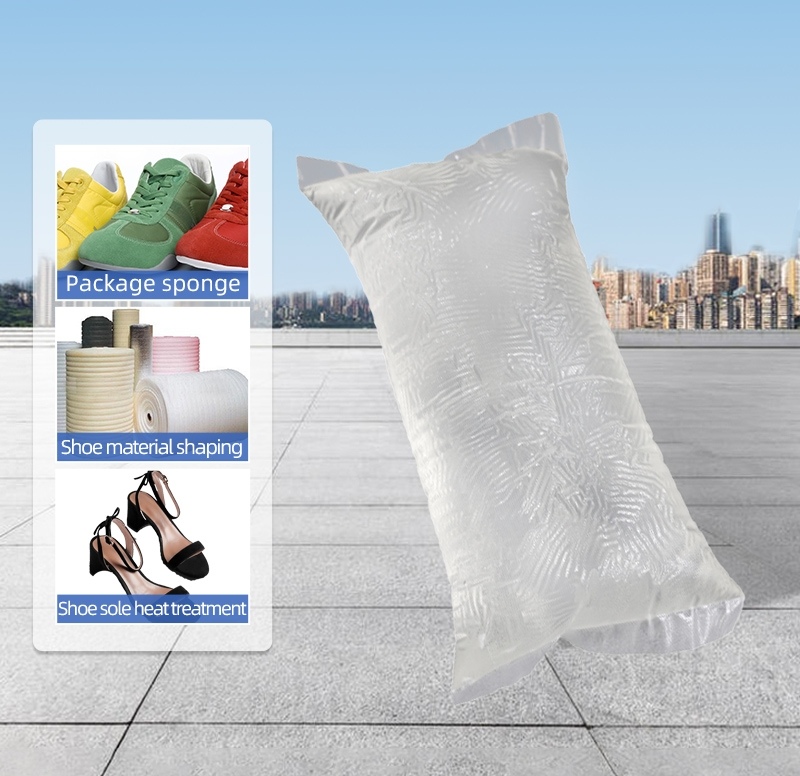
Where Does Pressure Sensitive Hot Melt Adhesive for Footwear Fit in a Shoe Construction?
First identify the component function and whether the bond carries temporary or lasting loads.
Lamination, Positioning, and Component Assembly
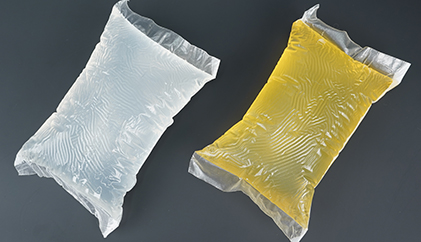
Pressure sensitive hot melt adhesives can support operations such as sponge-to-fabric lamination, lining assembly, tongue and collar components, insole layers, shaping fabrics, and selected positioning or tacking steps. It is applied hot during coating or conversion and remains pressure sensitive after cooling.
A lamination-oriented pressure-sensitive grade is generally not suitable for high-load structural sole-to-upper attachment.
Define the Bond Line Before Selecting a Grade
Name both sides of every joint. “EVA bonding” is incomplete unless the team states whether the other side is fabric, TPU, rubber, nonwoven, film, or another foam.
Define whether the operation is lamination, positioning, edge wrapping, or component stabilization, then state the required loads and exposures.
How Do EVA, Rubber, TPU, and Fabric Change the Bonding Requirement?
Each material changes wet-out, heat tolerance, flexibility, and the likely failure interface.
EVA Foam and Surface Condition
EVA varies in density, cell structure, hardness, additives, skin condition, and surface contamination. A cut foam face may wet differently from a molded skin. Heat can distort a light foam, while excessive adhesive penetration can add stiffness or reduce the intended cushioning feel.
Test the production surface unless cutting is part of the real process.
Rubber Compounds and Mold-Release Residue
Rubber outsoles and components are compounded materials. Polymer type, filler, oil, cure system, bloom, and mold-release residue can change the surface. A candidate that bonds one rubber formula may fail on another even when both parts share the same commercial description.
Confirm permitted cleaning, roughening, priming, or treatment with the material supplier. Track the time between preparation and bonding.
TPU, Fabrics, Mesh, and Composite Uppers
TPU may appear as a thin film, hot-melt film, coated textile, decorative overlay, or molded reinforcement. Hardness, surface finish, additives, thickness, and heat sensitivity affect wet-out and process tolerance. Thin TPU films tend to wrinkle under heat; molded TPU components require adequate pressure to conform to curved shoe uppers.
Textiles add porosity, stretch, finishes, dyes, and variable yarn structures. Insufficient wet-out leaves weak fiber contact; excessive penetration may cause strike-through, darkening, stiffness, or reduced breathability.
Use the full upper composite when practical. A strong coupon bond may still create visible read-through or a hard edge in the finished component.
Which Adhesive Properties Should a Footwear Team Compare?
Compare properties as a balanced process window rather than isolated maximum values.
Tack, Wet-Out, and Open Time
Initial tack must hold parts in position through the next operation. Wet-out must develop on the actual prepared surface under the available pressure. Open time must match the interval between coating, handling, alignment, and pressing. These properties work together; selecting only the highest tack can create poor repositioning, blocking, or difficult handling.
Peel, Shear, Flexibility, and Hand Feel
Peel tests help compare resistance to edge separation, while shear or creep checks show whether layers move under sustained load. SATRA TM411 describes peel-strength evaluation at multiple locations around completed footwear sole bonds, illustrating why bond location and construction matter. Use the buyer’s required method and limits for the actual product.
For flexible laminates, also assess bending, recovery, thickness, and hand feel. A high force value cannot compensate for a stiff or visible bond line.
Heat, Humidity, Water, and Aging Exposure
Map the expected journey from factory conditioning through storage, transport, retail, and use. Relevant exposures may include heat, humidity, wet-dry cycling, cold flexing, perspiration, hydrolysis, or aging. Avoid broad claims of universal water, heat, cold-flex, or hydrolysis resistance without well-defined test protocols and validated test data.
How Should the Application Process Be Matched to the Adhesive?
The coating route determines how temperature, viscosity, coverage, and timing interact.
Spray, Roll, Slot, and Transfer-Coating Routes
Spray can cover irregular or three-dimensional areas; roll coating can control coverage on flatter components; slot or transfer coating can prepare films, webs, or laminated constructions. Each route creates different demands for viscosity, temperature control, pattern, coat weight, and anchorage.
Confirm whether the plant applies hot melt directly or receives pre-coated material; the routes assign process controls differently.
Temperature, Coat Weight, Dwell, and Pressure
Use the current grade-specific technical data sheet to establish a starting temperature window. Record melter, hose, applicator, roller or substrate temperatures separately. A controller setting does not prove bond-line temperature.
Control coat weight, waiting time, assembly pressure, press duration, and cooling or conditioning time. Too much adhesive can affect feel and appearance; too little can leave discontinuous contact. Change one controlled input at a time during screening.
Stops, Restarts, and Material Changeovers
Evaluate start-up, steady running, short stops, longer interruptions, and restart. Watch for viscosity drift, char, gels, stringing, uneven spray, roller buildup, web distortion, and contamination. Repeat checks after material, color, or finish changes.
How Should a Footwear Factory Qualify a Candidate Adhesive?
Use staged evidence so only practical candidates reach the production line.
Create a Material-Pair Screening Matrix
List each exact substrate pair in rows and the candidate grade, preparation, coat weight, temperature, dwell, and pressure in columns. Include the current production adhesive as a control. Use multiple material lots when variation is a known risk.
Remove candidates that cannot wet the surfaces, damage appearance, stiffen the component, or require an impractical process window before allocating production-line time.
Examine Failure Mode, Not Only Peak Force
Record whether failure occurs at the EVA, rubber, TPU, fabric, primer, adhesive, or internal material layer. Cohesive foam tear may indicate a different limit from clean adhesive release. Photograph the failure and note its location, conditioning, and time after bonding.
Review spread, outliers, and repeatability against the buyer’s sampling plan.
Move from Coupons to Components and Finished Footwear
Coupons are useful. Next, test real laminated components with curves, seams, perforations, folds, and edge stresses. Finally, validate finished footwear using the brand’s required flex, peel, aging, environmental, and wear-related procedures.
Final approval should identify the adhesive, material grades, preparation, application settings, conditioning, test method, acceptance limit, and change-control requirements.
How Can BoiLing Support a Footwear Adhesive Trial?
BoiLing develops pressure-sensitive hot melt adhesive solutions for footwear applications. Its footwear materials describe sponge lamination, positioning or bottom-tacking applications, and shaping-fabric uses. The existing shoe production guide provides application context, while the final decision must remain tied to the buyer’s materials and controlled trials. Send paired EVA, rubber, TPU, fabric, sponge, or composite samples with supplier and grade information. Include preparation, equipment, process settings, expected exposures, current failure, and acceptance criteria. BoiLing can then discuss a relevant product data sheet and sample plan. Request customization when standard grades cannot meet the required material pair, flexibility, appearance, process, aging, or quality window.
استنتاج
Selecting pressure sensitive hot melt adhesive for footwear starts with exact material pairs, component geometry, and bond functions. Map EVA, rubber, TPU, and fabric surfaces; balance tack and wet-out with flexibility and durability; match the grade to the real application route; and qualify it from coupons through finished footwear. A traceable material and process window gives engineering, quality, procurement, and the adhesive supplier a shared, repeatable basis for final production approval.
 استشارة
 واتساب
 اترك رسالة
 أعلى
أعلى