







Reduce Material Waste & Rework: How Consistent Viscosity in Express Bag Hot Glue Improves Yield
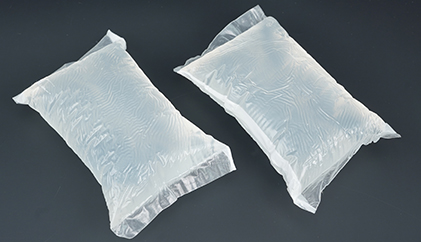
Walk through any busy express bag production floor and you will spot the same headaches. One shift the glue flows just right and bags seal clean. The next shift it runs thin or thick, nozzles clog, beads go uneven, and suddenly waste bins fill up with rejected bags. Those small swings in bolsa express cola fundida en caliente add up fast — extra adhesive used, more rework, and lower daily output.
Production managers chasing higher yield know viscosity stability sits at the heart of the problem. When the glue holds a steady thickness batch after batch, you cut down on fluctuations that waste material and slow the line. The right formulation keeps things predictable so operators spend less time adjusting equipment and more time hitting targets.
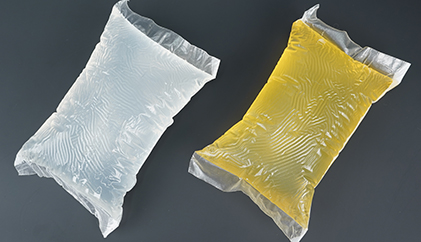
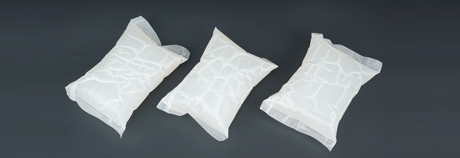
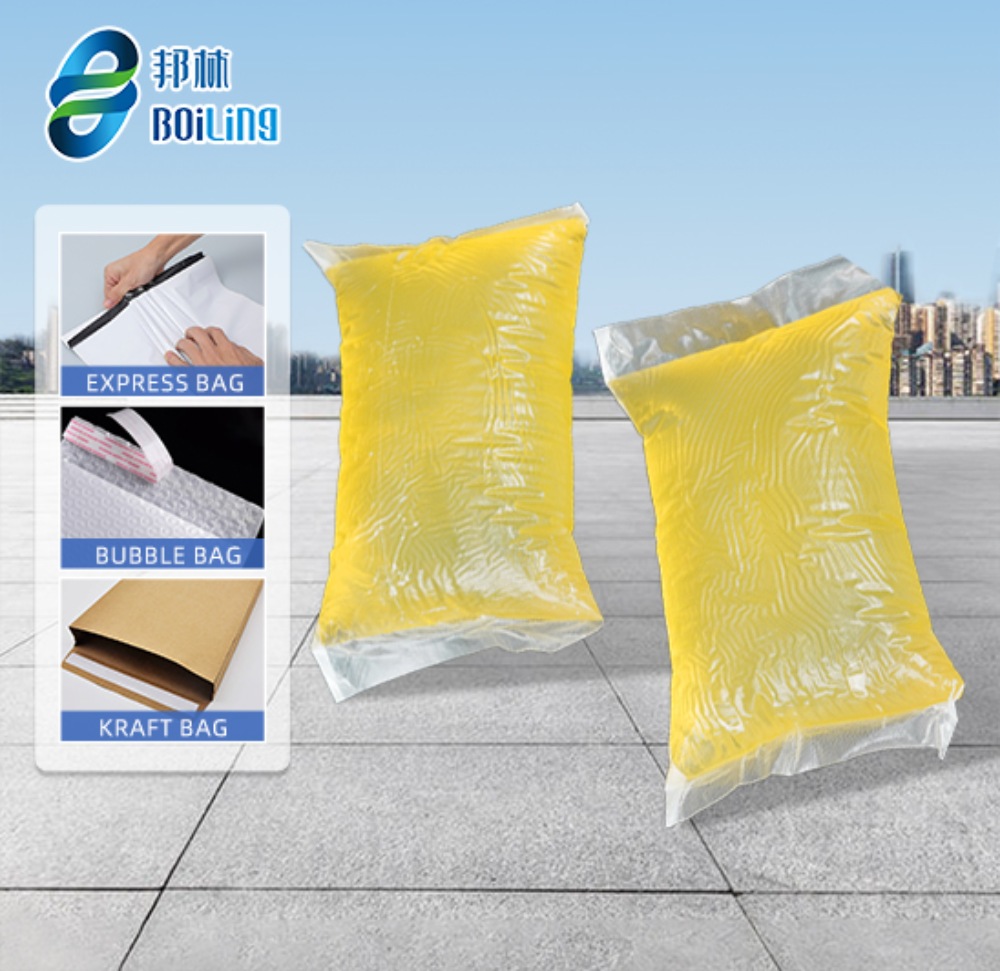
Pressure-sensitive hot melts made for express bags have improved a lot. They deliver strong initial tack plus lasting hold while staying consistent at application temperatures. That consistency directly trims material use and rework rates.
Why Viscosity Fluctuations Hurt Express Bag Production
Viscosity tells you how easily the molten glue flows through nozzles and spreads on PE or recycled materials. On high-speed lines running thousands of bags per hour, even small changes throw everything off. Too thin and the glue splatters or soaks through, creating weak spots or messy edges. Too thick and it strings, clogs, or leaves gaps that fail during shipping.
These swings often come from temperature drift, raw material variation, or inconsistent batches. One day the glue pot sits at 165°C and everything runs smooth. The next morning a slight shift or new drum causes the flow to change. Operators crank up pressure or temperature to compensate, but that usually burns more glue than needed.
Real scene from a typical plant: A line sealing bubble mailers hits 8% scrap rate one week because the adhesive varied by 500 cps across drums. Rejected bags piled up with poor seals or visible glue lines. After switching to a grade with tighter viscosity control, scrap dropped below 3% and daily output climbed.
Temperature resistance adds another layer. Express bags travel through hot trucks in summer or freezing warehouses in winter. Glue that stays stable in the pot also performs better once cooled, cutting failures that force rework.
How Consistent Viscosity Reduces Glue Consumption and Waste
Stable viscosity means the glue dispenses the same amount every time. No more over-application to make up for thin batches or fighting thick spots that refuse to spread evenly. Plants often see 10-15% lower adhesive usage just from tighter control.
Think about it on a slot nozzle or spray system. When viscosity holds steady between 1000-3000 cps at 180°C (depending on the PE type), the bead width stays uniform. You avoid the common habit of bumping up pressure, which can spike consumption by over 10% for every small adjustment.
Key benefits show up in daily numbers:
- Less over-extrusion on seams and flaps.
- Fewer clean-up stops from stringing or buildup.
- Better wetting on mixed new and recycled PE materials without excess glue.
- Reduced scrap from incomplete seals or visible defects.
One packaging line running takeaway insulated bags cut material costs noticeably after standardizing on a consistent grade. They no longer wasted glue trying to chase varying flow rates across shifts.
Impact on Rework Rates and Overall Yield
Rework eats time and money. Operators pull bags off the line, clean them, or scrap them entirely when seals fail quality checks. Inconsistent viscosity leads to weak initial tack or spots that pop open later.
Consistent bolsa express cola fundida en caliente builds reliable bonding strength right away. It wets recycled surfaces well and holds through rough handling. That means fewer bags returned from the field with ruptured seams.
Industry experience shows lines with stable viscosity often push first-pass yield from the low 90s up into the high 95s or better. The difference appears in reduced downtime for nozzle changes and less material lost to trial-and-error adjustments when starting new batches.
Bullet points on practical gains:
- Smoother startup after batch changes with minimal tweaking.
- Fewer defects from glue separation or oil seepage in warm conditions.
- Stronger performance on ink-printed or reclaimed materials.
- Easier training for new operators because the glue behaves predictably.
Matching Viscosity to Application Methods and Substrates
Express bag lines use different equipment — roller coaters, spray heads, or extrusion nozzles. Glue viscosity needs to suit the method while handling various substrates like LDPE, conventional PE, or ink-containing films.
Typical ranges run from 900-3000 cps at operating temperature. A well-controlled product stays within a tight band so the same drum works across slight material differences without major adjustments.
Here is a simple comparison of common scenarios:
|
Substrate Type |
Typical Viscosity Range (cps at 180°C) |
Common Issue with Variation |
Benefit of Consistency |
|
New PE materials |
1000-2000 |
Over-soaking or weak edges |
Uniform thin beads, less waste |
|
Recycled / Reclaimed PE |
1000-2500 |
Poor wetting, gaps in seals |
Better adhesion, fewer rejects |
|
LDPE films |
1500-3000 |
Stringing or clogging |
Clean application, steady flow |
|
Ink-containing or printed |
900-2000 |
Uneven spread, visible defects |
Reliable tack, cleaner appearance |
These numbers come from real production feedback. Actual settings depend on your melter temperature (usually 150-180°C) and line speed, but tighter control makes dialing in much simpler.
Operators preheat drums for at least 30 minutes and keep glue pots around 160-170°C with hoses and nozzles slightly hotter. Weekly cleaning still matters, but stable glue cuts how often issues pop up.
Eliminating Viscosity as a Production Variable
When viscosity stops being the variable that changes shift to shift, the whole process settles down. Line speeds hold steadier. Quality checks pass more bags the first time. Material planning becomes easier because consumption rates turn predictable.
Many plants report noticeable drops in total cost per thousand bags. Savings come from lower adhesive use, reduced scrap, and less labor spent on adjustments or rework. The glue itself might cost the same per pound, but the overall package drops when waste shrinks.
From years working with packaging lines, the biggest wins happen when one grade handles most of the common materials. You simplify inventory and cut the risk of grabbing the wrong drum during a busy run.
Introducing Banglin as Your Hot-Melt Adhesive Products Supplier
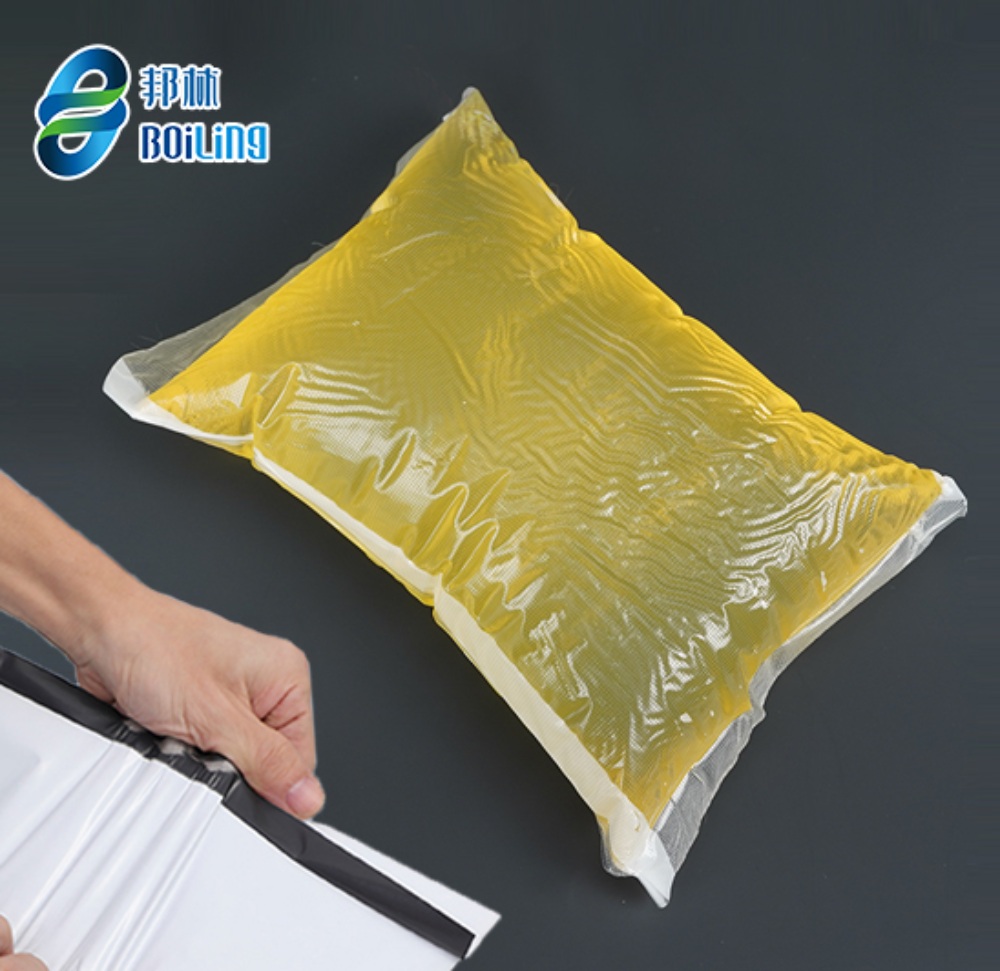
Banglín has grown into a reliable hot-melt adhesive manufacturer since 2005. Based in Hangzhou, the company runs a 15,000㎡ facility with up to 100 tons daily output. They focus on pressure-sensitive and other hot melt technologies for packaging, logistics, and express delivery applications.
Their bolsa express cola fundida en caliente line emphasizes stable viscosity, strong initial tack, and good temperature resistance. It works well on various PE materials, including recycled ones, and helps keep seals intact during shipping. Banglin supports custom formulations and offers ODM/OEM services backed by a solid R&D team and digital quality systems. For production teams looking to tighten yield and cut waste, they provide consistent products plus practical application support from the factory floor.
Conclusión
Consistent viscosity in bolsa express cola fundida en caliente delivers more than just smooth running on the line. It trims material waste, lowers rework, and lifts overall yield in ways that show up on the monthly cost sheet. When the glue behaves the same way batch after batch, operators gain confidence and the process runs with fewer surprises.
For express packaging makers facing tight margins and fast turnaround demands, dialing in viscosity stability removes one of the most common hidden drags on efficiency. The right choice pays back through higher good bags per shift and fewer headaches down the road.
Preguntas frecuentes
How does consistent viscosity in express bag hot melt glue reduce material waste?
When the glue flows at a steady rate, you apply only what the seam actually needs. No more over-compensating with extra pressure or temperature that wastes adhesive through splatter or soak-through. Many lines see noticeable drops in consumption per bag.
Why does viscosity stability help lower rework rates on express bag lines?
Stable flow creates uniform beads that wet surfaces evenly and build reliable tack. Fewer weak spots or gaps mean less bags fail seal checks or pop open later. Operators spend less time fixing or scrapping defective pieces.
Can the same express bag hot melt glue handle different PE materials without big adjustments?
Yes, grades with tight viscosity control work across new, recycled, and ink-containing films. The consistent thickness keeps application clean and bonding strong, so you avoid frequent equipment tweaks when material lots change.
What production benefits come from choosing express bag hot melt glue with stable viscosity?
You get smoother line speeds, higher first-pass yield, and more predictable daily output. Plus easier training and planning because glue behavior stays reliable shift after shift.
How should operators maintain consistent performance with express bag hot melt glue?
Preheat drums properly, keep recommended pot and nozzle temperatures, clean equipment regularly, and run short trials on new batches. A supplier like Banglin can share specific guidelines that match common high-speed setups.
 Consultar
 Aplicación Whatsapp
 Dejar mensaje
 arriba