




Tabla de Contenidos
Noticias relacionadas
-
How to Choose the Right Carton Sealing Hot Melt Adhesive for High-Speed Packaging Lines

-
Automotive Hot Melt Adhesive for High-Speed Lines: Open Time & Cycle Time Optimization

-
How Fast-Curing Hot Melt Adhesive Slashes Mattress Production Cycle Time and Lowers Labor Costs
-
Conquering Label Lifting on Curved Surfaces: High Initial Tack Hot Melt for PET Bottles
How to Reduce Hot Melt Adhesive Costs Without Sacrificing Bonding Quality in Sanitary Napkins
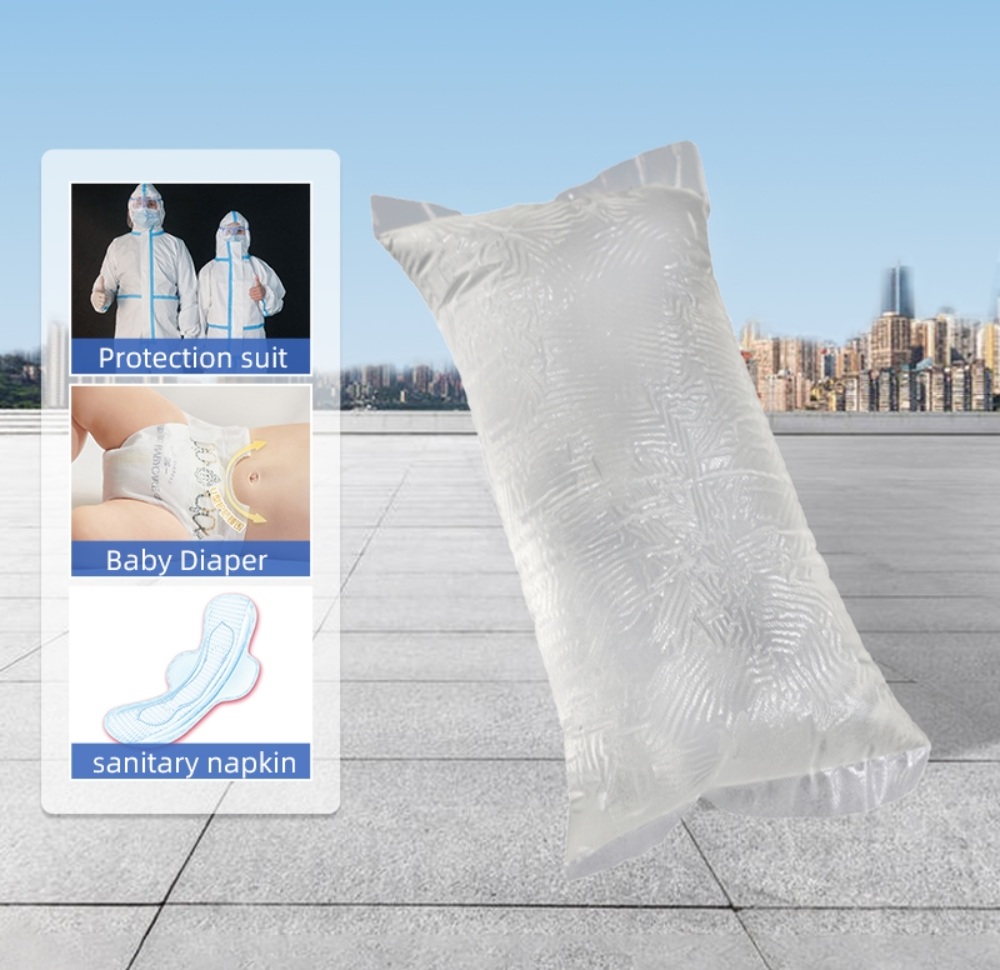
Margins are tight in the sanitary napkin game. Material prices keep jumping around. Competition pushes everyone to make thinner and softer pads. Customers still expect zero leaks and no shifting layers. So plant managers and purchasing folks ask the same question every quarter. How do you lower adhesive costs without ending up with pads that fall apart and come back as returns?
You don’t have to choose between saving money and keeping good bonds. A few smart tweaks in how you apply the glue, which grade you pick, and how you run the line can cut your total adhesive spend. At the same time, you can actually get more consistent performance. This article lays out practical steps that hygiene makers are using right now.
Why Adhesive Cost Matters So Much in Sanitary Napkin Production
Adhesive usually sits among the bigger variable costs on a hygiene line. Even a small drop per pad adds up fast when you run millions of pieces a month. But the risks are real. Weak bonds in the core or positioning adhesive let layers move around during use. Bad construction glue causes delamination or side leaks that show up later.
The real win comes from looking past the price per kilo of sanitary napkins hot melt adhesive. Biggest savings show up when you use less glue more wisely, cut waste, and pick formulas that run smoother on fast machines.
Common Pitfalls When Trying to Cut Adhesive Costs
Many plants start by switching to a cheaper glue or simply turning down the glue volume. Sometimes it works for a bit. Other times it creates new problems.
We’ve seen lines drop glue by 15% and then watch the core start shifting after a few hours on the shelf, especially in sticky humid weather. Other shops got more stringing and clogged nozzles with cheaper stuff. That actually raised scrap rates and added extra cleanup time. The better move is making changes that hold or even improve the bond instead of rolling the dice.
Smart Ways to Lower Costs While Keeping Strong Bonds
There are several practical paths to bring adhesive costs down without hurting bond quality. The key is making targeted changes instead of broad cuts. Here are the approaches that deliver real results on hygiene lines.
Fine-Tune Glue Add-On Weights Without Losing Performance
Current sanitary napkins hot melt adhesive lets you run thinner lines or tighter spiral sprays and still get the peel and shear strength you need. Lots of manufacturers have cut their average construction glue use by 10-20% just by adjusting spray patterns and temperature knobs.
One mid-sized maker we know switched from wide slot coating to precise intermittent spray on the positioning adhesive. They dropped glue usage by about 18% and saw no change in how well the pad stayed put during wear tests. The difference came from matching the glue’s thickness and working time to their exact line speed and materials.
Choose Formulations Designed for Efficiency
Not every sanitary napkins hot melt adhesive behaves the same when you run lighter amounts. Pick grades that spread nicely on nonwovens and films, set up quickly, and grab hold right away. These let you use less glue and still get reliable bonds.
Light-colored, low-smell versions usually run cleaner in the applicators. You get fewer stops for cleaning out burnt bits or strings. In day-to-day production, plants using these often end up using less total glue because it stays steady longer in the tank and flows evenly through the nozzles.
Reduce Waste and Scrap on the Line
Waste pops up in several places — extra glue at startup and shutdown, glue sprayed in the wrong spot, and pads tossed because bonds failed. Tighter control helps cut all of it.
- Watch tank levels and temperatures more carefully so the glue doesn’t get too hot and break down.
- Set up automated pattern control to put glue only where it belongs.
- Teach operators to do quick eyeball checks on bead width and placement.
One plant cut adhesive-related scrap by nearly 25% after they added better monitoring and ran short test batches whenever they changed settings. Savings came from both less glue used and higher first-pass yield.
Work with Thinner or Alternative Substrates Carefully
Many brands now run thinner backsheets and lighter nonwovens to save money on materials. These surfaces can be tougher to stick. A solid sanitary napkins hot melt adhesive with good surface grab and creep resistance helps you keep quality even when the materials get lighter.
Always test new material mixes thoroughly. Sometimes a small change in film thickness just needs a slight temperature bump or a different glue grade. It rarely means you suddenly need more adhesive.
Here’s a quick comparison of typical approaches:
|
Approach |
Potential Cost Savings |
Risk to Bond Quality |
Best When… |
|
Lower glue price only |
High |
High |
Not recommended alone |
|
Reduce add-on weight |
Medium to High |
Medium |
Paired with better formulation |
|
Improve application precision |
Medium |
Low |
High-speed lines |
|
Switch to efficient grade |
Medium |
Low |
When waste or maintenance is high |
|
Better process control |
Medium |
Very Low |
Any production volume |
Matching Banglin Sanitary Napkins Hot Melt Adhesive to Cost Goals
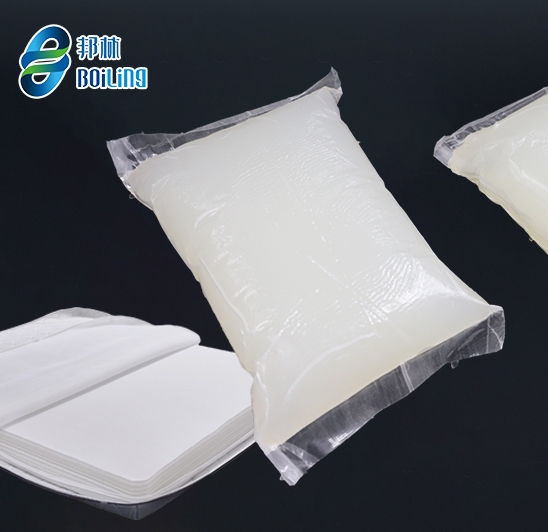
Banglin makes sanitary napkins hot melt adhesive as part of their hygiene series. These are pharmaceutical-grade, environmentally friendly products made for bonding the absorbent layer to the leak-proof backsheet. They give breathable yet strong adhesion that feels gentle next to skin.
The formulas offer strong initial grab, controlled soak-in, and solid resistance to shifting. In regular production, this often lets you run lower glue volumes and still keep layers locked together through making, packing, and actual use. The low-odor, light-color features also help the line stay cleaner and cut rejects from visible glue spots or funny smells on premium pads.
Because the adhesive works steadily across common nonwovens and films, many lines reach stable bonding with less glue once settings are dialed in.
Real-World Examples from Hygiene Lines
A producer in Southeast Asia watched material costs climb and decided to review every glue station. They tweaked spray patterns and switched to a more efficient hygiene-grade hot melt. Over six months, total adhesive use fell about 14%. Their return rate for delamination stayed flat.
Another plant dealing with humid storage kept seeing occasional core shifting. Instead of piling on more glue, they worked on open time and creep resistance. The pads held up better in tough conditions without using any extra adhesive.
These stories show the same thing. The biggest savings usually come from pairing the right glue with smarter application instead of just chasing the lowest price.
How to Get Started on Your Own Line
Start small. Pick one glue station — construction, positioning, or side seal — and run a few controlled tests. Measure glue usage per pad, peel and shear strength, and scrap rates before and after. Also check how the pads perform after 24 and 48 hours of simulated shelf time.
Get your applicator tech involved early. Small changes in temperature or pressure often bring quick wins without buying new gear.
About Banglin – Your Partner in Hot Melt Adhesive Solutions
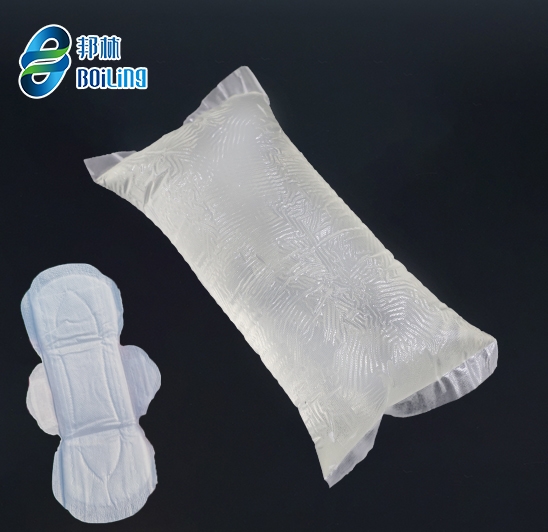
Banglín, operating as Hangzhou Boiling Adhesive Technology Co., Ltd., has been making adhesivos fundidos en caliente since 2005. The company sits in Hangzhou’s Future Science Industrial Park. It runs a 15,000㎡ plant with a daily output of 100 tons and a 500㎡ R&D center equipped with advanced imported testing tools.
They focus on custom formulas for pressure-sensitive and structural hot melt adhesives, including the hygiene series for sanitary napkins and other personal care items. With ODM/OEM support, technical teams, and experience helping thousands of customers in China plus exports to Southeast Asia and the Middle East, Banglin delivers reliable sanitary napkins hot melt adhesive backed by steady quality and practical on-site help.
Conclusión
Cutting costs on sanitary napkins hot melt adhesive doesn’t have to put quality or customer trust at risk. By focusing on precise application, efficient formulas, and tighter line control, many manufacturers bring their adhesive spend down while keeping — or even boosting — bond performance. The payoff shows up in better margins and products that hold up well in stores and during real use.
Take a fresh look at how your line runs. Small, targeted changes often deliver the best payback.
Preguntas frecuentes
Can I safely cut back on sanitary napkins hot melt adhesive without layers coming apart?
Yes, in many cases. With the right glue and careful application, lots of plants reduce usage by 10-20% and still keep strong bonds. Just test on your actual materials and check shelf-life results.
What should I look for in a good sanitary napkins hot melt adhesive when trying to save money?
Look for light color, low smell, quick setting, and solid grip on nonwovens and films. These let you use less glue and cut waste from strings or clogs.
Does switching to a better sanitary napkins hot melt adhesive actually save money in the long run?
It often does. Even if the price per kilo is higher, cleaner running, less waste, and fewer rejects can lower total costs. Many plants notice the difference in maintenance time and scrap rates pretty fast.
How important is creep resistance when lowering sanitary napkins hot melt adhesive costs?
It matters quite a bit. Strong creep resistance keeps the core and backsheet in place even with thinner glue lines, especially under body heat and movement. It helps stop shifting without extra glue.
What’s the first thing I should check if I want to reduce sanitary napkins hot melt adhesive costs?
Start with your application settings and waste spots. Look at spray patterns, temperatures, and how you handle startups and shutdowns. Small fixes here often give quick savings before you change the glue itself.
 Consultar
 Aplicación Whatsapp
 Dejar mensaje
 arriba