






7 Common Causes of Hygiene Hot Melt Adhesive Failure and How to Fix Them
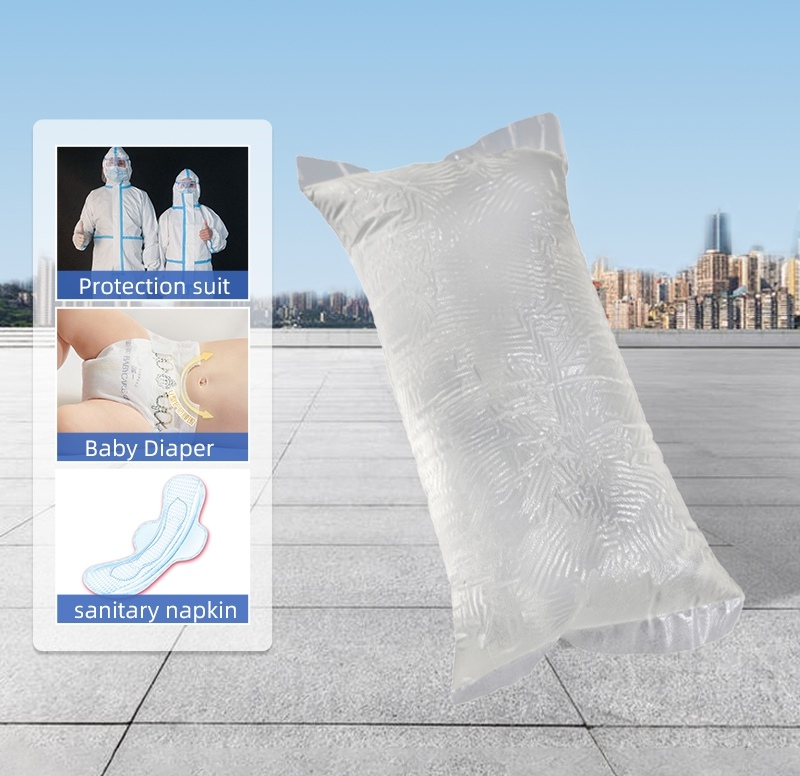
Hot melt adhesives play a significant role in enabling disposable hygiene products such as baby diapers, sanitary pads and adult incontinence products to be comfortable, safe and maintain their integrity. Failure of the adhesive can result in product defects, production downtime and most severe, product waste. It is reported that up to 30% of production losses in the hygiene manufacturing industry are caused by bonding failures. This article explores the seven most common causes of failure of hot melt adhesives used in hygiene and sets out practical solutions to the problems identified from industry experience as well as from technical papers.
What Causes Poor Adhesion in Disposable Hygiene Products?
Loss of adhesion is often the first visible sign of problems on a deeper level, whether these be process related or material related in nature. The loss of adhesion not only affects the appearance of a product, but also its functionality when in use.
Inconsistent Substrate Surface Energy
With materials of low surface energy, such as PE films or nonwovens, adhesive films or tapes cannot adhere sufficiently because they are not wetted by the adhesive. In addition, contaminations by dust, oils, or release agents prevent wetting. In a diaper plant, in consistent film treatment caused an increase in rejected rolls of 12 % due to delamination. Surface treatment of films by corona or plasma discharge is a widespread method to increase surface energy in order to reach higher adhesion. Also the reproducibility of adequate adhesion is increased for production batches.
Incorrect Application Temperature
Temperature control is critical for achieving consistent bonding results. If the adhesive is applied below its recommended range—typically 150°C–180°C—it may not flow sufficiently to wet the substrate fully. Conversely, overheating can break down polymer chains, reducing tackiness and altering viscosity. Regular calibration of nozzle heaters and infrared sensors helps maintain steady thermal conditions across high-speed lines, ensuring uniform adhesive performance.
How Does Improper Viscosity Affect Bonding Strength?
Adhesive viscosity controls how an adhesive behaves with respect to flow and substrate interaction during use. Even very small differences in viscosity can result in large variations in adhesive quality.
The Role of Viscosity in Flow and Penetration
Adhesives with low viscosity tend to spread too much. They are applied in thin layers and lack the necessary cohesive strength. On the other hand, high-viscosity adhesives do not penetrate sufficiently into the pores of nonwoven materials. This leads to a lack of mechanical interlocking. Adjusting the blend ratio of the polymers or using a viscosity modifier is a way to influence the flow behavior of adhesives. This can be important, for example, in production shifts with different ambient humidity or temperatures.
Equipment Calibration Issues Related to Viscosity Control
Any mechanical wear to pumps and partial blockage of filters can greatly affect the flow rates to the guns and are usually noticed as very uneven application and stringing at the tips of the nozzles. Regular preventative maintenance, with pump recalibration every quarter, will minimize the problems associated with variation of the bond strength and ensure a more consistent application.
Why Do Environmental Conditions Lead to Adhesive Failure?
Even environmental factors have a hidden influence on the stability of adhesives in storage as well as during production.
Effects of Humidity and Temperature Variations
The risk of condensation on surfaces before application is increased by high humidity, this can affect adhesion in the interface layer. Also cold floor surfaces can slow down the setting time of adhesives and heat can promote over cure before the laminating process has taken place. For all types of adhesive it is essential to operate in a controlled environment i.e. between 20°C–25°C and relative humidity below 60%. Under such conditions the performance parameters of the adhesive remain stable for most different types of articles.
Storage Stability Concerns for Hot Melt Adhesives
Hot melt adhesives are sensitive to oxygen and moisture. As the adhesive oxidizes over time it will thicken, reducing the open time. According to EDANA Technical Report 2023 adhesives that are stored in properly sealed containers in a controlled climate can last beyond 12 months without a loss of properties.
What Happens When Application Pressure Is Inadequate?
The amount of pressure that is applied to a molten adhesive affects how well the adhesive wets a substrate surface when the two are in contact.
Influence of Pressure on Adhesive Wetting Behavior
If pressure is too low, parts will only make partial contact and there will be many air pockets between the layers. These areas will form weak bond lines which can peel off in stress tests. Too much pressure also causes problems, as the molten adhesive is squeezed out of the contact areas completely and forms voids in these critical areas. Modern production lines of diapers are equipped with automated pressure control which controlled the pressure in a dynamic way based on the line speed. This system receives the line speed feedback and thus guarantees constant pressure.
How Do Contaminants Impact Adhesive Performance?
Even trace contaminants can disrupt adhesion chemistry significantly.
Common Sources of Contamination in Production Lines
Residues from cleaning agents or degraded polymer fragments often migrate into adhesive tanks or hoses over time. Internal laboratory testing has shown that contamination levels as low as 0.5% by weight can lower cohesive strength by up to 20%. Dust particles introduced during roll handling also create localized weak spots that later manifest as delamination under stress loading.
Preventive Measures for Cleaner Adhesive Application Systems
Using closed delivery systems reduces airborne contamination risk dramatically compared with open tanks. Additionally, replacing filtration cartridges regularly—typically every two weeks in continuous operation—maintains purity levels suitable for hygiene-grade hot melts used in sensitive applications like infant care products.
Why Is Compatibility Between Adhesive and Substrate Materials Critical?
Compatibility – Chemical Bonds between polymers. Do they form well at interfaces between different polymers.
Chemical Interactions Between Polymer Types
Incompatible polymers can demigrate and separate on cooling, such as EVA-based adhesives on PP/PE laminates, leading to delamination in storage or use. Selecting the most suitable adhesive for a specific substrate will provide consistent levels of bond performance whilst under fluctuating stress, for example within diaper elastic zones subjected to cyclic loading.
Testing Protocols for Material Compatibility Verification
Adhesion of long-term storage of labels can be quantitatively validated by means of the peeling test under simulated environmental cycles (heat-humidity-aging) before the actual start of large scale production. Early detection of potential incompatibilities with suppliers of basic materials on small test series and prevention of unnecessary investments for large production series in rework of wrong materials.
How Can Process Optimization Reduce Recurring Failures?
Process optimization consists of monitoring data with process measurements combined with skilled operators to achieve quality improvements on an ongoing basis.
Data-Based Process Monitoring Approaches
Temperature, line speed and pressure can be measured in real time and be influencing the seal. By implementing Statistical process control (SPC) software all the data can be analyzed in real time to highlight any trends or drift before a failure occurs on the finished goods packaging lines.
Training Operators for Consistent Quality Control Standards
Experienced technicians play a vital role in detecting early warning signs such as nozzle stringing or uneven coating thicknesses that automated systems might overlook initially. Structured training programs conducted quarterly have been shown to reduce scrap rates by up to 15%, translating directly into improved ROI through reduced material waste and downtime incidents.
Who Is Hangzhou Boiling Adhesive Technology Co., Ltd.?
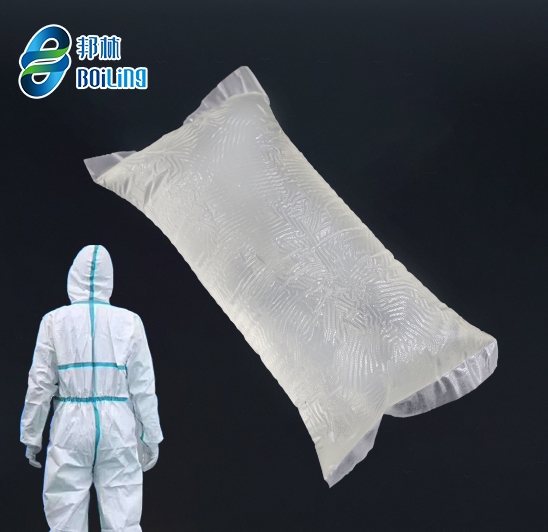
Hangzhou Boiling Adhesive Technology Co., Ltd., a Zhejiang China-based supplier, of disposable hygiene hot melt adhesives for baby diapers, sanitary napkins, adult care products and medical supplies, offers design of special adhesive formulas, technical consultations on formula modifications based on customers’ equipment and technical requirements, as well as on-site trouble-shooting during production trials. Specialized formulas are created to suit individual clients in order to establish long-lasting cooperation, rather than just delivering off-the-shelf articles to be applied by all users in a same way.
Conclusión
Failures in disposable hygiene hot melt adhesives are frequently due to controllable items. The root cause of a failure should be established as quickly as possible by a systematic analysis to prevent avoidable downtime and to increase cost effectiveness. A good product is made by good operators and this can be achieved by constant training of the operator. Furthermore, a good and controlled environment is crucial to achieve high reliability of the products. By having the right supplier, who has the necessary technical expertise, the manufacturing of the company can be protected against recurring problems of bonding in highly competitive hygiene markets.
Preguntas frecuentes
What is the ideal temperature range for applying disposable hygiene hot melt adhesives?
The optimal processing temperature is within a range of 150 °C up to 180 °C and is dependent on the type of formulation. Within this processing window the components can be wetted sufficiently without thermal decomposition of the polymer components.
How often should adhesive application equipment be inspected?
Inspection every 2–4 weeks at high volume manufacturing sites that produce millions of units per month is critical to identify nozzle blockages or wear of pumps before they become visible and cause product quality issues affecting end user satisfaction.
Can switching adhesive suppliers solve recurring bonding problems?
Switching to an alternative supplier who offers a formulation that is significantly different might help to resolve compatibility related failures. However prior to embarking on a change of supplier for such reasons a full root-cause analysis should be conducted to avoid unnecessary expenditure and potential process problems in the middle of a production run.
 Consultar
 Aplicación Whatsapp
 Dejar mensaje
 arriba