





How to Prevent Car Roof Lining Detachment with the Right Polyolefin Hot Melt Adhesive
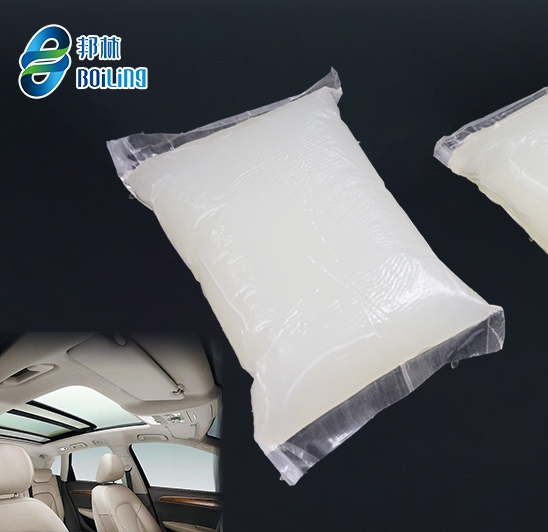
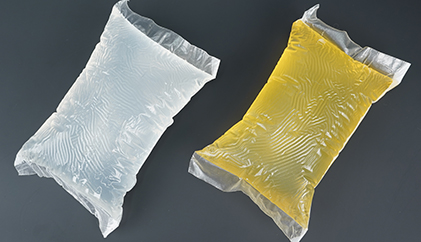
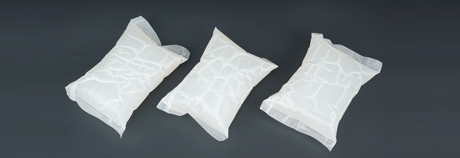
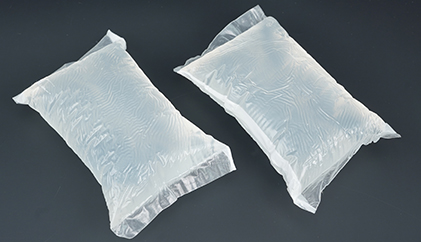
Car roof lining detachment is becoming a widespread problem in the automotive market. Not only does it lead to unsightly sagging of the roof lining, it also has an impact on the comfort of passengers. Detached roof linings also reflect poorly on a vehicle’s overall quality. The adhesive is a key factor when it comes to ensuring interior components last for long. High quality adhesives are used to bond together various components such as the roof lining’s fabric and foam with the substrate board beneath. Selecting the right adhesive for use in vehicles that are exposed to fluctuations in temperature and are subject to mechanical stress is critical. Of all the available adhesives, the polyolefin hot melt adhesive offers the best properties and is therefore the best choice for use in vehicles. The adhesive provides long-lasting results and excellent adhesion in all automotive applications.
What Causes Car Roof Lining to Detach?
To look at how a adhesive can prevent a failure of a roof lining to detach it is first necessary to establish the reasons for a roof lining detaching.
Common Environmental and Mechanical Factors
Cabin temperature can increase the degradation of adhesives over time. Even conventional adhesives can become soft and lose their adhesive properties when heated, especially in the presence of humidity that can penetrate into pores of materials such as foam and fabric. Also, the exposure to ultraviolet (UV) radiation causes the adhesive to lose its bond strength as the polymer chains are broken in the adhesive layer. In addition, the constant vibrations and mechanical stresses during driving cause small movements between the bonded surfaces. These movements cause delamination of the bonded surfaces if the adhesive is not flexible enough or if it has low fatigue properties.
Material Compatibility Challenges
The materials for car headliners are a combination of textile, polyurethane-foam and fiberboard. Due to the differing thermal expansion of these materials, the adhesive joint is subjected to stress which can result in a separation of the adhesive over time. The surface preparation of the components to be bonded is important. Dust and residues of mold release agents impair the adhesion. The greatest problem, however, is that there are many adhesives on the market which are not compatible with one or more of the substrates. As a result, the adhesive does not wet the surfaces and the roof lining fails early.
How Does Polyolefin Hot Melt Adhesive Prevent Roof Lining Detachment?
Polyolefin hot melt adhesives have been developed to effectively tackle these environmental and material challenges.
Key Properties That Enhance Adhesion Performance
The adhesives mentioned above are resistant to high temperatures and are able to withstand cabin temperature. They have a high degree of flexibility, and are able to absorb expansion and contraction without cracking or losing adhesion. The initial tack of these adhesives is very high, allowing for fast sticking during the production of cars. This is a crucial point in car production, since the production lines are working at the highest possible speed, and any delay could be a problem.
Chemical and Physical Advantages Over Traditional Adhesives
Compared to the widely used EVA-based adhesive materials or polyurethane-based acoustics, the polyolefin-based materials have better aging properties as they are based on stable molecules. They have low emission of VOCs (volatile organic compounds), are fully compatible with the strict requirements of the automotive industry with respect to interior surfaces and thus support good cabin air quality. Polyolefins have good wetting properties which enable a good adhesion on treated and untreated surfaces such as coated foams or composite boards. Thus they ensure a constant adhesion also on different materials.
What Are the Critical Factors When Selecting a Polyolefin Hot Melt Adhesive for Automotive Interiors?
Selecting an appropriate polyolefin hot melt adhesive requires careful evaluation of several technical parameters that influence long-term reliability.
Temperature Resistance and Durability Considerations
Adhesives used in the automotive interior must resist temperature changes from sub-zero temperatures to extremely hot temperatures in vehicles parked outdoors in the summer. The adhesive must guarantee a good bond at every temperature and not become too soft or too brittle. Long-term thermal stability prevents the adhesive from sagging or delaminating after years of use under varying environmental conditions.
Viscosity, Open Time, and Application Efficiency
The viscosity of the adhesive influences the uniform application of the coating during the lamination process. A viscosity that is too high can result in an uneven application, while a viscosity that is too low can cause the adhesive to run and form an inadequate coating thickness. Open time also plays a crucial role in a successful lamination process. It must be sufficient in order to position the material correctly, but it must also cure quickly enough in order to be able to work efficiently, without compromising the adhesive strength.
Compatibility with Substrates and Equipment Requirements
New types of vehicle headliners are made from a wide variety of materials, including fabrics, foams, nonwoven backings and molded boards. To achieve good adhesion to all of these very different types of materials the selected polyolefin hot melt should have good compatibility with all of the substrate types and also good tack and ultimate adhesion on substrates of different textures and thicknesses. Additionally, the melt should be compatible with current hot melt coating equipment such as slot die coaters and spray applicators and allow easy changeover between different adhesives without down time for tool changeover.
Why Is Process Control Important During Roof Lining Assembly?
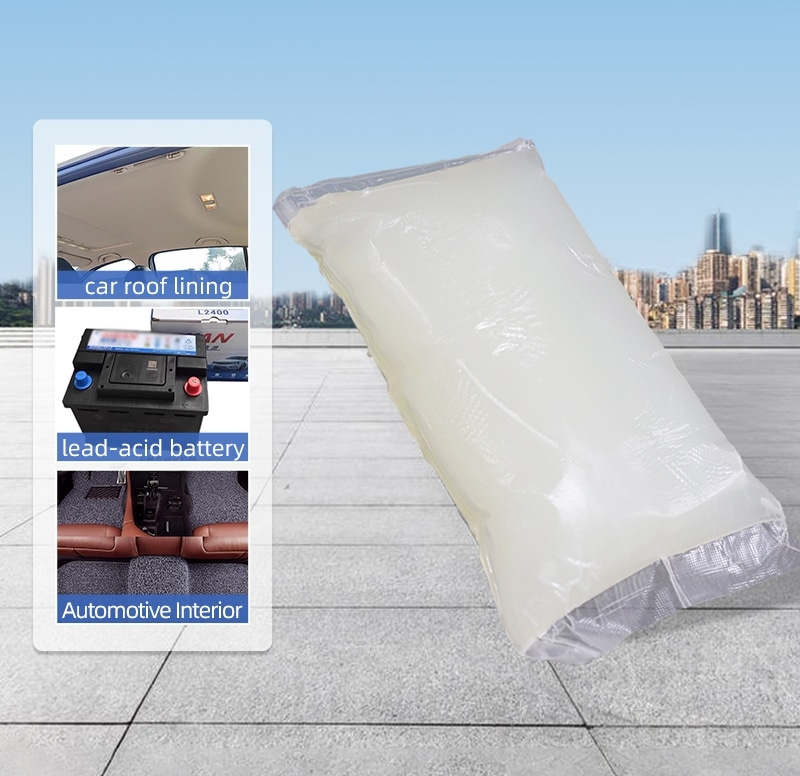
Even with the best adhesives in place, process control is critical to ensuring consistent bond quality in large volume manufacturing.
Optimal Application Parameters for Consistent Bonding Quality
Temperature and pressure must be set correctly, to prevent over-heating of the polymers, and premature solidification of the adhesive. Adequate pressure during lamination is required to guarantee a uniform spreading of the adhesive on the entire surface, avoiding air inclusion which could cause failure of the bond later on.
Quality Inspection and Testing Procedures
Standard peel tests are conducted to verify the adhesion performance of sealants on a batch-by-batch basis and also to simulate long-term exposure to environmental factors such as heat or humidity under controlled laboratory tests prior to releasing into the market to be used on vehicles.
Who Is Hangzhou Boiling Adhesive Technology Co., Ltd.?
Hangzhou Boiling Adhesive Technology Co., Ltd. is a specialized supplier of polyolefin hot melt adhesives for global automotive market. With focus on innovation, it has been conducting advanced polymer research to develop high performance adhesives that can withstand high temperature service conditions. Quality guaranteed, the products meet international automotive standards, and are made with environmentally friendly materials with low VOC emission to support Green and sustainable development. The company also provides custom hot melt adhesive development for particular material combinations, and professional technical services including process optimization, testing, and operator training to improve production efficiency.
Kesimpulan
Choosing the right polyolefin hot melt adhesive plays a decisive role in preventing car roof lining detachment by ensuring durable adhesion despite environmental stressors like heat or vibration. Effective process control—from temperature regulation during application to regular quality testing—further guarantees consistent results throughout vehicle lifecycles. High-performance adhesives not only improve interior durability but also preserve comfort and aesthetic appeal valued by consumers. Collaborating with specialized suppliers such as Hangzhou Boiling Adhesive Technology Co., Ltd., enables manufacturers to leverage advanced material science expertise for dependable solutions that align with modern automotive standards.
Pertanyaan FAQ
What makes polyolefin hot melt adhesive suitable for car roof linings?
Polyolefin adhesives are suitable for roof lining because they offer good heat resistance, high adhesive strength, low VOC emission and flexibility, which enable the roofing components to withstand various automotive applications and retain their stability.
Can polyolefin hot melt adhesives be applied using standard automotive equipment?
Most existing hot melt application equipment used in automotive assembly lines can be used with our products with minimal changes.
How can manufacturers ensure long-term adhesion performance?
Maintain best application temperature, keep substrate clean and perform quality control tests regularly. Work with supplier that have good technical knowledge such as Hangzhou Boiling Adhesive Technology Co., Ltd.
 Konsultasi
 Aplikasi Whatsapp
 Tinggalkan Pesan
 atas
atas