





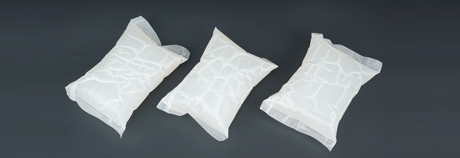
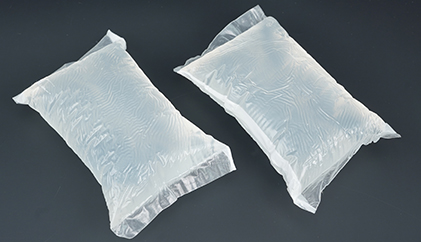

Choosing the Right Shoes Making Hot Melt Glue for Insole Lamination
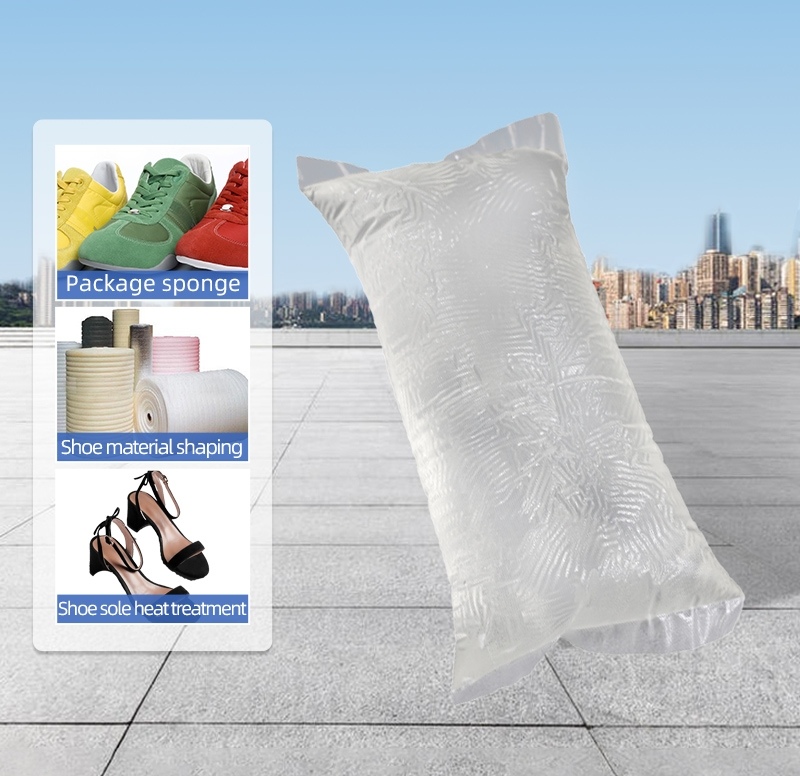
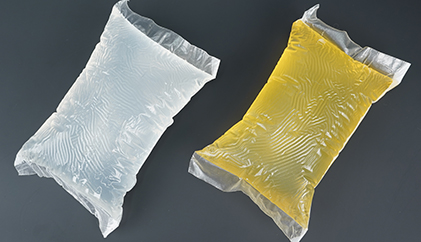
Lamination of insoles is an important part of the production of shoes. Even small details can have big effects. Edge lifting, inflexibility, odor, bleed-through of adhesive, poor storage and transit behavior – all these problems are caused by the wrong Sepatu Membuat Lem Meleh Panas. However suitable adhesives do exist which in conjunction with the insole materials, production rates, application methods and storage/transport conditions guarantee optimal lamination. For buyers comparing for example a pressure sensitive hot melt adhesive with other types of hot melt adhesives the purchase of main importance is not the low price of the glue but good performance on the lamination line.
What problems can the wrong hot melt adhesive cause in insole lamination?
When choosing an adhesive for a practical application, we first identify the failure modes that the buyer wishes to avoid. For insole lamination, the list of failure modes for flexible materials in repeated bending, high pressure, high temperature, and long storage life includes peel, shear, creep, and stress relaxation.
Why do laminated insoles delaminate after production?
Delamination can be caused by several factors, i.e. the adhesive does not wet the surface of the substrate sufficiently, or the adhesive has already started to harden before sufficient pressure has been applied to it. EVA foam, PU foam, nonwoven fabric, felt, leather board and textile layers all absorb the adhesive to a different extent and thus also resist it to a different extent.
Adhesive viscosity that is too high could result in adhesive merely sitting on the surface, and viscosity that is too low could result in penetration that is too deep with resulting inadequate glue at the bonding interface. When evaluating bonding performance it is not enough to test after the item has been made and left to cool. A more realistic test would be to test for strength after bending and also after aging.
Why do some adhesives create comfort or appearance issues?
When insole lamination is being carried out, it is necessary to find a balance between the amount of adhesive required to achieve the necessary bonding strength and the amount of adhesive required to ensure the insole remains soft and flexible. A hard glue line will feel stiff underfoot and excessive adhesive can create surfaces that are uneven or even visible.
Surface defects may be caused by glue bleed-through, stringing or poor coating control. For light-colored articles it is important to check the color of the adhesive, the odor, the thermal stability and whether the adhesive influences the surface of the finished insole after pressing and cooling.
How should buyers match adhesive properties to insole materials?
Material matching is one of the most critical steps in the selection process. The same adhesive can perform well on one insole’s construction but fail on another.
Which technical parameters should be checked first?
Check viscosity, softening point, open time, set time, application temperature, heat resistance, low temperature flexibility and bonding strength. This allows users to see whether production is going to be easy to manage and how the end product will perform.
Open time and setting speed are critical for fast lamination lines. If the adhesive sets too quickly, then there is not enough time for the layers to be aligned properly. And if the adhesive sets too slowly, then stacked insoles will move about, block, or require an extended holding time.
| Selection factor | Why it matters in production |
|---|---|
| Viskositas | Affects coating weight, penetration, and glue line control |
| Waktu buka | Determines how long materials can be positioned before bonding |
| Setting time | Affects line speed, stacking, and handling |
| Titik pelembutan | Helps indicate heat resistance during storage or transport |
| Fleksibilitas | Supports bending comfort and long-term wear |
| Odor and color | Important for consumer products and light-colored materials |
When is pressure sensitive hot melt adhesive suitable?
A pressure sensitive hot melt adhesive is suitable for lamination requiring tack, flexible bond and fast handling. The adhesive can be used to bond foam, textile and soft insole materials. A quick grab and low assembly pressure is required for these applications.
The tack of the adhesive after lamination should be checked by the buyer. Too much tack can cause the labels to block against each other when stacked or packaged. For storage and transportation at higher temperatures the heat resistance should be tested under realistic conditions.
How can factories test Shoes Making Hot Melt Glue before bulk purchase?
A technical datasheet gives an indication of the quality of products but line testing is required. When purchasing products it is recommended to request for samples to be tested by the buyer using the exact same materials, machines, coating weight, and pressing method as the normal production line.
What should be included in a practical sample test?
A practical test includes trial coating, lamination, cooling, cutting, bending, peeling and storage observation. All relevant machine parameters, such as machine temperature, glue amount, line speed, pressure, room temperature and the material batch number, are recorded by the operator.
In addition to the immediate inspection after 24 hours, several days, etc. it is also recommended to store the samples as intended and to inspect them after this period as well. Some problems with the bonding may only become apparent after the internal stresses have relaxed and the materials have taken up moisture. A short test run on the production line is not sufficient to discover such potential problems.
What should buyers ask suppliers before placing an order?
Before purchase, buyers should ask for the technical datasheet, safety data sheet, recommended application temperature, packaging details, storage conditions, shelf life, sample policy, MOQ, lead time, and customization options.
A good supplier for this kind of adhesive would describe how the adhesive behaves on different substrates rather than making broad promises. Also the supplier should clarify whether the glue can be applied with slot die coating, roller coating, spraying or by hand, depending on the production process in the factory.
How should cost, maintenance, and process stability be compared?
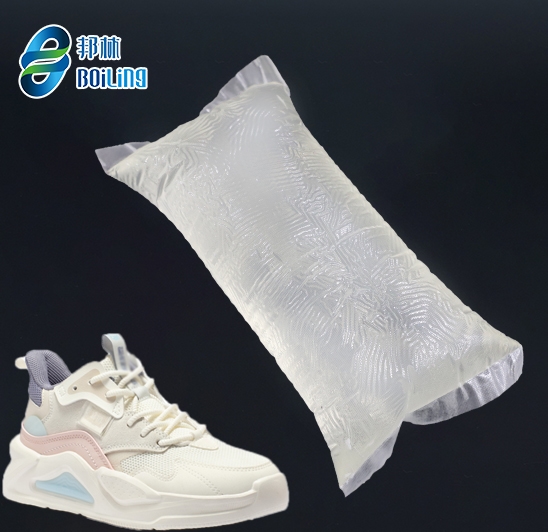
Note that the cost of an adhesive is not simply equal to the purchase price per kilogram of the liquid or paste. The cheapest adhesive can create increased costs of waste, downtime to clean up, and inspection for rejected insoles.
Which cost factors are often missed?
It is important for factories to track coating weight, rework, machine cleaning, glue pot stability, stringing, nozzle clogging and production speed. A better controlled glue may even end up to cost less in waste than a less controlled glue, despite higher unit price.
Packaging also needs to be sufficient to prevent contamination and moisture during storage. When importing and distributing food also the carton, labeling, batch tracking and the safety of the pallets need to be checked before they can be shipped.
How can maintenance teams reduce adhesive-related downtime?
When performing maintenance on hot melt systems, it is beneficial to check the temperature of the tank, the temperature of the hoses and the condition of the nozzles. Check the filters for cleanliness and look for carbon buildup. Char particles can form from overheating of the hot melt adhesive and can clog the system.
Mixing incompatible adhesives should be avoided by the operator. Where required by the supplier, the operator must check for compatibility. The process of changing adhesive types requires the process to be flushed or cleaned to prevent contamination of the adhesive and possible unstable bonding during changeover.
How can Hangzhou Boiling Adhesive Technology Co., Ltd. support adhesive selection?
After a buyer has defined the required materials, process and performance of a product a supplier reference is useful to select from the found suppliers the most suitable one. Hangzhou Boiling Adhesive Technology Co., Ltd. is a supplier of adhesives for shoe manufacturing. They offer a wide range of adhesives for various applications in the shoe industry, such as Shoes Making Hot Melt Glue for insole lamination. In order to select the right product the supplier can explain the different substrates which can be coated with the adhesives, the different coating methods, the application temperature, the speed of bonding, the packaging and the sample testing. For a factory producing insoles this type of information is useful to compare a standard hot melt adhesive with a pressure sensitive hot melt adhesive. The specifications, documents, prices, delivery terms and service of the suppliers should be compared before placing a large order.
Kesimpulan
Adhesives for insole lamination have to be matched to the respective material, manufacturing process, application conditions and end product in the shoe. Important criteria for purchasing an adhesive are the viscosity, open time, setting time, flexibility after setting, heat stability, smell during setting and processing stability. As with any other material, insole materials have to be tested with the proposed adhesive, not just the properties of the adhesive as declared by the supplier. A pressure sensitive hot melt adhesive is for instance suitable for flexible laminations, but tack, blocking and heat stability have to be checked. Choosing the right adhesive is crucial to avoid rework, to achieve constant processing conditions and to guarantee high quality shoe production.
Pertanyaan FAQ
1. What is the best Shoes Making Hot Melt Glue for insole lamination?
There is no “one size fits all” solution. Factory selection depends on Insole Materials, Coating Process, Production Line Speed, Required Bond Strength, Degree of Flexibility & Storage Conditions.
2. Can pressure sensitive hot melt adhesive be used for all insole materials?
This adhesive may be suitable for certain flexible applications such as foam or textiles. It would be wise to test for a number of parameters such as tack, heat, blocking and long-term bonding before purchasing in bulk.
3. What causes glue bleed-through during insole lamination?
Bleed-through can be caused by low viscosity, too much coating weight, use of porous substrates, high application temperature, too much pressure during application. Changing the glue type and/or coating control should correct this problem.
4. How should a factory test hot melt glue samples?
The samples should be tested on the actual materials using the factory’s actual equipment set-up. The following characteristics should be tested for: peel strength, bending test, surface appearance, odor, stackability and storage stability.
5. What documents should buyers request from an adhesive supplier?
When purchasing chemicals online, one should first ask for a technical datasheet, a safety data sheet, an application guide, packaging details, the way the chemical is stored, the shelf life of the chemical and batch traceability.
 Konsultasi
 Aplikasi Whatsapp
 Tinggalkan Pesan
 atas
atas