






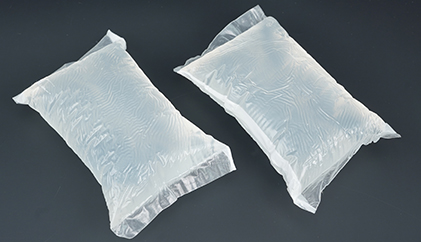

Label Industry Trends 2026: What Adhesive Manufacturers Need to Know
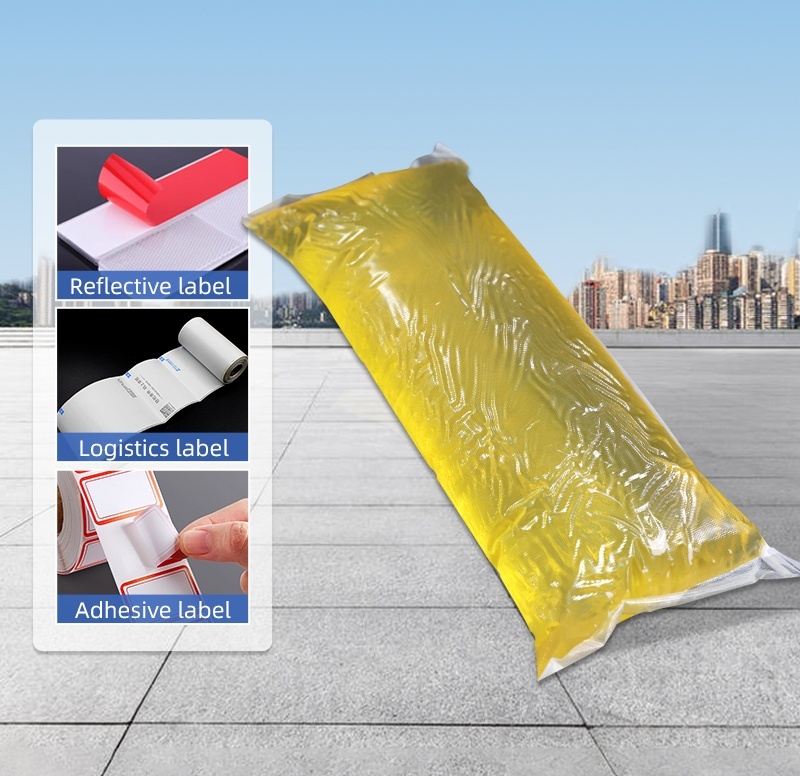
The label market is changing fast. Brands, manufacturers and packaging companies are looking for labels that perform better. For adhesive manufacturers this means more than just creating a strong bond. Buyers are looking at application conditions, surface properties, environmental issues, storage conditions and production efficiency. As packaging is becoming more diverse, pressure sensitive label solutions need to work reliably across different substrates and usage environments. Adhesive manufacturers, converters and buyers need to be aware of these changes in order to make the right choices for future label applications.
What changes are influencing label adhesive development in 2026?
Specialist label adhesive manufacturers are modifying their formulations to better meet specific customer requirements. As before, the adhesives will provide good bonding but the emphasis now is on specific application use.
How are packaging requirements affecting adhesive selection?
Contemporary packaging utilizes a far greater array of packaging materials including plastic films, coated papers, glass and other speciality surfaces. All of these materials present their own unique bondability challenges.
A label adhesive that performs well on paper does not necessarily perform well on low-energy plastic surfaces. The choice of adhesive depends on several factors including the surface it will be applied to, temperature exposure, moisture and the product’s life cycle.
Cooperation between the manufacturer of the adhesive, the label converter and the user is increased. In addition to the basic data from the laboratory, experience gained from testing the adhesive under the actual conditions of use is the most important.
Why are pressure sensitive label solutions gaining attention?
Pressure sensitive labels are the most popular form of label. They are extremely easy to apply and do not require the use of water or solvent activation. Pressure sensitive labels are ideal for the majority of packaging applications due to their quick application and flexible design capabilities.
However, label performance is further determined by several factors including the adhesive, the liner, the stock, and storage conditions.
The chosen adhesive must have the combination of initial tack, long-term adhesion, removability and environmental resistance.
What technical factors determine label adhesive performance?
Choosing an adhesive product involves several technical criteria. A very suitable product for a particular application can be less suitable for another.
How do adhesive properties affect labeling results?
The adhesive properties of labels greatly affect the performance of the label during manufacturing and usage.
The initial tack of a label determines how quickly a label will bond to a surface after application. The peel strength of a label is a measure of the force required to remove a label from a surface. The shear resistance of a label determines if a label will withstand continuous stress and remain stable.
The properties of the label stock have to be matched to the application in question. A warehouse label would demand different properties of the label than a cosmetic label or food packaging label.
Manufacturers should also consider processing conditions, including labeling speed, application temperature, and storage environment.
What role does substrate compatibility play?
The surface to which a label is attached has a major influence on the bonding of the label and different surfaces require different adhesive formulas. Examples of surfaces to which labels can be attached are smooth glass, textured plastic, recycled paper and coated materials.
Before large-scale production, buyers often evaluate samples on the actual packaging material. This helps identify possible issues such as poor adhesion, edge lifting, or difficulty during application.
Substrate testing is critical for customized packaging products because even small changes in material can greatly affect how the adhesive performs.
How are sustainability requirements affecting label adhesive trends?
The packaging industry is increasingly influenced by environmental considerations regarding packaging materials. Therefore adhesive manufacturers are looking for solutions, which fulfill the customers’ expectations and at the same time have the necessary practicality.
Are manufacturers developing more environmentally considered adhesives?
The use of materials, recyclability and production methods for packaging is currently under review by many companies. The adhesive used for labels can have a significant impact on how the label interacts with packaging materials during recycling or waste management.
There are Sustainability Requirements that vary by Product, Region and Packaging. It is important to specify the requirements for a particular application rather than assuming that there is one adhesive that can be used for all applications.
What challenges exist between sustainability and performance?
The biggest challenge is to reconcile ecological requirements with technical requirements. The adhesive has to stick well during storage and during the transportation and of use of the end product.
Reducing certain materials or changing formulations may affect properties such as tack, temperature resistance, or moisture performance.
When selecting an adhesive, the manufacturer must consider both the environmental conditions and the actual application.
What should buyers check when selecting a label adhesive supplier?
Supplier selection affects product consistency, delivery reliability, and technical support.
Which supplier capabilities should be evaluated?
When comparing different suppliers of adhesives, buyers generally take into account more than the actual price of the product itself. Criteria such as the production capacity of the supplier, the quality of technical discussion, the scope for individual adaptation and the corresponding quality control measures are generally taken into account.
A supplier would have to provide sufficient information of his products and assist the customer in choosing the correct type of adhesive for his respective application.
For businesses buying in large quantities, stable production and consistent material quality are critical when judging a supplier.
Why are testing and documentation important?
Testing information helps buyers confirm whether an adhesive matches their requirements. Documentation related to product specifications, storage conditions, and application recommendations can reduce problems during production.
For customized label projects, sample approval is usually a practical step before production can start. This allows the customer to check the labels in test, in real conditions.
How can adhesive manufacturers prepare for future label industry trends?
The label industry is continuing to evolve. Packaging is becoming more specialized and the manufacturer needs to be able to adapt to the various uses and still be able to produce them to a high standard.
What product improvements may become more important?
Future developments of adhesives could focus on more application possibilities, improved substrate compatibility as well as more manufacturing flexibility.
Instead of developing a single adhesive to cover all applications, manufacturers are creating products designed for specific uses.
By specifying material requirements our customers can select the most appropriate materials for their needs, without having to adapt to the restrictions imposed by an unsuitable adhesive.
How can suppliers support customers during product selection?
Technical support is an important part of adhesive purchasing. Customers may need assistance with substrate testing, application recommendations, and production adjustments.
A supplier who communicates effectively can support reducing trial-and-error in development and better cooperation between adhesive manufacturers and label converters.
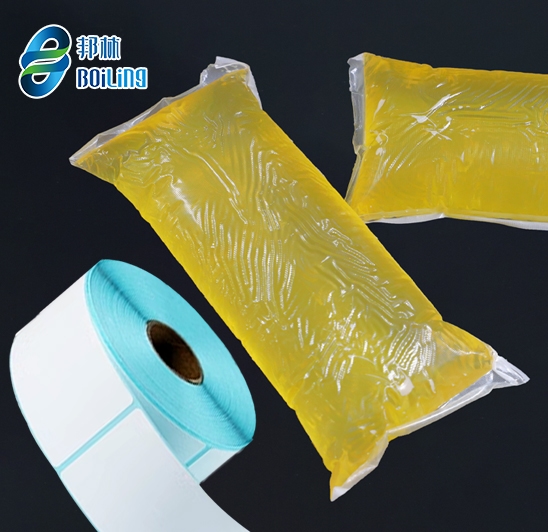
Hangzhou Boiling Adhesive Technology Co., Ltd. provides customized hot melt PSA solutions.
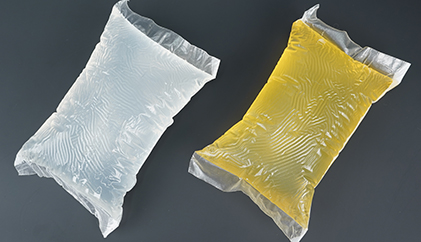
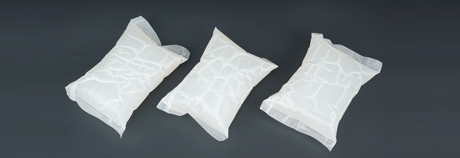
As a professional manufacturer of hot melt PSA blocks for labels, Boiling Adhesive delivers targeted bonding solutions for reflective labels, logistics labels, PET bottle labels and general self-adhesive labels.
Diverse Custom Formulations
We develop permanent adhesives, removable adhesives, as well as low & high temperature resistant hot melt PSAs. They are compatible with paper, PE, PP, PET and glass substrates to meet diverse end-application demands.
Independent Testing Laboratory
We carry out full performance tests covering initial tack, peel strength, thermal aging and RIPT skin irritation tests.
Environmental Compliance
All our hot melt adhesives meet REACH, RoHS and low-VOC standards. We also supply recyclable wash-off formulations for brands focused on sustainable packaging.
One-Stop Technical Service
We supply free samples, custom formula modification, on-site application guidance and stable bulk supply support for label converters across the globe.
Kesimpulan
Label adhesive development is evolving to meet changing packaging needs. When selecting a material buyers need to consider the compatibility of the material with the substrates they use, the conditions under which the labels will be applied, the performance required from the labels and the capabilities of potential suppliers. Even with the pressure sensitive label being the most flexible of all the label forms the choice of adhesive is critical to performance in many applications. The manufacturer of adhesives is facing challenges to balance the required technical performance against changing market requirements. Careful evaluation of potential suppliers and thorough testing of products to establish realistic expectations is critical in order to manage risks associated with production of labels.
Pertanyaan FAQ
1. What factors should buyers consider when selecting a label adhesive?
When selecting materials, potential buyers should consider substrate type, application conditions, temperature, exposure to moisture, adhesive requirements, and even technical assistance provided by the supplier.
2. Why is hot melt pressure sensitive adhesive commonly used?
Hot melt pressure sensitive adhesive provides fast bonding, easy application, and strong adhesion without the need for solvents or additional curing, making it ideal for labels, tapes, and packaging applications.
3. How does substrate affect adhesive performance?
Different surfaces have different properties, which can affect the strength of a bond. To test the adhesive it is better to test it on the actual label material and the surface of the packaging it will be used on to check for adequate bond strength.
4. What should companies check when evaluating adhesive manufacturers?
As a buyer, you can evaluate a potential supplier by reviewing the product specifications, quality control procedures, ability to customize products, the support given for testing, delivery capabilities and technical communication.
5. Can sustainable adhesive solutions meet industrial requirements?
Sustainable adhesives can satisfy certain end use requirements but end user consideration of environmental goals versus required performance is needed when selecting an adhesive.
 Konsultasi
 Aplikasi Whatsapp
 Tinggalkan Pesan
 atas
atas