






How to Optimize Hot Melt Application Parameters for Wine Caps: Temperature, Viscosity, and Open Time Control
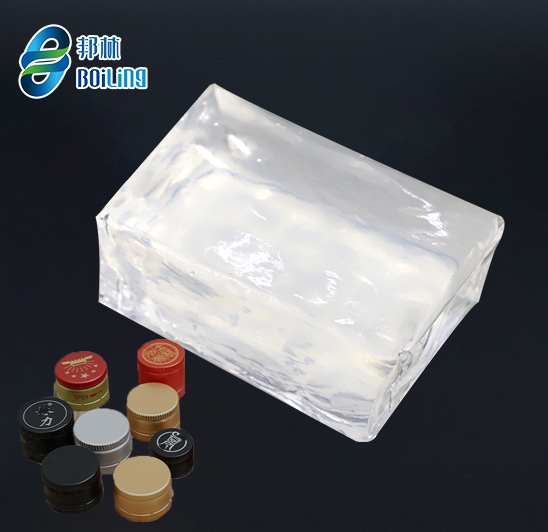
Running a high-speed wine bottle capping line means every second counts. One small tweak in how the wine bottle cap hot melt adhesive behaves can make the difference between smooth output and a shift full of rejects. Caps fly down the line at hundreds or thousands per minute. They bond aluminum bodies to plastic liners, usually PE or PVC. Get the parameters right, and you lock in strong seals. Those seals hold through shipping, storage, and that satisfying twist when someone opens the bottle.
This guide walks through the key factors: application temperature, viscosity, and open time. We’ll cover how they play together on real production floors. Plus, we’ll look at ways to fine-tune them for consistent results without constant babysitting.
Why Application Parameters Matter for Wine Bottle Caps
Wine caps need to feel premium but perform under pressure. The adhesive has to grab the liner instantly. It must build strength fast. And it needs to stay flexible in cold cellars or warm trucks. Too much heat, and the glue might degrade or string out and mess up equipment. Too little, and bonds weaken or liners shift.
Production teams often notice issues like uneven coverage. Slow set times back up the line. Or seals fail leak tests later. Dialing in the right settings cuts waste. It boosts throughput. And it keeps downtime low. Many plants see noticeable gains just by tightening control around 150–180°C temperatures paired with 1000–2000 cps viscosity.
Getting Temperature Right: The 150–180°C Sweet Spot
Application temperature sits at the heart of everything. For polyolefin-based wine bottle cap hot melt adhesive, the typical range runs from 150°C to 180°C. Start too low and the glue flows poorly. You end up with thin spots or gaps. Push past 180°C for too long and you risk charring or losing performance over time.
In practice, many lines settle in the 160–175°C window. One common setup involves a tank at the lower end to protect the bulk adhesive. Then they ramp the hose and nozzle a bit higher for smooth delivery. This helps maintain even flow without overheating the material sitting in the reservoir.
Watch your substrate temperatures too. Cold metal caps straight from storage can cool the adhesive faster than expected. That shortens the working window. Pre-warming caps slightly or adjusting ambient line conditions often smooths things out. Operators who log daily tank, hose, and nozzle readings catch drift early. They avoid surprises during peak runs.
Matching Viscosity: Why 1000–2000 cps at 180°C Works Well
Viscosity tells you how the molten adhesive flows. At 180°C, a range of 1000–2000 cps strikes a good balance for wine cap lines. Lower viscosity spreads easily. It wets both the aluminum and plastic liner without gaps. Higher viscosity holds its shape better. It also reduces stringing on fast-moving equipment.
Picture a high-speed rotary capping machine. The adhesive gets dispensed in precise dots or beads. If it’s too thick, you might see missed spots. Or you need higher pressure that strains pumps. If it’s too thin, it can run off or create messy fillets. Those affect cap threading later.
Real-world tip: Test viscosity regularly with a simple thermosel setup. Small batch-to-batch differences happen. So having a target curve helps. Many successful lines adjust temperature by just 5–10°C to hit the ideal flow without reformulating. This range also pairs nicely with the adhesive’s softening point around 80–100°C. It keeps the final bond stable across temperature swings.
Open Time and Set Speed: Matching Your Production Line
Open time is that critical window after the adhesive leaves the nozzle. It’s when it can still wet the second surface properly. For wine caps, you often need just a few seconds. Long enough for the liner to seat. But short enough to build strength before the next station.
Set time follows right after. That’s when the bond firms up under compression. On lines running 300–800 caps per minute, a fast set prevents liners from shifting during handling. If open time runs too long, caps might wait too long before full pressure. That leads to weak spots. Too short, and you lose good contact on slightly misaligned pieces.
A practical way to check: Run a short test strip and time from dispense to full compression. Adjust by small changes in temperature. Higher usually lengthens open time slightly. Or tweak how much adhesive you apply. Many plants find that 1000–2000 cps viscosity at the right temperature gives a predictable 2–5 second open time. It fits standard high-speed sealers.
Fine-Tuning the Process: Real Scenarios from the Floor
Let’s say your line hits occasional liner pop-offs during vibration testing. Chances are the adhesive cooled too fast on contact. Or it didn’t wet fully. Raising application temperature by 5°C while staying under 180°C often improves flow. It does this without increasing stringing.
Or, if strings appear and foul nozzles, dropping temperature a few degrees can clean things up. Confirm viscosity sits closer to 1500 cps too. Another common case involves seasonal changes. In winter, colder factory air shortens open time. Teams that keep a simple checklist catch it fast. Tank temp, ambient conditions, substrate temp—they make quick micro-adjustments. Reject rates stay under 0.5%.
Consistent adhesive volume matters too. Over-applying wastes money. It can cause squeeze-out that affects aesthetics or threading. Under-applying risks seal failure. Many lines target a thin, uniform layer. It still delivers strong immediate grab and long-term hold.
Banglin’s Formulation Edge on High-Speed Capping Lines
Banglin brings real advantages here through thoughtful polyolefin formulations tailored for cap sealing. Their wine bottle cap hot melt adhesive combines fast set with clean, non-stringing behavior. It keeps high-speed lines moving without interruptions. The material delivers solid initial grab on aluminum-to-plastic bonds. And it maintains performance through temperature changes. That helps reduce returns from compromised seals.
What stands out is how well it matches the demands of modern capping equipment. The viscosity profile supports precise dispensing at production speeds. The overall formula keeps consumption efficient so costs stay in check. Low-odor and solvent-free properties also make the production environment more pleasant for crews working long shifts.
Introducing Banglin as Your Hot Melt Adhesive Partner
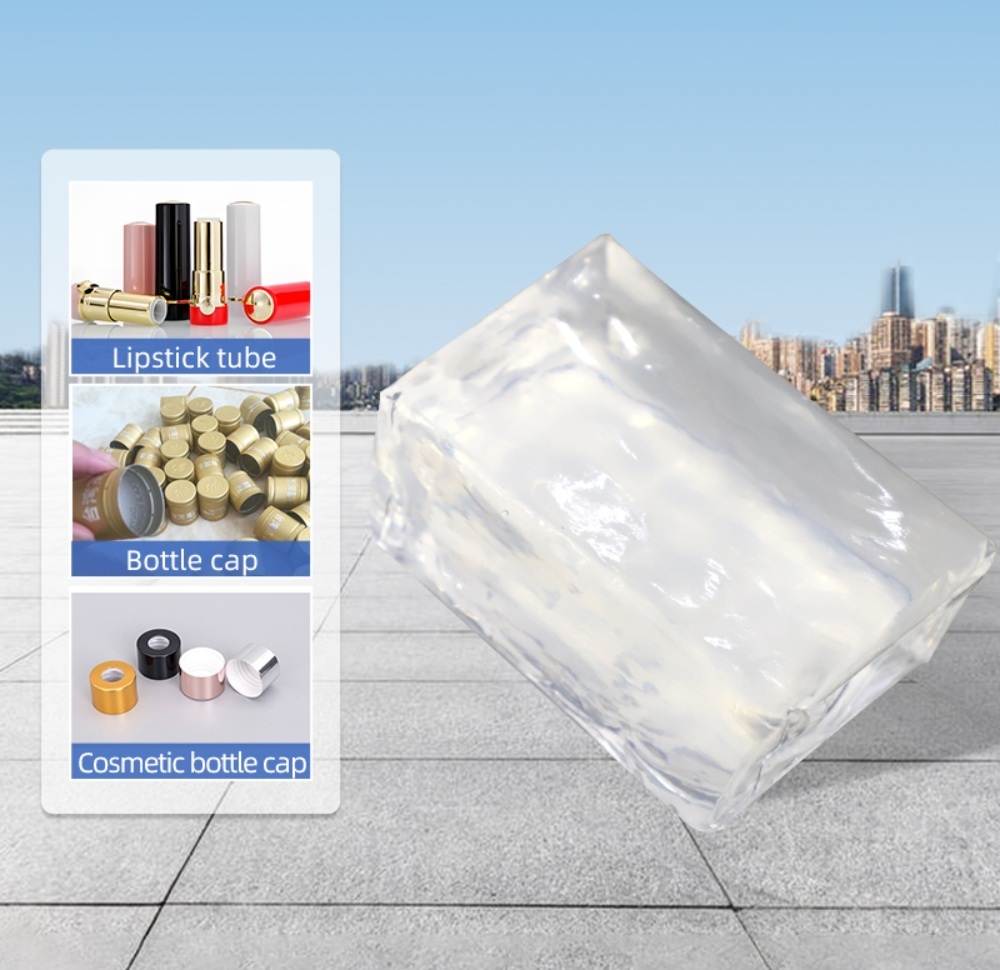
방글린, operating as Hangzhou Boiling Adhesive Technology Co., Ltd., has built a strong reputation since 2005 as a dedicated hot melt adhesive supplier. Based in Hangzhou, the company focuses on developing and producing high-performance adhesives for packaging and other demanding applications. They run a large modern facility. They have advanced R&D capabilities. And they bring in experienced formulators.
Their approach emphasizes practical performance. These are adhesives that run cleanly, bond reliably, and support efficient manufacturing. For wine bottle cap producers, this translates to formulations that integrate smoothly into existing lines. They deliver the balance of speed, strength, and stability that today’s market requires.
결론
Getting hot melt parameters dialed in for wine bottle caps takes attention to detail. But the payoff shows up in higher throughput, fewer defects, and more confident shipments. Focus on keeping application temperatures in the 150–180°C range. Match viscosity around 1000–2000 cps. And align open time with your line’s pace. Small, consistent adjustments based on real data usually deliver the biggest gains.
When you work with a supplier that understands these nuances, the process becomes smoother. Banglin’s experience in this space helps turn good parameters into reliable, repeatable results across shifts and seasons.
FAQ는
What is the typical application temperature range for wine bottle cap hot melt adhesive?
Most polyolefin-based wine bottle cap hot melt adhesive works best between 150°C and 180°C. Staying in this window gives good flow and wetting without risking degradation or stringing on high-speed lines.
How does viscosity affect performance on wine cap production lines?
Viscosity in the 1000–2000 cps range (measured at 180°C) helps the adhesive spread evenly on aluminum and plastic liners. It resists unwanted strings or runoff at the same time. This balance supports clean dispensing and strong bonds even at fast production speeds.
Why is open time important when using wine bottle cap hot melt adhesive?
Open time determines how long the adhesive stays workable for proper liner seating. Matching it to your capping line’s compression timing prevents weak bonds or shifting parts. For many high-speed setups, a short, controlled open time pairs well with quick set speed.
Can temperature adjustments help reduce stringing with wine bottle cap hot melt adhesive?
Yes, small drops in temperature often cut down on stringing. They do this while keeping viscosity in the target range. Combining this with proper nozzle maintenance and consistent adhesive volume usually clears up the issue quickly.
What makes a good wine bottle cap hot melt adhesive suitable for high-speed lines?
Look for clean application, fast set, strong initial grab, and stable performance across temperatures. Formulations that maintain 1000–2000 cps viscosity at operating temps and resist charring tend to deliver the reliability needed for continuous production.
 상담
상담
 WhatsApp의
 메시지 남기기
 상단
상단