






Sustainable Footwear Manufacturing: How Solvent-Free Hot Melt Adhesives Support Green Shoe Production
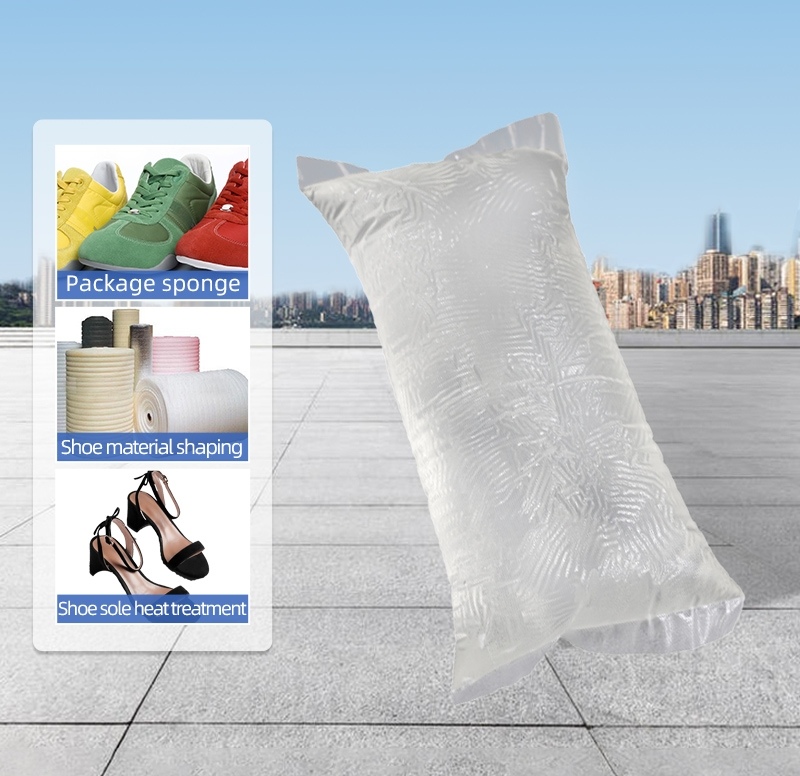
Solvent-free hot melt adhesives can support more sustainable footwear manufacturing by removing the solvent carrier from the bonding step and simplifying solvent-related chemical management. That matters to footwear factories, sourcing teams, production engineers, and compliance managers trying to lower VOC exposure without creating new bonding failures. The choice is not automatic: a hot melt must still match the sponge, fabric, lining, insole, or upper, run within the equipment window, and keep the shoe flexible. The practical question is whether a solvent-free system can deliver the required bond with a cleaner, measurable process.
Why Are Footwear Factories Re-Evaluating Solvent-Based Adhesive Systems?
Footwear assembly uses many materials and chemicals, so solvent management is now a practical sourcing issue.
What Do Current Chemical-Management Programs Say About Solvents?
ZDHC’s current MRSL guidance identifies organic solvents in apparel and footwear glues and adhesives. Formulations containing listed solvents above applicable limits are non-conformant, and ZDHC encourages safer alternatives plus exposure and emission controls.
The current EU Ecolabel footwear criteria set an average VOC-use limit of 18 g per pair during final production, or 20 g per pair for qualifying protective footwear. It is a voluntary ecolabel criterion, not a universal factory limit, but it shows why VOC contribution is measured at product level.
What Does a Solvent-Free Hot Melt Change on the Line?
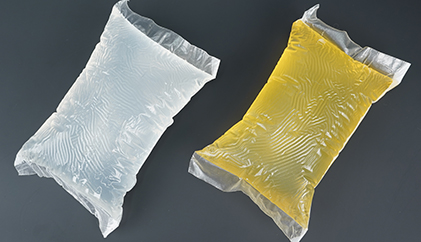
A hot‑melt adhesive is applied in its molten state and forms a bond upon cooling. With no solvent carrier to evaporate from the adhesive film, the process can reduce solvent-handling and drying requirements compared with a solvent-based step.
Switching to solvent‑free hot‑melt adhesives alone does not make an entire shoe “green.” Electricity used for melting, adhesive consumption per pair, rejected components, material selection, and end-of-life design still matter. Sustainable purchasing should compare the complete process instead of replacing one environmental claim with another.
Which Shoe-Making Applications Are a Good Fit for Solvent-Free Hot Melt Adhesives?
The strongest candidates are applications where immediate positioning, flexibility, and clean coating are more important than long solvent flash-off or cure stages.
Where Can Hot Melt Work With Sponge and Lining Materials?
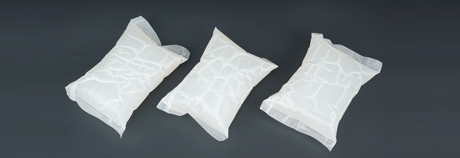
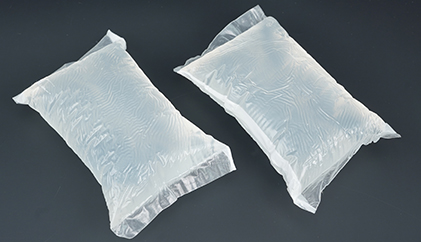
뜨거운 뜨거운 뜨거운 뜨뜨뜨거운 뜨뜨거운 뜨거운 뜨거운 뜨거운 뜨거운 뜨거운 뜨거운 뜨거운 뜨뜨 is designed for bonding sponge to other footwear materials, including upper sponge lining, insole composite bonding, and tongue padding. This adhesive emphasizes a soft bond, strong initial tack, and compatibility with spray or roller application.
A suitable hot melt must hold these layers without turning a soft sponge component into a hard spot. This matters in tongue padding, heel areas, lining composites, and other sections where the bonded structure still needs to compress naturally during wear.
When Should a Factory Keep Testing Instead of Assuming a Direct Replacement?
A solvent-based adhesive cannot always be replaced one-for-one. Highly stressed joints, unusual surfaces, or heat-sensitive materials may need different chemistry, activation, or equipment.
Before switching, map each bond: sponge-to-fabric, lining-to-upper, insole composite, tongue padding, and reinforcement. Test hot melt only where its bond mechanism and application temperature fit. For setup details, the shoe hot melt application guide provides additional process context.
Which Technical Parameters Should Buyers Compare Before Switching Adhesives?
A sustainability project fails if the replacement cannot run on the line. Procurement should compare technical data before environmental messaging.
Which Product Parameters Define the Starting Process Window?
The current Shoes Making Hot Melt Glue page lists these product-specific reference values:
| 매개 변수 | Listed value | Why buyers check it |
|---|---|---|
| 기본 재료 | Thermoplastic rubber | Helps assess formulation family and flexibility |
| Viscosity at 180°C | 1,000–1,500 cps | Affects spray or roller-coating behavior |
| Application temperature | 150–180°C | Must suit equipment and heat-sensitive materials |
| 부드러운 점 | 80–85°C | Helps screen heat response and creep risk |
| 유효 기간 | 12 개월 | Matters for inventory and batch planning |
Confirm these values against the latest TDS; they are not universal targets for every shoe construction.
Which Bond Properties Matter After the Adhesive Cools?
Initial tack limits layer shift; peel resists edge separation; holding power controls movement under load; softness matters because footwear components flex repeatedly.
The existing article on high initial tack and sponge/fabric delamination provides useful failure-analysis background. For projects exposed to more demanding moisture or temperature conditions, the athletic and outdoor footwear guide covers the additional performance questions buyers should consider.
How Should a Factory Prove That a Solvent-Free Switch Is Actually More Sustainable?
A credible sustainability decision needs a before-and-after production record covering chemicals, process efficiency, waste, and finished-shoe performance.
What Should Be Measured During the Trial?
Use the same footwear construction and production target for both systems, then record:
-
Adhesive consumption per pair
-
Melt temperature and actual energy use where available
-
Drying or flash-off time eliminated or retained
-
Ventilation or solvent-control steps required
-
Reject and rework rate
-
Bond failure mode after conditioning
-
Workplace-emission measurements where required
-
Relevant SDS, MRSL, REACH, or customer chemical documentation
Do not assign a sustainability percentage before the trial. The factory should quantify the operational effect on its own line.
How Should Quality Be Protected During the Conversion?
Run a pilot lot first. Condition samples at expected manufacturing, storage, and use conditions. Check peel, holding, flexibility, visible glue marks, layer movement, and heat damage.
For athletic or flexible footwear, include repeated flexing or the buyer’s existing footwear test method. The target is not simply “no solvent.” It is acceptable product performance with a more manageable chemical and process profile.
A factory that reduces solvent handling but doubles rejects has not solved its sustainability problem. Waste rate, line stability, and finished-product durability belong in the same evaluation.
What Should Procurement Ask a Hot Melt Adhesive Supplier Before Approval?
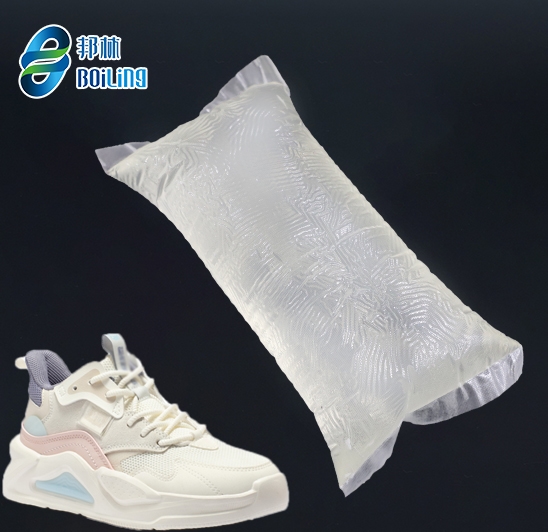
The supplier should connect chemical-management goals with the real footwear construction. Procurement needs documents, samples, process guidance, and change control.
Which Questions Should Be on the Supplier Checklist?
Ask for the current TDS and SDS, exact solvent status, formulation base, viscosity test condition, softening point, application-temperature range, storage requirements, shelf life, sample availability, and supported footwear materials.
If a brand follows ZDHC, request relevant conformance evidence instead of assuming that “solvent-free” automatically means MRSL compliant. ZDHC conformance concerns restricted substances in the formulation, not simply whether a solvent carrier is absent.
Also ask whether viscosity, tack, softness, open time, or temperature behavior can be adjusted for the specific sponge, fabric, liner, or equipment. The Shoes Making Hot Melt Glue range provides a useful starting point for product screening.
What Should Happen Before a Bulk Purchase?
Send actual shoe materials and line parameters, run a controlled sample, and compare it with the current adhesive. Approve only when bond performance, production stability, documentation, and sustainability metrics meet predefined criteria.
Keep an approved sample and trial record. If sponge density, fabric finish, insole material, coating equipment, or line speed later changes, recheck the affected parameters instead of assuming the old setting will transfer.
Professional Technical Support from Hangzhou Boiling Adhesive Technology Co., Ltd.
Hangzhou Boiling Adhesive Technology Co., Ltd. specializes in customized hot melt pressure-sensitive adhesives for footwear manufacturing. Boiling Adhesive supports sponge lining, insole composite, tongue-padding, and related shoe-material bonding with solvent-free HMPSA formulations matched to production requirements. We provide free sample matching, targeted formula adjustment, performance testing, and production-line pilot verification. For factories replacing a solvent-based adhesive, customers can send actual sponge, fabric, lining, insole materials, coating method, line speed, and service requirements. Our technical team can then recommend a trial process window for viscosity, application temperature, tack, softness, and coating conditions, helping simplify internal qualification before mass production.
결론
Solvent-free hot melt adhesives can support sustainable footwear manufacturing by removing the solvent carrier from selected bonding steps, but the environmental benefit must be proven together with production and quality performance. Buyers should compare chemical documentation, adhesive consumption, process requirements, viscosity, application temperature, flexibility, peel, holding power, and reject rates. The next step is a controlled trial on the real shoe materials, followed by documented chemical, process, and bond-performance approval before the factory scales the change.
FAQ는
1. Are solvent-free hot melt adhesives automatically ZDHC MRSL compliant?
No. Solvent-free describes the adhesive system, while ZDHC conformance depends on the substances present and applicable limits. Buyers should request current chemical documentation and relevant conformance evidence for the exact product grade.
2. Can hot melt adhesive replace solvent-based glue in every shoe-making step?
No. Suitability depends on substrate, joint design, stress level, heat tolerance, equipment, and service conditions. Factories should map each bond and validate hot melt only where the process and performance requirements match.
3. What application temperature is typical for Boiling Shoes Making Hot Melt Glue?
Our footwear grade hot melt adhesive has an application temperature of 150–180°C. Buyers should confirm the latest TDS and test the actual sponge, fabric, lining, or insole for heat sensitivity before approval.
4. How can a factory measure the sustainability benefit of changing adhesives?
Compare adhesive use per pair, solvent-related process steps, ventilation needs, energy use where measurable, reject and rework rates, chemical documentation, and finished-shoe performance before and after the controlled production trial.
5. What materials should a footwear factory send before requesting a hot melt sample?
Send the actual sponge, fabric, lining, insole or upper materials, plus current adhesive information, coating method, line speed, temperature settings, bond requirements, and service conditions so the supplier can match the trial.
 상담
상담
 WhatsApp의
 메시지 남기기
 상단
상단