







High-Tack HMPSA: Stop Label Wrinkling on Flexible Packs
Ever run into labels on snack bags or soda bottles that refuse to lie flat? You know the kind. They wrinkle up pretty quick. Or the edges start curling after a short while. Suddenly the whole package looks messy and unprofessional. This issue bugs everyone in packaging. Factory workers pump out thousands of items daily. Brand folks want their stuff to stand out on shelves. If you work with flexible packaging – think food items, drinks, or regular household goods – chances are you’ve hit this problem.
But good news exists. High-tack hot-melt pressure-sensitive adhesives (HMPSA) can fix it. These glues latch on fast. They hold labels nice and smooth. No matter what rough spots come up during handling or shipping.
In this article, we look at why wrinkling and edge curling show up on plastic labels. We focus on flexible stuff like PE or PP films stuck to PET or HDPE containers. Then we explain how high-tack HMPSA solves the trouble. See it as your handy guide. It helps improve product looks. It cuts waste. And it keeps buyers smiling. We throw in some true stories from the field. Plus practical advice on choosing the best glue. Hang in there. By the finish, you’ll grasp how this approach really improves your daily work.
Understanding the Challenges of Plastic Labels on Flexible Packaging
Flexible packaging shows up all over now. Chip bags crinkle when you grab them. Juice bottles feel light in your hand. The material saves weight. It costs less. And it adapts easily. But adding a plastic label? That part gets complicated fast. Labels come from things like polyethylene (PE) or polypropylene (PP). They must stick perfectly to containers. Often those are PET or HDPE plastics. When the bond fails, wrinkles appear. Those ugly folds shout low quality. Edges curl upward too. They act like they want to peel away.
Why does this matter to you? If you’re running a production line, wrinkled labels mean rework, downtime, and tossed-out product. For brands, it’s about image: a curled edge can make a premium soda look like a bargain-bin knockoff. In the beverage world alone, where billions of bottles hit shelves yearly, even a small failure rate adds up fast. Picture a warehouse in summer heat; labels start lifting, and suddenly your shipment’s rejected. It’s not just annoying – it’s money down the drain.
Common Causes of Wrinkling
Wrinkling kicks in when the label and substrate don’t play nice together. Often, it’s mismatched expansion rates. Plastics expand and contract with temperature swings, say from a chilly factory floor to a hot truck. If the adhesive can’t flex with that, boom – wrinkles form as the label pulls away in spots.
Humidity’s another culprit. In places like food packaging plants, moisture sneaks in during storage or transport, softening the bond and causing ripples. Then there’s application speed. On high-speed lines churning out 500 bottles a minute, if the glue doesn’t set quick, labels shift before they’re locked in, leading to uneven pressure and those telltale creases.
Take a real scenario: a sauce manufacturer using PP labels on HDPE jars. During winter shipping to colder regions, the labels wrinkled because the standard adhesive lost its grip below 40°F. Result? 15% return rate from retailers, plus extra costs to relabel. Stuff like this happens more than you’d think in the industry.
Why Edge Curling Happens
Edge curling is sneaky – it starts small but ruins the whole look. Usually, it’s down to poor initial tack. The adhesive needs to grab fast and hold strong, but if it’s weak, edges lift under stress like bending or vibration in transit.
Material incompatibility plays a big part too. PE labels on PET bottles? Without the right chemistry, the bond weakens over time, especially with oils or residues from the contents seeping through. And don’t forget environmental hits: UV light from store shelves or temperature flips from fridge to room temp can degrade the adhesive, making edges peel back.
I’ve seen it in daily chem products, like shampoo bottles. A company switched to flexible packaging for lighter weight, but edges curled after a week on shelves. Turns out, the adhesive couldn’t handle the slight flexing when customers squeezed the bottle. Losses mounted from unsold stock, highlighting how curling isn’t just cosmetic – it tanks shelf appeal and trust.
How High-Tack HMPSA Addresses These Issues
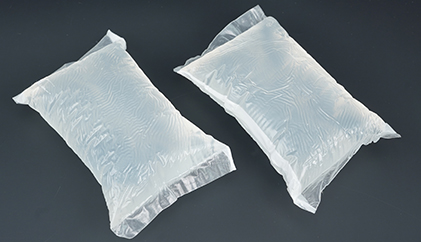
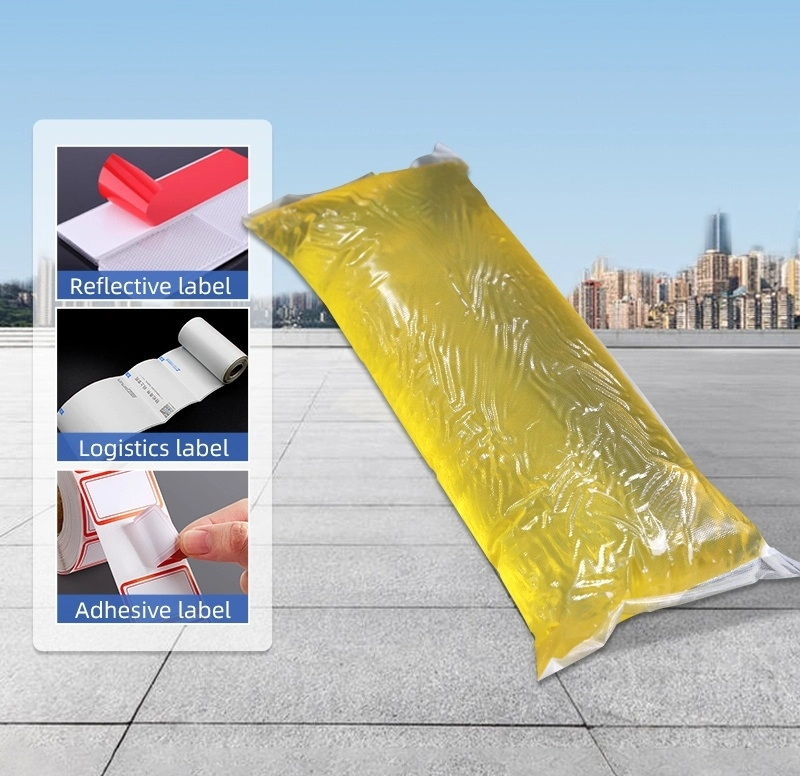
Enter high-tack HMPSA: a game-changer for sticky situations. This stuff’s designed for pressure-sensitive apps, melting at application temps around 150-180℃ and cooling to form a bond that’s tough yet flexible. Unlike water-based glues that need drying time, HMPSA goes on hot and sets fast, perfect for automated lines.
What makes it shine? It’s all about that balance of initial grab and long-haul strength. High-tack versions deliver instant adhesion, so labels stick flat from the get-go, no shifting or bubbling. Over time, it maintains peel strength, resisting pulls that cause curling.
In flexible packaging, where materials bend and twist, HMPSA’s rubber-based formula – often synthetic – absorbs those movements without cracking. It’s got low odor, no solvents, and meets eco standards, which is a win if you’re aiming for green creds.
Key Properties of High-Tack HMPSA
Let’s break it down. First, viscosity: around 800 cps at 180°F means it flows even for uniform coating, no clumps or gaps that lead to weak spots.
Softening point? 60-80℃ keeps it stable across temps, so no softening in heat that causes wrinkles. Tack level is key – it provides that “snap” adhesion to plastics like PP and PE, ensuring edges stay down even in humid spots.
Environmental adaptability? Check. Good low-temp sensitivity means it performs in winter cold without brittleness. Plus, it’s eco-friendly, cutting VOCs and waste.
Here’s a quick look at core properties in a table for easy reference:
|
부동산 |
Description |
Benefit Against Issues |
|
초기 타크 |
Strong grab on contact |
Prevents shifting during apply |
|
Peel Strength |
High ultimate bond |
Resists curling over time |
|
유연성 |
Absorbs substrate movement |
Reduces wrinkling from flexing |
|
Temp Resistance |
Stable from low to high temps |
Handles storage/transport swings |
|
점도 |
Uniform flow at 800 cps |
Even coverage, no weak edges |
These aren’t just specs – they translate to real savings. In one bottling setup, switching to high-tack HMPSA dropped defect rates by 20%, thanks to better hold on curved surfaces.
Real-World Applications and Benefits
High-tack HMPSA thrives in tough spots. In beverages, it’s a staple for PET bottles with PE labels. Imagine mineral water lines: labels apply at high speed, stay wrinkle-free through filling, capping, and shipping. No more edges lifting in humid warehouses.
Food packaging? For edible oil bottles, it bonds PP labels to HDPE without oil migration weakening the hold. A producer reported fewer complaints after the switch, with labels holding up in kitchen heat.
Daily chems like body wash get a boost too. Flexible squeeze bottles flex without curling edges, keeping branding sharp.
Benefits stack up: faster lines (up to 30% throughput boost), less waste, and happier end-users. It’s not hype – industry pros swear by it for cutting callbacks and building loyalty.
Choosing the Right Adhesive for Your Needs
Picking HMPSA isn’t one-size-fits-all. Start with your substrate: PE labels on PP bottles? Go for high-tack with proven compatibility.
Consider line speed. High-viscosity options suit slower ops, but low-vis works for fast ones.
Test for environment: if products ship globally, prioritize temp-resistant formulas.
Here are some tips in bullets:
- Sample first: Run trials on your equipment to check tack and hold.
- Factor in costs: Better adhesion means less rework, offsetting initial price.
- Customize if needed: For unique challenges, like ultra-flexible packs, tweak formulas.
- Check compliance: Ensure it’s food-safe or low-VOC for your market.
Nail this, and you’ll see smoother ops and stronger brands.
About Banglin: Your Trusted Hot-Melt Adhesive Supplier
방글린 Adhesive, based out of Hangzhou since 2005, stands as a go-to source for hot-melt products. As a high-tech enterprise with a 15,000-square-meter factory and 100-ton daily output, they crank out reliable HMPSA, APAO, and hygiene adhesives for over 4,500 customers in 100+ industries. Their R&D crew, with 30 years under their belts, cooks up custom formulas in a cutting-edge lab, backed by patents and top gear like rheometers. From labels to packaging, Banglin delivers one-stop solutions – think tailored bonds that amp up performance and trim costs. They’ve got your back with tech support, quick delivery, and eco-friendly options, making them a solid partner for tackling adhesive headaches.
결론
Tackling wrinkling and edge curling in plastic labels boils down to smart adhesive choices. High-tack HMPSA delivers the grip and flex needed for flexible packaging, keeping things smooth from production to shelf. With real perks like lower defects and better efficiency, it’s worth a look if you’re in the mix.
FAQ는
What causes plastic labels to wrinkle on flexible packaging?
Wrinkles often pop up from temp changes or humidity, where the label and container expand differently. High-tack HMPSA helps by flexing with the materials, keeping bonds intact without creases.
How does high-tack HMPSA prevent edge curling?
It grabs strong right away and holds peel strength over time, stopping edges from lifting even in tough conditions like vibration or moisture. In beverage bottles, for instance, it ensures labels stay flat through shipping.
Is high-tack HMPSA suitable for food and beverage applications?
Absolutely. Its solvent-free, low-odor formula meets safety standards, making it ideal for PET bottles or HDPE food jars without risking contamination or weak bonds.
Can high-tack HMPSA handle high-speed production lines?
Yes, with viscosity tuned for even coating at speeds up to hundreds per minute, it boosts efficiency while dodging issues like shifting that lead to curling.
Where can I get custom high-tack HMPSA for my packaging needs?
Banglin Adhesive offers tailored options – reach out for samples and tweaks to match your substrates and challenges.
 상담
상담
 WhatsApp의
 메시지 남기기
 상단
상단