






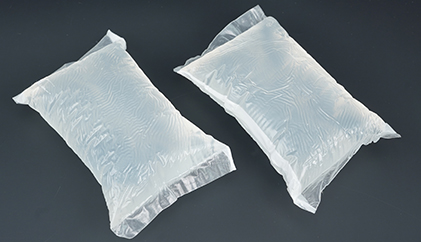

How to Choose Hot Melt Adhesive for Courier Bags: Sealing PE, Coated Paper, and Recycled Film
A courier bag can close convincingly at the packing bench and still leave the buyer with unanswered questions: will the seal hold through the intended journey, and what should happen when the recipient opens it? Choose courier bag adhesive based on the actual sealing surface, the required opening behavior, and a documented production trial. PE film, a coated paper face, and a recycled-film construction should each have their own sample record. A supplier’s application list is a starting point for that work, rather than approval of every bag made from those material families.
Which surface will the courier bag adhesive actually contact?
Begin with the two faces that meet at the closure, including any coating on them.
PE and recycled-film sealing faces
Ask the converter to identify the film grade, supplier, material batch, and sealing face on the trial sheet. For recycled film, retain the actual production sample instead of substituting an available virgin-film sample. The express-bag adhesive application page specifically discusses wetting on PE and PP bags containing recycled material. Use that application scope to shortlist a candidate, then check its performance on your film.
Coated paper is a separate trial surface
Record whether the adhesive touches paper itself or a coated face. Keep these samples separately labeled, even when both are sold as paper mailers. A kraft-paper application reference does not establish compatibility with every paper coating. Request a trial on the finished bag construction, with the actual closure overlap and adhesive placement, before adding coated paper to the approved material list.
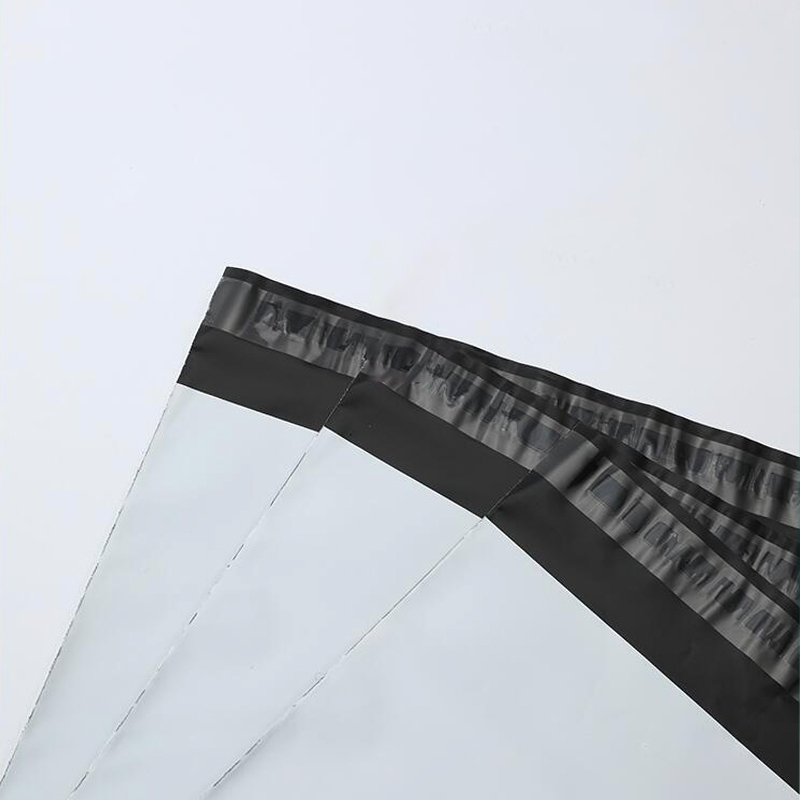
How should a seal behave when the recipient opens it?
Set the desired opening result before comparing samples or discussing a stronger formulation.
Specify the opening requirement
Write down whether the closure should be reopenable or designed for single use. For a single-use design, agree on the acceptable opening appearance with the bag supplier and customer. Photograph the result during evaluation. Avoid describing a closure as tamper-evident merely because it feels difficult to pull apart; make any such claim dependent on the agreed package evaluation.
Separate initial tack from holding performance
Initial tack concerns bonding at first contact; holding evaluation concerns behavior under sustained loading. Include both in the selection discussion. A quick hand press can be a useful observation, but should not be the entire approval record. Ask the supplier how the proposed test distinguishes immediate closure from the bag’s later holding requirement.
Which coating variables belong in the production trial?
A useful trial records how the adhesive was applied as well as which adhesive was used.
Record the application route
Pressure-sensitive hot melts can be processed by spraying, slot-die coating, or roll coating. Confirm which route applies to the proposed grade and your equipment. Record the machine settings and actual material combination used for the trial. Obtain the grade-specific processing recommendation before choosing temperatures; a general product-family description should not become a machine setting by default.
Check coat weight and liner release
Coating weight is controlled through application variables that can include roller or blade speed, nozzle size, and adhesive viscosity. Record the selected settings and measured coating result together. If the closure uses a release liner, evaluate its removal separately. ASTM D3330 identifies liner-removal force as a distinct measurement and notes that the result changes with peel rate. Ask the test provider to state the method and rate used.
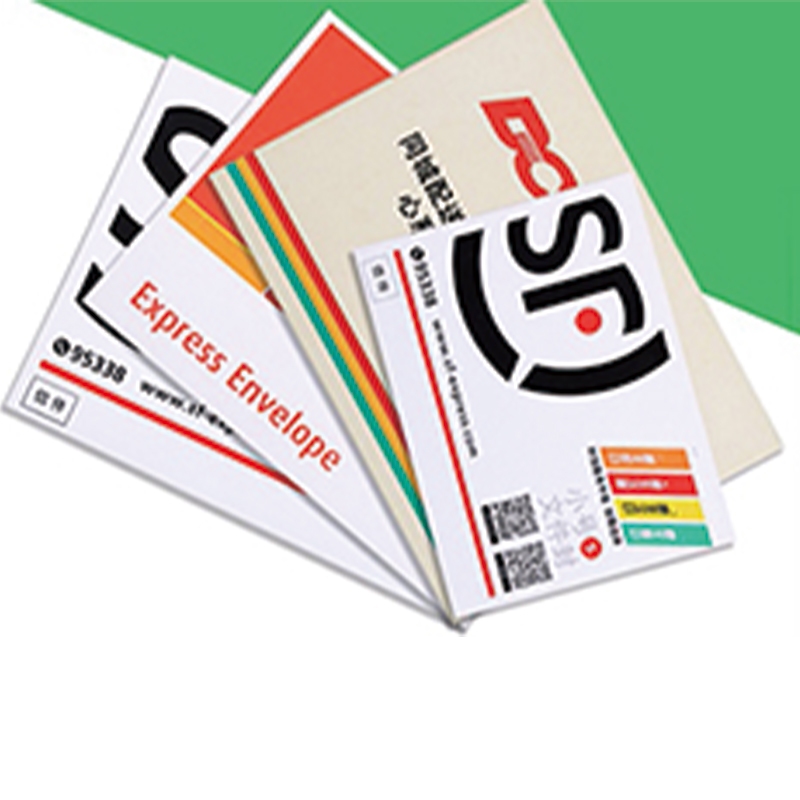
How can you qualify the seal for its delivery route?
Build the evaluation around the bag’s intended handling conditions and a repeatable sample construction.
Compare actual bag constructions
Request testing on representative sealing surfaces, with the laboratory confirming the method’s suitability. ASTM D3330 describes using representative surfaces to assess a given tape’s relative adhesion. It also cautions against treating peel values from different tape constructions as straightforward performance rankings. Keep construction details beside the figures so that procurement does not compare numbers stripped of their test conditions.
Include the expected transport conditions
Ask the logistics customer to define the temperature exposure, storage period, and handling sequence that matter for the order. Use those requirements to agree on a trial schedule with the adhesive supplier. Inspect the closure after the agreed sequence and record separation, visible adhesive movement, and opening behavior if observed. This is a project evaluation plan, not a universal temperature or service-life claim.
What evidence should release a new material batch?
Give purchasing a short acceptance record that can be checked against subsequent deliveries.
Start small and preserve the trial record
The express-bag product guidance recommends a small production trial before moving to large-scale use of a new batch. Retain labeled bag samples, material identities, adhesive identification, processing settings, and the evaluation result. If a later sample differs, compare it with that record before deciding whether to adjust the adhesive or investigate another part of the construction.
Agree on acceptance before ordering
Set the required result, test conditions, and responsibility for review before a bulk order. Where sustained-load testing is proposed, remember that ASTM D3654’s steel-panel result may not describe adhesion to another surface. Put the actual bag qualification beside any laboratory control result. Include a clear instruction to review changes in film, paper coating, liner, or adhesive grade with the supplier.
How can BoiLing support a courier-bag sealing trial?
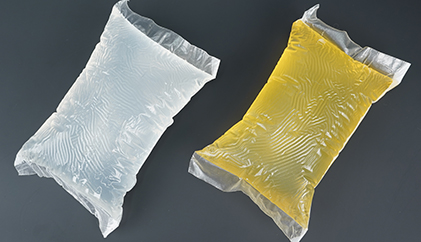
BoiLing supplies hot melt adhesives for applications including bags and logistics packaging. Its express-bag product information covers PE-based sealing applications, while its technical support scope includes application advice, equipment troubleshooting, and process optimization. Buyers can discuss customized formulations and request samples after agreeing on performance and testing requirements. For a useful first discussion, provide the sealing-face samples, bag construction, coating method, release liner, and intended delivery conditions. Ask for the matching technical information and a proposed evaluation plan. Use the technical service information to prepare that discussion, then base the purchasing decision on the trial for your particular bag rather than a general product description.
Wniosek
Select courier bag adhesive by documenting the sealing surface, opening requirement, coating process, and delivery conditions as one application. Keep PE, coated paper, and recycled-film samples identifiable throughout evaluation. Compare initial closure, holding behavior, and liner release under agreed conditions, then preserve the accepted construction and process record. Before placing a bulk order, send the actual materials and trial requirements through the application inquiry page. The next decision should be a defined sample trial with acceptance criteria that purchasing and production both understand.
Często zadawane pytania
Can one courier bag adhesive cover virgin and recycled PE?
It may be a candidate for both, but qualify each actual film. Provide material identities and representative samples, and record the outcome separately before including both constructions in the purchasing specification.
Does a kraft-paper result qualify coated paper?
No. Identify the face that contacts the adhesive and test the finished coated construction. Keep the coating description and sample identity in the trial record instead of relying on the paper-family name.
Is higher peel strength always the purchasing target?
Set the required opening behavior first. Peel testing supports defined acceptance criteria, but a larger value alone does not establish that the bag closure meets every handling or opening requirement.
Should release-liner force be checked separately?
Yes. Treat liner removal as a separate evaluation and record the peel rate. ASTM D3330 distinguishes this measurement from adhesion to the receiving surface and notes its dependence on removal speed.
What should accompany an adhesive sample request?
Send the bag construction, actual sealing materials, coating equipment details, liner information, intended transport conditions, and acceptance requirements. Ask the supplier to confirm the proposed grade and trial conditions before production evaluation.
 Skonsultuj się
 aplikacji Whatsapp
 Zostaw wiadomość
 góra
góra