






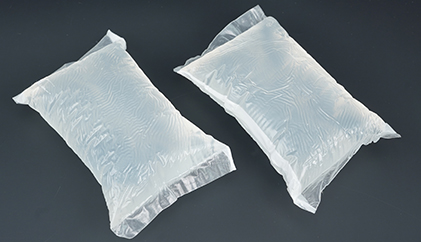

Express Bag Hot Melt Glue: 4 Key Advantages Over Standard
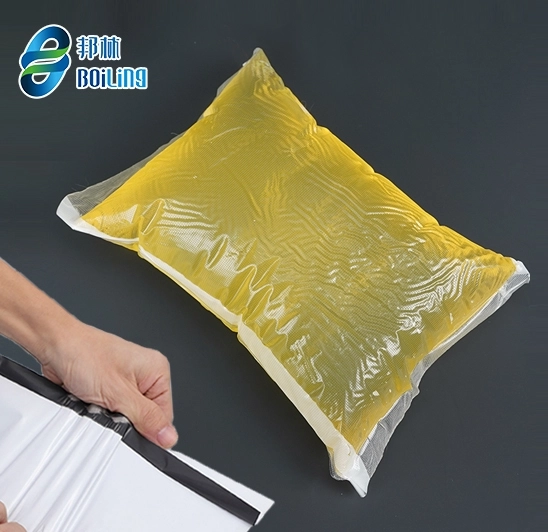
In the fast-paced world of logistics and e-commerce, a single failed seal on an express bag can snowball into returns, angry customer emails, and extra shipping costs. You’ve seen it: packages arrive torn open, contents spilled, or worse, lost in transit. The adhesive holding that bag together often decides whether your shipment makes it intact or becomes a headache.
Many operations still rely on standard packaging adhesives—those general-purpose hot melts or tapes meant for cartons or light-duty sealing. But when it comes to express bags—those lightweight PE/PP courier envelopes that bounce around trucks, planes, and sorting facilities—a dedicated express worek gorący klej topiony changes the game.
Here are four key differences between a specialized express bag hot melt glue and standard packaging adhesives. These aren’t minor tweaks; they hit your costs, customer satisfaction, and operational efficiency directly.
1. Temperature Resistance: Handling Real-World Transit Extremes
Shipping doesn’t happen in a nice steady room. Bags leave cold docks in January. They bake inside hot trailers in July. They sit in hubs where the temp jumps around like crazy.
Regular packaging adhesives often can’t take it. Many get designed for calm warehouse conditions—carton sealing at room temperature. Drop below freezing and they go stiff and crack when things shake. Heat them past about 120°F and they start to sweat oil or get soft. Then the seal just gives up.
A good express bag hot melt glue stays tough and bendy across a much wider range. It holds strong from roughly -5°F all the way up to 140°F once it sets. No cracking when it’s freezing. No oozing when it’s hot. Teams running northern routes tell the same story. They used to see tons of winter failures—bags splitting because the glue turned brittle overnight. After switching, those complaints almost disappeared.
The result is simple. Far fewer damaged shipments. One medium-sized online seller tracked their numbers. Returns from bad seals dropped more than 30 percent after the change. That’s serious cash you stop throwing away on refunds and replacement orders.
2. Long-Lasting Bond Strength: Keeping Seals Closed Through Rough Handling
Express bags get beaten up bad. They fly onto fast-moving belts. They sit crushed under heavy stacks. They rattle around in trucks for hours on end. Quick stick at first is nice. But real strength shows up later—after vibration, after pressure, after time.
Standard glues might grab fast. Yet that grip often fades when shear forces keep working on it. You start seeing zipper-style failures. The edge pops open bit by bit. Contents fall out.
A dedicated express bag hot melt glue gets the balance right. It grabs hard right away so machines can run quick. Then it holds tight against creep and peeling all the way through delivery. It spreads nicely even on tough spots—recycled plastic, leftover ink, greasy fingerprints from handling.
Picture a busy fulfillment center cranking out ten thousand bags every shift. With ordinary glue, they might lose two to five bags out of every hundred to weak bonds. Switch to the right product and that number falls below half a percent. Less cleanup. Fewer angry calls saying “my package came open.” Better star ratings.
3. Material Compatibility: Bonding to Modern Bag Stocks Without Drama
Express bags aren’t all the same anymore. Plenty now use recycled plastic to save money and look greener. Some mix fresh PE with old stuff. Others carry heavy printing that messes with glue.
Regular packaging adhesives usually work best on clean, brand-new surfaces. Put them on recycled or printed bags and they struggle. The glue doesn’t spread evenly. Bonds end up patchy. Sometimes the whole seal lifts right off.
Express bag hot melt glue gets made for exactly these bags. It wets out smoothly on recycled PE and PP. It sticks well to mixed batches—new and old plastic together. It handles LDPE films and ink-covered areas without problems. Seals come out solid every time, no matter what batch rolls in.
Operators dealing with inconsistent bag stock notice the change fast. They stop rejecting whole loads because “the glue won’t hold.” Lines run without constant stops. Scrap goes way down. Peak season doesn’t turn into a nightmare of resealing.
4. Overall Cost Impact: Reducing Hidden Expenses in Logistics
Specialized glue sometimes costs a little more per pound at first glance. Look closer and the picture flips.
Lower return rates from torn bags and spills cut refund payouts. Fewer customer service tickets come in—no more “it arrived damaged” or “package was open.” Machines jam less because there’s no stringing or char buildup. Packing moves faster when seals stick the first try.
One logistics outfit ran the numbers after switching. Their adhesive bill went up about 15 percent. But every cost tied to packaging failures dropped around 40 percent. When you ship thousands of parcels a day, that math adds up quick.
Cheap glue saves a few cents today. It costs you dollars tomorrow through claims, lost trust, and extra work. The right express bag hot melt glue turns that around.
Introducing Bangli
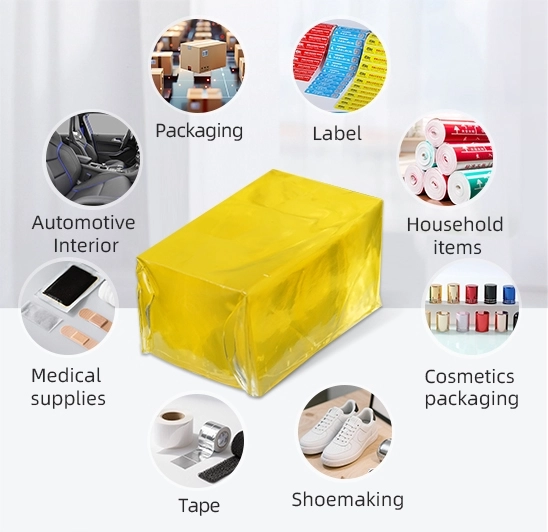
Hangzhou Boiling Adhesive Technology Co., Ltd. (brand: Banglin) has been developing hot melt adhesives since 2005. As a national high-tech enterprise, they focus on pressure-sensitive hot melts tailored for real-world challenges—like logistics packaging.
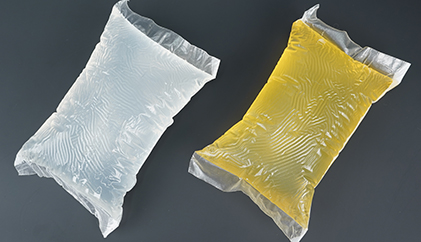
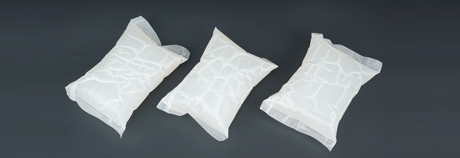
Their express bag hot melt glue stands out for its thermoplastic rubber base, delivering that critical mix of quick grab, lasting hold, and temperature stability. With a large R&D team, advanced testing equipment, and production capacity exceeding 100 tons daily, Boiling supplies customized solutions to thousands of customers across China and exports to Southeast Asia and the Middle East.
They prioritize stable quality, eco-friendly formulas (low VOC, odorless, ROHS/REACH compliant), and hands-on support to match adhesives to specific lines and materials. For operations serious about cutting packaging failures, Boiling delivers adhesives built for the job.
Wniosek
Picking the correct adhesive isn’t just about the lowest price tag. It’s about keeping shipments safe, protecting your name, and holding onto your profits. In express logistics—where bags face wild temperature changes, rough treatment, and all kinds of materials—ordinary packaging adhesives usually come up short.
A real express worek gorący klej topiony tackles those exact problems. It gives better temperature toughness, bonds that won’t let go, wide material forgiveness, and clear savings when you count everything. Switch over and failure rates drop fast. Customers stay happier. Your bottom line starts looking better.
Ready to run a trial on your own line? The improvement shows up quick—often in the very first truck that leaves.
Często zadawane pytania
What makes express bag hot melt glue different from regular packaging hot melt adhesives?
Express bag hot melt glue gets built just for courier bags. It handles cold and heat way better (-5°F to 140°F range). It keeps a strong grip even with lots of shaking. And it sticks great on recycled plastic or printed surfaces. Standard adhesives do okay on boxes but crack, leak, or fail when bags travel long distances.
How does express bag hot melt glue prevent bag ruptures during shipping?
It creates a solid bond that fights pulling and vibration the whole trip. It stays flexible in freezing weather and doesn’t run in heat. Those features keep seals closed tight—cutting torn bags, spills, and return headaches.
Can express bag hot melt glue work on bags with recycled materials?
Absolutely. It spreads evenly and sticks hard on recycled PE and PP, mixed old-and-new plastic, LDPE films, and bags covered in ink. You get reliable seals even when bag quality changes from one pallet to the next.
Does using express bag hot melt glue increase overall shipping costs?
The glue itself might cost a bit more upfront. But most operations see total costs drop because returns fall, complaints shrink, rework disappears, and packing speeds up. Savings often show up within a few months.
What’s the best application temperature for express bag hot melt glue?
Aim for 150–180°C at the melter. Keep the glue pot around 160–170°C and hoses/nozzles between 165–175°C. That range gives smooth flow and strong bonds without strings or burnt spots on high-speed lines.
 Skonsultuj się
 aplikacji Whatsapp
 Zostaw wiadomość
 góra
góra