





End Delamination in Athletic Shoes The Role of High Initial Tack in Sponge & Fabric Bonding
Picture this: a fresh run of athletic shoes hits the retail floor, looking sharp with plush sponge cushioning in the heel and tongue. Two weeks later, returns start rolling in—customers complaining that the lining has shifted or bubbled up after a few runs. Delamination like that isn’t just annoying. It kills repeat business and leaves factory managers staring at piles of rework.
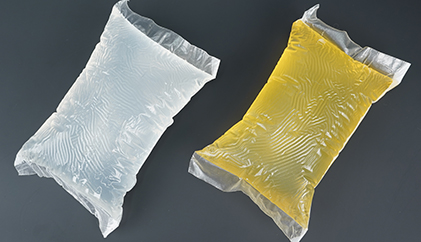
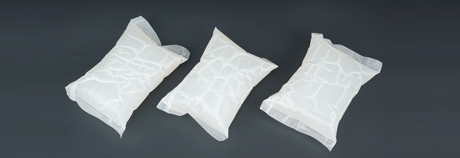
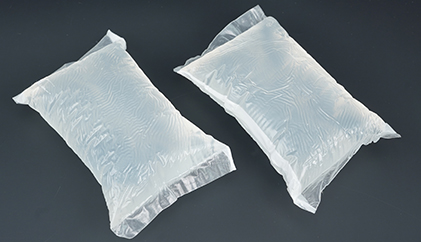
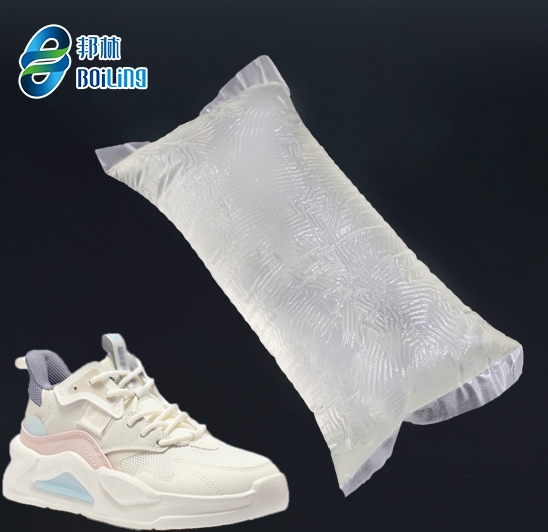
For shoe manufacturers pushing out thousands of pairs a day, keeping sponge bonded tight to fabric or upper materials is non-negotiable. That’s exactly where a well-formulated sapatos fazendo cola quente derretente shines, especially one built around strong initial tack. It grabs hold the second the materials touch and stays put through the rest of the line and beyond.
This article breaks down the real mechanics behind delamination, why initial tack makes all the difference, and how the right glue turns a common headache into a non-issue on high-speed footwear lines.
The Real Pain of Delamination in Athletic and Casual Shoes
Delamination shows up when bonded layers separate under flex, moisture, or repeated impact. In athletic shoes, the sponge in the heel counter or front lining takes a beating—every stride stretches the upper, sweat softens things, and heat from the foot accelerates creep.
Casual shoes face similar issues on a lighter scale: lightweight men’s sneakers or women’s flats rely on sponge padding for that cushy feel, but if the bond slips even slightly during assembly, you end up with wrinkles or loose spots that customers notice right away.
The cost adds up fast. One misplaced sponge panel can scrap an entire upper. On a line running 1,200 pairs per shift, even a 5% reject rate means real money down the drain—plus overtime to fix it. Worse, it damages the brand when shoes fail in the field.
Traditional solvent-based glues used to mask these problems with longer drying times and clamps, but today’s factories can’t slow down for that. Modern sapatos fazendo cola quente derretente changes the game by locking materials instantly.
What High Initial Tack Actually Does for Sponge & Fabric
Initial tack is the immediate adhesive force that develops the moment the hot glue contacts the surface—before it fully cools and sets. Think of it as the “first handshake” that decides whether everything stays aligned.
In sponge-to-fabric bonding, sponge is porous and springy while fabric stretches. Without quick grab, the sponge slides the second pressure is released or the piece moves to the next station. A high-initial-tack sapatos fazendo cola quente derretente solves this because its thermoplastic rubber base, combined with carefully chosen tackifiers, creates instant surface wetting and grip.
The result? Sponge stays exactly where you place it—whether it’s the heel counter in a running shoe or the tongue padding in a skateboarding sneaker. No more chasing edges or re-positioning under the press.
Fast Curing That Matches Real Production Speeds
High-speed shoe lines don’t wait around. Once the glue is sprayed or rolled at 150–180 °C, it needs to set fast enough for the next operator to keep the rhythm.
This shoes making hot melt glue delivers a short open time and rapid cooling thanks to its moderate viscosity (1,000–1,500 cps at 180 °C). It flows smoothly through spray nozzles without stringing or sagging, then solidifies in seconds. Factories report the bond is stable enough for immediate stitching or lasting within 10–15 seconds.
The softening point sits at 80–85 °C, giving enough heat resistance for normal storage and shipping while still allowing clean application. Because it’s 100 % solids—no solvents—it skips the VOC headaches and drying tunnels that older methods required.
Real Examples from the Floor
Take a typical athletic shoe run: operators spray the inner fabric upper, lay the sponge heel counter, and send it down the conveyor. With solid initial tack, the sponge doesn’t budge when the piece hits the side-wall press or gets flipped for stitching. End result—clean, consistent heels that hold up through 500+ miles of running.
In casual shoes, the story is similar but focused on comfort. Lightweight women’s sneakers use sponge lining in the forefoot for cushion. The glue holds that thin layer flat during boxing and transport, so the shoe arrives looking plush instead of lumpy.
One mid-sized factory making children’s athletic shoes told us their reject rate for lining displacement dropped from 8 % to under 1 % after switching to a high-tack hot melt. They kept the same spray equipment and actually sped up the line by 12 % because they no longer paused to reposition parts.
Key Properties at a Glance
|
Propriedade |
Typical Value |
What It Means for You |
|
Viscosity @ 180 °C |
1,000–1,500 cps |
Smooth spray or roll, no clogging |
|
Ponto de Softening |
80–85 °C |
Stable in warehouse, easy to apply |
|
Temp da aplicação |
150–180 °C |
Trabalha com equipamento padrão de derrete quente |
|
Ataque Inicial |
Very high |
Instant positioning, zero shift |
|
Bond Type |
Soft & flexible |
Preserves sponge resilience and feel |
|
Hora aberta |
Short |
Perfect for high-speed lines |
These numbers translate directly into fewer headaches on the line and happier customers at retail.
Why the Rubber Base Matters
The thermoplastic rubber foundation gives this glue its unique balance: strong enough to fight delamination yet soft enough that the sponge keeps its bounce. Peel strength and holding power sit in the sweet spot—enough to survive flex testing but never so rigid that the shoe feels stiff.
It also plays nice with common shoe materials: EVA sponge, mesh fabrics, synthetic leathers, and even some natural textiles. No special primers needed in most cases.
Banglin: A Reliable Hot-Melt Adhesive Products Supplier
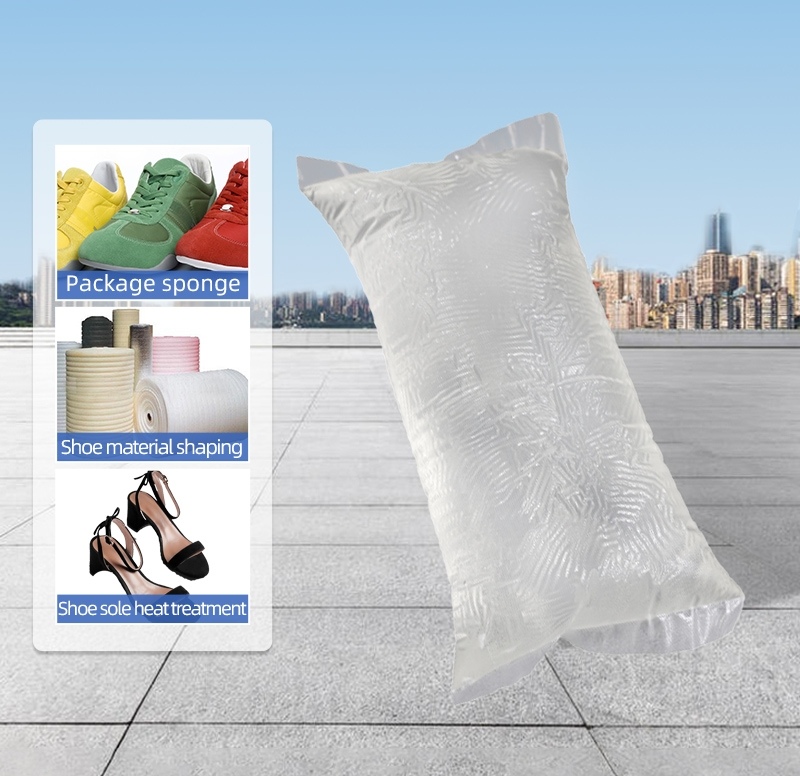
When factories look for consistent performance in shoes making hot melt glue, many turn to Banglinworld. kgm. Founded in 2005 and based in Hangzhou’s Future Science Industrial Park, Banglin operates a 15,000 m² facility with daily output topping 100 tons. They hold national high-tech status and run a dedicated R&D center equipped with advanced rheometers and guided by PhD-level expertise.
Banglin specializes in adesivos de derrete quente sensíveis à pressão, including tailored formulations for footwear. They support full ODM and OEM runs (minimum 2,000 kg), custom colors, block sizes, and packaging with your own branding. Beyond production, their team offers sample testing, application troubleshooting, and long-term technical support—exactly what busy shoe lines need when tweaking a new style or material.
Conclusão
Delamination doesn’t have to be part of your production story. By focusing on high initial tack and fast curing in your sapatos fazendo cola quente derretente, you keep sponge and fabric exactly where they belong—right from the first spray through the customer’s first marathon. The science is straightforward, the results are measurable, and the difference shows up in fewer rejects, smoother lines, and stronger shoes.
If your current bonding solution leaves any room for movement, it might be time to test a formulation built specifically for today’s footwear demands.
Perguntas Frequentemente Fazidas
What exactly is shoes making hot melt glue and how does it stop delamination?
It’s a thermoplastic rubber-based adhesive designed for bonding sponge to fabric and other shoe components. Its high initial tack grabs materials instantly after application, preventing any shift or separation during assembly and wear—especially in athletic shoes where flex and impact are constant.
Why is initial tack more important than final bond strength for sponge bonding?
Final strength develops over time, but on a fast-moving line you need the bond to hold the second the sponge touches the fabric. Strong initial tack locks everything in place immediately, so nothing moves during pressing, stitching, or packing.
Will this glue keep up with our high-speed production line?
Absolutely. With short open time, low viscosity for clean spraying, and rapid cooling, it fits lines running 1,000+ pairs per shift. Most users see cycle times improve because they eliminate repositioning steps.
Which shoe parts work best with shoes making hot melt glue?
It excels on heel counter sponge, front lining, tongue padding, and insole composites—anywhere soft sponge needs to stay fixed to fabric or synthetic uppers in both sports and casual styles.
How can we try this glue in our own factory?
Banglin offers samples for side-by-side testing on your equipment and materials. Their team can also develop custom tweaks for your exact substrates or line speed—just reach out for details.
 Consultar
 Whatsapp
 Deixar Mensagem
 cima
cima