






Tabela de Conteúdos
Notícias relacionadas
5 Things to Check Before Buying Hot Melt Adhesive Blocks for Carton Sealing
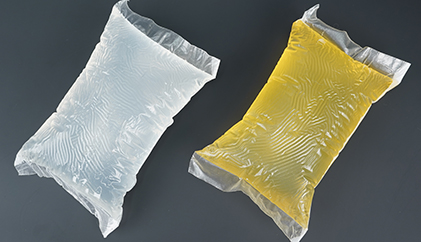
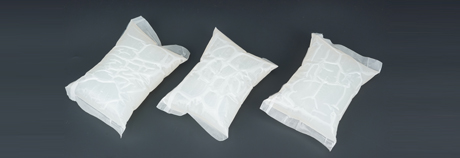
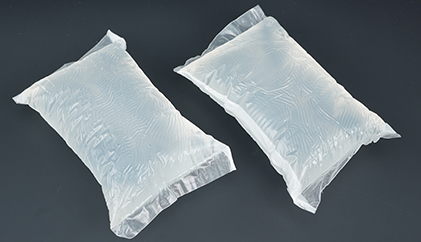
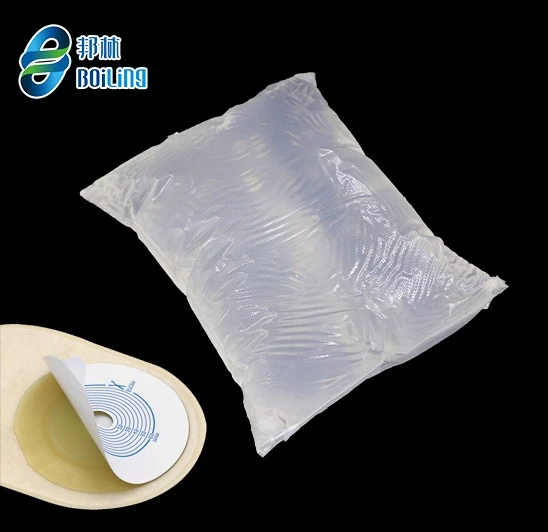
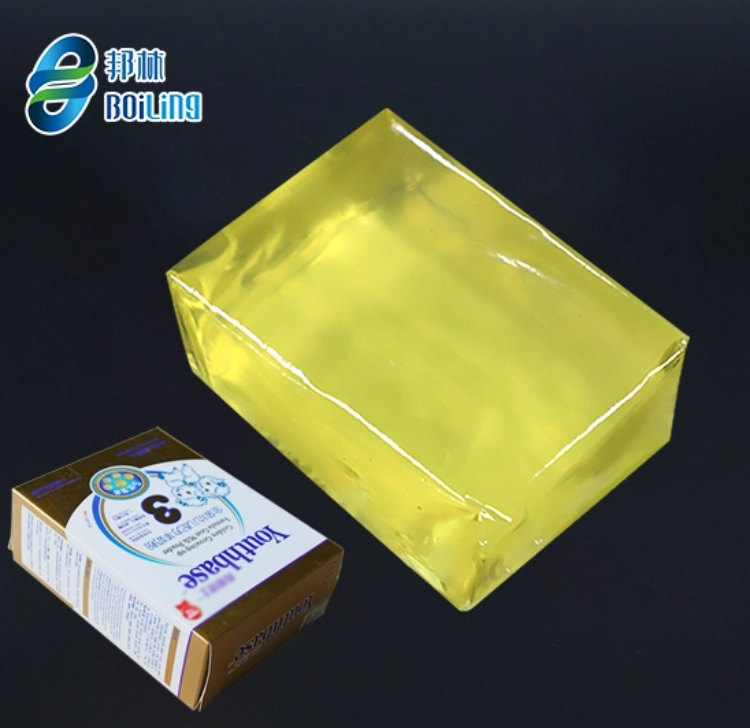
Carton sealing looks like the easiest glue job in a packaging plant until a pallet of sealed cases arrives at a customer with flaps hanging open. The glue itself (a hot melt adhesive block for corrugated flaps) is one of the cheaper inputs in your line; the claim you pay for is that it closes flaps at your speed and stays closed. Before a supplier’s sample ever enters your melter, five checks decide whether the trial means anything: open time against your actual cycle, stringing behaviour at the nozzle, adhesion on recycled or coated board, the temperature window your cases will really survive, and batch records behind every drum. A carton sealing grade like BoiLing BL-8A3 publishes most of these numbers, and a serious supplier should answer all five without hedging.
Two Machine-Side Checks Before Your Trial
Open Time Has to Match the Slowest Second in Your Cycle
Open time is how long the molten bead stays able to bond after it lands on the flap. BoiLing’s packaging grade BL-8A3 is a quick-drying formula in the 10 to 60 second band, and both ends of that range are normal answers; the wrong one for your machine is what hurts.
Every case has a delay between glue and press somewhere (a flap folding station that drifts, an accumulation table, a manual loading step on a slow shift), and that delay plus the bonding time has to fit inside the open time with room left over. Buy a 12-second glue for a press that arrives 15 seconds late and you get sealed-looking flaps that peel apart in transit, the classic pop-open claim pattern. A long open time is not a free upgrade either; the bond then needs longer to reach handling strength before the case moves down the conveyor. A supplier who asks about your case rate, flap press dwell and loading method before quoting open time is doing it right.
Stringing Eats Hours You Did Not Budget For
Stringing is the phenomenon where the bead refuses to snap cleanly off the applicator and spins long threads that dangle into the case stream. On a fast line it means cleaned nozzles, jammed folders and operators sweeping glue off printed cartons all afternoon. The honest answer is that stringing is a system problem (formula, nozzle-to-flap distance, tank temperature working together), so a good supplier should discuss all three instead of pointing only at the glue. What you can demand from the product side is a low-stringing grade. BL-8A3 is specced with no stringing as a design feature alongside its bonding strength and thermal stability. Ask for a run at your line speed on their demo equipment, or trial 1 to 2 kg of free samples on yours, and count the stops yourself.
Your Recycled Board Is Not Their Test Board
Corrugated is not one surface. New virgin board drinks melt happily. What you run may carry recycled fiber with a different porosity, or a clay coating that sits on top like a skin, or a waxy moisture barrier on freezer cases, and each one changes how the bead wets. A 1000 to 3000 cps wet viscosity at 180°C (the BL-8A3 band, tuned per model) is what does the wetting, and it needs to be matched to your board, not to an average board.
Send the supplier actual case blanks from your current purchase lot, not a clean sheet from the internet. BoiLing’s R&D center works application-specific formulas on customer substrates, which is exactly what a formula tweak for recycled-heavy board is. Two board questions worth asking in the same email: does the grade need a heavier coat on your flute profile, and what does the coating weight per metre become. The range splits by job, and a dedicated carton sealing glue page covers the plain RSC sealing case while the packaging adhesive lineup lists the freezer case variant, because a cold storage case is a different conversation than a dry warehouse one.
What Is the Real Temperature Window of Your Cases?
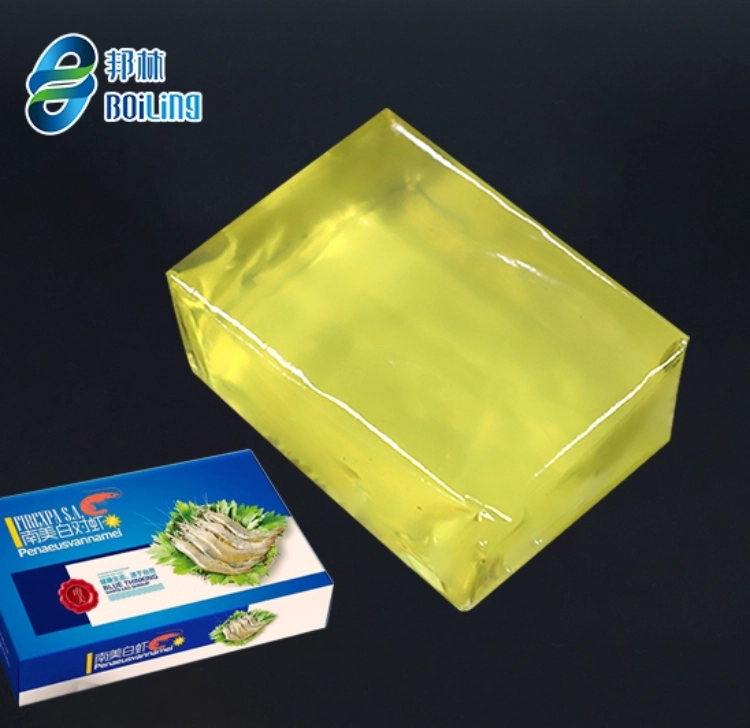
Check both ends. The factory floor is the easy end; the glue works at a recommended operating range of 150 to 180°C in the tank and that is settled hardware. The hard end is what sealed cases meet afterwards, and 70 to 90°C softening point (BL-8A3) is the ceiling number to plan against: a case stacked black-side-up behind a loading dock in August is a real stress test, as is a container deck on a summer crossing. The same series is specified to resist high and low temperatures across normal shipping conditions, and the softening point figure plus the storage temperatures of your trade lanes is what makes that claim verifiable. Say your worst destination and your worst month out loud to the supplier and see whether the recommended grade changes. If the answer never moves regardless of the story you tell, they are selling from a price list.
|
What to put in writing |
BL-8A3 typical figures |
What to hold against it |
|
Hora aberta |
Quick-drying, 10 to 60 seconds |
Your flap-press dwell, measured with a stopwatch |
|
Wet viscosity |
1000 to 3000 cps at 180°C |
Your board: virgin, recycled, coated, waxed |
|
Ponto de suavizamento |
70 to 90°C |
Hottest lane or dock your sealed cases see |
|
Cordas |
Specified low-stringing |
Nozzle distance and tank temp at your line speed |
Batch Records Decide Whether Your Good Trial Stays Good
The first drum is never the problem. Buyers get burned on drum thirty, when a slightly different raw material lot changes tack and nobody can point at why. That is why the paperwork behind the glue deserves as much scrutiny as the glue. BoiLing ties production to an ISO 9001 system with SAP, MES and cloud barcode tracking, so a batch can be traced back to its material lots, and a rheometer imported from the United States in the R&D center simulates flow behavior under line-like conditions instead of trusting a single-point viscosity cup. Environmental files (SGS testing, RoHS, REACH, PAHs with 18 items) come from the same batch discipline. Since 2005 the company has run a 10000 square meter workshop with 15 production machines at 25,000 tons yearly capacity out of Hangzhou, exporting to Southeast Asia, the Middle East and South America through BoiLing, and that scale is what makes a traceable lot practical rather than a courtesy.
Before any purchase order, run the numbers yourself: your measured press dwell, your actual board sample, your worst shipping lane. A supplier who engages seriously with the measurements is worth the sampling round. If the technical side of your questions keeps getting routed to a sales desk, the página de contato is where formula engineers answer faster.
FAQ
What minimum quantity do carton sealing blocks ship at?
Standard grades run a 500 to 1000 kg MOQ. When the formula gets adjusted for your board or your climate, it counts as custom development and the floor usually moves to 2 to 3 tons, confirmed per request by the sales team.
How should blocks be stored between orders?
Cool and dry beats everything else; the shelf life runs 12 to 24 months depending on the base chemistry of the grade. Keep opened cartons closed against humidity and keep the production date visible on every pallet.
Can block weight and packing fit a melter and dock?
Both are adjustable. Blocks cast in sizes from 0.45 to 6.25 kg so they sink properly into your tank without bridging, and delivery comes as 15 to 25 kg cartons or 500 to 1000 kg pallets, wrapped in release film or release paper with your labeling if you want it.
 Consultar
 Whatsapp
 Deixar Mensagem
 cima