






Automotive Hot Melt Adhesive for High-Speed Lines: Open Time & Cycle Time Optimization
Picture a busy automotive assembly line running at 2 a.m. Robots zip back and forth. Parts keep rolling down the conveyor every few seconds. Then the gluing station runs into trouble. The adhesive sits too long before it grabs, or it hardens before the next panel lines up just right. All of a sudden the whole line drags. That one spot turns into the headache everyone wants to avoid.
Process engineers see this situation all the time. On fast automotive lines, automotive hot melt adhesive can decide whether your takt time stays solid or falls apart. Get the open time and setting speed dialed in correctly, and everything moves along nicely. Miss the mark, and you end up watching output slip while rework stacks higher.
Polyolefin-based hot melts have improved a lot these days. They give you solid handling strength in just a few seconds and still leave a decent working window for accurate placement. Pick the right one, and you wipe out those glue-related slowdowns. The entire line can then run at full speed without constant stops.
Why Open Time and Cycle Time Matter on Fast Automotive Lines
Open time is that important stretch right after you lay down the hot adhesive. It gives you a chance to bring the second part in and make good contact before the glue cools too much. On a high-speed line, you often get only a handful of seconds between dispensing and joining. If the window is too narrow, the glue skins over before the robot presses the pieces together. If it drags on too long, the part keeps moving and the bond never gets a solid start.
Cycle time covers the full story. It runs from the moment you apply the glue until the assembly can safely head to the next station. In today’s plants, many interior and battery jobs aim for handling strength in 3 to 8 seconds. Every extra second adds up fast when you run thousands of parts each shift.
Here’s a real example from the floor. A door panel line moves at 45 seconds per unit. When the adhesive station needs 12 seconds for safe handling, you either lose output or add extra buffer spots. Switch to a grade built for quicker grab, and those lost seconds free up. Throughput improves without hurting the final bond strength.
Engineers also juggle mixed materials — PP plastics, fabrics, felts, and metals. The adhesive has to wet them quickly yet stay in place during spray or roll coating. It faces vibration, big temperature swings from -40°F to 180°F, and years of aging. All that makes the job tricky.
How Automotive Hot Melt Adhesive Delivers Seconds-Level Handling Strength
Modern polyolefin hot melts stand out because they build strength through fast cooling instead of slow chemical reactions. Apply them at 150–180°C, and they drop heat quickly. Soon they reach enough green strength for the part to keep moving down the line.
This quick action comes from smart polymer choices and additives that control how the material crystallizes. The glue flows well during dispensing, then firms up fast enough that many operations skip extra clamps or fixtures.
Here are the main points that matter in daily production:
- Fast initial grab so parts lock in position right away.
- Steady behavior across different viscosities made for specific jobs.
- Low odor and low VOC levels to meet tight cabin air rules.
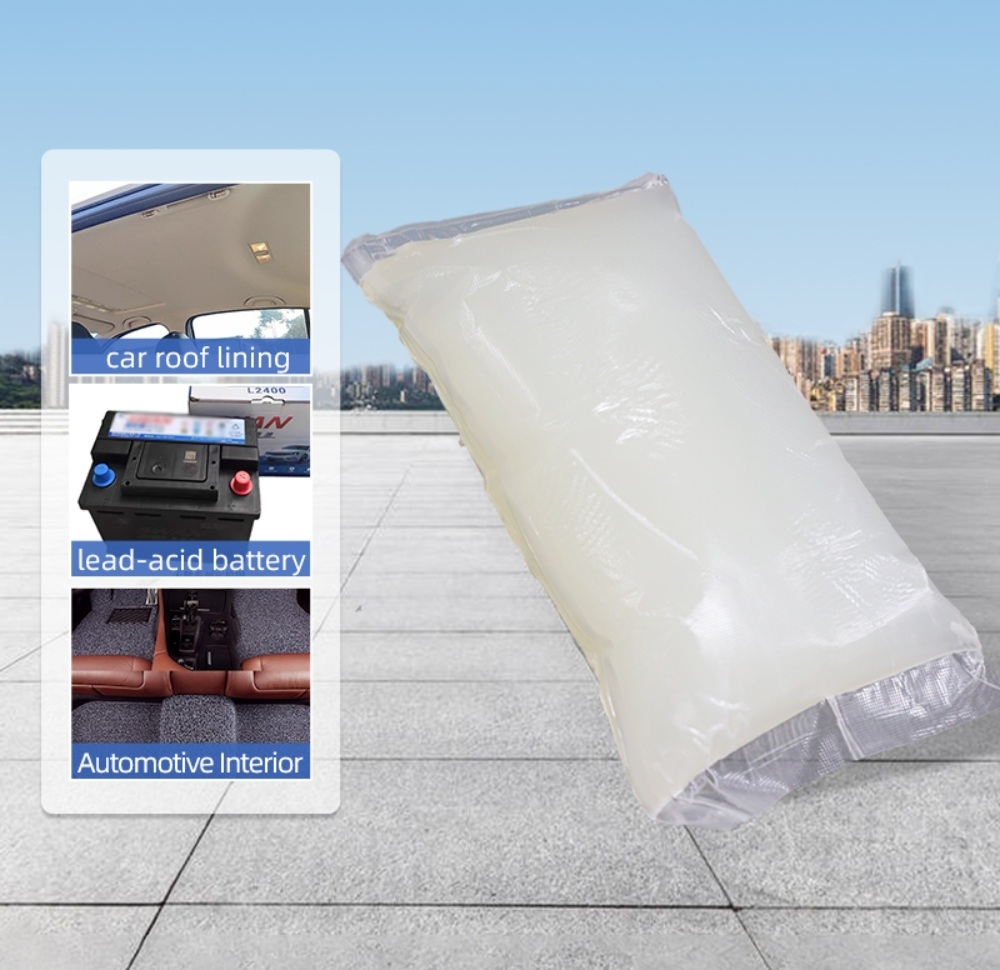
Take headliner bonding or trunk liner work. The glue sprays clean without messy strings. Then it grabs within seconds, so the overhead robot can let go and move to the next piece without delay.
Controlling Open Time for Reliable Automated Processes
Open time changes with each formula. Some automotive hot melt adhesive grades give you 5–15 seconds of working room. Others tighten it down to 2–5 seconds for the fastest lines. The real skill lies in matching that window to your exact process rhythm.
Several things affect open time on the plant floor:
- How hot you apply it and how much you use.
- The temperature of the parts themselves (warmer pieces shorten the window).
- Nozzle design and spray pattern on the robots.
- Air temperature and conditions around the line.
Engineers usually run small trials with different bead sizes or spray setups. A touch more open time gives the vision system or operators a bit of breathing room during alignment. But it still sets quick enough to hold the cycle tight.
For roller coating on flat panels or precise dot dispensing on wire harnesses, the adhesive needs to stay tacky just long enough for contact. It should not stay soft so long that it smears or messes up equipment further down the line.
Compatibility with Spray, Roll, and Robotic Dispensing Systems
High-speed lines rarely rely on hand guns anymore. Most setups use automated spray heads, slot dies, or careful robotic dispensers. A solid automotive hot melt adhesive has to handle the fast shear and pressure from these tools without burning, stringing, or clogging nozzles.
Polyolefin types often do well in these setups. They keep steady viscosity at working temperatures and hold up during long production runs. Spray work on big surfaces like carpets or sound pads needs clean atomization without mist. Roll coating on fabrics calls for even spread that does not soak through.
Many grades now support both spray and extrusion on the same line. That flexibility lets plants switch between interior trim jobs and battery module work without swapping out entire adhesive tanks.
Here’s what good compatibility looks like in practice:
- Runs smoothly with standard hot melt spray guns and slot nozzles.
- Resists sagging on upright surfaces during the short open time.
- Delivers steady flow for high-cycle robotic point dispensing.
- Keeps performing well even after hours of nonstop use.
A quick side-by-side look at typical process windows:
|
Application Type |
Typical Open Time |
Handling Strength Time |
Common Dispensing Method |
|
Headliner / Roof Lining |
8–15 seconds |
4–8 seconds |
Automated spray |
|
Door Panel Upholstery |
5–10 seconds |
3–6 seconds |
Roller or spray |
|
Battery Module Sealing |
3–7 seconds |
2–5 seconds |
Robotic bead or dot |
|
Wire Harness Fixing |
4–8 seconds |
3–6 seconds |
Precision extrusion |
These figures come from actual line experience. Your exact results will depend on substrates and equipment, but they show how well-matched formulas stop the gluing station from holding everyone back.
Eliminating the Glue Bottleneck to Boost Overall Line Efficiency
When the adhesive step sets the pace for the whole line, output suffers. Operators start adding extra fixtures. Quality checks multiply. Daily targets slip. The right automotive hot melt adhesive flips that situation around.
It lets you push closer to the real limits of your robots and conveyors. Parts keep moving because the bond forms fast enough to trust. Fewer misaligned or shifted pieces mean better first-pass quality.
Plants that fine-tune open time and setting speed often see real gains. Some report 10–20% better throughput in the gluing areas. That adds up to serious numbers when you run three shifts a day.
From years on mixed-material interior lines, the biggest improvements happen when one grade handles several substrates. You cut changeover time, simplify stock, and lower the chance of grabbing the wrong material by mistake.
Introducing Banglin as Your Hot-Melt Adhesive Products Supplier
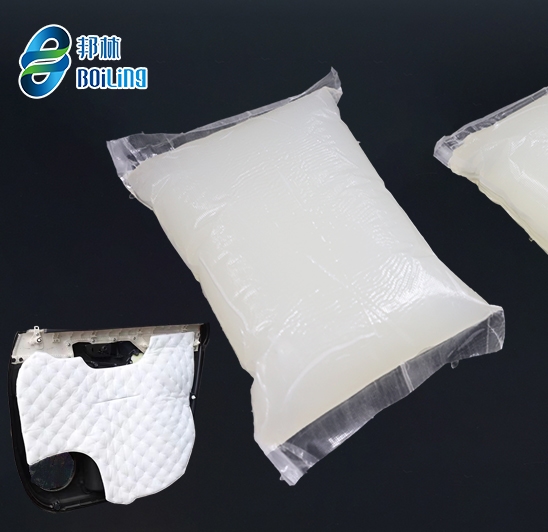
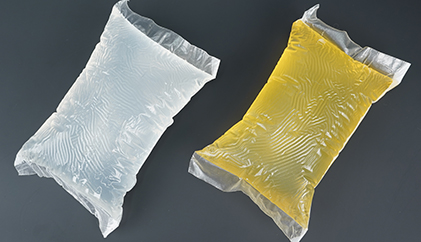
Banglin has built a strong reputation as a hot-melt adhesive manufacturer since 2005. The company focuses on polyolefin and other hot melt technologies for tough sectors like automotive interiors and battery assembly. With a large 15,000㎡ factory and daily output up to 100 tons, they deliver steady batches that fit high-speed automation demands.
Their automotive hot glue lineup stresses quick setting, well-controlled open time, and smooth running with spray, roll, and robotic systems. Banglin offers custom formulation work so engineers can adjust viscosity, color, and performance to match the exact rhythm of their lines. For teams tired of battling glue slowdowns, Banglin provides practical products backed by real application experience from the factory floor.
Kết luận
High-speed automotive lines leave almost no room for slip-ups at the gluing station. When automotive hot melt adhesive hits the sweet spot between open time and fast handling strength, the whole process runs smoother. Parts line up cleanly, bonds hold through the rest of the steps, and the line keeps its steady pace without endless tweaks.
Picking the right grade is not always about chasing the absolute fastest set. It is more about matching the adhesive behavior to your actual cycle. Do it well, and you clear out a common bottleneck. The rest of the automation then gets to show what it can really do. The payoff shows up as higher daily output, fewer headaches, and finished assemblies that stay strong long after they roll out the door.
Câu hỏi thường gặp
What does open time mean for automotive hot melt adhesive in high-speed lines?
Open time is the short period after you apply the glue when it stays hot enough to make good contact with the second part. On fast lines you need enough time for proper alignment, but not so much that the part shifts before the bond starts to form. Clear data on open time helps engineers set repeatable cycles that actually work on the floor.
How quickly does automotive hot melt adhesive reach handling strength?
Many polyolefin grades build enough strength in just a few seconds, often between 3 and 8 seconds depending on the job. This quick grab lets parts keep moving down the line without extra holding tools and keeps the overall cycle tight.
Can the same automotive hot melt adhesive work with both spray and robotic dispensing?
Yes, plenty of modern formulas handle a range of systems without trouble. They spray evenly on large panels and deliver clean beads or dots for smaller attachments. The secret is matching the viscosity and open time to your equipment and the materials you are bonding.
Why does controlling open time help eliminate bottlenecks on automotive production lines?
When open time lines up with the actual process window, you avoid glue that skins over too early or stays soft too long. Flow stays smooth, alignment problems drop, and the gluing station no longer slows down the rest of the high-speed line.
How do I choose the best automotive hot melt adhesive for my specific line?
Start with your substrates, the dispensing method you use, and the cycle time you are targeting. Then test open time and setting speed under real shop conditions. A supplier like Banglin can send samples and offer support to fine-tune the balance so it fits your automation setup and materials.
 Tư vấn
 Hệ thống Whatsapp
 Để lại tin nhắn
 hàng đầu