






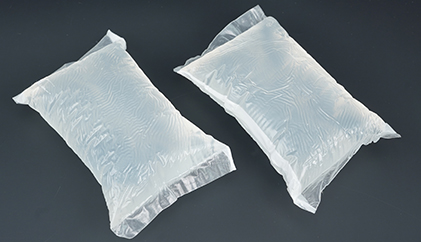

Common Problems in Paper Envelope Manufacturing and How Hot Melt Glue Solves Them
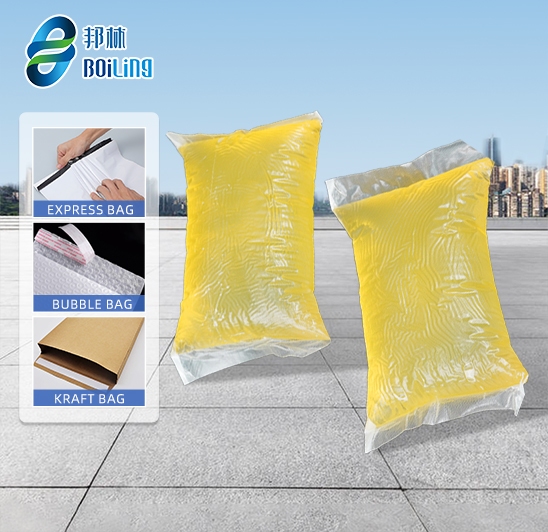
Envelope production lines seldom halt due to insufficient bonding strength of adhesives. More often than not, the issue comes from somewhere else: paper dust on the flap, a cold nozzle, uneven compression from folding units, a change in the line speed or envelopes put on the machine before the seam has cooled down. Paper envelope hot melt glue can flow cleanly at high line speeds and provide an equally quick set when its viscosity, open time, set speed and coating weight are matched to the converting equipment and media. It is crucial to consider hot melt adhesive as an integral part of the converting process and not a separate consumable.
Why Do Envelope Seams Open Even When Enough Glue Is Applied?
An open side seam usually tells a process story. The bead may be present, yet the adhesive never wetted both paper surfaces properly. Looking only at glue quantity often leads operators in the wrong direction.
What Happens When the Timing Window Is Wrong?
Hot melt must remain fluid until the folded flap reaches the compression point. If the molten HMPSA cools prematurely, a solid skin forms on its surface and contact becomes superficial. If it stays soft too long, the seam can move while envelopes are transferred or stacked.
That timing changes with line speed, paper temperature, bead size, and the distance between nozzle and nip. A formula that runs well at full speed may fail during slow production or frequent stops. Trials need to include both ends of the operating range.
Why Can More Adhesive Make the Seam Worse?
A heavier bead retains heat, but it also creates a raised bond line. The flap may not lie flat, and excess material can squeeze beyond the edge. On lightweight stock, heat and adhesive can show through as a visible stain.
Before increasing coating weight, inspect the fold, nip pressure, nozzle alignment, and paper cleanliness. A narrow, continuous bead with firm contact usually performs better than an oversized bead applied to a poorly controlled seam.
Which Machine Conditions Cause Stringing, Dripping, and Char?
These defects often appear together because they share the same sources: unstable temperature, contaminated equipment, incorrect pressure, or adhesive held hot for too long.
Why Does the Nozzle Leave Fine Threads?
Stringing is frequent when the glue is very thick at the point of discharge. Although the tank is at the right temperature, the hose or nozzle could be cooler. Adhesive filaments stretch between nozzle and substrate that has been stretched out by a worn cutoff valve, improper nozzle to blank distance, or glue oozing from the orifice.
A useful check is to observe startup, steady production, and short pauses separately. Some systems apply a clean bead at constant speed but drip or string immediately after a stop.
How Does Overheating Create Black Specks and Blockages?
Repeated heating accelerates oxidation. Aged adhesive darkens, forms skin, and eventually breaks into char that reaches filters and nozzles. Topping up a melter without managing old material can hide the problem for a while, then produce irregular flow and dark contamination on pale envelopes.
Tank housekeeping matters. Keep lids closed, unnecessarily high temperature, follow a controlled refill practice, and clean filters before restriction changes pump pressure and bead shape.
How Do Paper Stock and Envelope Design Change Bonding Behavior?
The same paper envelope hot melt glue can behave differently after a switch in paper mill, coating, recycled content, or print coverage. The outer appearance may be similar while the bonding surface changes substantially.
Which Paper Variables Matter on the Line?
Porosity controls how quickly molten adhesive enters the sheet. Very absorbent stock can pull adhesive away from the interface; smooth coated paper may resist wetting. Moisture, surface dust, and curl affect contact as well.
Production trials should include more than one paper lot. Hand samples made from clean, flat sheets do not reproduce the dust, tension, and fold variation of a running converter.
Which Envelope Features Increase Risk?
Narrow flaps leave little room for bead-position error. Window films, laminated areas, release liners, and heavy ink coverage introduce surfaces that may not bond like untreated paper. Thick corners can also reduce compression along part of the seam.
Sometimes the right correction is mechanical: widen the bond area, move the bead, change the fold sequence, or adjust the rail. Adhesive alone cannot compensate for a design that prevents the two surfaces from meeting evenly.
What Quality Checks Catch Blocking, Staining, and Cold Failure?
A seam can look acceptable at the delivery table and fail later in the carton. Heat, stacking pressure, and low-temperature handling expose weaknesses that a quick pull test misses.
How Should Finished Envelopes Be Conditioned?
Check bond strength after the seam has cooled, after stacking, and after representative storage. Warm cartons can soften exposed adhesive and cause blocking between envelopes. Cold conditions may make an unsuitable formulation brittle enough to crack when the flap is flexed.
Also inspect odor, color, stiffness, and paper distortion. These are often the first signs that application temperature or coating weight is higher than necessary.
What Should Operators Record During Production?
Useful records include tank, hose, and nozzle temperature; line speed; bead width or weight; nip condition; stoppages; paper lot; and defect type. Labeling defects as “adhesive issues” provides no actionable root cause.
When a seam is opened for inspection, note whether fibers tear from both sides, one side remains clean, or the adhesive has formed a smooth, glassy surface. Each pattern points toward a different cause.
How Should Manufacturers Qualify Adhesive and Supplier Control?
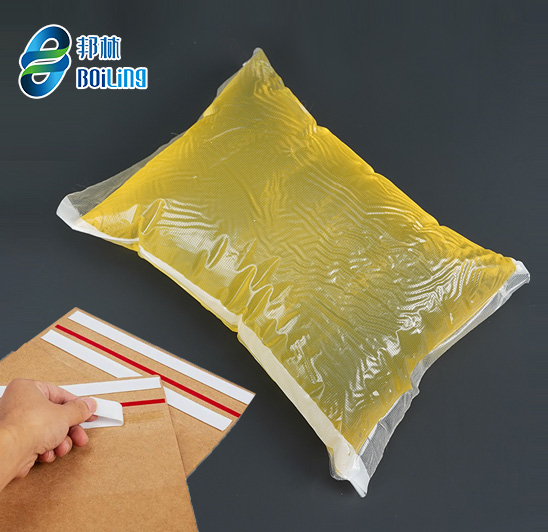
A catalog viscosity value cannot show whether an adhesive will run cleanly on a particular envelope line. Qualification has to include the machine, the paper, and the downstream packing conditions.
What Belongs in a Meaningful Line Trial?
Run the intended papers at normal speed, reduced speed, startup, and short-stop conditions. Record bead stability, open time, set speed, compression, stringing, squeeze-out, odor, and equipment cleanliness. Then test seams after cooling and storage.
The goal is not to find one favorable setting. It is to establish an operating window wide enough for normal production variation without constant operator correction.
Which Purchasing Controls Protect Repeat Orders?
The approved specification should identify chemistry, color, viscosity range, application window, packaging, storage conditions, and shelf life. Batch identification and retained samples make later investigation possible.
Changes in raw materials, formulation, manufacturing location, or packaging can alter running behavior before bond strength obviously changes. Formal change notification is therefore worth including in the supply agreement.
How Can an Adhesive Supplier Support Envelope Production?
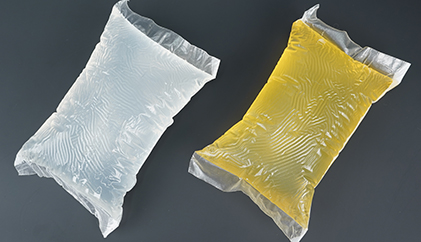
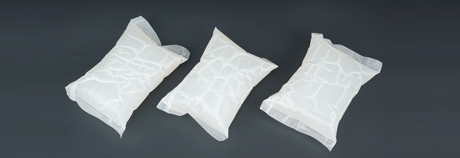
Hangzhou Boiling Adhesive Technology Co., Ltd. supplies paper envelope hot melt glue for converting and packaging lines. A project review typically consists of the paper, basis weight, coating, flap width, speed, nozzle pattern, temperature, bond area, stack pressure, storage. Production checks usually involve determination of the bead stability, open time, set speed, fiber tear, stringing, squeeze out, staining, odor, and equipment cleanliness. A quotation will usually specify the approved grade, packaging, lead time, storage requirements, and tests. Before routine purchasing, both parties should approve line-trial parameters, acceptance criteria, batch identification, retained samples, and change-notification requirements for planned production volumes and receiving inspection.
Kết luận
Sealing paper envelopes with hot melt pressure sensitive adhesives is a precise process that can provide high-quality results when adhesive properties and machine conditions are properly matched. The issues of open seams, stringing, squeeze-out, blocking, and brittle bonds typically have an assignable cause related to temperature, timing, paper characteristics, compression, or housekeeping. The critical step in the qualification process is the determination of the operating window that includes production speed, specific papers, stop/start cycles, stack height, and storage conditions. The described process allows reducing adhesive waste and achieving consistent bonding quality during the production run.
Câu hỏi thường gặp
1. Why Does Paper Envelope Hot Melt Glue String at the Nozzle?
Stringing usually comes from excessive viscosity, a cool nozzle, poor cutoff, adhesive buildup, or too much distance between nozzle and paper. Short machine stops can make the defect more visible.
2. Why Do Envelope Seams Open After They Leave the Machine?
The adhesive may have cooled before compression, the flap may be dusty or coated, nip pressure may be uneven, or the envelopes may have been stacked before the seam set.
3. Can One Hot Melt Adhesive Be Used for Every Envelope Paper?
Not reliably. Kraft, recycled, coated, glassine, and heavily printed papers differ in porosity, moisture, and surface energy, so each production stock should be tested under real line conditions.
4. How Can a Factory Reduce Hot Melt Glue Consumption?
First stabilize temperature, bead placement, nozzle condition, line speed, and compression. Then lower coating weight gradually while checking fiber tear, seam opening, squeeze-out, blocking, and storage performance.
5. What Should Be Included in a Paper Envelope Hot Melt Glue Trial?
Include normal and reduced speeds, startup, short stops, multiple paper lots, bead consistency, open time, set speed, seam strength, stringing, squeeze-out, odor, blocking, and equipment cleanliness.
 Tư vấn
 Hệ thống Whatsapp
 Để lại tin nhắn
 hàng đầu