





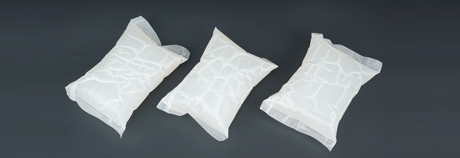
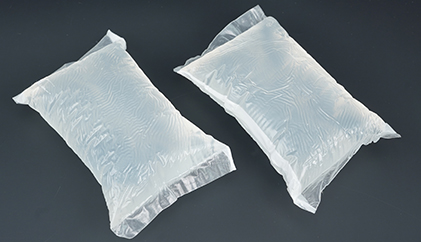

Label Edge Lift on PP Bottles: Why Ordinary Adhesives Fail
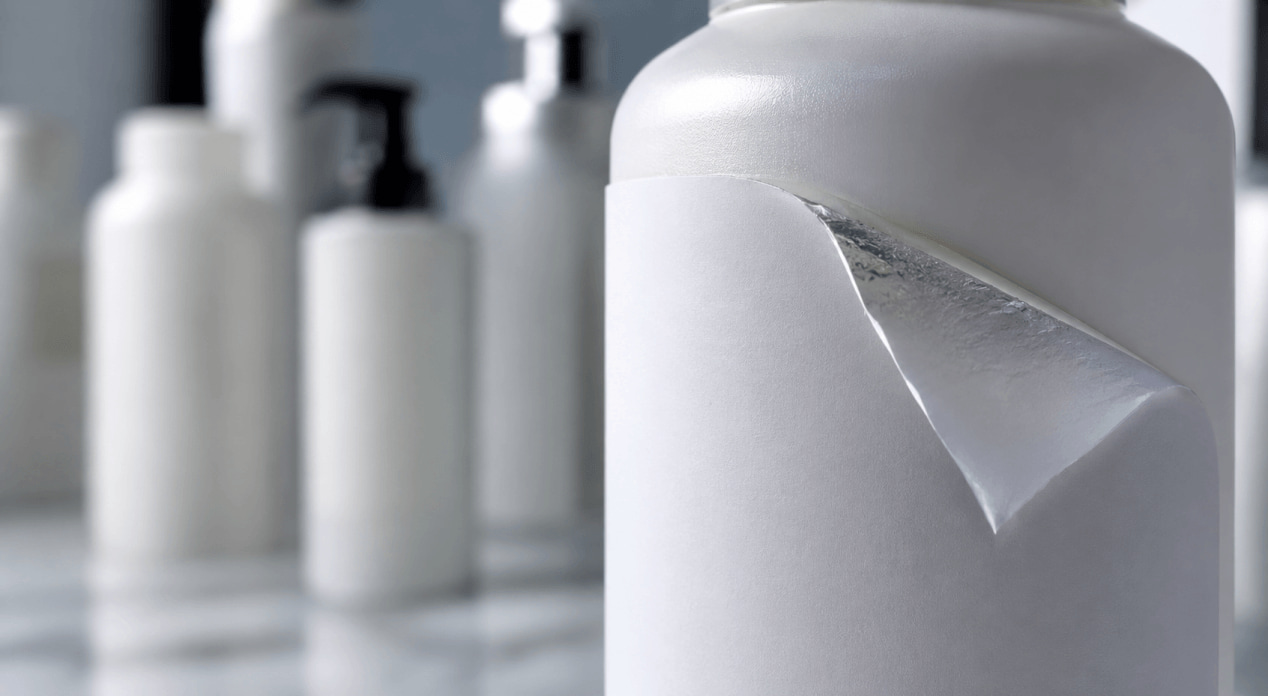
Label edge lift means the edges of a label pull away from the bottle surface. This issue often creates an unappealing look and harms brand trust. In packaging, it goes beyond looks. It can cause problems like barcode reading failures, dirt buildup, and lower trust from buyers. Polypropylene (PP) bottles serve many uses in personal care items, food, and home goods. Yet, these bottles bring special difficulties because of their low surface energy. This feature makes it hard for glues to stick well. Thus, picking the correct pressure sensitive adhesive for labels on PP surfaces is vital. It helps keep the bond strong over the product’s full life.
Many companies face this challenge daily. They need reliable solutions to avoid these issues. Understanding the basics can guide better choices in adhesives.
Why Do Ordinary Adhesives Struggle to Bond with PP Bottles?
Before we dive into glue chemistry, let’s see why regular glues fail on polypropylene surfaces. This knowledge helps explain the need for better options.
Surface Energy Characteristics of Polypropylene
Polypropylene acts as a non-polar plastic with very low surface energy. It usually measures about 29–31 dynes/cm. Because of this low level, glues find it tough to spread or cover the surface evenly. As a result, the glue and bottle do not touch closely enough at the boundary. There is little molecular link or chemical match. So, most common glues show poor sticking power. To fight this problem, makers often use ways to change the surface. For instance, they apply corona discharge or flame treatment. These methods raise the surface’s pull and boost sticking chances.
Such treatments help at first. However, they alone may not solve everything for long-term use.
Environmental Factors Affecting Adhesive Performance
Even if the first stick seems good, outside conditions can ruin it fast. Water can seep in. Temperature changes happen often. Contact with the product’s contents, like oils or alcohols, weakens the glue bond as time passes. Label edges face extra strain during putting on and moving. Bending or rubbing over and over starts tiny gaps. These gaps grow into full edge lift. Storage in shifting moisture or sunlight speeds up the glue’s breakdown. So, making the glue tough against these factors is a main goal in design for pp bottle label glue.
These elements show why simple glues fall short. They cannot handle real-world pressures well.
What Role Does Pressure Sensitive Adhesive Chemistry Play?
The makeup of pressure sensitive adhesives (PSAs) decides if they work well on tough surfaces like PP bottles. Let’s explore this further.
The Function of Pressure Sensitive Adhesives in Labeling
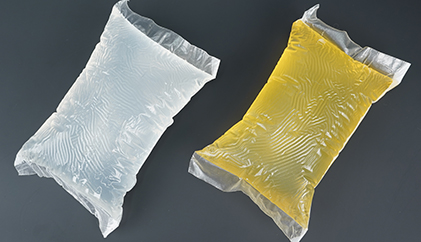
PSAs are flexible materials that stick with just a light push. For hot melt pressure-sensitive adhesives (HMPSA), the adhesive itself must first be heated during the coating or application process, typically at around 150–180°C. After cooling, it maintains pressure-sensitive bonding performance and can adhere firmly with light pressure.Their mix must handle three key parts: quick stick, pull-off resistance, and inner hold. When used right, PSAs form bonds right away. They also stay bendy on rounded bottle shapes. The glue’s inner structure must hold up against pulling forces. At the same time, it needs to be soft to fit the bottle’s uneven spots closely.
This balance ensures labels stay put during daily use. It prevents common failures in packaging lines.
Limitations of Conventional PSA Formulations on PP Bottles
Usual acrylic and rubber PSAs often do poorly on PP. They lack enough pull to cover the non-pull surface well. Bad spreading causes tiny air pockets at the join. These pockets start early edge problems. Over time, parts from the PP, like softeners, can move into the glue. This messes with the glue’s makeup and cuts bond life. That is why special mixes made for plastic like PP are needed. They offer lasting steadiness for label adhesive glue setups.
Without these tailored approaches, labels risk early detachment. This leads to waste and rework in production.
How Can Specialized Label Adhesive Glue Improve Performance?
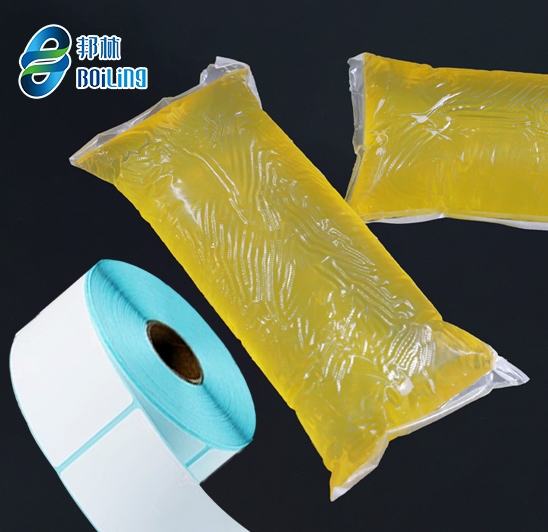
To beat these issues, new glue tech aims at mixes just for plastic surfaces like polypropylene. This focus brings clear gains in sticking power.
Tailored Formulations for Polyolefin Substrates
Modern hot melt glues get tweaks with pull groups. These changes improve match with PP by boosting the join’s draw. Adding stick boosters or link agents raises chemical pull between the PSA and surface. Plus, better flow control makes the glue spread evenly when applied. This covers more area and removes empty spots. In turn, it stops lift at label edges.
These custom blends work better than off-the-shelf options. They address the core weaknesses of PP bonding.
Balancing Tack, Cohesion, and Peel Strength in Design
A top PSA gives strong first stick. It also keeps its hold under pressure, like when bottles get squeezed or bent. To reach this, makers mix soft parts for grip with firm parts for strength. They test these mixes in wide heat ranges. This includes cold storage and hot shipping. The goal is steady hold on PP bottles in any setting.
Such testing mimics real conditions. It ensures the glue performs reliably over time.
What Are the Key Considerations When Selecting a PP Bottle Label Glue?
Choosing the right pp bottle label glue means checking how it fits the process and final needs. Careful review prevents costly mistakes.
Evaluating Application Methods and Equipment Compatibility
Glue work relies on more than just its makeup. It also depends on application ways. Systems like slot die or roller coating affect layer evenness and depth. Matching with auto labeling machines keeps runs smooth at fast paces. It avoids label shifts or early pull-off. Cooling time after putting on matters too. If it sets too slow, detachment can happen in handling.
Good matches reduce downtime. They help factories run efficiently without interruptions.
Assessing End-use Requirements and Regulatory Standards
Various fields set different rules for label materials. For food packs, glues must limit chemical leaks into food. Cosmetic bottles need hold against oils and cleaners. Drug packs require clear lasting bonds under cleaning heat. Full shelf tests that copy real storage check if glues keep bond traits over long spans.
Meeting these standards builds trust. It ensures products reach users safely and effectively.
Who Is Hangzhou Boiling Adhesive Technology Co., Ltd.?
Hangzhou Boiling Adhesive Technology Co., Ltd. focuses on pressure sensitive hot melt glues for labeling. The firm offers custom fixes for plastic surfaces like PP bottles. It tackles sticking issues head-on. With strong research tools and tight quality checks, they aid worldwide customers in gaining solid label work. Their know-how lets makers improve making steps. At the same time, it guarantees labels stick firm through sales paths.
As a trusted name, they help solve real packaging pains. Their products support smooth operations for many brands.
استنتاج
Regular glues fail mainly because they cannot link well with polypropylene’s low-pull surface. They also cannot stand the outside strains in product use. Special pressure sensitive adhesive for labels made for plastic surfaces give better cover traits and long bond trust. Working with skilled providers like Hangzhou Boiling Adhesive Technology Co., Ltd. lets packaging experts add science-based fixes. These cut label edge lift. They keep work smooth in varied making setups.
In the end, smart choices in glues lead to better products. They enhance quality and cut risks for businesses.
الأسئلة الشائعة
Why does label edge lift occur more frequently on PP bottles than other plastics?
Label edge lift happens more on PP. Its non-pull surface fights wetting by usual glues. This leads to weak bond at edges.
Can surface treatment completely eliminate the need for specialized adhesives?
Surface changes boost stick. But they may not fix all mix gaps fully. Special PSAs remain key for lasting steadiness.
What testing methods are recommended to evaluate label adhesive performance?
Peel strength checks, hold resistance reviews, aging tests in moisture/heat cycles, and real pack trials gauge glue trust on PP bottles.
 استشارة
 واتساب
 اترك رسالة
 أعلى
أعلى