







جدول المحتويات
أخبار ذات صلة
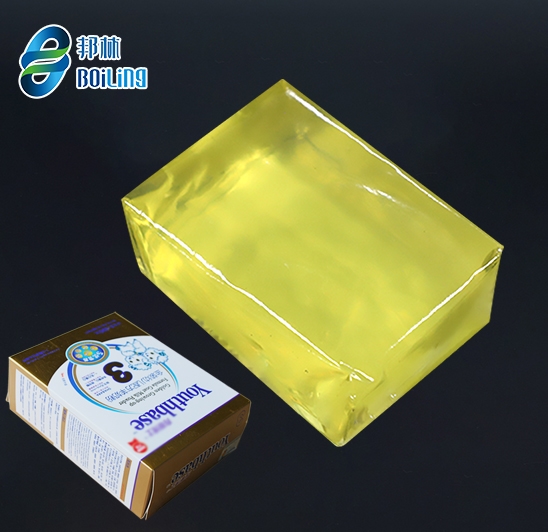
Why Sticky Traps Are Replacing Chemical Pesticides in 2026: The Future of Sustainable Pest Control
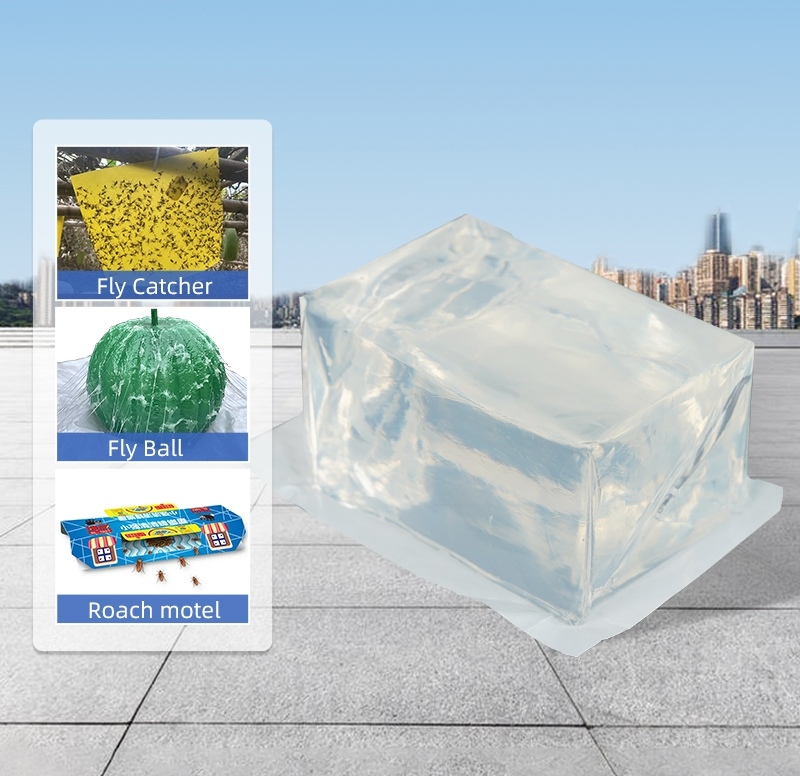
When it comes to pest control there are many changes currently happening in businesses and consumers alike. The vast majority are seeking alternatives to their typical chemical based solutions, also seeking simpler methods of control and above all looking for the safest possible methods of controlling pests. There are many alternative methods available, and one that is certainly increasing in popularity is the use of sticky traps in agricultural, residential, commercial and industrial pest control for example. In order to be effective however, sticky traps heavily rely on the pest control glue that makes up the surface of the trap. The most effective sticky trap will contain a pest control adhesive that possesses strong adhesion, resists changes in the environment, and is also practical to use in production, storage and when in use.
Why are sticky traps gaining attention in modern pest control?
Growing demand for low-chemical pest control solutions has driven rising adoption of physical trapping methods like sticky traps, and the use of sticky traps for a number of pests is an example of simple pest control using sticky traps. Pests are attracted to the surface of traps and, when walking on the surface, are held by a pressure-sensitive adhesive layer on the surface of the trap.
How do sticky traps compare with chemical pesticides?
While chemical pesticides have been proven to control pests, they require control while handling and application as well as compliance with laws. Non chemical methods like sticky traps capture pests physically and thus help to reduce pesticide use.
For businesses Sticky Traps are an easy product to manage within your inventory as there is no mixing of spray, no requirement for spray equipment and no application methods that need to be learned. However, as with most types of baits and traps, the performance will depend on a number of factors including the Sticky Trap adhesive formulation, the design of the trap, the specific pests that are being targeted and the typical environmental conditions that pests are found in.
Why is adhesive quality important in pest control products?
The adhesive layer of a sticky trap determines how well pests can be caught by a sticky trap over a given service life. If the adhesive becomes too soft it can pick up a lot of dust which in turn can greatly reduce trapping effectiveness. On the other hand, if the adhesive becomes too hard pests can escape from the trap and in very cold weather the trap will not function at all.
Adhesives are formulated to have a combination of tack, peel adhesion, heat stability and long term durability.
How does pressure sensitive hot melt adhesive improve sticky trap performance?
Pressure sensitive hot melt adhesive is often considered for the production of sticky traps as it delivers consistent coating and efficient production.
What makes pressure sensitive hot melt adhesive suitable for traps?
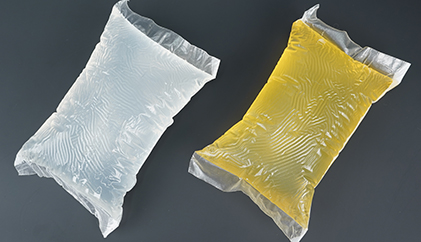
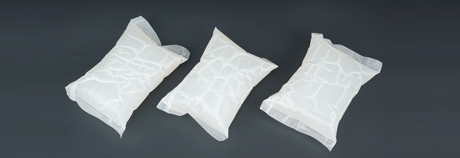
Pressure sensitive hot melt adhesive is a new generation of adhesive that can bond under pressure of application and does not require any solvents for application. This type of adhesive allows for very thin consistent layers of adhesive to be applied.
Hot melt technology can also be very suitable for manufacturers of sticky traps. The adhesive can be applied during the production process and therefore more quickly than with other types of adhesives. In addition, no drying time is required with hot melt adhesives, unlike with some liquid adhesives.
What properties should pest control glue provide?
A suitable pest control glue should provide:
|
العقارات |
Why it matters |
|
Strong initial tack |
Helps capture pests quickly |
|
Long-term adhesion |
Maintains performance during storage and use |
|
مقاومة درجة الحرارة |
Supports different environments |
|
Low odor |
Improves user acceptance |
|
Stable coating |
Reduces production defects |
The correct adhesive ratio depends on several factors including target pest, trap construction, packaging and application environment.
What factors should buyers consider when selecting adhesive for sticky traps?
Selecting the right adhesive does not have to be a straight price per kilogram comparison. The Buyer must consider performance, production requirements and storage requirements.
How do temperature and humidity affect adhesive performance?
The environmental conditions can affect the properties of an adhesive. High temperatures can make some adhesives soften and collect dust. Also, low temperatures will reduce the surface tack of adhesives.
In addition to how humidity affects the performance of the trap in the field, there is also an effect of humidity on the storage of the trap as well as its performance when it is taken outdoors. It would be best for the buyer to request that the seller perform application testing under conditions that reflect how the trap will be used by the buyer, rather than relying on information generated in a laboratory.
How does substrate material influence adhesive selection?
Traps with sticky surfaces can be attached to a variety of materials, such as paper, plastic film, cardboard and others. The surface of each of these materials can be relatively smooth or have all sorts of coatings, and can have a wide range of surface energies.
An adhesive that performs well on one backing does not necessarily perform the same on another backing. Adhesive manufacturers test the bond strength to the trap substrate with the selected hot melt adhesive prior to production.
How can manufacturers improve sticky trap production quality?
Consistency in production is key, since the performance of an adhesive has to remain constant even with large amounts of production.
What should production teams control?
Adhesive manufacturers can control several factors to try to improve performance such as temperature, thickness, application rate, storage conditions and packaging. However, using adhesives leads to uneven coating. This leads to points of weakness in the coating where pests may escape. Over-coated areas tend to accumulate dust and debris, weakening trapping performance.
A production checklist may include:
- Adhesive batch consistency
- Coating weight control
- Substrate cleanliness
- Machine temperature settings
- Finished product inspection
- Storage environment checks
Why do packaging and storage matter?
Even the best adhesive can lose performance if products are stored in improper conditions. For instance excessive heat, direct sunlight or too long storage can affect properties of the adhesive.
Before placing a large order of packaging, a buyer should check the shelf life, packaging design, carton protection and transportation requirements with the supplier.
What should buyers check before sourcing hot melt adhesive for sticky traps?
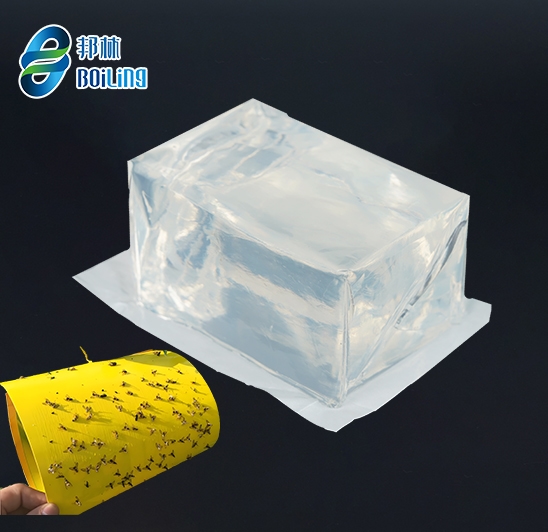
When evaluating a supplier it is important to consider the technical support offered as well as the price of the product.
Which technical documents should buyers request?
Before purchasing, buyers should ask for:
- Technical data sheets
- Recommended application temperature
- Viscosity information
- Storage recommendations
- Compatibility guidance
- Sample testing support
These documents help to establish whether the adhesive in question is compatible with the production equipment you currently have as well as your current stock of trap materials.
How should buyers compare adhesive suppliers?
A practical comparison should include:
|
Evaluation area |
Buyer consideration |
|
Formula suitability |
Matches trap design and pest type |
|
Production support |
Helps solve coating issues |
|
Lead time |
Supports production schedules |
|
MOQ |
Fits purchasing requirements |
|
Technical service |
Provides application guidance |
The lowest price for a material may not result in the lowest total cost if, for example, production problems, poor quality in the delivered batches or returns on the product occur.
Which supplier can support pest control adhesive projects?
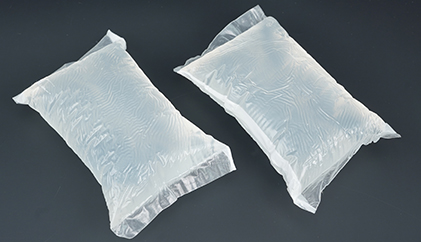
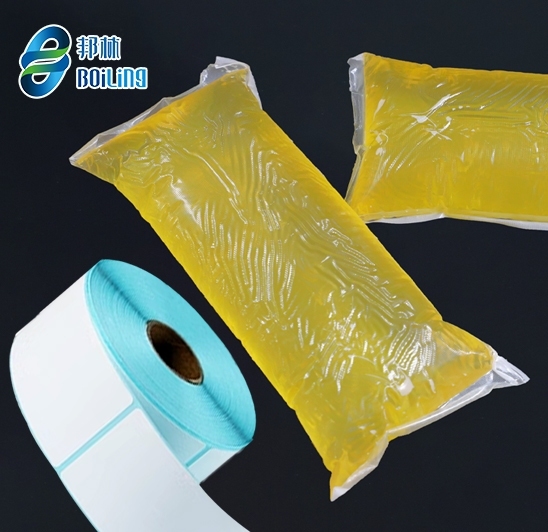
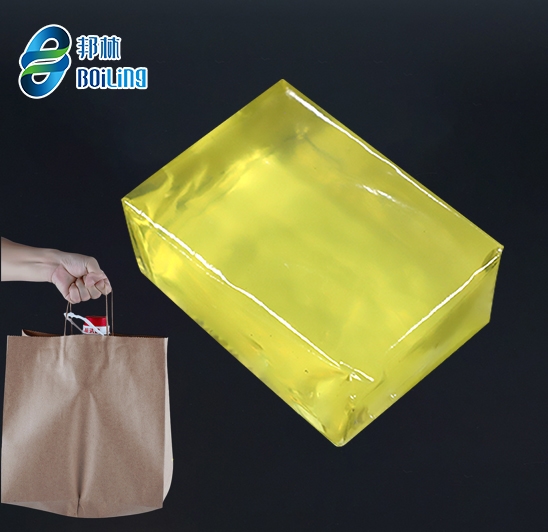
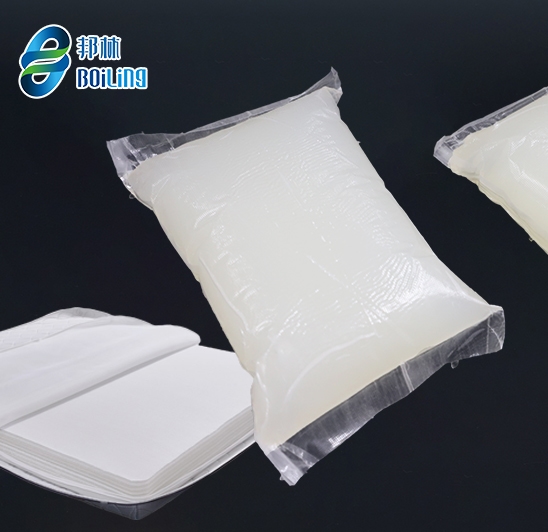
Hangzhou Boiling Adhesive Technology Co., Ltd. is a professional adhesives supplier, which are mainly الضغط حساس الساخن ذوبان اللاصق. Materials are used in pest control glues as well as in production of sticky traps. We support customers all the time. Materials can be chosen to meet customers’ production needs such as coating process, substrate, etc. We have communication with suppliers of sticky traps in technical aspects, choose materials that are suitable for them, test samples and discuss customized formulation solutions with them. However, buyers should compare specifications of materials, related test data, prices, delivery terms and after sale services etc. before making purchasing decisions.
استنتاج
Sticky traps are becoming more important in the field of pest control as an alternative to poisoning. Sticky traps work by capturing pests physically without the use of pesticides. The quality of the trap, however, depends largely on the adhesive. Pressure sensitive hot melt adhesives, for instance, are an important factor in ensuring production consistency and effectiveness of traps in the long run. When purchasing pest control glue, as a buyer, you must pay attention to several criteria of the adhesive, such as tack, temperature resistance, compatibility with the substrate of the trap, storage conditions and supplier service. By choosing the right adhesive, manufacturers are able to produce sticky traps of consistent quality for different markets and applications. When selecting a supplier, it is important to verify its capacity to deliver consistent, stable product quality.
الأسئلة الشائعة
1. What is pressure sensitive hot melt adhesive used for in sticky traps?
Pressure sensitive hot melt adhesive is used as the sticky element of the traps to capture pests and also to support manufacturing.
2. Why is pest control glue important for sticky trap performance?
Pest control glue determines capture strength, durability, temperature performance, and overall effectiveness during product use.
3. Can hot melt adhesive for sticky traps work in different climates?
It depends on the adhesive formulation. It is best to test the specified adhesive for performance under the temperature and humidity that the buyer expects to encounter.
4. What should buyers check before purchasing sticky trap adhesive?
When purchasing, it is best to check the technical information in detail such as compatibility of the substrates, coating requirements, storage conditions as well as MOQs, delivery times and service of suppliers.
5. Is hot melt adhesive better than liquid adhesive for sticky traps?
The decision depends on production. Although the hot melt adhesive offers advantages when processing fast in a solvent-free process, it will still depend on the design and the required properties of the product.
 استشارة
 واتساب
 اترك رسالة
 أعلى
أعلى