





Why Polyolefin Hot Melt Adhesives Perform Better on Low Surface Energy Plastics Like PP and PE
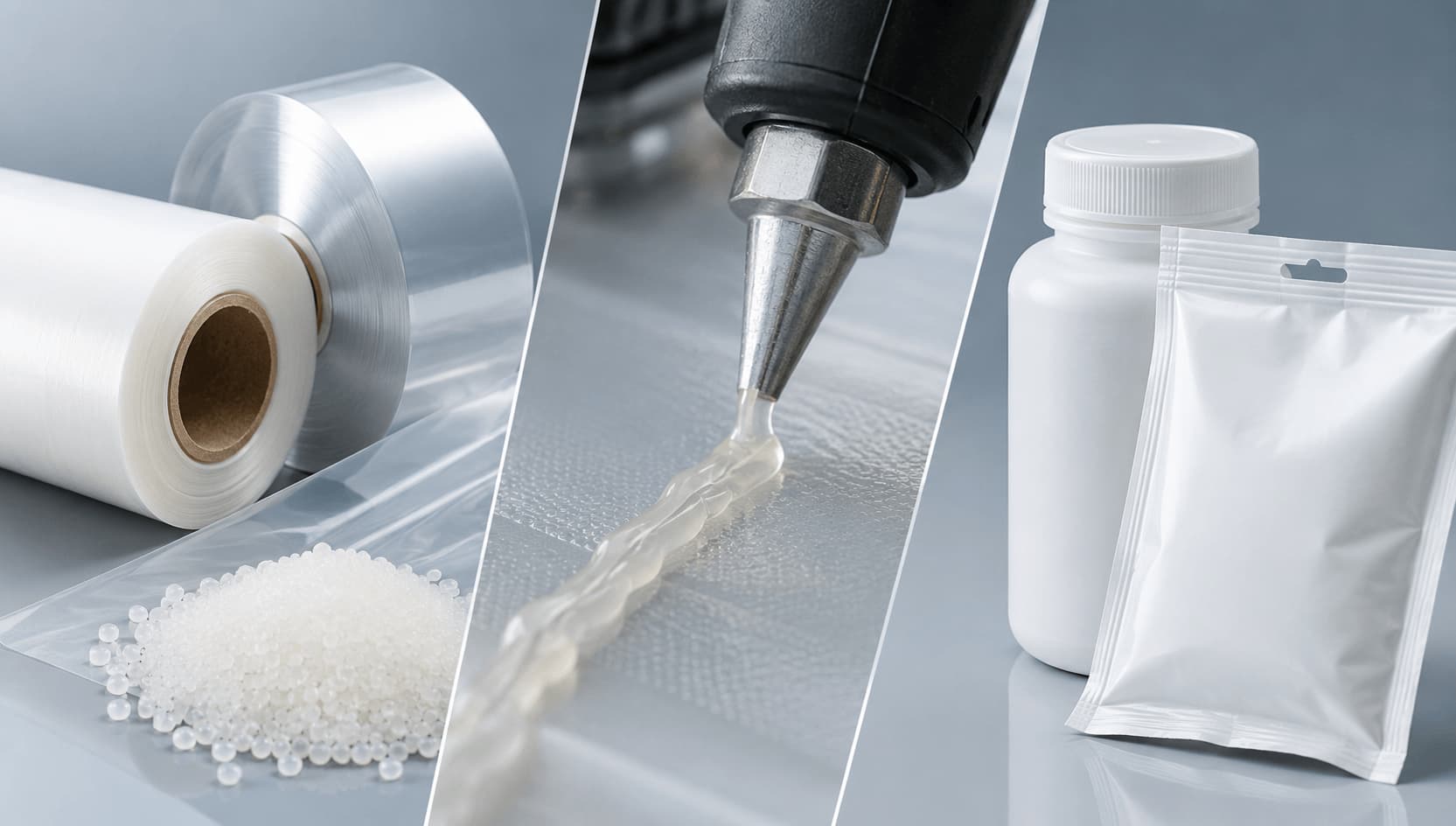
Bonding low surface energy (LSE) plastics like polypropylene (PP) and polyethylene (PE) stays a tough issue in factory production. These materials see wide use because of their strong resistance to chemicals, light weight, and low cost. However, their nonpolar structures make them hard to join. Standard adhesives usually do not spread or stick well on these smooth, inactive surfaces. Thus, getting firm bonds without special mixes or treatments proves tricky. Polyolefin hot melt adhesives have come up as a smart and steady fix for hard-to-join plastic jobs. They give solid and lasting hold on PP and PE bases where usual systems do not work.
What Makes Low Surface Energy Plastics Like PP and PE So Difficult to Bond?
Before we look at why polyolefin hot melt adhesives beat standard systems, we need to check the basic join problems with LSE plastics. This helps us understand the core issues.
The Role of Surface Energy in Adhesion Performance
The success of any adhesive hinges a lot on how well it covers the base surface. PP and PE show very low surface energy, often under 40 mN/m. This limits the adhesive’s spread in an even way. Poor covering means less touch area and weak links at the join. Plus, their nonpolar setups block ties with polar adhesive types like epoxies or cyanoacrylates. The even and inactive surfaces cut chances for mechanical grip too. As a result, most adhesives cannot reach enough strength without extra surface boost steps.
Common Limitations of Traditional Adhesives on PP and PE
Reactive or solvent-based adhesives depend on chemical actions that need polar groups on the base. LSE plastics do not have those. So, primers or plasma treatments often come first to raise surface energy. Even then, join results may vary because of bad base match and sensitivity to surroundings. Things like shifts in temperature or moisture can weaken bonds over time. These issues show the call for a better matching low surface energy plastic adhesive that fits the makeup of PP and PE right from the start.
Why Do Polyolefin Hot Melt Adhesives Excel on These Plastics?
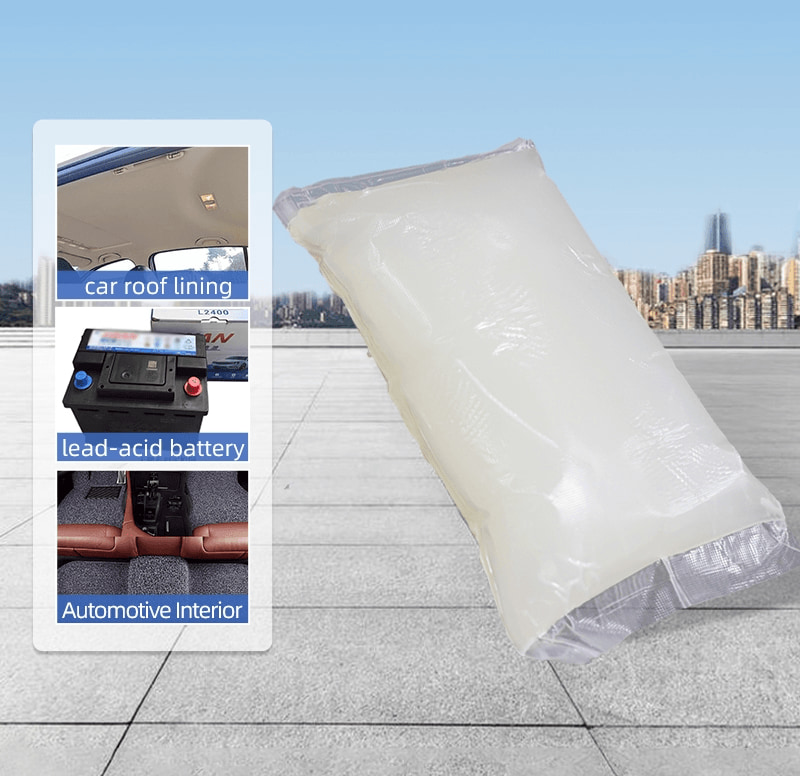
Polyolefin hot melt adhesives get built to beat the join walls of LSE plastics. They do this through close chemical ties and tuned heat actions. Now, let’s see how this works in detail.
Chemical Compatibility Between Polyolefin Adhesives and Substrates
The main plus of polyolefin hot melt adhesives is their shared chemical base with PP and PE bases. Both use nonpolar carbon chains. This boosts molecule closeness at the join point. So, they cover better and form tight bonds without primers or surface changes. Also, being free of solvents, they avoid cracks from stress or harm to the base during use. This chemical match brings steady join work in many factory settings where other adhesives might not hold up.
Thermal Properties That Improve Bond Strength and Durability
Heat control matters a lot for the best bond setup with hot melts. Polyolefin types show exact melt actions that let good flow when put on. They keep even spread over plastic faces. After use, they harden fast. This gives quick handle strength without long wait times seen in reactive setups. Their strong heat steadiness also keeps joins even under different heat levels. So, they fit well for hot car insides or cool storage packs.
Mechanical Flexibility and Resistance Benefits
Another big feature is mechanical bend. Polyolefin hot melts stretch and shrink much like PP and PE during heat changes. This cuts inside strains in the join. Such bend boosts guard against peel pulls, shake wear, and hits. These traits matter for car parts like roof covers or battery cases with moving loads. In the long run, this toughness means bonds last longer even in tough work settings.
How Do Processing Conditions Influence Adhesion Quality?
Setting process steps right is key to get the most from adhesives on LSE plastics. Proper handling ensures the best results. Let’s explore the main factors.
Importance of Surface Preparation and Application Temperature
Though polyolefin hot melts skip primers, good cleaning still matters. It removes dirt, oils, or release agents that block covering. Putting on the adhesive at right heat levels keeps the right thickness for sinking into tiny bumps on the plastic face. Steady control in each batch run ensures even join lines and expected results. This proves vital in big production lines where repeat work counts a lot.
Equipment Considerations for Industrial Applications
New hot melt apply tools come with exact heat control that matches polyolefin needs. These tools fit easy into current lines with basic setups. Also, their low care needs raise work flow by cutting stop times. This stands as a big win in fields like packing or car building, where speed ties to gains.
Where Are Polyolefin Hot Melt Adhesives Most Effectively Applied?
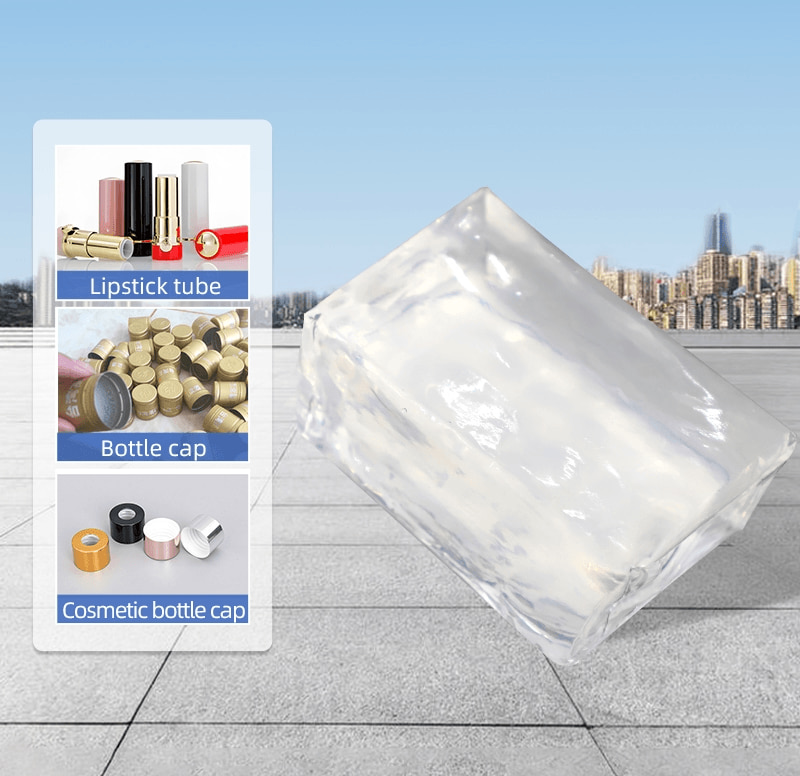
With their top match to LSE plastics, poliolefina fundida en caliente see broad use in many areas that need quick join fixes. Their strengths shine in real-world jobs.
Key Industries Benefiting from These Adhesives
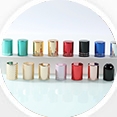
In car making, they help a lot with roof linings and lead-acid battery builds. This comes from their shake resistance and lasting hold in heat swings. For daily goods, they act as a top bottle caps glue solution. Think wine bottle caps, lipstick tubes, cosmetic bottle caps, and other pack jobs needing hidden but strong seals. The bed industry gains from their bend and quick set in foam join steps.
Performance Advantages in Specific Applications
These adhesives allow light builds by skipping metal joins like screws or clips. Yet, they keep firm structure. They boost look quality with hidden join lines that lift product style. This matters much in high-end pack for buyers. Plus, their fast set cuts production time a lot compared to reactive types that need cure waits.
Who Is Hangzhou Boiling Adhesive Technology Co., Ltd.?
Hangzhou Boiling Adhesive Technology Co., Ltd. shows as a trusted provider focused on smart polyolefin hot melt adhesive fixes made just for low surface energy plastics like PP and PE. The firm has a wide set of mixes aimed at strict factory standards in car, pack, electronic, and furniture areas. Through ongoing new ideas and tight quality checks, Hangzhou Boiling gives steady product worth to buyers around the world. They back this with skill help and custom join tips to boost factory speed.
Conclusión
The edge of polyolefin hot melt adhesives over standard reactive systems comes from their built-in chemical likeness to polyolefin bases such as polypropylene (PP) and polyethylene (PE). This match aids great covering without primers or face prep. It also keeps steady holds even in harsh weather. Their mix of heat steadiness, bend, mechanical power, and process ease makes them key in today’s factory jobs looking for green fixes for hard-to-join plastics.
Preguntas frecuentes
What are low surface energy plastics?
Low surface energy plastics such as polypropylene (PP) and polyethylene (PE) have smooth nonpolar surfaces that resist wetting by conventional adhesives due to their limited molecular polarity.
Why are polyolefin hot melt adhesives preferred over reactive systems?
They deliver immediate bond strength after application without curing time requirements while maintaining flexibility under stress conditions; moreover, they do not require primers or complex pre-treatment steps before use.
Can polyolefin hot melt adhesives be used in high-temperature environments?
Yes; advanced formulations demonstrate excellent heat resistance properties that allow them to maintain structural integrity across broad temperature ranges suitable for demanding industrial operations including automotive assemblies or electronic enclosures.
 Consultar
 Aplicación Whatsapp
 Dejar mensaje
 arriba