






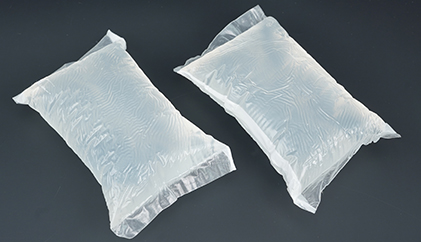

Express Bag Hot Melt Glue vs Double-Sided Tape: Which Is Better for Courier Packaging?
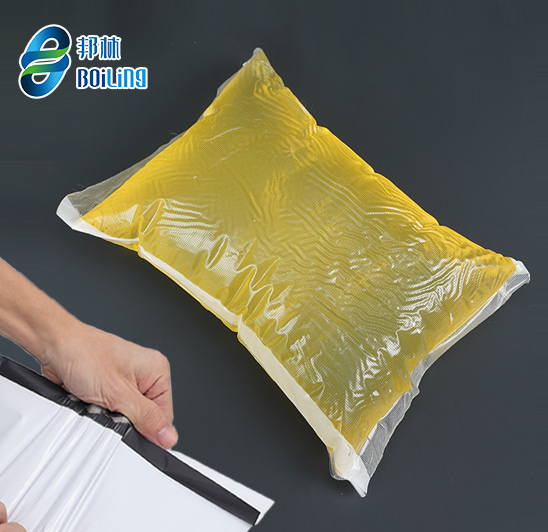
Courier packaging helps keep parcels closed, safe, and safe from tampering during shipping. The glue used for closing affects how well the job gets done, how long it lasts, and how much it costs. Hot melt glue and double-sided tape are two common choices in the courier field. Both do the same job—they make a firm connection. But they vary a lot in makeup, how they get used, how they work, and their effect on the environment. Picking one over the other can shape not just each package’s safety but also the whole flow of shipping and the smooth running of lines that make courier bags.
What Are the Key Differences Between Hot Melt Glue and Double-Sided Tape?
Hot melt glue and double-sided tape stand apart mainly in their build and the way they get put on during making.
Composition and Material Characteristics
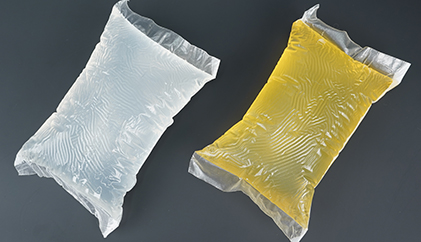
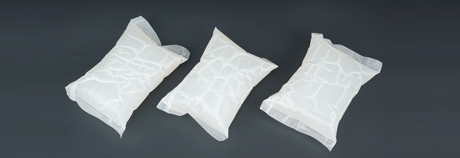
Hot melt glue is a type of plastic glue. It turns liquid when you heat it and hardens when it cools to make a solid link. It usually includes materials like EVA (ethylene-vinyl acetate), polyolefins, or polyamides. These give it bend and good sticking power on plastic sheets such as polyethylene (PE) in courier bags. Double-sided tape has a base sheet—often from paper, foam, or plastic. It gets coated with sticky glue that works under pressure on both sides. This setup lets it stick right away when touched, without needing heat. Each kind bonds in its own way. Hot melt glue uses heat to blend with the surfaces. Double-sided tape relies on its sticky feel to hold on.
Application Process and Equipment Requirements
The ways to apply them differ a great deal. Hot melt glue needs special tools or machines that warm the glue to make it liquid. Then they put it exactly where needed on the package. These tools fit well in fast-making lines where accuracy and steadiness matter most. Double-sided tape can go on by hand or with basic machines that take little time to set up. But in big production spots where machines do most work, hot melt glue works better. It links easily with ongoing closing setups. So, the pick often hinges on how many items you make, the speed you need, and how much you can spend on machine gear.
How Do Performance Factors Compare in Real Packaging Environments?
To judge glues for courier packaging, look at how strong they bond, how tough they are, how they handle heat, and how they save money. These points decide a lot.
Bonding Strength and Durability
Hot melt glue gives better sticking power on polyethylene courier bags. It soaks into tiny holes on the sheet’s face while being applied. After it cools, it makes a strong close that fights against pulling apart under force. This works great for heavy or big loads that face rough handling on the way. Double-sided tape might lose its grip after a while. This happens more with wetness or dirt around. It can weaken the close during far travel. For shipping companies dealing with all kinds of weather, steady closing matters to keep customers happy.
Resistance to Temperature and Environmental Conditions
Changes in heat bring big tests for how well glue holds up in storage and shipping. Hot melt glue stays firm over a broad heat range after it sets. It does not get hard in cold or soft in heat. Double-sided tape glues often break down in harsh spots. The glue might spread in warmth, and its stick fades in chill. As a result, packages closed with tape could come open too soon if they face heat shifts in plane or road trips.
Production Efficiency and Cost Implications
In day-to-day work, hot melt setups allow steady fast closing with little trash made. This is because no backing sheets get thrown away. Tape setups can slow things down. This comes from hand swaps of rolls or line-up problems that break the flow. The starting cost for hot melt tools might top basic tape holders. But over time, you save with less worker effort, less glue used per item, and fewer stops for fixes.
Which Adhesive Offers Better Sustainability for Courier Packaging?
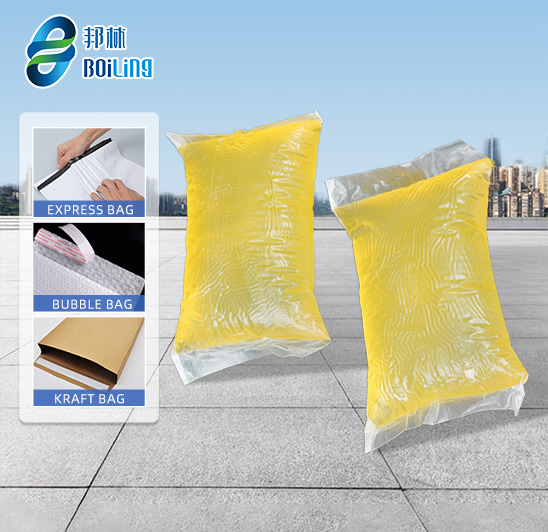
Being kind to the earth now shapes choices in packaging. Makers want green ways that still work well. Let’s see how these glues stack up here.
Material Waste and Energy Consumption Considerations
Hot melt glue makes less trash than double-sided tape. It skips the backing sheets that get tossed after use. Yes, it uses power to heat up. But that gets balanced by cutting down on waste built up over time. Green making ways lean toward glues that cut harm to nature. They do this with smart use of stuff and smaller marks on the air.
Recyclability and Eco-Friendly Formulations
New hot melt mixes work well with bags that can be recycled, like PE courier films. They leave no dirty bits in the recycle flow. Tape leftovers often make recycling hard. Their base sheets and glues mess up the plastic remake paths. So, makers who care about green pick glue-free hot melt types. These back round-use goals and keep strong closing traits.
How Does Adhesive Choice Affect Automation in Courier Bag Production?
Machine work lies at the heart of strong courier bag making. The speed of output ties right to making money. The glue you choose plays a big role here.
Integration with Automated Sealing Equipment
Hot melt glue fits right into machine closing lines. This comes from exact heat controls that keep even sticking at quick paces. Its fast harden time lets other steps follow without waits for dry or set. Double-sided tape needs regular tweaks for line-up in machines. This is due to possible wrong feeds or uneven pull on rolls. Such things cut steady work over long shifts.
Maintenance and Operational Reliability in High-Speed Lines
Hot melt tools need now-and-then cleaning of tips to stop block from cooled bits. But they run steady for long if cared for right. Tape holders deal with part wear like dull cutters or off-track rollers. These raise stop times over many uses. For makers who want non-stop making with low break risk, hot melt glue stands as the steadier pick for courier packaging jobs.
Why Is Hangzhou Boiling Adhesive Technology Co., Ltd. a Trusted Supplier of Express Bag Hot Melt Glue?
Hangzhou Boiling Adhesive Technology Co., Ltd stands out as a skilled provider. It focuses on work-grade hot melt glues made just for express bag uses. The firm’s line of goods has special mixes tuned for polyethylene courier bag closing. Steady thickness check makes smooth putting on via machine setups. Its expert group offers full help. This runs from tips on better flow to tests for fit with varied base stuff used by world packaging makers. By stressing trust, new ideas in goods growth, and steady supply ties around the globe, Hangzhou Boiling Adhesive Technology Co., Ltd builds its name. It serves as a top glue provider for today’s courier packaging fields looking for solid express bag hot melt glue answers.
Conclusión
Hot melt glue shows plain wins over double-sided tape in many areas. These include sticking power, toughness in changing spots, fit with machines, green perks, and full money savings over making times. For big courier packaging jobs aiming for better flow and less harm to the earth, using new hot melt glue tech is a smart spend. It matches money goals and green making aims in the busy shipping world today.
Preguntas frecuentes
1. Can hot melt glue be used on all types of courier bag materials?
Yes, most modern hot melt glues are engineered to bond effectively with polyethylene (PE), polypropylene (PP), and other common courier bag substrates when applied at the correct temperature.
2. How does storage condition affect the performance of double-sided tape?
Exposure to heat, humidity, or dust can degrade the adhesive layer over time, leading to weaker seals or premature failure during transport.
3. What maintenance practices ensure optimal performance of hot melt glue systems?
Regular cleaning of applicator nozzles, maintaining proper temperature calibration, and using compatible adhesives prevent clogging while ensuring consistent sealing quality across production cycles.
 Consultar
 Aplicación Whatsapp
 Dejar mensaje
 arriba