






Tabla de Contenidos
Noticias relacionadas
-
Más allá del papel, logrando fuertes vínculos en superficies desafiantes

-
Más allá de los resortes: soluciones adhesivas para colchones modernos de espuma y látex
-
5 fallas comunes en el manejo de bolsas de papel y cómo prevenirlas con adhesivo
-
Embalaje automatizado de éxito Asociando su maquinaria con la fusión en caliente perfecta
How the EU PPWR Is Changing Bubble Mailer Manufacturing in 2026
The packaging industry is facing a new challenge. With increasing sustainability requirements for businesses across Europe, packaging manufacturers, exporters, and buyers need to evaluate multiple key factors beyond product protective performance and production costs. These factors include whether the packaging is recyclable, the type of materials used, the compatibility of adhesives, production efficiency and the required regulatory documentation. The EU Packaging and Packaging Waste Regulation (PPWR) is changing the way suppliers of packaging are viewed, particularly those suppliers who are developing recyclable bubble mailer solutions. An important technical factor for the supplier to consider when specifying a bubble mailer is the adhesive used. Improper adhesives can block recycling processes, disrupt production and compromise end product performance.
Why is the EU PPWR changing bubble mailer packaging requirements?
The EU Packaging and Packaging Waste Regulation (PPWR) prioritizes packaging waste reduction, higher recycling rates and the development of a circular economy. When designing bubble mailers, manufacturers have to take a complete lifecycle perspective.
How does EU PPWR influence packaging manufacturers?
The EU PPWR introduces further obligations on packaging producers and companies placing packaging products on the European market. The regulation aims to increase sustainability of packaging by introducing requirements concerning recyclability, waste prevention and efficient use of resources.
The impact on bubble mailer manufacturers is not limited to the outer film or cushioning layer. The adhesives, labels, coatings, and multi-layer structures used throughout the packaging also impact recyclability. More and more buyers are looking for suppliers who can explain the packaging materials and production process used to create their mailers.
Why are traditional bubble mailers facing sustainability pressure?
Traditional bubble mailers consist of a mixture of several materials, like plastic films, adhesive layers, and cushioning structures, within one package. Although the various components are meant to provide adequate protection for the contents during transportation, they pose problems in terms of recycling.
Bubble mailers for shipping that are recyclable and have improved material compatibility are being explored by manufacturers. While seeking to maintain performance, the biggest design challenge is balancing long-lasting tight seals, stable production throughput and post-consumer recyclability.
How does adhesive selection affect recyclable bubble mailer production?
Adhesive technology plays an important role in manufacturing of bubble mailers, connecting layers of packaging mailers to provide performance and recycling capabilities.
Why is pressure sensitive hot melt adhesive used in packaging applications?
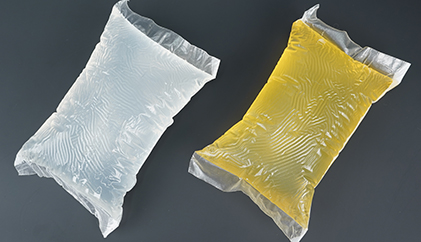
Because no solvents are used in the processing of such adhesives, they can be used for a wide variety of packaging applications. These adhesives are applied using hot melt applicators and can be formulated to adhere to a variety of substrates to operate over a wide range of production speeds and temperatures.
In bubble mailer production the adhesive performance affects sealing strength, opening, storage and production efficiency. Therefore an appropriate adhesive has to be matched to the respective film structure and production process and should not be chosen based on price only.
What should buyers check when selecting bubble mailer adhesive?
A number of technical criteria have to be checked by the buyer before approving an adhesive.
|
Selection factor |
Why it matters |
|
Adhesion strength |
Determines package sealing reliability |
|
Compatibilidad del sustrato |
Affects bonding between films and layers |
|
Resistencia a la temperatura |
Influences storage and transportation stability |
|
Application temperature |
Impacts production settings |
|
Aging performance |
Helps evaluate long-term storage |
Adhesives for bubble mailer packaging are selected based on the packaging structure, machine application, shipping environment, and recycling needs.
What challenges do manufacturers face when developing recyclable bubble mailers?
Creating recyclable packaging involves more than selecting an alternative material. Packaging components must function collectively as a system to create packaging that can be recycled.
How do materials affect recyclability?
When designing a recyclable bubble mailer, it is essential to consider the compatibility of all components. Films, cushioning, printing and adhesives are components of a system.
Even small problems with adhesives, for example during disassembly or processing, can negatively affect recycling. Thus, packaging engineers increasingly test adhesives in the early product development stage rather than waiting until mass production begins.
What trade-offs exist between protection and sustainability?
In order to protect your products from impacts, moisture, and handling damage, bubble mailers need to be sturdy enough to maintain their structure throughout the shipping process even when made with less material.
Manufacturers need to balance:
- Product protection
- Material reduction
- Recycling compatibility
- Production cost
- Customer expectations
A thinner package does not automatically translate into a better package, if in the process the products are subjected to increased risk of damage during transportation.
How should buyers evaluate hot melt adhesive for bubble mailer manufacturing?
When selecting a supplier for packaging, the buyer has to assess the supplier technically as well as commercially. Adhesive performance is closely linked to manufacturing requirements.
Which technical information should suppliers provide?
Before purchasing express bag hot melt glue or other adhesives, buyers should request the following documents:
- Technical data sheets
- Recommended application temperature
- Viscosity information
- Storage conditions
- Substrate compatibility guidance
- Sample testing support
Determine whether the adhesive in question can be matched by existing coating equipment and packaging materials with these documents.
How can manufacturers test adhesive performance?
Before mass production, manufacturers should conduct packaging tests under real operational conditions.
Important tests may include:
- Seal strength evaluation
- Temperature exposure testing
- Storage stability checks
- Opening performance testing
- Machine application trials
Lab data is very useful to gather first information, but to truly identify problems, it is better to conduct production trials to see at what speed, with what amount of coating and with which equipment settings problems occur.
What procurement factors should companies consider under EU PPWR requirements?
When packaging buyers make purchasing decisions they should consider compliance risks as well as cost and supply reliability.
What should a bubble mailer supplier checklist include?
A practical supplier evaluation checklist may include:
|
Category |
Buyer questions |
|
Materials |
What materials are used in the mailer structure? |
|
Adhesive |
Is the bubble mailer adhesive compatible with the design? |
|
Documentation |
Can the supplier provide technical information? |
|
Production |
Can the supplier support required volumes? |
|
Customization |
Are sizes, printing, and structures adjustable? |
The evaluation of offers can go beyond the price per unit when buying.
How do cost and supply stability affect purchasing decisions?
Saving on the cost of adhesive or packaging can end up costing more when production problems arise. Sealing failures, unstable product quality and inadequate technical support lead to higher waste rates and delivery delays.
When choosing suppliers, buyers should assess MOQ, lead time, packaging, possibilities for custom production and after-sales service.
Which supplier can support adhesive solutions for bubble mailer production?
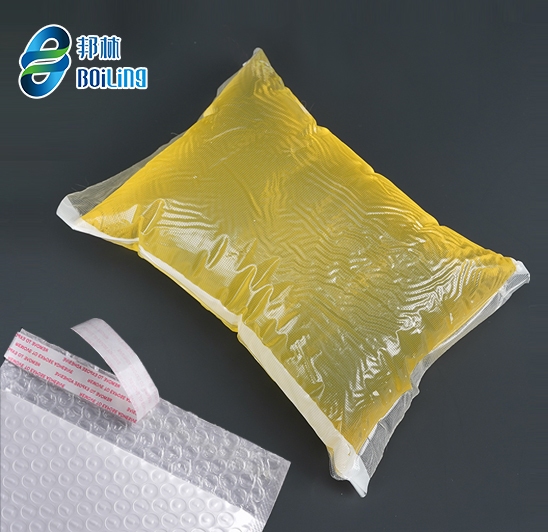
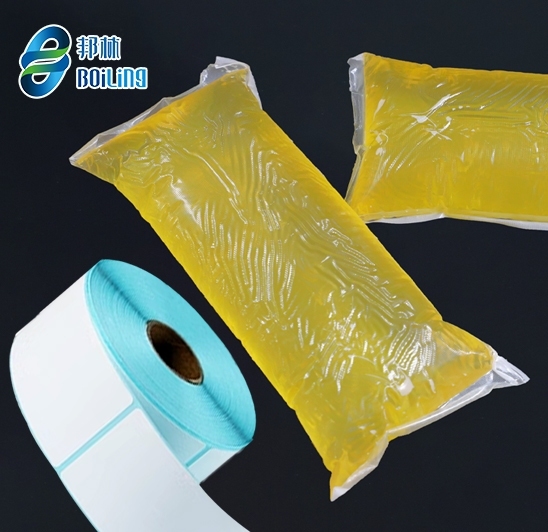
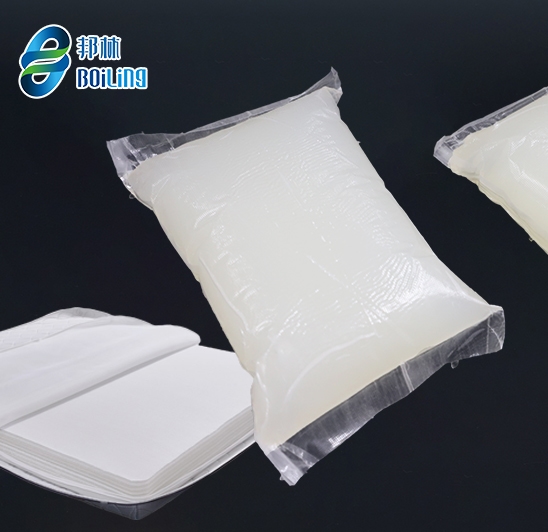
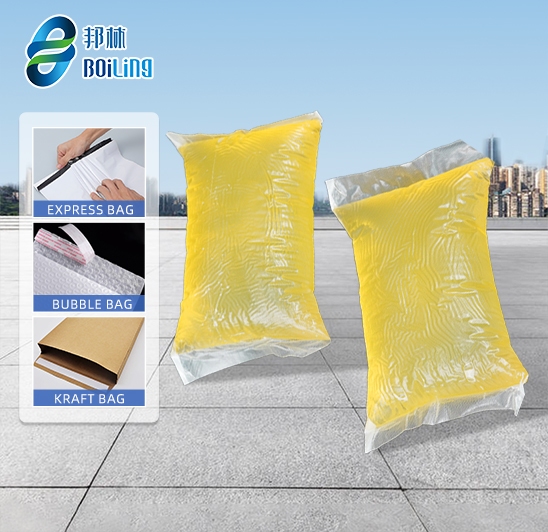
Hangzhou Boiling Adhesive Technology Co., Ltd. provides adhesive solutions including pressure sensitive hot melt adhesive for packaging-related applications. The company supports buyers looking for adhesive materials suitable for different production requirements, including express packaging and bubble mailer applications. Its services may include product selection support, technical communication, sample evaluation, and application discussions based on substrate and production conditions. For manufacturers developing recyclable bubble mailer packaging, adhesive compatibility is an important consideration alongside material structure and processing requirements. Buyers should still compare specifications, technical documents, pricing, delivery terms, and service expectations before making final purchasing decisions.
Conclusión
EU legislation PPWR is influencing packaging in terms of greater emphasis on recyclability, more consideration of materials and transparency of supply chains. Adhesive selection is an increasingly important design criterion for production performance of the adhesive and compatibility with the materials used in the packaging. When selecting a pressure sensitive hot melt adhesive or an express bag hot melt glue, the manufacturer should consider the range of substrates, production processes and sustainability aspects. A consideration of materials, adhesives and supplier documentation is important for manufacturers planning recyclable bubble mailer projects. A careful development of the product and evaluation of suppliers is necessary for this.
Preguntas frecuentes
1. What is the EU PPWR and why does it affect bubble mailer packaging?
The EU PPWR stands for the Packaging and Packaging Waste Regulation. It aims to boost packaging sustainability, raise the recyclability of packaging waste and optimize waste management systems.It affects the way companies design and supply packaging to the European market.
2. Why is adhesive important for recyclable bubble mailers?
Adhesive can affect how different layers of packaging are stuck together, as well as affecting whether or not something can be recycled. Therefore, when choosing an adhesive for your bubble mailers you should look for something that is going to meet your performance goals as well as the goals of the material.
3. What is pressure sensitive hot melt adhesive used for in packaging?
A Pressure Sensitive Hot Melt Adhesive is used for bonding of strong adhesion, fast processing, and solvent-free application.
4. How should buyers choose hot melt adhesive for bubble mailers?
Buyers should check substrate compatibility, application temperature, storage conditions, adhesion performance, testing support, MOQ, and supplier service capability.
5. Are recyclable bubble mailers more expensive?
Total costs depend on raw materials, manufacturing processes, adhesive formulas and supplier terms that are selected to meet the total production requirements and not just the cost of the materials.
 Consultar
 Aplicación Whatsapp
 Dejar mensaje
 arriba