









How E-Commerce Packaging Innovation Is Driving Demand for High-Performance Pressure Sensitive Hot Melt Adhesives

E-commerce packs are becoming lighter, smaller, easier to open, and easier to return. This requirement seems straightforward, yet the resealable closure strip must withstand high-temperature warehouse storage, cold transport vehicles, frequent bending, and delayed re-sealing by end customers for returns.High-performance pressure sensitive hot melt adhesives are now expected to do more on less material. The real challenge is not producing a strong laboratory bond. It is keeping tack, peel, shear, and clean release within a workable range on the actual packaging line.
Why Do Lighter E-Commerce Packages Place Higher Stress on Adhesives
A heavier package can hide small process errors. Thin mailers and reduced-board cartons cannot. When the structure flexes, the adhesive line carries more of the opening load, especially at corners and folds.
What Changes When the Package Uses Less Paper or Board?
Lightweight kraft, recycled liners, and coated papers differ in porosity and surface strength. One stock absorbs part of the molten adhesive; another leaves it on the surface. A continuous-looking strip may therefore causes insufficient fiber tear bonding contact on one paper and visible strike-through on another.
The package also bends more easily. During sorting and delivery, that movement creates peel stress along the closure edge. Adhesive that is too hard may lift; material that is too soft may creep inside a warm carton.
Why Do Return Strips Create a Different Bonding Problem?
A return strip may stay behind its release liner through filling, transport, delivery, opening, and storage in the customer’s home. By the time it is used, the adhesive has already aged inside the package.
It must still release cleanly and wet the return surface with ordinary hand pressure. Dust, folding, ink, and handling can interfere. Outbound and return closure performance should therefore be tested separately, even when both use the same adhesive family.
Which Adhesive Properties Decide Whether the Closure Works in Practice?
Pressure sensitive hot melt adhesives remain tacky after cooling, but tack alone says little about field performance. The formulation must make quick contact without moving slowly after the package is sealed.
How Should Tack, Peel, and Shear Be Balanced?
Tack matters during closure. Peel strength resists edge lift. Shear resistance limits movement while the flap remains under load for hours or days.
Optimizing one performance indicator often compromises another, as tack, peel and shear resistance exist in a trade-off relationship. A soft formulation may grab rough recycled paper quickly, then slide in heat. A harder grade may resist creep but require more pressure to wet a textured surface. The target depends on package weight, closure width, temperature, and whether the bond is permanent or used for returns.
Why Do Viscosity and Application Temperature Matter?
Viscosity controls pumping, coating, and penetration. If it is too high at the head, the strip may show ridges, skips, or heavy edges. If it is too low, the adhesive can spread or soak into lightweight paper.
Unnecessarily high application temperatures may improve flow briefly while increasing odor, oxidation, and deposits in the melter. A useful operating window is one in which coating stays even during normal running and short stops.
How Should Packaging Format and Surface Guide Adhesive Selection?
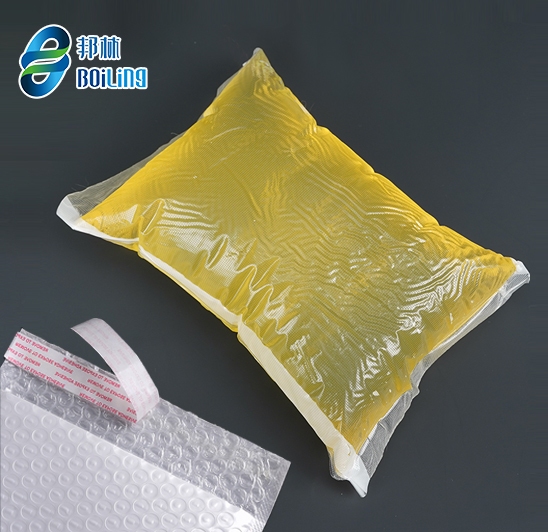
A paper mailer, corrugated carton, and printed plastic bag may all be described as e-commerce packaging. Their closure mechanics differ, so one grade should not be assumed to cover every format.
What Should Be Checked on Paper and Corrugated Surfaces?
Paper varies with fiber source, recycled content, sizing, coating, print coverage, moisture, and dust. Corrugated board adds flute structure and local thickness variation. A strip crossing a score line sees more movement than one on a flat panel.
Trials should include production paper from more than one lot. Check whether adhesive remains at the interface, whether fibers tear during opening, and whether the edge stays flat after filling. A clean paper surface after peeling often indicates poor wetting.
What Changes With Film, Coated Paper, and Mixed-Material Packs?
Films may contain slip agents or surface treatments that affect adhesion. Coated paper can present a low-energy surface despite looking uniform. Mixed-material packs add another variable because the adhesive may coat one substrate and later bond to another.
Release liner selection matters as well. Too little release force can expose the adhesive during converting; too much can distort the flap when the customer removes the liner. These components should be qualified together.
Which Failures Usually Appear After the First Successful Line Trial?
Short laboratory trials are carried out under ideal conditions: brand-new equipment, fresh adhesives, fixed paper substrates and full-time operators. Commercial production adds pauses, refill cycles, warm cartons, dust, and substrate variation. Marginal systems tend to fail there.
What Causes Edge Lift, Blocking, and Adhesive Transfer?
Edge lift often begins with poor contact at one corner, low closure pressure, or a strip too close to a fold. Blocking occurs when exposed adhesive touches the next package or softens under storage pressure. Transfer may come from an unsuitable liner or excessive coat weight.
Review these defects after conditioning, not immediately at the line. Stack finished packs, expose them to relevant temperatures, then reopen and reseal samples. A warm closure may behave differently after a day under compression.
How Can the Coating Process Create False Adhesive Complaints?
A tank setpoint does not confirm temperature at the slot die or nozzle. A restricted filter, cool hose, worn pump, or unstable web tension can change the strip without triggering an obvious alarm.
Record coat weight, line speed, head temperature, substrate lot, stop time, and defect location. A flaw repeating at the same machine position often points to coating or pressure distribution rather than formulation.
How Should Buyers Qualify Adhesive and Supplier Control Before Launch?
A useful approval process follows the package from coating through filling, storage, delivery, opening, and return. Laboratory peel values help compare samples, but they do not replace production-intent trials.
What Belongs in a Useful Qualification Plan?
Run normal speed, reduced speed, startup, and short-stop conditions. Use the intended paper, film, ink, liner, closure width, and coat weight. Check appearance, tack, peel, shear, edge lift, blocking, residue, odor, and release behavior.
Then test filled packages. Product weight and movement can change load on the seal. For return formats, age the unused strip through the outbound cycle before activation. The test should reflect how the closure will actually be used.
Which Purchasing Controls Protect Repeat Orders?
Formal product specifications shall clearly define the adhesive grade, viscosity interval, applicable temperature operating-window, coat-weight tolerance, color, packaging format, storage rules and shelf life. It should also identify the substrates and liner used during approval.
Retained samples and batch identification simplify complaint investigation. Changes in raw materials, production location, or formulation should require notice because running behavior may shift before a basic peel test reveals it.
How Can an Adhesive Supplier Support E-Commerce Packaging Projects?
Hangzhou Boiling Adhesive Technology Co., Ltd. supplies pressure sensitive hot melt adhesives for packaging, tape, label, and converting applications. A project brief can include package format, paper or film type, recycled content, print coverage, coating method, line speed, coat weight, release liner, closure width, storage temperature, and return-use requirements. Production-intent samples should be checked for tack, peel, shear, edge lift, blocking, residue, coating uniformity, odor, and aging behavior. Quotations should identify the approved grade, packaging, lead time, storage requirements, and inspection items. Before routine purchasing, both parties should approve trial parameters, acceptance limits, batch identification, retained samples, and formal change-notification requirements.
निष्कर्ष
E-commerce packaging innovation is making pressure sensitive hot melt adhesive selection more demanding, not less. Lightweight structures, recycled papers, return strips, and mixed materials leave little room for unstable coating or weak edge contact. The adhesive must be qualified with the real substrate, liner, line speed, coat weight, and distribution conditions. A broad operating window, documented process settings, and controlled repeat orders provide more value than chasing a single high peel result.
अक्सर पूछे जाने वाले प्रश्न
1. Why Do E-Commerce Mailer Seals Lift at the Corners?
Corner lift usually comes from poor pressure, strip placement near a fold, dusty paper, weak wetting, or insufficient shear resistance after the package warms or flexes during delivery.
2. Can One Pressure Sensitive Hot Melt Adhesive Work on Paper and Film?
It may, but paper porosity and film surface energy create different bonding conditions. Both materials should be tested with the intended coat weight, liner, pressure, temperature, and aging cycle.
3. What Causes Pressure Sensitive Adhesive to Block in Stacked Packages?
Blocking can result from exposed adhesive, excessive coat weight, warm storage, unsuitable formulation, liner movement, or packages being stacked before the closure area has cooled and stabilized.
4. How Should a Return Strip Be Tested Before Packaging Approval?
Age the covered strip through filling, storage, outbound shipping, and package opening. Then remove the liner and check tack, peel, edge lift, contamination resistance, and closure integrity.
5. Which Specifications Matter When Buying Pressure Sensitive Hot Melt Adhesives?
Review viscosity, application temperature, coat-weight range, tack, peel, shear, heat and cold behavior, substrate compatibility, liner release, storage conditions, shelf life, batch traceability, and change control.
 परामर्श
 व्हाट्सएप
 संदेश छोड़ें
 शीर्ष
शीर्ष