





सामग्री की तालिका
संबंधित समाचार
-
Conquering Label Lifting on Curved Surfaces: High Initial Tack Hot Melt for PET Bottles

-
Solving Plastic Label Wrinkling and Edge Curling on Flexible Packaging: The Role of High-Tack HMPSA
-
Express Bag Hot Melt Glue vs. Standard Packaging Adhesives: 4 Key Differences That Impact Your Bottom Line
-
Permanently Sealed: How Tamper-Evident Bubble Mailer Adhesive Protects Your E-Commerce Shipments and Brand Reputation
Preventing Label Edge Lift on Plastic Bottles: Solutions for PP & PE Adhesion
Walk through a daily chemicals filling line on a humid afternoon. Shampoo bottles roll off the conveyor, labels freshly applied. Everything looks perfect—until 48 hours later in the warehouse or on a store shelf. Edges start curling up. Corners lift. Customers notice the peeling right away, snap photos, and post complaints. Returns pile up. Procurement and packaging managers get the calls: “Why won’t these labels stay put on our curved PP bottles?”
PP and PE plastics dominate shampoo, body wash, and detergent packaging. They’re cheap, squeezable, and tough. But they have low surface energy. Adhesives struggle to grab them. Add curves, squeezes from handling, temperature swings in shipping, and plasticizer migration over time. Edge lift becomes almost inevitable with the wrong hot melt.
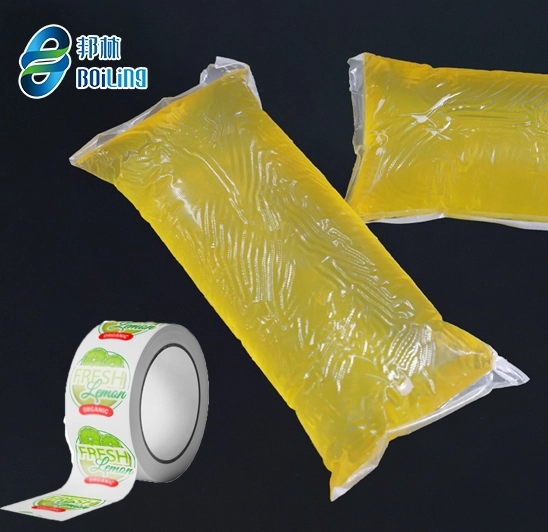
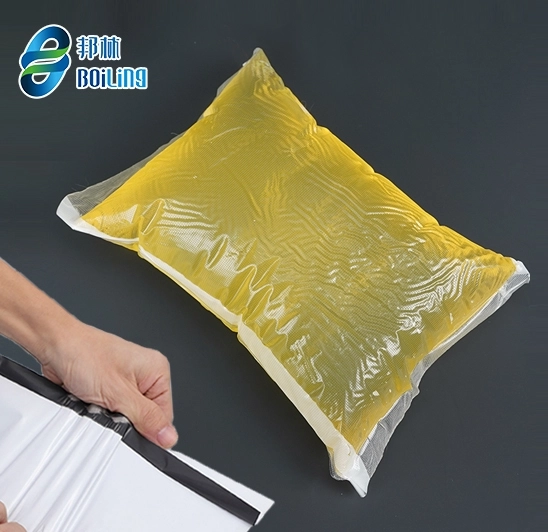
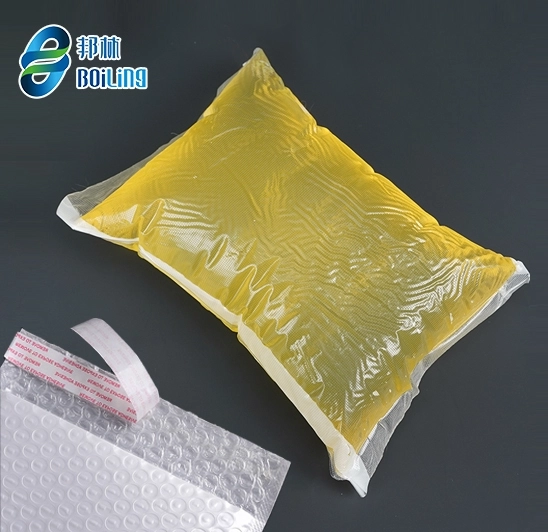
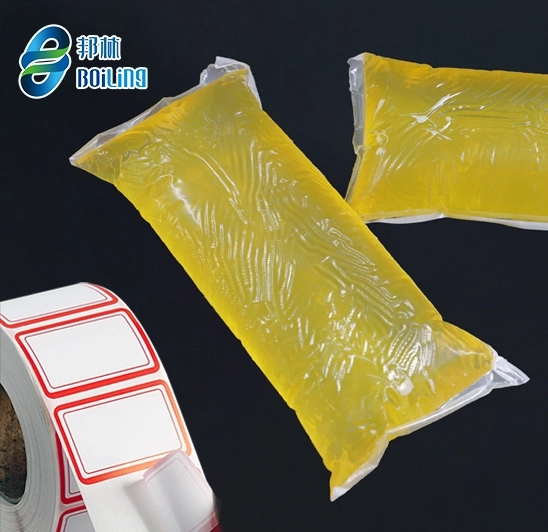
Coated paper label hot melt adhesive changes that story when formulated right. It grabs coated paper facestocks firmly while delivering lasting hold on tricky PP and PE surfaces. The result? Labels that resist curling, flagging, or full detachment—even on small-radius shampoo bottles.
Why Labels Lift on Plastic Bottles So Often
Curved plastic bottles create constant stress. The label wants to lie flat. The bottle fights back with its shape.
Common triggers include:
- Low surface energy on PP/PE— These plastics repel most adhesives naturally. Initial tack feels okay, but bonds weaken as plasticizers migrate outward over days or weeks.
- Curved geometry— On tight radii (like narrow shampoo necks or squeezable detergent bottles), the label stretches unevenly. Edges pull away first.
- Temperature cycling— Hot summer trucks or cold winter warehouses cause expansion/contraction. Ordinary hot melts lose grip.
- Moisture or condensation— Bottles sweating in humid storage make edges pop.
- Squeezing in use— Consumers grip hard. The bottle flexes. Weak bonds give way.
Packaging managers see the fallout in quality checks or retailer feedback. A batch passes right after labeling. Two days later? Complaints flood in. Production slows for rework. Margins shrink.
How Coated Paper Label Hot Melt Adhesive Tackles PP & PE Challenges
Good coated paper label hot melt adhesive balances quick grab with long-term staying power.
It starts with synthetic rubber bases that flow smoothly at application temps (usually 150–180°C). Viscosity sits around 4300 cps at 180°C—thick enough for clean coating, thin enough to wet out low-energy surfaces.
Key strengths show up here:
- Strong initial tack locks the label instantly on high-speed lines.
- High ultimate peel strength builds over hours, fighting edge lift even after plasticizer migration starts.
- Solid resistance to temperature swings—stays pressure-sensitive in cold conditions without getting brittle.
- Reliable adhesion to coated paper while bonding tightly to PP, PE, and even some ceramics or tires.
In real runs, this means labels hug curved bottles without gaps. No more “smiling” edges or corner flags after a week on shelf.
One mid-sized shampoo filler switched to a rubber-based hot melt like this. Edge lift complaints dropped sharply—down over 60% in customer returns within three months. Lines ran cleaner too, with less adhesive stringing or nozzle buildup.
Application Tips That Make a Real Difference
Getting the adhesive right is half the battle. The other half happens on the line.
Pay attention to these:
- Surface prep— Wipe bottles clean and dry. Grease, dust, or mold-release residue kills adhesion fast.
- Application temperature— Keep it in the 150–180°C sweet spot. Too cool? Tack drops. Too hot? Viscosity thins out, causing bleed or weak spots.
- Open time and set speed— Match the adhesive’s open time to your line speed. Too long invites dust pickup. Too short risks poor wetting on curves.
- Pressure during labeling— Firm, even roller pressure helps the adhesive wet out low-energy PP/PE fully.
- Label material match— Coated paper works great here because it pairs well with pressure-sensitive hot melts designed for it.
Small tweaks like these turn good adhesive into great performance. Managers who dial them in see fewer rejects and happier downstream partners.
Real-World Scenarios from Daily Chemicals Lines
Picture a detergent bottle line running oval HDPE containers. Labels go on at 200 bpm. Old adhesive held okay at first. But after two weeks in a hot warehouse (35°C+), edges lifted on 15–20% of cases. Retailers threatened delisting.
They tested a coated paper label hot melt adhesive with strong low-temp sensitivity and PP/PE grip. Results:
- Instant fixation stayed solid on the curved front panel.
- No edge lift after accelerated aging (heat + humidity cycles).
- Peel strength held above industry benchmarks even on squeezable spots.
Another case: premium shampoo in slim PP bottles. Curved shoulders caused frequent corner flags. Switching to a hot melt that balanced tack and peel cut flags to near zero. Shelf appeal improved. Brand complaints vanished.
These aren’t rare wins. They’re common when the adhesive matches the substrate and the stress points.
Introducing Banglin as Your Hot Melt Adhesive Partner
Banglin (Hangzhou Boiling Adhesive Technology Co., Ltd.) focuses on hot melt adhesives for packaging and daily chemicals. Based in Hangzhou, they’ve built expertise since 2005 in pressure-sensitive hot melts, including label glues.
Their facility handles high daily output with a 20,000-ton upgrade project underway. They hold national high-tech status plus provincial certifications for specialized innovation. Products stay eco-friendly—low VOC, non-toxic, RoHS and MSDS compliant.
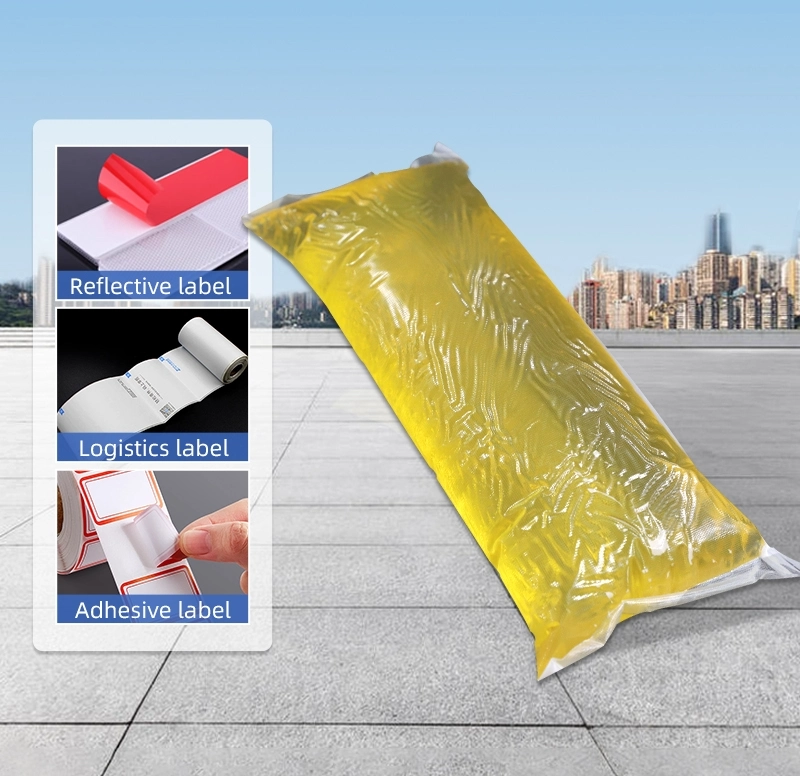
Banglin’s coated paper label hot melt adhesive uses synthetic rubber for quick grab and lasting hold on PP/PE plastics. It fights edge lift on curved bottles while keeping coated paper labels flat and secure. They offer custom tweaks through ODM/OEM—adjusting viscosity, tack, or climate resistance to fit exact lines.
With strong technical support and reliable supply, Banglin helps packaging teams cut downtime, boost yield, and deliver bottles that look good from factory to bathroom shelf.
निष्कर्ष
Edge lift on plastic bottles frustrates everyone—managers chasing quality targets, brands guarding reputation, retailers avoiding returns. Coated paper label hot melt adhesive built for PP and PE adhesion solves the core issues: weak initial grab, plasticizer migration, curve stress, and temperature swings. Pick one with balanced tack, strong peel, and climate tolerance. Pair it with clean surfaces and proper line settings. You’ll see labels stay put longer, complaints drop, and production run smoother.
The right adhesive isn’t just glue. It’s insurance against the peeling that costs real money and trust.
अक्सर पूछे जाने वाले प्रश्न
What causes most label edge lift on PP and PE shampoo bottles?
Low surface energy on the plastic makes initial bonds weak. Curved shapes add stress. Plasticizers migrate over time and break adhesion. Temperature changes in storage make edges curl or flag. A good coated paper label hot melt adhesive fights these with strong wet-out and lasting peel strength.
How does coated paper label hot melt adhesive improve hold on plastic containers?
It grabs coated paper facestocks tightly while bonding well to low-energy PP/PE. Quick initial tack fixes the label fast on lines. High ultimate peel resists lifting after days or weeks. Temperature-stable formulas keep performance steady in hot or cold conditions.
Can the right hot melt glue stop edge lifting on curved shampoo bottles?
Yes—especially ones designed for plastic adhesion. Look for balanced tack and peel, plus good low-temp sensitivity. Many fillers see edge lift drop 50–70% after switching, with fewer returns and cleaner shelves.
Why choose coated paper labels with pressure-sensitive hot melt for daily chemicals?
Coated paper gives a premium look and prints sharply. Paired with coated paper label hot melt adhesive, it delivers instant fixation and long-term stability on squeezable PP/PE bottles. No curling or detachment during transport or use.
What line adjustments help prevent label peeling with this adhesive?
Keep application temp at 150–180°C. Ensure bottles are clean and dry. Apply firm, even pressure. Match open time to your speed. These steps let the coated paper label hot melt adhesive wet out curves fully and build strong bonds that last.
 परामर्श
 व्हाट्सएप
 संदेश छोड़ें
 शीर्ष
शीर्ष