






Optimizing Production Yield: Reducing Adhesive Waste in Bottle Cap Manufacturin
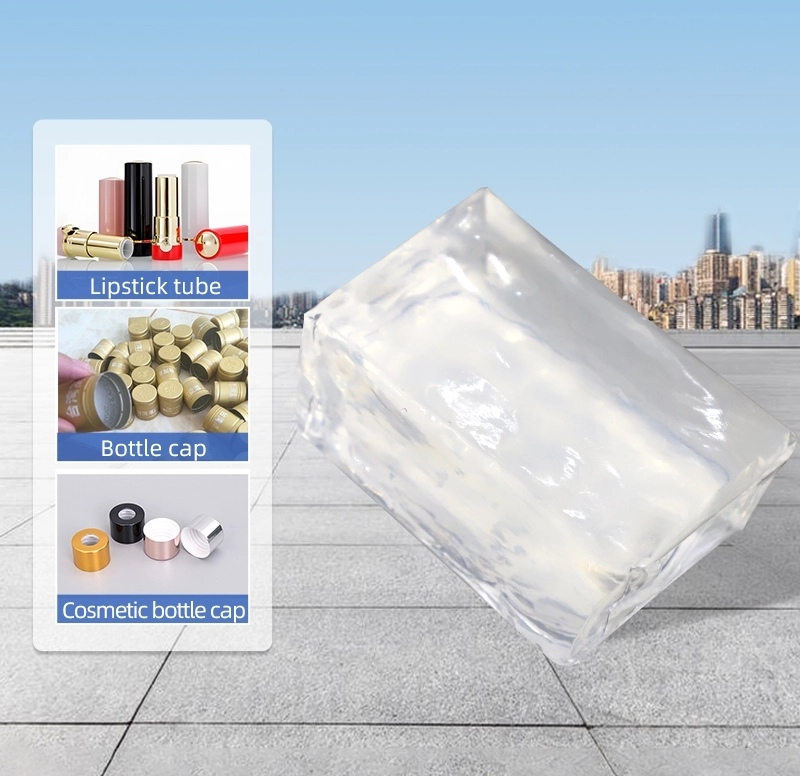
Bottle cap lines move fast. One small problem with the adhesive and your yield drops. Scrap starts piling up. Many plants lose 8 to 12 percent of material because of overspray, stringing, or bonds that just don’t hold up. Those losses add up fast when you produce millions of caps every day.
The right bottle caps glue can change those numbers for the better. Polyolefin-based hot-melt adhesives made for this job spray cleanly and create very strong bonds. You end up using less material overall. Your first-pass yield goes up. Downtime drops. And you save real money on adhesive and rework.
Why Adhesive Waste Hits Bottle Cap Production Hard
Imagine a typical high-speed capping line. Caps race through at 400 to 600 pieces per minute. The adhesive gets sprayed onto the liner or the spot where plastic meets aluminum. It needs to create a tight seal.
If the glue strings or drips or spreads too much, you waste material. You also risk leaks or contamination. Whole batches can end up as scrap.
Here are some common headaches on the floor:
- Overspray and misting that lands on machines or misses the target.
- Beads that come out uneven and create weak spots.
- Bonds that fail under heat or during shipping, which leads to returns.
- Nozzles that clog often and force the line to stop for cleaning.
These problems burn through adhesive. They also eat up labor time and slow down total output. Plants working on tight margins feel the pain quickly.
How Precise Spraying Cuts Waste at the Source
Good bottle caps glue works especially well with spray systems. It flows smoothly at the right temperature. It does not sag or leave long tails behind.
This gives you cleaner results. The spray pattern stays narrow and controlled. It hits exactly the right spot every time. You often need 15 to 25 percent less adhesive per cap, yet the seal still holds strong.
Clean-up happens less often too. Lines stay running longer between maintenance.
For example, one mid-sized beverage cap maker cut their usage from 1.8 grams down to 1.4 grams per 1,000 caps. They switched to a low-sag polyolefin hot-melt. That saved them thousands of pounds of material each year. Nozzle cleaning time dropped by almost 40 percent because the glue did not char or build up as fast.
Precise spraying also fits nicely with modern equipment. You get even coverage on plastic and aluminum surfaces without extra glue going to waste.
The Power of High Bond Strength in Cutting Long-Term Costs
Strong initial grab and lasting bonds matter just as much as clean spraying. A solid bottle caps glue sticks well to different materials, like plastic liners to metal shells. Caps stay tight even when temperatures swing or packages get handled roughly.
This strength helps in several direct ways. You see fewer rejects during final checks. Customer complaints drop. You rarely need extra sealing steps or thicker liners.
In actual production, yield numbers often improve. Lines that used to hit 92 percent first-pass yield can reach the mid- or high 90s. Over a full year, that extra good output pays back the adhesive cost many times.
Polyolefin hot-melt types stand out because they handle heat well and stay flexible. They resist cracking during filling and capping. Many also meet food-contact rules and environmental standards, so compliance stays simple.
Cost-Efficiency Strategies That Actually Work on the Floor
Focus on two main things: how cleanly the glue sprays and how well it holds. When both work together, waste disappears from the process.
Here is a simple comparison of what often happens:
|
aspek |
Traditional Adhesive Approach |
Optimized Bottle Caps Glue Approach |
Estimated Annual Impact (for a 50M cap/month line) |
|
Adhesive use per 1,000 caps |
1.7-2.0 g |
1.3-1.5 g |
8,000-12,000 lbs saved |
|
Line downtime for cleaning |
4-6 hours/week |
1-2 hours/week |
150-200 extra production hours |
|
First-pass yield |
90-93% |
96-98% |
Hundreds of thousands more good caps |
|
Scrap/rework rate |
7-10% |
2-4% |
Major reduction in material and labor waste |
These figures come from real experiences across packaging plants. Your own results will depend on your equipment and team, but the direction usually stays the same.
Here are some practical steps you can take right away:
- Check your current spray settings and nozzle condition. Small adjustments in pressure or temperature can cut overspray fast.
- Test different bottle caps gluesamples on your actual materials and at your normal line speed.
- Show operators what a good spray pattern looks like — clean edges, no strings, steady coverage.
- Track how much adhesive you use and how many caps get rejected each week. The data tells a clear story.
Many plants also gain from suppliers who can customize the glue. They adjust thickness, how long it stays open, or other details to fit your exact setup. You get better results without big changes to your machines.
Real-World Impact on the Production Floor
Consider a cosmetic or beverage cap line that runs around the clock. Weak bonds used to force teams to pull full pallets for re-capping after storage. After they changed to a high-strength, easy-spray polyolefin glue, most of those problems went away. Operators saw the difference immediately — cleaner machines, less glue on the floor and on gloves, and caps that passed torque tests every time.
Another factory faced big demand spikes during busy seasons. The faster setting time and reliable spray let them increase output without adding extra shifts just for fixing mistakes. Material costs went down. They also freed up space in the warehouse that used to hold scrap.
These are not just ideas on paper. They show up as lower cost per cap and smoother days where teams can focus on growth instead of constant fixes.
About Banglin as Your Hot-Melt Adhesive Partner
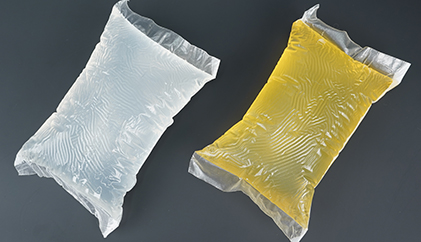
Banglin runs a large facility of over 15,000 square meters. They produce up to 100 tons of hot-melt adhesive every day. As a steady hot-melt adhesive products supplier, they focus on polyolefin formulas, including ones made especially for bottle cap uses.
Their team handles standard items as well as full custom ODM and OEM work. They work closely with manufacturers to adjust formulas for better spray performance, stronger bonds, and faster production speeds.
They also run their own R&D center with good testing equipment. This lets them support clients with sample trials, application tips, and ongoing help. The hands-on style makes it easier for packaging producers to cut waste and raise yields without starting over.
Kesimpulan
Reducing adhesive waste in bottle cap manufacturing comes down to picking a bottle caps glue that sprays cleanly and holds really well. When those two things line up, you use less material. Lines stop less often. More good caps leave the door every shift.
The benefits show up in better margins, satisfied customers, and a smoother production floor. Small changes in your adhesive choice and daily habits can bring big returns over time.
If you are tired of watching material disappear into overspray or dealing with caps that come loose, it might be worth testing something better. The right bottle caps glue does more than just stick. It helps your whole line run smoother.
Pertanyaan FAQ
What makes a good bottle caps glue for high-speed spray application?
It flows evenly without long strings or sagging. It sets fast enough for busy lines. Polyolefin hot-melt versions often give this balance. They also bond well to the plastic and aluminum surfaces you see in most caps.
How much adhesive waste can precise spraying actually reduce?
Many plants cut usage by 15 to 25 percent per cap when they move to a low-sag formula and fine-tune their equipment. That adds up fast at high volume. Cleanup gets easier too.
Does higher bond strength in bottle caps glue really lower overall costs?
It does. Stronger and more consistent bonds mean fewer bad caps at inspection and fewer returns later. The savings on scrap and extra work often cover any price difference in the glue itself.
Can bottle caps glue be customized for our specific production line?
Yes, it can. Suppliers like Banglin offer ODM and OEM services. They can tweak viscosity, open time, heat resistance, and other traits to match your materials, speeds, and machines.
What should we measure to track improvements after changing bottle caps glue?
Watch grams of adhesive per 1,000 caps. Check line uptime between cleanings. Track first-pass yield and scrap rates. These numbers show the real difference in cost and efficiency pretty quickly.
 Konsultasi
 Aplikasi Whatsapp
 Tinggalkan Pesan
 atas
atas