







Tabel isi
Berita terkait
Removable vs Permanent Label Adhesives: How to Choose the Right Hot Melt PSA
A removable label and a permanent label can look identical when they leave the converting line. The difference appears later, after hours or months on glass, PE, PP, PET, cartons, or metal. A permanent hot melt PSA is expected to keep a reliable bond. A removable grade has a harder job: it must stay attached during handling, yet come off without unacceptable residue or surface damage. For label converters and adhesive buyers, relying solely on “high tack” versus “low tack” is too simplistic. Define the substrate, label life, service temperature, removal time, residue tolerance, and coating conditions before choosing the adhesive.
When Should You Choose a Removable Adhesive Instead of a Permanent One?
The choice begins with what the label should do at the end of its service life. If removal is not part of the specification, a permanent grade is usually easier to qualify. If clean removal matters, that behavior has to be designed and tested from the start.
Where Does a Removable PSA Make Sense?
Temporary promotion labels, reusable containers, and short-term identification are common examples. The label still needs enough initial tack to survive dispensing and handling. What changes is the behavior after dwell time.
A sample that removes cleanly after 30 minutes may leave heavy residue after three months of ageing on the substrate. Another formula may peel easily but lift at the corners in cold storage. “Removable after one day” and “removable after six months” are different specifications.
Where Is a Permanent PSA the Safer Choice?
Logistics labels, product identification, and applications where label loss creates a traceability risk usually favor permanent adhesion. Here, edge lift, creep, moisture, temperature change, and long storage matter more than clean removal.
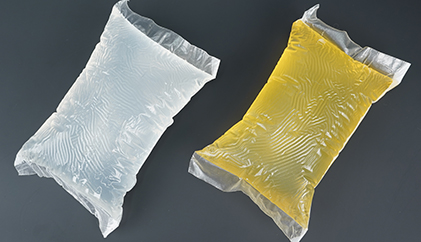
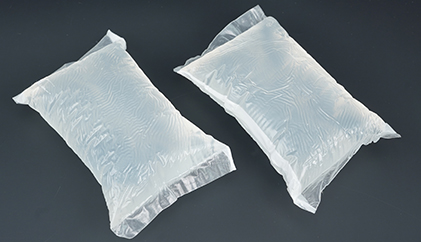
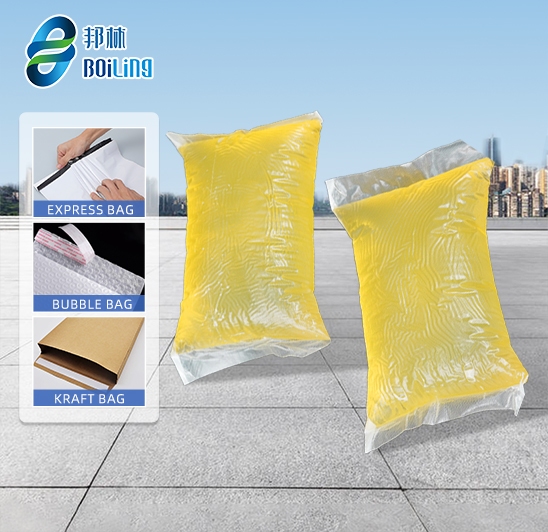
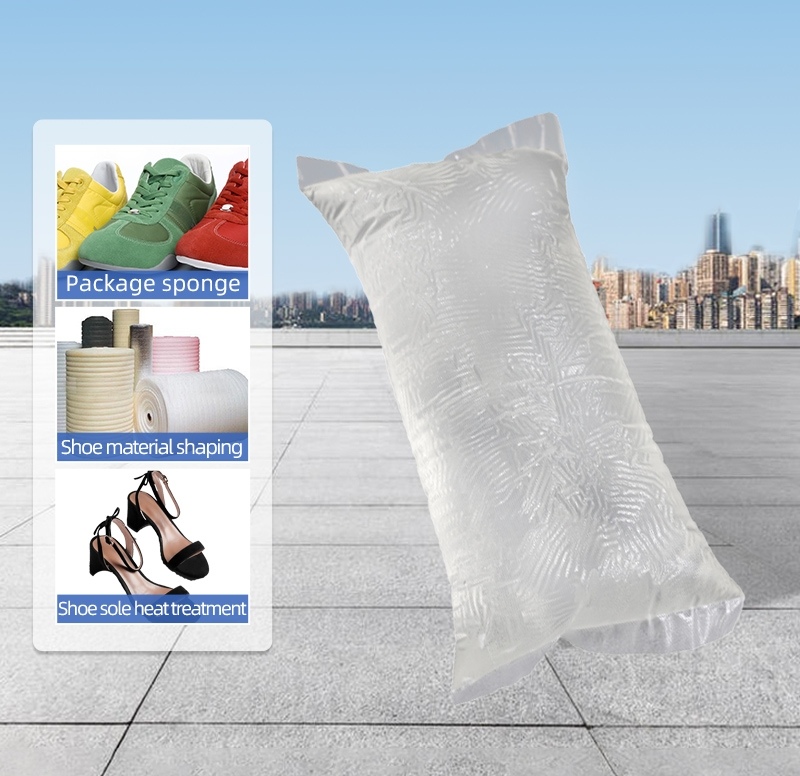
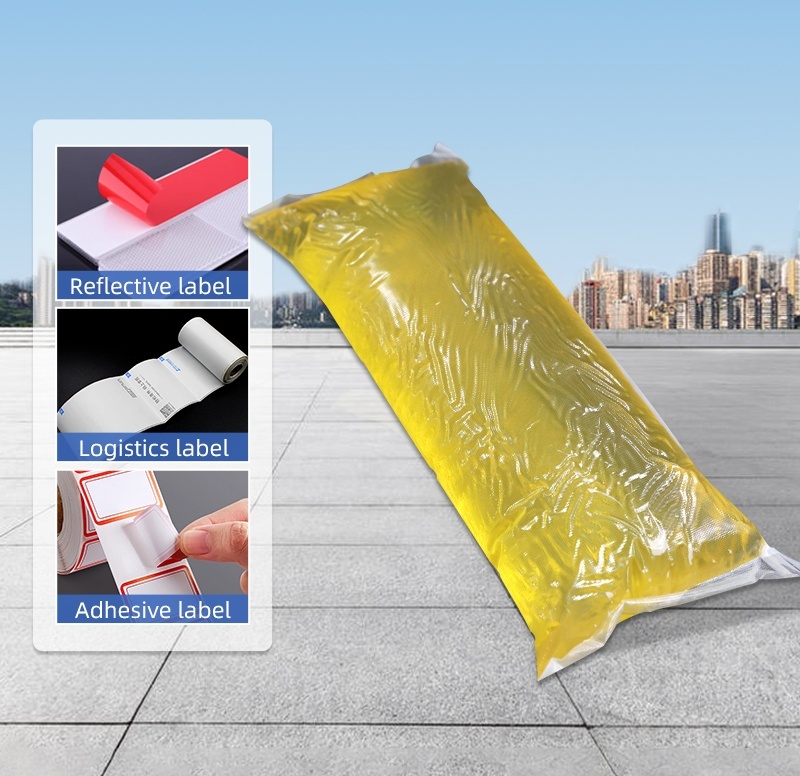
The Label Adhesive Glue range gives converters a useful starting point for comparing label applications before discussing a custom grade.
Why Can the Same Hot Melt PSA Behave Differently on Glass, PE, PP, or PET?
A label adhesive interacts with the actual surface. Those surfaces can differ far more than their material names suggest.
Surface Energy Is Only Part of the Story
PE and PP are harder to wet than glass or many coated papers. Even two PE containers can behave differently because of slip agents, recycled content, treatment, contamination, or molding residues. PET can also vary by coating and finish.
That is why a supplier needs the real substrate. A smooth laboratory panel may give a clean peel result while the production bottle shows edge lift or residue. The Label/Tape Industry solution page can help buyers map substrate and process requirements before sampling.
Dwell Time Can Change the Result
Pressure-sensitive adhesives continue to wet the surface after application, so peel force can rise with time. Heat may accelerate that process; cold can reduce tack and flexibility.
For removable labels, test removal after realistic dwell periods. For permanent labels, check whether adhesion stays stable without creep, bleed, or edge lift.
Which Hot Melt PSA Parameters Matter Most During Selection?
The most useful TDS is not the one with the largest numbers. It is the one that helps the converter predict coating behavior and final label performance.
Start With Rheology and Processing Data
The Label Lem Meleh Panas reference lists a synthetic-rubber-based system with a softening point of 95±4°C, viscosity of about 4,300 cps at 180°C, and a recommended application range of 150–180°C.
Those figures are a starting reference for that grade, not a universal target. Confirm the latest TDS, coating method, line speed, face stock, and liner before approval.
Do Not Judge the Adhesive by Tack Alone
Initial tack matters because the label has to stay where it is placed. Peel shows how the bond develops. Shear or holding power shows whether the adhesive creeps under load. For removable labels, residue and surface damage matter as much as peel force.
A practical comparison should cover initial tack, peel after more than one dwell period, shear or holding performance, edge lift after heat or cold exposure, adhesive transfer, liner release, and die-cut cleanliness. ASTM D6195, D6252, D3330, and D3654 are useful reference methods for tack, peel, and shear comparisons.
How Should a Converter Test Removable and Permanent Label Adhesives?
Keep the face stock, liner, coat weight, substrate, application pressure, and conditioning conditions consistent when comparing adhesives. Otherwise the trial may be comparing constructions rather than formulas.
Build the Test Around the Real Application
For a beverage bottle, test the actual bottle. For a reusable plastic container, use the same resin and finish used in production. If the package is refrigerated, include cold conditioning. If the label stays in place for months, include longer dwell points.
A useful plan can include immediate tack, 24-hour peel, longer-term peel, holding power, residue inspection, edge lift, and environmental aging. The article Apa yang Membuat PSA Stick? Ilmu di balik Tack, Cohesion, dan Adhesion helps explain why good tack can still coexist with poor holding power or unwanted residue.
Look at the Failure, Not Just the Number
A peel value alone does not explain why a label failed. Was adhesive left on the bottle? Did the face stock tear? Did the adhesive split internally? Did the edge lift only after refrigeration?
These observations guide formulation changes. Residue may point to cohesive balance. Poor wetting on PE may require a different formulation or process setting. Face-stock curl may not be an adhesive-strength problem at all.
What Should Procurement Ask Before Approving a Label Hot Melt PSA?
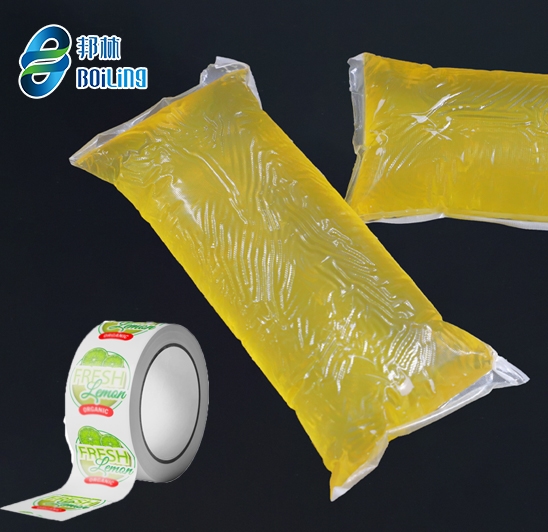
A good technical inquiry saves sampling rounds. Instead of asking for “a removable glue” or “a stronger permanent glue,” give the supplier the conditions that define success.
Send the Information That Changes Adhesive Behavior
Provide the face stock, liner, substrate, coating method, target coat weight, line speed, application temperature, service temperature, dwell time, and expected label life. For removable applications, state what “clean removal” means: no residue, no staining, no surface damage, or a defined peel range.
The Label Industry Trends 2026 article gives added context on why label constructions and end-use requirements are becoming more varied.
Approve a Working Window, Not a Single Sample
Before a production order, run the selected adhesive on the actual coating line. Record the approved coat weight, temperatures, line speed, liner, substrate, and aging result. Keep a retained sample.
If the customer later changes bottle resin, face stock, coating, recycled content, or storage conditions, repeat the affected tests instead of carrying the old approval forward.
Professional Technical Support from Hangzhou Boiling Adhesive Technology Co., Ltd.
Hangzhou Boiling Adhesive Technology Co., Ltd. develops customized hot melt pressure sensitive adhesives for permanent and removable label applications. Our products support coated paper, thermal paper, plastic film, beverage, logistics and other label constructions for substrates including PE, PP, PET, glass, metal and carton.We provide targeted formula adjustment, performance testing, and production-line trial verification before launching into mass production.. Customers can send actual face stock, liner, substrate, coat-weight target, line speed, service temperature, dwell time, and removal requirements. Our technical team can then recommend a practical trial window for tack, peel, shear, viscosity, and aging performance before reliable internal qualification and mass production.
Kesimpulan
The choice between removable and permanent label adhesives is best made with an eye to the work ahead. Substrate type, dwell time, service temperature, tolerance for residue and peel strength, and coating conditions must all be considered. In general, permanent grades require cohesive strength to resist edge lift and creeping adhesion, while removable grades require a balance of initial tack and peel strength for easy, residue-free removal. Testing on the target construction, with subsequent analysis of peel and shear performance, aging characteristics, and residue after removal, is the surest way to find the right adhesive.
Pertanyaan FAQ
1. Is removable hot melt PSA simply a low-tack permanent adhesive?
No. A removable PSA still needs enough initial tack for application and handling. Its formulation must also control adhesion growth, peel force, cohesion, and residue over the intended dwell period.
2. Can one removable label adhesive work on glass, PE, PP, and PET?
Sometimes, but removal behavior is substrate-specific. Surface energy, additives, coatings, texture, and aging can change peel force and residue, so each important production surface should be tested.
3. Which peel test is useful for pressure-sensitive label stock?
ASTM D6252 is commonly used for 90-degree peel testing of pressure-sensitive label stock. Record the substrate, dwell time, conditioning, and test setup because those details affect the result.
4. Why does a removable label leave residue after long storage?
Heat, long dwell, substrate additives, excessive coat weight, or an unsuitable cohesion-to-adhesion balance can increase residue. Aging trials should reproduce the real storage and removal conditions before approval.
5. What should a buyer send before requesting a label adhesive sample?
Send the face stock, liner, substrate, coat weight, line speed, application temperature, service temperature, dwell time, expected label life, and required removal behavior so the trial reflects production.
 Konsultasi
 Aplikasi Whatsapp
 Tinggalkan Pesan
 atas
atas