







How Are Poly Mailers Manufactured? A Complete Guide for Packaging Buyers
Simple Poly mailers are an easy product to understand. However their manufacturing quality can be a major factor in the sealing strength of the product, the potential for damage to packages during transit, customer complaints and ultimately the cost of production and reliability of a supplier. To packaging buyers, e-commerce brands, courier bag converters and procurement teams the polyethylene film is just the basic ingredient of the mailer. What is critical is the quality of the seal strip, release liner, print, cut and the Express Bag Hot Melt Klej used. All of these elements must function properly to deliver a mailer that can seal, withstand handling and be a reliable item to use time and again on production lines.
How does poly mailer manufacturing start with film selection?
Poly mailers are typically produced using polyethylene film, and the film structure is critical in determining the key characteristics of the mailer. These include puncture resistance, flexibility, printability and adhesion of the adhesive strip to the film surface.
How is polyethylene film prepared for mailer production?
The majority of poly mailers are made from plastic film that has been supplied in roll form. As a converter it is essential to check the film for factors such as thickness, width, surface quality, color and the tension of the roll. If the film has developed wrinkles, has an inconsistent gauge or has become contaminated then the subsequent processes such as printing, sealing and adhesive coating will become less stable.
When purchasing films for your packages, consider the items that you are shipping as the buyer. You will likely need Apparel Mailers, Document Mailers, Returnable Bags, Bubble Mailers and Courier Envelopes. These items are made with different thicknesses of films and vary in opacity and surface finish.
Why does surface treatment matter before adhesive application?
A pressure sensitive adhesive needs to have enough contact with the surface of the film in storage and during shipment. The surface of polyethylene films have low surface energy and can be contaminated which can cause the glue not to wet the surface.
Typically converters inspect surface treatment, cleanliness and storage conditions prior to applying adhesives. For self-sealing poly mailers, this is particularly important as the adhesive strip must remain functional until the end user seals the package.
How are printing, cutting, and bag forming completed?
Following film selection the production line converts the rolled material into individual mailers, each stage having an effect on the outer appearance, size and usability of the mailer.
How is branding or shipping information printed on the film?
In general, printing is completed prior to bag making. Key items to inspect include: dryness of ink, color consistency, readability of barcodes, proper alignment of logos and rub resistance.
For custom mailers, we want approval of your artwork before we start mass production of your custom printed mailers. A small error in the layout, registration or color matching on your artwork once it has been put onto the film roll and you are in full production can cause huge amounts of waste.
How are the bags sealed and cut to size?
Printed or unprinted film is folded and then side sealed, bottom sealed, perforated if required and cut into individual bags. The heat sealing conditions depend on the film type and thickness.
Not enough heat can result in poor quality seams. Too much heat can cause distortion to the film and result in shrinkage of the edge or a poor seal. Typical items that a quality team would inspect for are seam strength, dimensions of the bag, opening direction and flap position.
How is pressure sensitive hot melt adhesive used on poly mailers?
The adhesive strip is probably the most important feature of a self-sealing mailer. The adhesive strip needs to stay adhered during shipping and at the same time be stable enough for converting and enable the removal of the liner in a clean fashion.
How does pressure sensitive hot melt adhesive work?
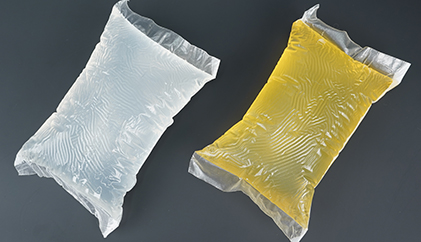
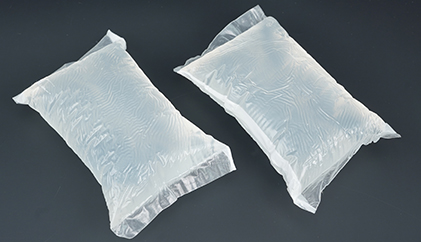
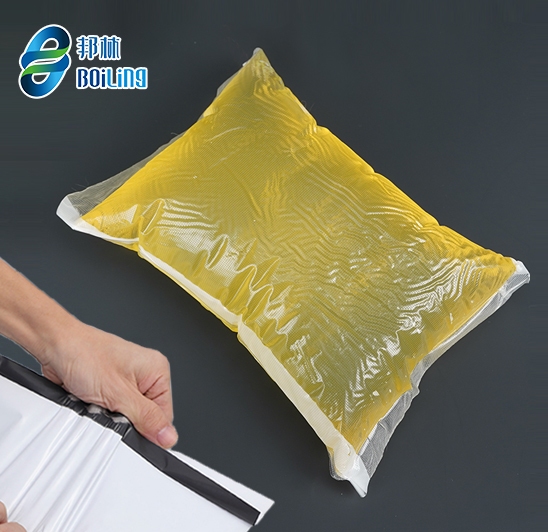
Pressure sensitive hot melt adhesive is applied to the adhesive flaps in a molten state, then allowed to cool until tacky. When a flap is pressed against a bag, the adhesive spreads out and comes into contact with the opposite film surface.
For quality control, peel adhesion is often tested in pressure sensitive adhesive applications. ASTM D3330/D3330M describes peel adhesion test methods for pressure-sensitive adhesive tape and notes that the methods can assess adhesion uniformity within a roll, between rolls, or between production lots. This is a voluntary test method unless a buyer specification or contract requires it. (ASTM International)
What should buyers check in Express Bag Hot Melt Glue?
Key characteristics for the buyer to consider include tack, peel strength, holding power, softening, application temperature, open time, odor, color, viscosity stability and compatibility with polyethylene film. The adhesive should also be compatible with the coating equipment, allow for the required line speed, coating width and release liner.
Temperature resistance of adhesives is important for items stored in warehouses. If an adhesive is too sensitive to temperature then in warm storage it can become too soft to handle and in cold storage it can become too brittle to handle. The closure then fails in transit.
What quality checks help reduce sealing failure and shipment risk?
Good manufacturing control can prevent complaints from occurring in distribution. Items are checked for film, seal, print and adhesive problems before they are sent out in cartons from the factory.
Which checks should be done during production?
Film thickness, bag size, side seal strength, flap alignment, adhesive strip width, liner position, printed area appearance and carton count are all practical checks on production. Also glue stringing, skip coating, coating not uniform and liner misplaced.
This basic buyer checklist includes: film specification, adhesive datasheet, sample approval, test method, packaging method, carton label, production date, retention sample.
What failures should buyers look for in samples?
Some of the more common issues encountered with samples are weak side seals, difficult opening, adhesive has transferred to liner, poor closure of flap, coating is not uniform, product has off-odors or print has smudged. Some of these failures only become apparent after storage therefore buyers may ask for aging checks or confirmation of storage conditions.
When you have special shipping needs, test the mailer first with the actual goods for the tested weight and the way you packed them. A mailer that is okay for lightweight, smooth articles like garments will not work for sharp, heavy or irregularly shaped goods.
What compliance and documentation issues matter for poly mailer buyers?
Poly mailers are a common method for shipping goods but additional documentation is required for certain end markets, product categories and customers.
Which adhesive regulations may matter in special packaging cases?
For general courier service packages such as shipping mailing bags for packaging transport, the rule on food-contact adhesives typically will not apply; but in such cases where such packages are to be used for packaging of food or for other regulated products contact, the buyer should check the appropriate rule with a qualified compliance professional.
In the US, 21 CFR 175.105 deals with adhesives which are used as components of articles which are intended to come into contact with food and are used for packaging, for transport or as containers for food. Express bags do not automatically fall within the scope of this regulation – their scope will depend upon their use and upon the extent to which various components of the bags are in contact with each other and with food. (Federal Register)
What documents should suppliers provide before bulk orders?
A Technical datasheet, Safety data sheet, Adhesive specification, Sample report, Production inspection report, Packing list, Material statements etc. may be required by a buyer. For custom mailers, Artwork approval and Pre-production samples are critical.
When a supplier refers to a certification or compliance it is always important to ask the buyer whether it refers to the adhesive, the finished bags, the factory or the supplier’s self declaration.
How can Hangzhou Boiling Adhesive Technology Co., Ltd. support express bag adhesive sourcing?
Once the film, sealing, coating and performance needs have been determined, selecting the right supplier of adhesives becomes much easier. This section will give you a good idea of who we at the client company use for sourcing adhesives but this does not replace actual testing of samples.
What product area does the company focus on?
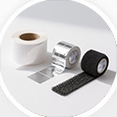
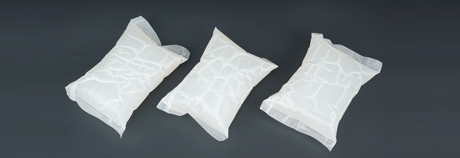
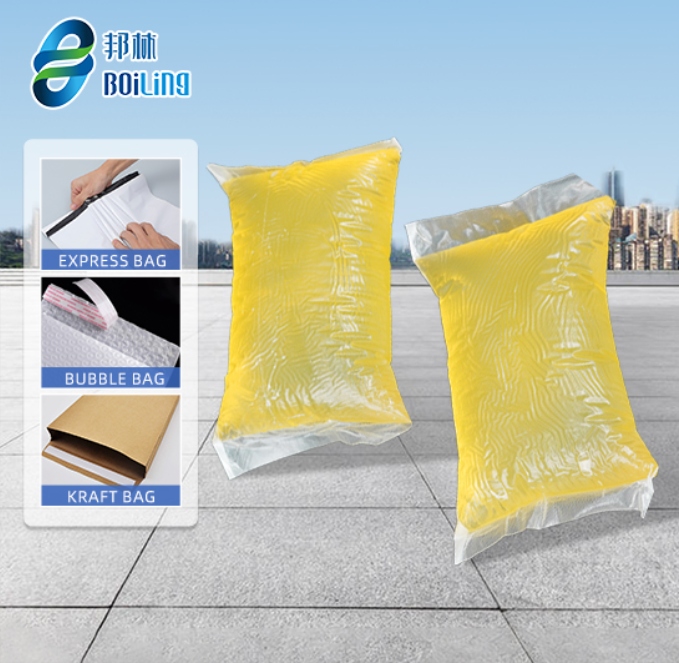
Hangzhou Boiling Adhesive Technology Co., Ltd. offers a variety of hot melt adhesive products through their website BL Adhesive. The following hot melt adhesives are listed on the site: pressure sensitive hot melt adhesive, Express Bag Hot Melt Glue, hot melt tape adhesive, label adhesive glue, packaging hot melt adhesive and many more types of industrial adhesives.
For poly mailer manufacturers, this product area is relevant as the closure of express bags depends on adhesive tack, coating stability, liner release, film compatibility and storage performance.
What should buyers still verify before ordering?
Even after reviewing adhesive datasheets, sample testing, coating parameters, packaging, MOQ, lead time, price and after sales service, it is still important to test the adhesive on the buyer’s own polyethylene film using their own coating equipment with their own release liner. Testing should be done under the buyer’s own warehouse conditions and with the buyer’s own shipping method.
A supplier can support a supplier through the selection and trial communication processes. However, it is through the production trials and the quality checks the buyer conducts on the purchased goods that the supplier is finally approved or rejected.
Wniosek
Process of manufacturing Poly mailers includes steps such as selection of film, surface preparation, printing, sealing, cutting, application of adhesive, application of liner and packaging. The closure system of the poly mailers, made of pressure sensitive hot melt adhesive, needs special attention as it affects the sealing strength as well as user experience. We evaluate Express Bag Hot Melt Glue for its properties like tack, peel, holding power, coating stability, compatibility with films and storage behavior. We apply the Standards and regulations only when they are required for the test at hand, as specified in the contract or for the specific end-use. It is also important to follow a strict sample approval process in order to prevent failures in sealing, waste generation and supplier disputes.
Często zadawane pytania
1. What material is commonly used to manufacture poly mailers?
Standard poly mailers are made with polyethylene film. However, for mailers, the specifications for film such as type, thickness, opacity, etc. must be adequate to hold the weight of the product, withstand shipping, and meet the needs of the buyer.
2. Why is hot melt glue used on express bags?
Hot melt glue can be efficiently applied on converting lines to form a pressure sensitive closure strip which upon cooling can be sealed by pressing the flap to the bag.
3. What causes a poly mailer adhesive strip to fail?
Typical causes of failure include a poor film surface, wrong adhesive, uneven coating, weak liner release, excessive heat, cold brittleness, and an inadequate sealing force when closing the bag.
4. What should I test before buying Express Bag Hot Melt Glue?
Test for Tack, Peeling Strength, Holding Power, Coating Stability, Liner Release, Odor, Film Compatibility and Storage Performance. Test using actual film and equipment as much as possible.
5. Is ASTM D3330 mandatory for poly mailer adhesives?
A. No. ASTM D3330/D3330M is a voluntary test method for a “peel adhesion” measure unless specified by a buyer’s contract or by a specification. Although this test method is not required, it can provide a means for comparing the consistency of an adhesive as tested on samples or production lots.
 Skonsultuj się
 aplikacji Whatsapp
 Zostaw wiadomość
 góra
góra