






Lista treści
Powiązane wiadomości
-
Automotive Hot Melt Adhesive for High-Speed Lines: Open Time & Cycle Time Optimization

-
How Fast-Curing Hot Melt Adhesive Slashes Mattress Production Cycle Time and Lowers Labor Costs

-
Reduce Material Waste & Rework: How Consistent Viscosity in Express Bag Hot Glue Improves Yield

-
Hot Melt Adhesive for Athletic and Outdoor Footwear: Meeting the Demands for Water Resistance, Flexibility, and Cold-Weather Performance

How to Choose the Right Carton Sealing Hot Melt Adhesive for High-Speed Packaging Lines
Running a high-speed packaging line means every second counts. One weak seal can lead to collapsed cartons in the warehouse. It might cause damaged goods during shipping. Or it could spark customer complaints that hurt your bottom line. For operations managers and procurement folks, picking the right carton sealing glue goes way beyond just sticking flaps together. You need to match the adhesive to your exact line speed, the types of board you run, and the temperature changes on your floor. That way, your line keeps moving smoothly and your yield stays solid.
At Banglin, we’ve watched plenty of lines run into the same problems. Glue sets too slow and flaps pop open later. Bonds fail on coated stock when the air gets humid. Or the adhesive can’t handle the heat in summer storage. This guide walks through the factors that really matter when you source carton sealing glue for automated lines.
Understanding Carton Sealing Glue in High-Speed Environments
Carton sealing glue is a hot melt adhesive. You apply it in a thin bead or dot pattern to close corrugated or folding cartons fast. On modern lines that push 50 to 200 cartons per minute, the glue has to wet the surface quickly. It needs to build initial tack in just seconds. And it must develop full strength before the box moves to the next station or hits the palletizer.
The biggest variable isn’t the glue by itself. It’s how the glue behaves under your specific conditions. A formula that works fine at 120 cartons per minute on plain kraft board can fall apart on recycled stock with a clay coating. The same thing happens with laminated surfaces. That’s why vague claims like “strong bond” don’t help much. You need real performance numbers tied directly to your line setup.
Critical Performance Factors for High-Speed Lines
Several key factors decide whether your carton sealing glue will perform reliably on a fast packaging line. Getting these right can make the difference between smooth production and constant headaches. Here are the ones that matter most in real-world operations.
Heat Stability During High-Temperature Operation
Production floors heat up, especially near sealing stations or during summer. Your adhesive must stay stable in the tank and applicator at 150–180°C. It shouldn’t char, smoke, or lose viscosity too fast.
Pay attention to a softening point between 70–90°C. Also check for consistent viscosity from 1300–3500 cps at 180°C. In plain terms, this means the glue flows cleanly through the nozzles even after long runs. We’ve seen lines where bad thermal stability caused carbon buildup after just two shifts. That forced daily cleaning and cut output by 12–15%. A stable formula keeps nozzles clear longer and cuts down on those annoying maintenance stops.
Fast Cure Time and Its Impact on Line Throughput
Fast curing makes a real difference. It decides how soon you can stack or ship the boxes. On high-speed lines, you often have only 1–3 seconds between glue application and the next compression or turning point.
A solid carton sealing glue sets up enough in under five seconds to hold the flaps tight under light pressure. This stops “flagging,” where the top flap lifts a bit and leaves gaps. One client who ran beverage cartons shared that switching to a faster-curing option dropped their reject rate from 3.8% down to under 1%. The boxes simply stayed square on the palletizer.
Open Time: The Make-or-Break Window for Yield
Open time is the window after you apply the glue but before it loses its ability to form a good bond. If it’s too long, setting slows on fast lines. If it’s too short, you miss the compression window and flaps don’t hold.
For most automated carton sealers, an open time of 2–6 seconds works well. When your line runs faster than 150 cartons per minute, lean toward the shorter side. Pair it with precise timing on the compression rollers. We’ve seen lines lose 8–10% yield just because open time didn’t match the mechanical delay between the glue head and the press station. Getting this spec right for your equipment’s cycle time is one of the fastest ways to improve first-pass quality.
Adhesion Performance Across Different Substrates
Not all cardboard behaves the same. Here’s how different materials usually act:
- Coated paperboard(clay-coated or printed surfaces): These have low surface energy. The adhesive needs strong wetting so it doesn’t bead up and cause false adhesion. That’s when it looks stuck but pulls apart easily.
- Recycled paperboard: It tends to be more porous but the fiber quality varies. Moisture content can run higher too. The glue must penetrate fast without soaking in too deep, which wastes material and weakens the bond.
- Laminated or film-coated boards: These are the toughest. The adhesive has to stick to both the paper and the plastic film. Poor compatibility leads to delamination when boxes get stacked or face temperature swings in transit.
Always test on your actual substrates. Many plants do a simple flap peel test after 24 hours at room temperature. They run it again after 48 hours in a 50°C chamber to mimic warehouse conditions.
Matching Banglin Carton Sealing Glue to Your Line Parameters
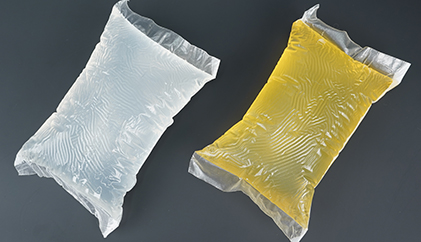
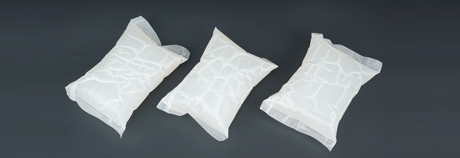
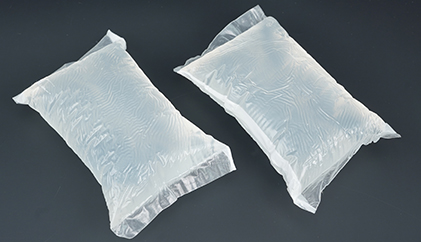
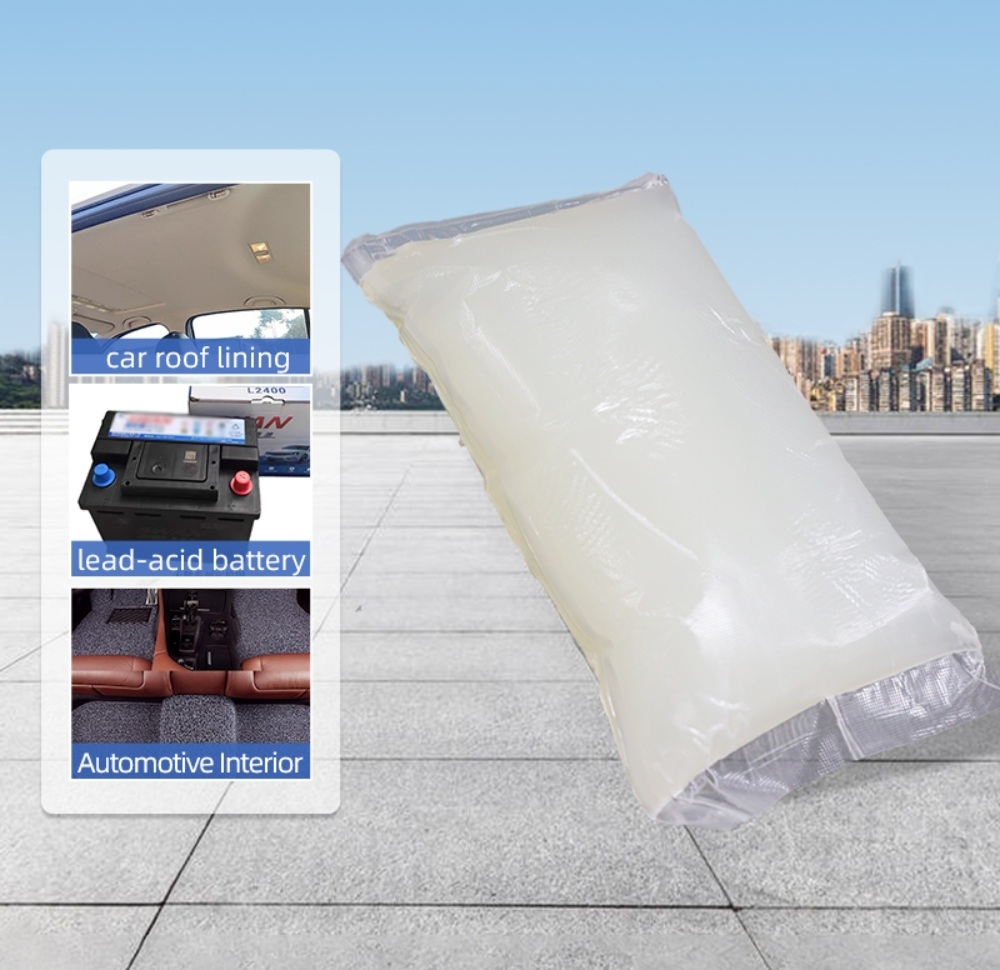
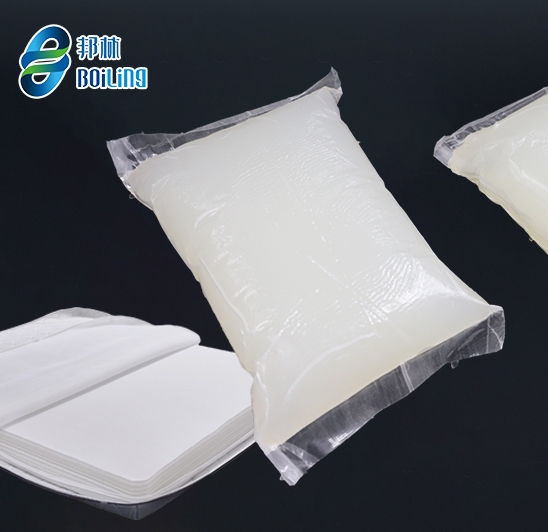
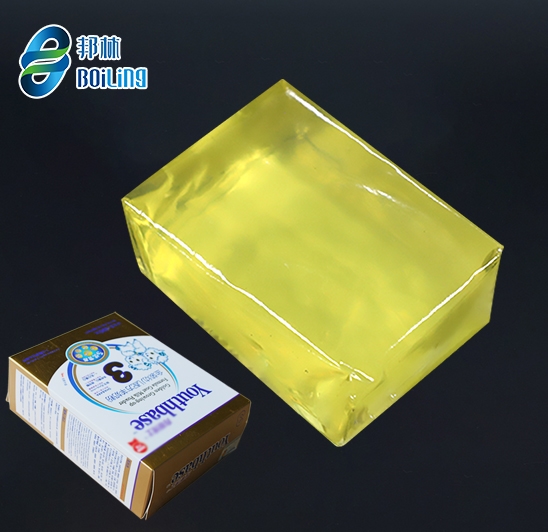
Banglin’s carton sealing glue uses a synthetic rubber base. It comes as a yellow block. The formula targets automated and semi-automated sealing lines that handle corrugated cases, color-printed boxes, and laminated packaging in logistics, e-commerce, food, and electronics.
Here are the main specs:
- Softening point: 70–90°C
- Viscosity: 1300–3500 cps @ 180°C
- Application temperature: 150–180°C (bump it a little higher in colder months)
- 100% solid content with no solvents
In daily use, this gives strong initial tack on coated and recycled boards. It offers fast set time that keeps pace with high-speed equipment. The temperature resistance holds up well in summer storage or changing transport conditions. The formula also cuts down on false adhesion on slick surfaces. You can often run a thinner bead, which helps control glue usage without losing strength.
For lines with heavy-duty cartons or food-grade packaging, the clean flow and quick grip reduce stringing and tailing at the nozzle. That keeps the line cleaner and lowers waste.
Real-World Considerations from the Floor
Picture a busy e-commerce fulfillment center. Boxes race down the line, get scanned, and head straight to palletizing. If the glue hasn’t set enough, vibration during movement can pop the flaps open. One plant we helped cut returns from open cartons by more than 60% after they fine-tuned the adhesive open time to fit their exact conveyor speed and compression dwell.
Another case involved a beverage packer using coated cartons in humid conditions. The old glue would lose bond strength overnight in the warehouse. After they switched to a more stable option with better moisture resistance, the problem disappeared. They now run the same grade all year.
Temperature swings matter a lot. A line set at 160°C in winter might need a small increase to 170–175°C in summer to keep good flow. Start with the recommended range and adjust based on actual tank readings and how the bead looks.
How to Evaluate and Test Before Full Commitment
Don’t trust spec sheets alone. Use this practical checklist instead:
- Run sample trials on your exact board types at normal line speed.
- Check set time, bond strength after 5 minutes, 1 hour, and 24 hours.
- Watch for charring or viscosity changes after 8-hour runs.
- Test pallet stability by stacking samples and simulating transport vibration.
- Track glue usage per carton to figure real cost per unit.
Banglin supports this with sample evaluation and technical input. You can dial in the right grade before you scale up.
About Banglin – Your Partner in Hot Melt Adhesive Solutions

Banglin, which operates as Hangzhou Boiling Adhesive Technology Co., Ltd., started making hot melt adhesives back in 2005. The company sits in Hangzhou’s Future Science Industrial Park. It runs a 15,000㎡ facility with a daily output of 100 tons and a 500㎡ R&D center that uses advanced testing tools, including imported rheometers.
They specialize in custom formulations for pressure-sensitive and packaging hot melt adhesives. Their work supports logistics, e-commerce packaging, food, and consumer goods. With ODM/OEM capabilities, technical support teams, and experience helping thousands of customers in China plus exports to Southeast Asia and the Middle East, Banglin delivers both standard and tailored carton sealing glue solutions. They back it all with steady quality control and on-site application guidance.
Wniosek
Wybieranie właściwego carton sealing glue boils down to how heat stability, cure speed, open time, and substrate compatibility work together with your packaging line. When these pieces line up, you see fewer rejects, smoother runs, and cartons that stay sealed from the end of your line all the way to the customer.
Take time to match the adhesive to your real operating conditions instead of just going by price. The right pick pays for itself fast through better yield and less downtime.
Często zadawane pytania
What open time should I look for in carton sealing glue on a line running over 100 cartons per minute?
Most high-speed setups do best with an open time of 2–5 seconds. This gives enough working room for the flaps to reach the compression section. It keeps the glue from skinning over too soon or staying tacky too long and causing misalignment.
How does carton sealing glue hold up on coated boards versus recycled paperboard?
Coated boards need good wetting to avoid false adhesion. Recycled stock calls for quick penetration without soaking in too much. A well-made synthetic rubber-based hot melt, like those from Banglin, handles both when you match the viscosity and surface chemistry to the material.
Can one carton sealing glue work through different seasons and storage temperatures?
It can, as long as the formula has solid temperature resistance. Choose one with a softening point that keeps the bond stable even when warehouse heat climbs to 40°C or more. Plenty of plants run the same grade year-round after they check it in aging tests.
Does switching to a faster-setting carton sealing glue usually lower glue consumption?
It often does. Many operations see 10–20% less usage because a quicker cure lets them apply a thinner, more controlled bead. The trick is keeping strong initial tack so you don’t over-apply to make up for slow setting.
What should I try if I keep getting stringing or tailing with my current carton sealing glue?
Stringing usually comes from viscosity or temperature mismatches. Adjust the application temperature inside the recommended range. Or move to a grade with tighter viscosity control. Cleaning nozzles on a regular schedule and keeping tank levels steady also helps cut down on this common headache on high-speed lines.
 Skonsultuj się
 aplikacji Whatsapp
 Zostaw wiadomość
 góra
góra