








Lista treści
Powiązane wiadomości
Mono-Material Packaging Trends: Why Adhesive Selection Matters for Recycling
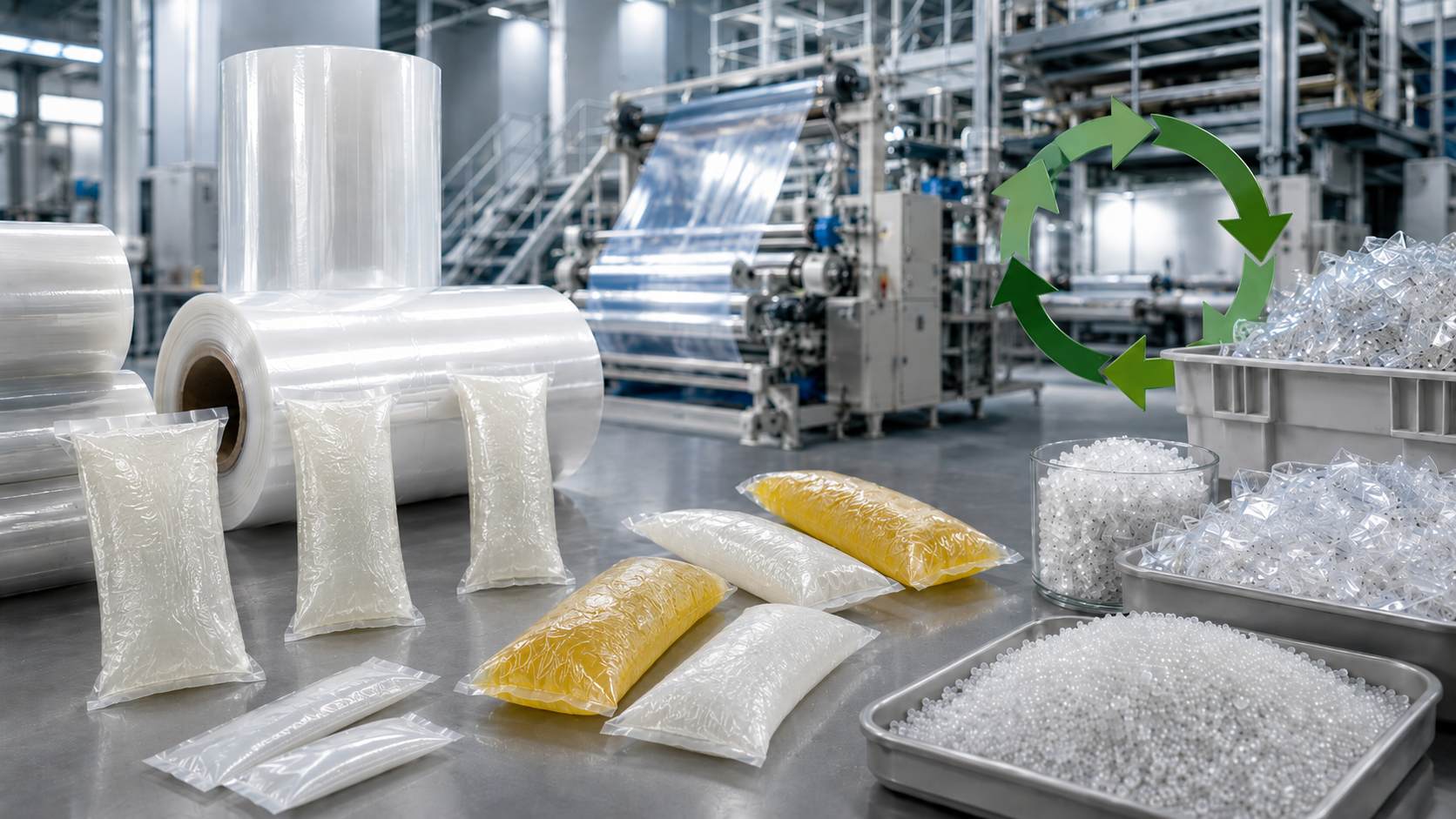
Mono-material packaging can be sorted much more easily into a specific recycling stream. Still, the use of mono PE or mono PP requires special attention to adhesives. Therefore, selecting the right adhesive for laminated packaging is critical for a converter, sustainability manager, technical buyer, and R&D engineer. It is essential to focus on the properties of the bond, recyclability of the material, and the quality of the recyclate. CEFLEX’s current D4ACE guidance favors mono-PE and mono-PP and treats adhesives as a design variable. The useful buying question is not “Is this hot melt recyclable?” in isolation. It is whether the complete package—film, print, coating, adhesive, closure, and process—performs reliably while remaining compatible with the intended recycling stream.
Why Can Adhesive Still Affect a Mono-Material Package?
A mono-material design simplifies the main polymer structure, but small non-polymer components remain. Adhesives, inks, coatings, tie layers, valves, and closures can still affect sorting, washing, melt processing, or recyclate quality.
Why Does “Mono-Material” Not Mean “Adhesive-Free”?
CEFLEX recommends mono-PE or mono-PP where possible because these structures generally fit mechanical recycling better than mixed-material laminates. Its updated guidance also sets compatibility thresholds for secondary components; the current D4ACE overview identifies adhesives and coatings at ≤5% by weight in the relevant flexible-packaging guidance.
That number is useful for screening, not as a universal pass certificate. RecyClass also evaluates laminating adhesives within complete PE or PP flexible-packaging structures.
Where Can the Adhesive Create Recycling Problems?
The adhesives are an integral part of flexible packaging. Flexible packaging materials are subject to mechanical recycling (sorting, cleaning, melting and reprocessing). In particular, adhesives can cause recyclate contamination, discoloration, odor issues, and reduced quality of secondary raw materials. Therefore, the choice of adhesive is a responsibility of the packaging designer. CEFLEX explicitly refers to adhesives in the context of packaging materials affecting the quality of the recyclate and recycling yields.
This related article on PPWR and bubble mailer manufacturing explains why recyclability is already influencing packaging material decisions. For a mono-material project, the next step is to evaluate the adhesive within the intended PE or PP recycling stream rather than looking only at the base film.
Which Adhesive Properties Should Packaging Engineers Screen First?
For mono-PE and mono-PP packaging, the first screening step is not sustainability language. It is whether the adhesive can wet the actual substrate and run consistently at the coat weight needed.
How Should Buyers Check PE and PP Compatibility?
PE and PP are low-surface-energy polymers, so wetting can be difficult. Treatment, recycled content, slip additives, inks, and contamination can change the interface even within the same polymer family. The technical background in this PP and PE bonding guide is useful before sending trial film to a supplier.
Do not ask only, “Does it stick to PE?” Provide film grade, thickness, treated side, recycled content, print or coating, and end-use temperature.
Which Process Data Belong on the Shortlist?
Compare adhesive candidates with measurable data:
| Selection factor | What to request | Why it matters |
|---|---|---|
| lepkość | Value plus test temperature | Predicts coating and pumping behavior |
| Application window | Recommended melt and nozzle temperatures | Affects wetting, film distortion, and line stability |
| Coat weight | Trial target and acceptable range | Influences cost, bonding, and adhesive loading |
| Tack/peel/holding | Test method and substrate | Shows whether the bond survives handling |
| Recycling evidence | Relevant DfR test or compatibility data | Supports recyclability decisions |
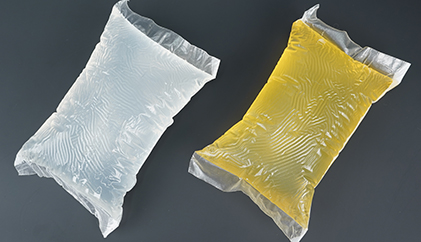
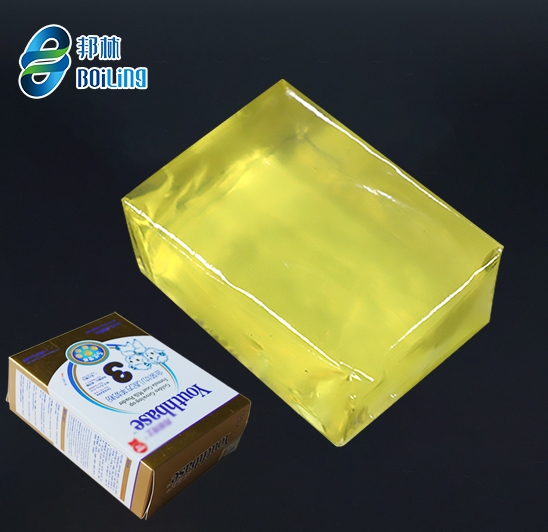
For packaging projects using hot melt, Opakowanie Klej topiony na gorąco provides a useful product starting point. The selected formulation should still be confirmed through its latest TDS and tested on the buyer’s actual packaging structure.
How Should a Buyer Validate Adhesive for a Recyclable Mono-Material Structure?
A supplier sample is only the first filter. Qualification should combine package performance with recyclability screening because a strong bond alone does not prove design-for-recycling compatibility.
What Should Be Checked Before the Line Trial?
First, define the recycling pathway: PE flexible, PP flexible, or another stream. Then review the construction against relevant CEFLEX or RecyClass guidance. RecyClass includes adhesives in its PE and PP flexible-packaging assessments.
Next, freeze film structure, treatment, ink coverage, coat weight, line speed, and sealing pressure so failures can be traced to a real variable.
What Should the Pilot Trial Record?
-
Film resin family, thickness, recycled content, and treatment
-
Adhesive grade, batch, melt temperature, and coat weight
-
Line speed, coating pattern, nip or sealing pressure
-
Initial tack, peel, holding power, and failure mode
-
Visible defects such as stringing, bleed, curl, or blocking
-
Performance after storage and transport conditioning
-
Any recyclability test required by the buyer’s target scheme
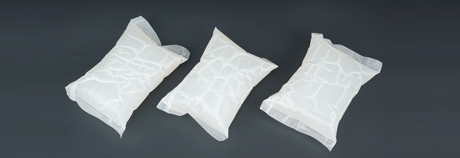
The Packaging Hot Melt Adhesive range can help buyers narrow candidate products before production trials.
Which Sustainability Trade-Offs Are Easy to Miss in Mono-Material Packaging?
The common mistake is optimizing one metric while weakening the pack elsewhere. “Less adhesive” sounds better, but seal failure, product loss, or rework can erase the material saving.
Is the Lowest Coat Weight Always the Best Choice?
No. Coat weight should be reduced only to the lowest level that still meets bond and process requirements. Too little adhesive may cause incomplete wetting, edge lift, seal failure, or unstable high-speed coating. Too much raises cost and increases the non-polymer fraction in the pack.
A better target is a validated operating window. Ask the supplier for minimum, nominal, and upper trial coat weights, then compare performance after conditioning rather than accepting one laboratory result.
What Happens When Recycled Content or Film Gauge Changes?
Mono-material structures can consist of downgauged film or incorporate recycled content and either change could influence stiffness, thermal behavior, surface chemistry, and treatment stability.
Therefore, requalification is particularly important following a change in resin supplier, recycled-content level, ink system, or corona treatment.These changes should trigger a focused trial instead of carrying the old approval forward.
What Should Procurement Ask Before Approving a Hot Melt Adhesive Supplier?
img.Opakowanie Klej topiony na gorąco .webp
Procurement should compare more than price per kilogram. A useful quotation connects adhesive properties to the buyer’s film construction, recycling target, and equipment.
Which Documents and Questions Reduce Risk?
Ask for the current TDS and SDS, viscosity test condition, softening point, recommended application temperature, storage conditions, shelf life, supported substrates, sample policy, and batch quality controls.
When a supplier makes a recycling claim, ask four follow-up questions: Which recycling stream? Which packaging construction? What adhesive loading? Which test method?
Avoid accepting “recyclable adhesive” as a standalone claim without this context. RecyClass itself assesses packaging features in relation to a particular recycling stream rather than declaring every adhesive universally compatible.
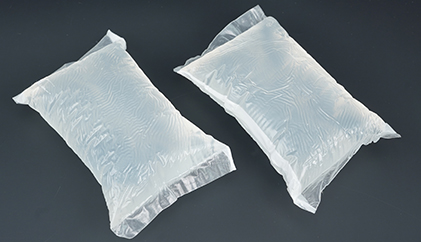
Ask whether the supplier can adjust wetting, viscosity, tack, or temperature behavior after a film change. For broader screening, the paper and packaging solution section provides additional application context.
What Should Happen Before a Bulk Purchase?
Send representative film and run a controlled coating trial. Approve only after package performance and the buyer’s recyclability criteria are met. Keep the approved sample, TDS revision, line settings, and film specification together for future requalification.
The purchasing decision should therefore finish with a tested construction and documented process window—not a supplier sustainability statement.
Professional Technical Support from Hangzhou Boiling Adhesive Technology Co., Ltd.
Hangzhou Boiling Adhesive Technology Co., Ltd. develops customized hot melt adhesive solutions for packaging manufacturers working with different films, coatings, and production conditions,can support targeted adjustment of the formula, performance testing, and the production line inspection——production‑line trial verification before launching into mass production. In case of mono material packaging, the customer can provide the PE or PP film, the percentage of recycled content, information about the surface treatment, printing structure, coat weight target, equipment specs, and the requirements to recycling. Our technical service will propose a realistic trial window for viscosity, temperature, coating conditions, and bonding performance for the converter to assess the adhesive and its compatibility with recyclability claims.
Wniosek
Mono-material packaging solutions offer best value in terms of recyclability at the beginning of the loop, but adhesive choices can make a big difference to downstream processing.The buyer should evaluate monomaterial PE- or PP-based solutions as a system (not only the film), taking into account the substrate’s wetting, viscosity, coat weight, application temperature, bonding performance characteristics, and the corresponding design for recycling guideline. Next, carry out production‑line trials using actual film and defined recyclability targets, followed by mechanical performance tests, recyclability assessment, and formal approval for bulk purchasing.
Często zadawane pytania
1. Does mono-material packaging mean the adhesive must use the same polymer?
Not necessarily. Mono-material design focuses on compatibility with the intended recycling stream. Adhesives can be present, but their chemistry, quantity, and recycling behavior should be assessed against the relevant packaging design guidelines.
2. How much adhesive is acceptable in recyclable flexible packaging?
There is no single universal limit for every structure. CEFLEX’s current flexible-packaging guidance provides defined thresholds for adhesives and coatings, while the final assessment depends on polymer stream, construction, and test method.
3. Should PE and PP packaging use the same hot melt adhesive?
Not automatically. PE and PP have different grades, surface treatments, additives, and processing histories. Buyers should send the actual film and qualify wetting, tack, peel, holding power, and coating stability separately.
4. What recyclability documents should buyers request from an adhesive supplier?
Request the current TDS and SDS first, then ask for any available design-for-recycling compatibility data, test method, tested packaging structure, adhesive loading, and recycling stream rather than accepting an unsupported “recyclable” claim.
5. When should an approved mono-material package be requalified?
Requalification is sensible after changes in film grade, recycled-content level, surface treatment, print system, adhesive coat weight, or adhesive formulation because each can alter bonding behavior or the package’s recycling compatibility.
 Skonsultuj się
 aplikacji Whatsapp
 Zostaw wiadomość
 góra
góra