





Lista treści
Powiązane wiadomości
-
Preventing Label Edge Lift on Plastic Bottles: Solutions for PP & PE Adhesion

-
Express Bag Hot Melt Glue vs. Standard Packaging Adhesives: 4 Key Differences That Impact Your Bottom Line
-
Permanently Sealed: How Tamper-Evident Bubble Mailer Adhesive Protects Your E-Commerce Shipments and Brand Reputation
-
Solving Plastic Label Wrinkling and Edge Curling on Flexible Packaging: The Role of High-Tack HMPSA
Preventing Leakage & Core Dropout: The Role of High-Performance Diaper Construction Adhesive
Walk into any diaper production line at shift change, and you’ll hear the same complaints from operators and quality teams: cores shifting during high-speed runs, gel beads escaping the SAP channels, or side leakage showing up in consumer feedback. These aren’t minor annoyances—they translate to returns, bad reviews, and lost shelf space in a market where parents notice every wet spot.
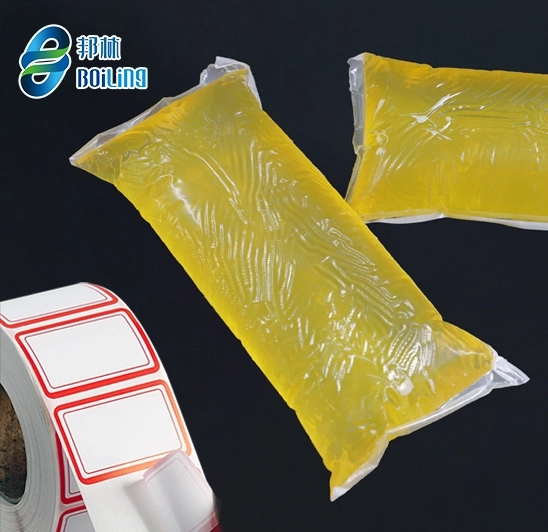
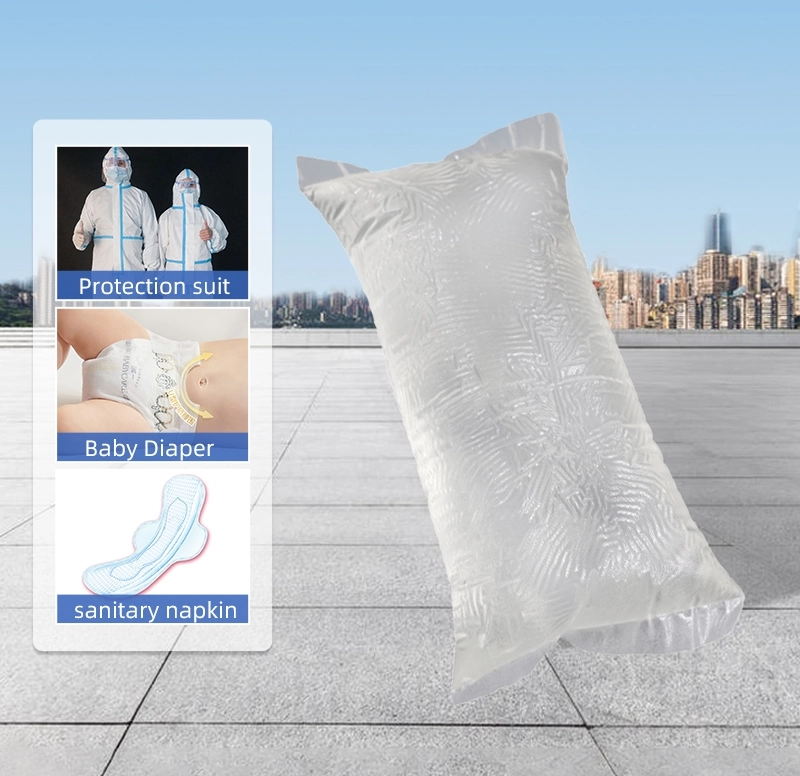
High-performance diaper construction adhesive plays a quiet but critical role in holding everything together. Specifically, infant diaper hot melt adhesive bonds the absorbent core to nonwovens and backsheets, locks elastic leg cuffs, and secures waistbands so the diaper stays put during active toddler movement. When the adhesive performs well, it directly cuts down on leakage and core dropout.
Why Core Dropout and Leakage Still Happen in Modern Diapers
Even with advanced SAP and channeled cores, failures creep in during real-world use and production.
Common culprits include:
- Gel migration— Superabsorbent polymer particles break free and clump outside the core, often because the bonding adhesive loses grip under moisture or shear stress.
- Core disintegration— The absorbent layer separates or bunches up, creating dry zones and overflow paths.
- Side or front leakage— Weak bonds around leg gathers or waist allow liquid to escape sideways, especially when the baby crawls or sits.
Production managers see these in finished-product testing or field returns. A batch might pass initial QC, but after simulated wear (or actual use), adhesive creep shows up. High-speed lines running 800–1200 pieces per minute amplify small inconsistencies in adhesive application, temperature, or formulation.
The fix usually starts with upgrading the construction adhesive itself.
How High-Strength Hot Melt Adhesive Secures the Absorbent Core
The core needs an adhesive that grabs nonwovens, PE films, and SAP tissue tightly—without becoming brittle or losing hold when wet.
Good infant diaper hot melt adhesive delivers:
- Strong initial tack for fast line speeds.
- Flexibility that survives repeated compression and movement.
- Resistance to moisture-induced slip.
In practice, this means the core stays centered and intact. No more gel beads migrating into the leg cuff area or core material shifting toward one end. Lines that switch to adhesives with better wet-strength retention often report 30–50% fewer leakage complaints in post-market tracking (based on typical industry case studies from hygiene converters).
Operators notice cleaner runs too—less nozzle clogging, fewer web breaks from poor bonding.
Anti-Migration Adhesive: Keeping SAP Where It Belongs
Gel migration tops the list of frustrations for quality crews. Once particles escape the wrap, they travel along nonwovens. Absorbency falls. Lumps show up.
A strong anti-migration diaper construction adhesive builds a tight network around SAP channels. It stands up to water breakdown. Peel strength stays high even after long exposure to saline or fluids.
Look for these traits in a good one.
- Smooth flow at 150–180°C, yet quick set without strings.
- Just-right open time—long enough for accurate placement, short enough to lock before the web moves on.
- Low creep when stressed—holds firm under a baby’s constant wiggle.
When these match up, migration shrinks fast. One average converter moved to a rubber-based hot melt. Core strength jumped. Rejects fell almost 40% in thin, high-SAP designs.
Leak Prevention Starts with the Right Construction Adhesive
Leakage usually starts at weak spots—leg elastics, barrier cuffs, waist zones.
High-performance adhesives seal those areas reliably. They avoid stiffening the diaper. Bonds form between polyethylene backsheets and nonwovens while keeping everything soft and breathable next to skin.
Real gains show in several ways.
- Side leaks cut way back during long nights.
- Containment improves when babies roll or sit on soaked diapers.
- Less chance of red marks or irritation from adhesive pushing through.
On the line, steady spray or slot-die application matters. Uniform coverage helps. Stable temperature stops charring or thick/thin spots that cause patchy bonds.
Real-World Impact on the Production Floor
Imagine a line pushing thin newborn diapers. The core stays super slim. SAP load runs high. Speed hits the max.
Old adhesive begins to fail. Cores shift 5–10 mm during folding. Gel shows in cuffs. Leakage climbs in wear tests.
Switch to a high-strength infant diaper hot melt adhesive. The picture changes.
Bonds hold tight at 1,200 pieces per minute. Core dropout almost vanishes in aging tests. Returns drop because parents talk about drier nights.
Managers get space to focus on speed and efficiency. No more constant troubleshooting.
Introducing Banglin as Your Hot Melt Adhesive Partner
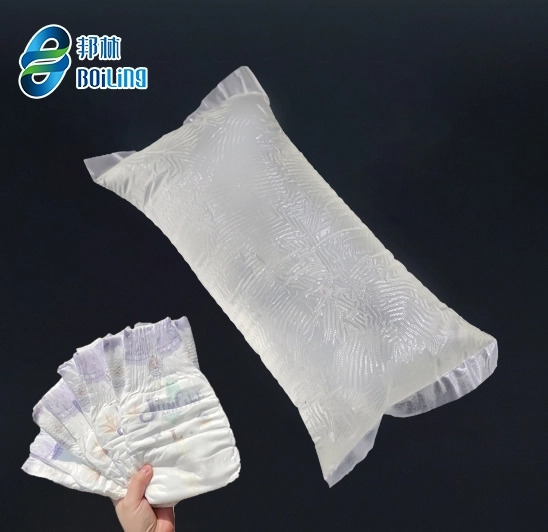
Banglin (Hangzhou Boiling Adhesive Technology Co., Ltd.) serves as a trusted supplier of hot melt adhesive blocks made for hygiene needs. The team brings over 30 years of know-how. Their 15,000㎡ facility pumps out more than 100 tons daily.
Banglin focuses on reliable, skin-friendly formulas. These meet tough medical and green standards. Their infant diaper hot melt adhesive relies on thermoplastic rubber bases. That delivers tough yet bendy bonds. Migration stays low. Leak-proof builds stay solid.
ISO9001 certified and compliant with ROHS and REACH rules, Banglin handles praca niestandardowa through ODM and OEM paths. They tweak viscosity, set speed, and wet grip to fit exact lines and designs.
With strong rheology labs and thousands of customers across Asia and farther, Banglin supplies practical fixes. Downtime shrinks. End-product reliability rises.
Wniosek
Leakage and core dropout sting beyond just performance. They chip away at trust and squeeze profits. High-performance diaper construction adhesive—especially infant diaper hot melt adhesive built for solid core hold and anti-migration—tackles these troubles directly. Pick adhesives with steady wet strength, good flex, and fast grab. Production and quality crews cut failures, smooth runs, and deliver the dryness parents count on.
Choosing the right construction adhesive pays off. It guards against the headaches that steal sleep.
Często zadawane pytania
What sets infant diaper hot melt adhesive apart from regular construction types?
Infant diaper hot melt adhesive stresses skin safety first—hypoallergenic and low odor—while still delivering tough bonds to nonwovens, films, and cores. It fights moisture slip and migration better than general versions. That helps stop leakage and core dropout in baby items.
How does high-strength hot melt cut gel migration in diapers?
It creates a firm adhesive web around SAP channels. That web stands up to wet conditions and shear forces. Polymer particles stay locked inside. Migration drops. No more clumping, lost absorbency, or visible flaws.
Can the proper diaper construction adhesive boost line speed without adding defects?
Sure. Adhesives with steady viscosity at run temps (150–180°C) and quick set times let lines push faster. Bonds stay strong. Many converters see cleaner runs and lower rejects after the upgrade.
Why put so much weight on anti-migration for infant diapers?
Babies have tender skin. They move nonstop. Anti-migration infant diaper hot melt adhesive keeps gel beads trapped in the core. Irritation risks fall. Leakage complaints shrink in reviews and returns.
How can I tell if my current adhesive causes core dropout?
Watch test results. Look for shifted cores after compression cycles. Check for gel in leg cuffs or higher fails in wear sims. If bonds weaken under wetness or motion, a high-performance diaper construction adhesive with better wet grip usually fixes it.
 Skonsultuj się
 aplikacji Whatsapp
 Zostaw wiadomość
 góra
góra