







Why More Courier Bag Manufacturers Are Switching to Hot Melt Tape Adhesives
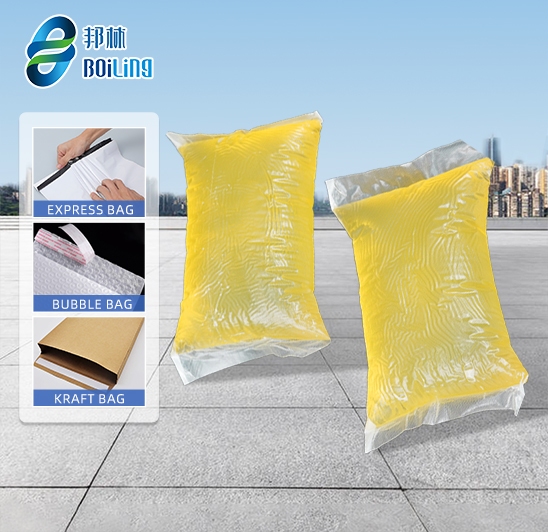
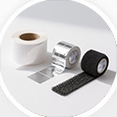
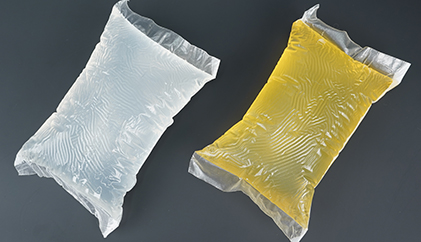
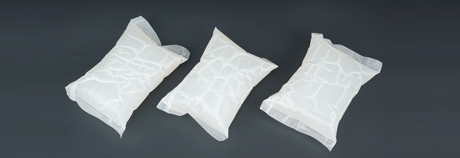
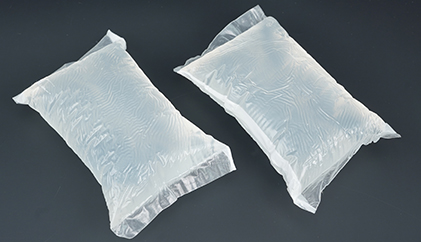
Courier bags should only be opened at one point: where the recipient pulls the liner or breaks away a tamper-evident flap. They must stay closed while being sorted and delivered. This means that the sealant used on courier bags must adhere to thin polyethylene film, and compatible with high-speed manufacturing lines. It is this combination of requirements that makes many manufacturers turn to hot-melt tape adhesives for courier bags. It is a preformed tape, which eliminates the need for a liquid glue applicator and a curing chamber.
Why are courier bag manufacturers replacing liquid adhesive systems?
Liquid and solvent-based adhesives can perform well, they introduce additional requirements for coating control, drying, ventilation, storage, and cleanup. A preformed hot melt tape moves much of that complexity into a finished strip.
How does the tape simplify bag production?
The tape is laminated to the sealing flap on the bag, leaving the liner in place until the time of packing. The need to meter out a precise amount of liquid adhesive per bag is eliminated, as is the waiting time for curing. Changeover is often faster, since the width and thickness are already built into the tape.
Web tension, tape positioning, nip pressure, and liner handling all have to be controlled. When the process is properly managed, bag width can be held tight, print registration stays aligned, and adhesive exposure at the seal edge is prevented. Poor control leads to tracking drift, uneven seals, and edge bleed.
Where can operating costs change?
Savings may come from lower drying energy, less cleaning, and fewer interruptions caused by blocked nozzles or adhesive buildup. The economics depend on line speed, tape price, waste, labor, and existing equipment.
Manufacturers should compare cost per accepted bag, not adhesive price per kilogram. A cheaper tape that creates liner breaks, tracking problems, or weak seals can increase scrap and complaints.
How do hot melt tape adhesives bond to courier bag films?
Most courier bags use polyethylene-based films because they are light, flexible, and moisture resistant. These films also have low surface energy, which makes bonding more difficult than adhesion to paper or untreated paperboard.
Why does film surface treatment matter?
Corona treatment raises polyethylene surface energy and improves adhesive wetting. Treatment can decline during storage, especially when film contains slip agents. A tape approved on fresh film may behave differently on aged stock.
Buyers should test the exact film formulation, print system, treatment level, and storage condition. Recycled content, pigments, fillers, anti-block agents, and contamination can change adhesion without noticeably changing appearance.
Which adhesive properties control the seal?
Initial tack helps the flap grab when pressure is applied. Peel adhesion measures resistance to opening at the bond line, while shear resistance reflects the ability to hold under sustained load.
A soft adhesive may provide strong tack yet creep in hot storage. A harder formulation may resist shear but need more pressure or a cleaner surface. The right balance depends on film type depends on film type, flap design, package weight, and transport temperature.
Which specifications should buyers compare before approving a tape?
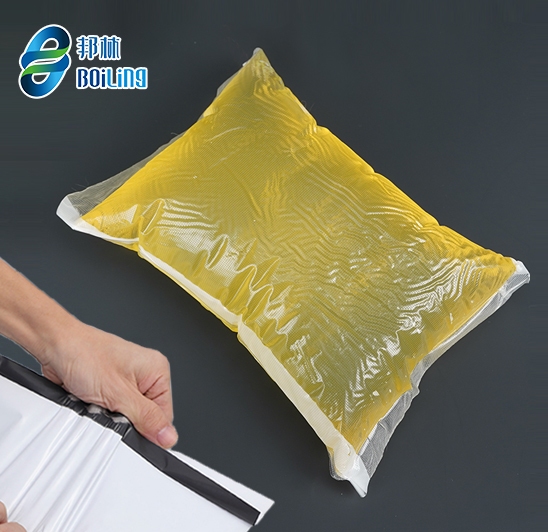
Width and roll length are only the visible dimensions. A useful specification also covers adhesive chemistry, carrier construction, liner type, coat weight, thickness tolerance, release force, storage conditions, and application temperature.
How should tape dimensions match the bag design?
The strip must fit inside the flap with enough margin to prevent edge exposure. Narrow tape reduces material use but leaves less tolerance for tracking variation. Excessive width may overlap printing, tear strips, or perforations.
Roll diameter and core size must match the applicator. Splice quality matters because thick joints can jam guides or change nip pressure. Winding direction and liner orientation should be confirmed before ordering.
Why do liner and release properties matter?
The liner protects the adhesive during production, packing, and storage. It should unwind smoothly on the converting line and peel cleanly during use. Excessive release force can tear or stretch the liner; insufficient force may allow premature lifting.
Paper and film liners respond differently to humidity, tension, and static. Selection should reflect the applicator, packing process, storage environment, and user handling.
What failures should manufacturers test before volume production?
Courier bag sealing problems often appear after dispatch. A bag may pass a quick hand test but fail after carton compression, hot storage, dust exposure, or repeated flexing during delivery.
Which seal failures are common?
Typical problems include edge lifting, adhesive transfer, residue, cohesive splitting, cold-temperature loss of tack, hot-temperature creep, and incomplete bonding caused by low pressure. Film tearing can occur when the adhesive is stronger than a thin or heavily recycled substrate.
Aging deserves attention because adhesive, film treatment, and liner release can all change. Qualification should include stored bags rather than only samples tested immediately after conversion.
How should production samples be tested?
Use finished bags made on the actual line. Inspect tape position, seal width, liner removal, flap closure, and opening behavior. Peel and shear tests should record film, dwell time, pressure, temperature, and pulling method.
Condition samples at low, normal, and elevated temperatures when required by the distribution route. Add contamination trials for dusty packing areas. For tamper-evident designs, confirm that attempted opening damages the film, print, or security message as intended.
How should procurement teams evaluate a hot melt tape adhesive supplier?
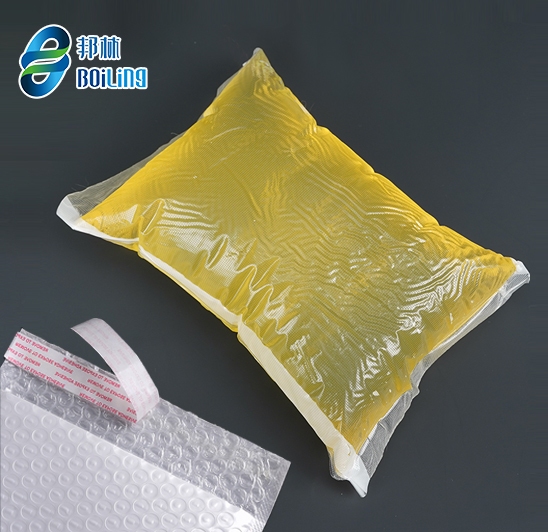
A supplier should discuss the whole sealing system rather than quote one standard roll for every bag. Film chemistry, treatment, line speed, tape placement, climate, and package weight all influence the recommendation.
What information should buyers provide?
A useful inquiry includes film structure, thickness, treatment, tape width, line speed, applicator layout, roll dimensions, liner preference, storage temperature, shipping climate, and required opening behavior. Samples of the actual film are more useful than a generic description.
The supplier should provide a controlled specification and trial rolls. Results should cover machine handling as well as adhesion because a tape that bonds well but tracks poorly is not production-ready.
Which commercial controls reduce repeat-order risk?
Confirm minimum order quantity, lead time, roll-length tolerance, splice limits, packaging, shelf life, and batch identification. The quotation should state whether adhesive chemistry, liner, carrier, or raw-material sources may change without notice.
Retained samples and agreed inspection criteria simplify later comparison. Traceable records also help distinguish tape variation from film treatment loss, contamination, storage damage, or application error.
How can an adhesive manufacturer support courier bag projects?
Hangzhou Boiling Adhesive Technology Co., Ltd. supplies hot melt tape adhesives for courier bag and packaging applications. Buyers can provide film samples, bag dimensions, tape width, production speed, applicator details, storage conditions, and transport temperature. These inputs allow sample rolls to be selected for line trials and seal evaluation. The trial should be made to check liner tracking, liner release, initial tack, peel, shear, and aging of the finished bag. The quotation should specify the roll size, core, winding direction, liner, adhesive construction, packaging, lead time, and inspection requirements. Approved samples and batch records should be connected to repeat orders, and any material changes should be submitted for approval before production.
Wniosek
Hot melt tape adhesives for courier bags can simplify conversion by removing wet-coating and drying steps while providing a controlled sealing layer. Their performance still depends on polyethylene surface treatment, adhesive balance, liner release, tape placement, pressure, storage, and climate. Manufacturers should qualify the complete bag on production equipment, then control film, tape, and process changes together. A well-matched tape reduces avoidable sealing failures; an unsuitable one simply moves the problem from the coating station to the delivery network.
Często zadawane pytania
1. Are hot melt tape adhesives suitable for recycled courier bag film?
They can be, but recycled content, fillers, pigments, and slip additives may change surface energy and bond strength. Test the exact film formulation after realistic storage and production handling.
2. What tape width is suitable for a courier bag sealing flap?
The width should provide enough bonding area while leaving margin for tracking variation, tear strips, printing, and flap edges. Final selection depends on bag size, film strength, and seal design.
3. Why does courier bag tape lift after several days?
Possible causes include declining corona treatment, dust, low application pressure, incompatible adhesive, excessive slip additive, hot storage, or liner-related contamination. Aged finished bags should be included in qualification.
4. Should courier bag tape be tested at different temperatures?
Yes. Low temperatures can reduce tack, while heat can cause adhesive creep or transfer. Test finished bags under temperatures that reflect warehouse, transport, and final-use conditions.
5. What should a hot melt tape adhesive quotation include?
It should identify adhesive construction, tape width, thickness, liner, roll length, core size, winding direction, storage conditions, shelf life, packaging, tolerances, splice limits, and change-control requirements.
 Skonsultuj się
 aplikacji Whatsapp
 Zostaw wiadomość
 góra
góra