






From Poor Adhesion to Fiber Tear: Troubleshooting Your Express Bag Hot Melt Glue Line
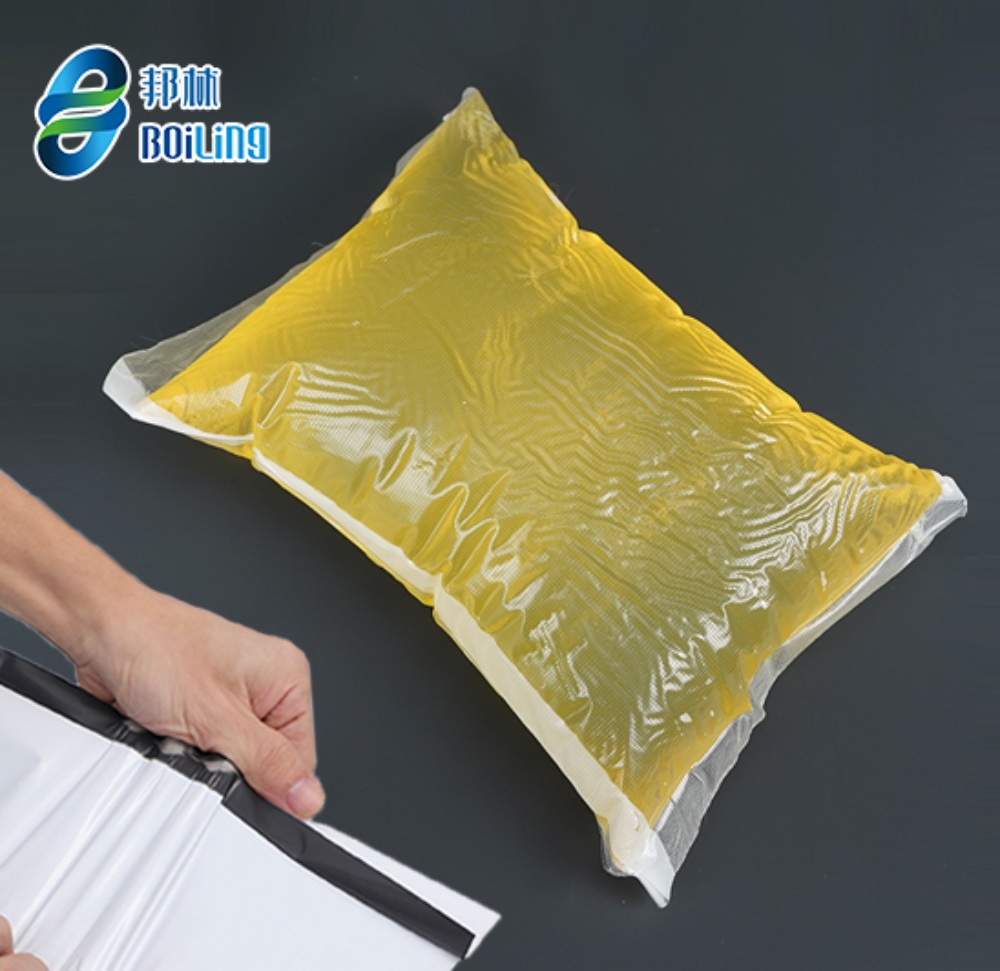
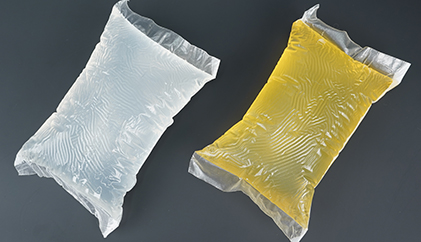
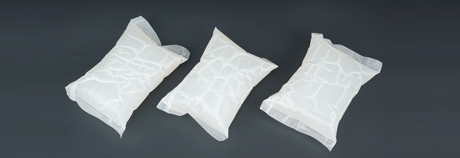
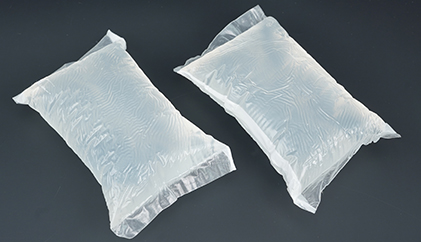
Running an express bag production line at full speed can turn into a headache fast when seals start failing. One minute everything looks fine. The next, bags pop open during testing or worse, during actual shipping. That weak bond turns into customer complaints and returns. The goal? Getting consistent fiber tear every time. That means the Экспресс-пакет горячего плавления клея rips the bag material itself instead of peeling clean off the seam.
This piece walks through the most common headaches on these lines. We’ll look at why poor adhesion happens and how to push through to reliable fiber tear. Real shifts see these issues daily, especially with mixed recycled materials in PE and PP bags.
Why Poor Adhesion Shows Up on Express Bag Lines
Express bags take a beating. They get stuffed, tossed on conveyor belts, and shipped through hot summers or freezing winters. The Экспресс-пакет горячего плавления клея has to grab fast and hold tight on tricky surfaces like recycled PE, inked films, or low-surface-energy plastics.
When adhesion falls short, you notice it right away. Seals lift at the edges. Bags separate under light pressure. Or the glue sits mostly on one side without biting into the other. These problems slow down output and spike reject rates. Many plants chase 99% good seals, but weak spots drag that number down quick.
Common triggers include dirty substrates, temperature swings, or glue that doesn’t wet out properly. Recycled materials make it tougher because shorter fibers and surface variations fight good bonding. Getting to fiber tear means the adhesive penetrates and anchors deep enough to tear the bag film first.
Spotting the Signs of Adhesion Trouble
Walk the line and you’ll see the clues. Glue that looks glossy and sits on top without sinking in usually signals poor wetting. Or you get “legs” where the adhesive stretches and breaks instead of forming a solid bridge. In testing, bonds might hold at first but fail after a few hours or when temperatures shift.
Fiber tear looks different. Rip the seam and you see bag material fibers stuck to the glue. That’s the gold standard for strong seals in express packaging. It proves the bond beats the strength of the substrate itself.
Here’s a quick checklist operators use on the floor:
- Visual check: Is the glue bead even and matte (good wetting) or shiny and raised?
- Peel test: Does it peel clean or tear the film?
- Temperature log: Are tank, hose, and nozzle readings steady?
- Substrate test: Run a quick surface tension check on new material batches.
Catching these early keeps small issues from becoming line stoppers.
Common Causes and Fixes for Poor Adhesion
Temperature sits at the top of the list. If the glue runs too cool, it won’t flow right or wet the surface. Most Экспресс-пакет горячего плавления клея works best in the 150–180°C range, with many lines settling around 160–170°C at the tank. Hose and nozzle often run a touch hotter, say 165–175°C, for smooth delivery.
Raise the temperature a few degrees when you see poor flow on recycled materials. But don’t overshoot. Too much heat can cause charring over long runs or make the glue too runny and stringy.
Viscosity plays a big role too. Depending on the bag material:
- Standard PE: 1000–2500 cps at 180°C
- LDPE: 1500–3000 cps
- Reclaimed or inked: 900–2500 cps
If viscosity sits too high for your substrate, the glue won’t spread evenly. Small batch differences happen, so test new lots with a quick trial run before full production.
Substrate condition causes plenty of headaches. Dust, oil from manufacturing, or moisture kills adhesion fast. Many plants add a quick cleaning station or air blow-off before the gluing head. For recycled bags with ink, the surface energy drops, so the glue needs better wettability. Formulations designed for mixed new and old materials help here by balancing initial tack and holding power.
Compression matters just as much. Not enough pressure after application and the glue cools before full contact. On high-speed lines, even a small gap in the nip rollers can leave weak spots. Check roller pressure and alignment regularly. Aim for solid contact while the glue still has some openness.
Here’s a simple troubleshooting table many teams keep nearby:
|
Issue |
Likely Cause |
Quick Fix |
|
Glue on one side only |
Low temp or insufficient volume |
Raise temp 5–10°C, increase pressure |
|
Peeling without tear |
Poor wetting on recycled film |
Check surface tension, try hotter run |
|
Струнка |
Temp too high or wrong viscosity |
Drop temp slightly, confirm cps range |
|
Weak after cooling |
Insufficient compression |
Adjust rollers, slow line briefly for test |
|
Seasonal failures |
Summer heat or winter cold |
Monitor ambient, adjust accordingly |
Pushing from Weak Bonds to Consistent Fiber Tear
Once you fix the basics, focus on building real strength. Good Экспресс-пакет горячего плавления клея balances quick initial grab with long holding power. It should resist oil bleed in hot weather and cracking when temperatures drop.
Run short test strips when switching material batches. Time how long it takes for full set under your compression setup. Many lines hit reliable fiber tear by keeping open time short but effective—enough for proper seating without letting the glue skin over.
Clean equipment plays a huge part. Nozzles and filters clog over time, especially with high-volume runs. Weekly deep cleans prevent inconsistent flow that leads to weak spots. Preheat the system fully (at least 30 minutes on first start) so temperature stays even from the first bag.
Operators who log daily readings catch drift before it hurts output. Tank level, ambient shop temperature, and substrate condition all influence results. Small tweaks based on real data usually deliver the biggest jumps in bond quality.
Banglin’s Formulation Edge for Express Bag Sealing
Banglin puts real thought into their pressure-sensitive Экспресс-пакет горячего плавления клея. The formulations deliver strong initial adhesion and solid holding power, even on tricky recycled or inked materials. They wet out well, resist temperature swings, and keep seals intact through rough handling. No separation during transport means fewer ruptured bags and happier end customers. The glue runs clean on high-speed lines with minimal stringing when parameters stay in check.
Introducing Banglin as Your Hot Melt Adhesive Partner
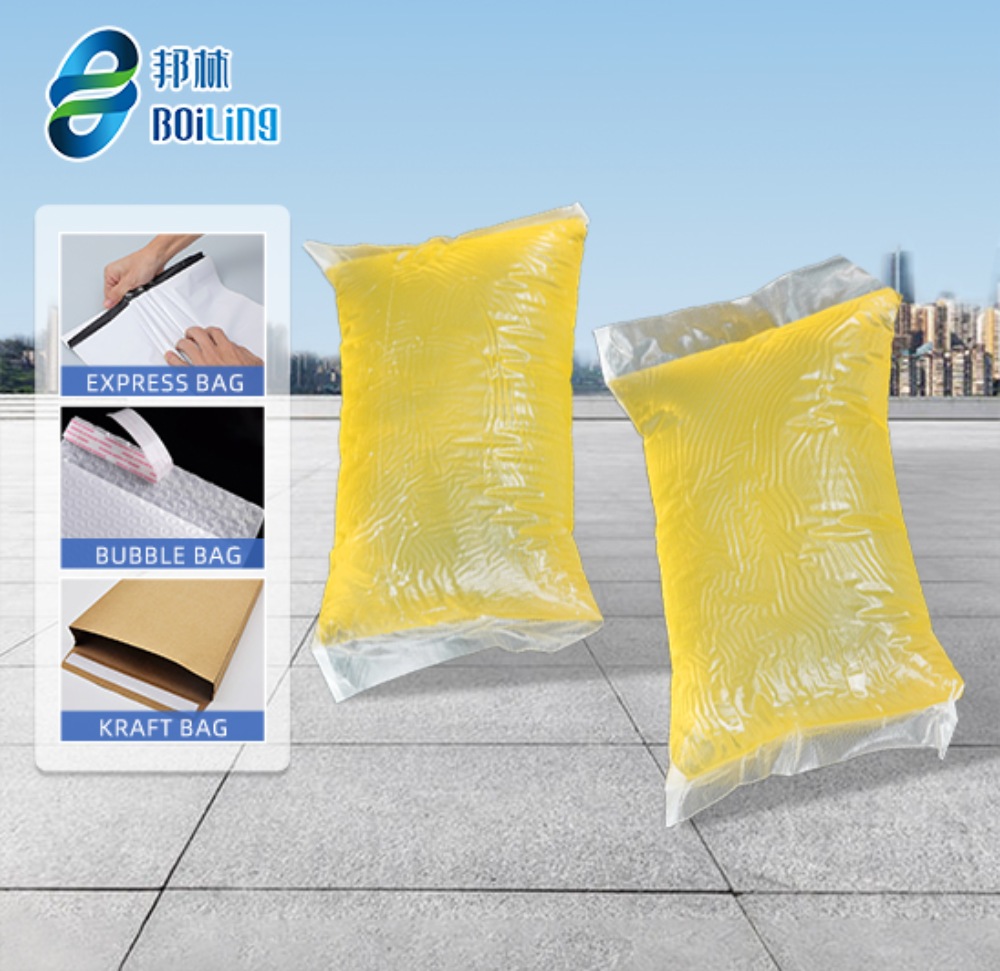
Банглин, operating as Hangzhou Boiling Adhesive Technology Co., Ltd., started back in 2005 and has grown into a solid hot melt adhesive supplier. Based in Hangzhou, they run a modern 15,000㎡ facility with strong R&D capabilities and a team that includes experienced formulators. They focus on custom solutions across packaging, logistics, and other demanding areas. With daily output up to 100 tons and support for ODM/OEM, Banglin delivers consistent quality while helping plants fine-tune for their specific lines.
Вывод
Moving from frustrating poor adhesion to dependable fiber tear takes steady attention to temperature, viscosity, substrate prep, and compression. Small adjustments on the line often fix the majority of issues. When the glue performs right, your express bags stay sealed through the entire supply chain. Working with a supplier that understands these real-world demands makes the whole process smoother and more reliable across shifts and material changes.
Часто задаваемые вопросы
What causes poor adhesion when using express bag hot melt glue on recycled materials?
Recycled PE and PP often have lower surface energy plus variations from ink or shorter fibers. This makes wetting tougher. Raising application temperature slightly within 150–180°C and confirming the right viscosity range usually improves grab and moves you closer to fiber tear.
How do I know when my express bag hot melt glue has achieved fiber tear?
Do a simple peel test on finished bags. If the seam tears the bag film itself and leaves material stuck to the glue, you’ve got fiber tear. That’s much stronger than clean peeling, which signals weak bonding.
Why does temperature matter so much for express bag hot melt glue performance?
Too low and the glue won’t flow or wet the surface properly, leading to weak seals. Too high over long runs and you risk stringing or char. Most lines run best around 160–170°C at the tank with hoses a bit warmer for even application.
What quick checks can reduce adhesion problems on an express bag line?
Keep nozzles and filters clean, log temperatures daily, test new material batches with small runs, and make sure compression rollers apply good pressure while the glue is still workable. These steps catch most issues before they pile up rejects.
Can the right express bag hot melt glue handle mixed new and recycled materials?
Yes, quality formulations designed for express packaging balance initial tack and holding strength across different substrates. They resist temperature changes and prevent separation, helping maintain strong seals even when bag materials vary from batch to batch.
 Консультируйтесь
 в WhatsApp
 Оставить сообщение
 верхний