








Cold Flow Resistance in Pest Control Adhesives: Solving the “Glue Migration” Problem
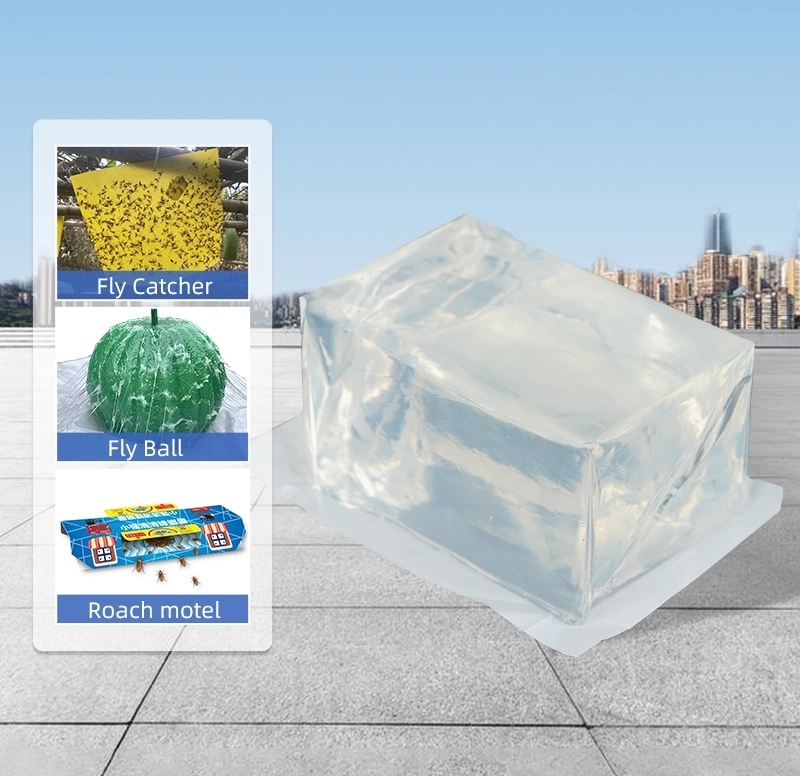
Pest control professionals see this problem all the time. You pack and ship boxes full of sticky glue boards or fly traps for orchards and tea gardens. Everything looks fine at the factory. Then the phone starts ringing. Customers open the packages and find glue has oozed out everywhere. It smears on the cardboard edges. It gets on the release paper. Sometimes it even leaks through the outer box. The traps look messy. A few lose their stickiness in the important spots. Returns start to pile up. Complaints come in about “bad” product.
This issue has a common name in the business: cold flow. People also call it glue migration. It happens when pressure-sensitive hot melt adhesive slowly creeps or seeps during normal storage and shipping. No extra heat is needed at first. For makers of pest control glue boards and traps, this creates more than just a small hassle. It hurts trust in the brand. It cuts into profits too.
Why Cold Flow Happens in Pest Control Glue
Imagine a regular warehouse in summer. The temperature climbs high during the day. Stacks of glue boards sit on pallets for weeks. Later they ride on trucks that bounce down highways. In hot weather the same loads can sit inside containers that reach 95 degrees or more.
Pressure-sensitive adhesives need a careful mix of tackifiers, polymers, and oils. This keeps them sticky at room temperature. Cheaper or unbalanced formulas often have too much liquid inside. In high summer heat that extra softness lets the glue move slowly outward. It does not melt right away. It simply flows like thick honey on a warm day.
Real problems show up fast in daily work. One distributor shared a story about a batch that arrived with glue leaking from the edges of every single board after a hot summer shipment. Retail shelves looked sloppy. Field techs said the traps did not hold large fruit flies as well. Some adhesive had moved away from the main catching surface. In tea gardens and orchards during hot humid summers the trouble grows worse. High temperatures mix with moisture and make everything messier.
Tests in the industry show clear numbers. Adhesives with weak cold flow resistance can start to migrate after only a few weeks at high summer temperatures under light pressure. Vibration from transport can speed up the issue. Pest control glue products for tea gardens and orchards often sit on store shelves or in farm storage for months. They need to stay effective the whole time. When they do not, it becomes a real headache.
The Real Cost of Glue Migration for Manufacturers and End Users
Let’s look at what poor cold flow actually costs.
- On the manufacturing side: Rework, scrap, and customer credits add up fast. One bad batch can mean thousands of boards get pulled or sold at a discount.
- Distribution headaches: Trucks show up with damaged cartons. Warehouses spend extra hours repackaging.
- End-user frustration: Farmers or pest control techs open a pack and see smeared glue. The trap feels less professional. In tea gardens or orchards, techs notice lower catch rates when the adhesive has shifted in the summer heat.
A common situation happens with insect glue boards. The board gets a thick layer of pest control glue. It is made to grab large fruit flies and other flying pests in orchards and tea gardens. But if the formula allows cold flow, the glue slowly pulls toward the edges while in hot storage or transport. The center gets thinner. Fruit flies land and slip off instead of sticking tight.
Fly catchers run into the same trouble. Strips or trays need even stickiness across the whole surface. Migration creates dry patches or uneven ridges. Insects can avoid those spots.
These are not rare problems. They happen every day for companies that produce large volumes of pest control items for agricultural use.
How Advanced Formulations Tackle Cold Flow Head-On
The solution is not about making the glue harder or less sticky overall. That would ruin how well it works in the field. Instead, smart formulators adjust the polymer mix and additives. They lock the glue in place without losing the strong grab or long-term holding power.
A well-made pest control glue keeps its thickness steady even in high summer temperatures. It fights creeping under the light pressure that comes from stacked pallets. At the same time it stays soft enough for insect legs or fruit fly bodies to sink in quickly.
Banglin has worked for years to improve these pressure-sensitive hot melt adhesives for pest control uses. Their method focuses on cutting down cold flow while keeping the strong tack that makes traps work right away.
In real use this means boards and traps keep their shape and performance during long storage and bumpy transport in hot weather. The glue stays right where it was applied. It does not wander to the edges. Field results stay steady. The initial stick is strong and it lasts through high summer temperatures in actual orchard and tea garden environments.
Key Performance Benefits of Low Cold Flow Pest Control Glue
Here is what stands out when you compare regular options to formulas built for better stability:
- Storage stability: Boards can sit for 6 to 12 months in normal warehouse conditions with very little edge seepage, even when summer heat rises.
- Transport resilience: They handle vibration and stacking pressure without visible migration or loss of center tack during hot months.
- Consistent catch rates: A uniform glue layer means reliable performance whether the trap catches large fruit flies in orchards or other flying pests in tea gardens.
- Cleaner presentation: The product looks professional and builds confidence with farmers and retailers.
- Reduced complaints: Fewer returns come from “messy” or “dried out” traps after summer shipping.
Temperature tests show these advantages clearly. Formulas with strong cold flow resistance keep their tack and holding strength even after exposure to high summer temperatures. These conditions copy real shipping routes from factories to farms across warm regions.
Choosing the Right Pest Control Glue for Your Production Line
If you make glue boards or fly traps for tea gardens and orchards, cold flow resistance should rank high on your list. Ask suppliers how they build their formulas for hot weather performance. Look for real data on migration tests, not just basic tack numbers.
Here are some practical tips for checking:
- Request samples and run your own quick aging tests in warm conditions. Stack them, shake them, and hold at higher temperatures.
- See how the glue works with your specific board material. Some surfaces react differently with adhesive parts.
- Think about open time and coating temperature on your lines. A stable formula usually runs cleaner at high speeds without strings or uneven spots.
For companies that sell their own brand or supply private label to agricultural users, low-migration glue leads to fewer headaches and more repeat orders.
Banglin: A Reliable Hot-Melt Adhesive Products Supplier
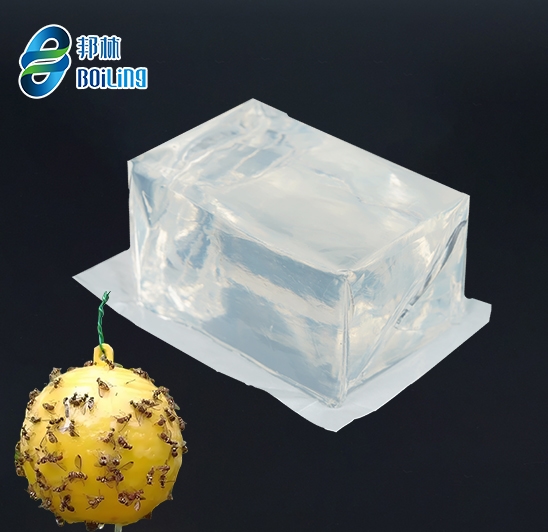
Banglin'in brings solid experience as a hot-melt adhesive manufacturer. They focus on pressure-sensitive solutions, including specialized pest control glue. They run a modern facility and combine good R&D with flexible production. This helps them serve both standard orders and custom work.
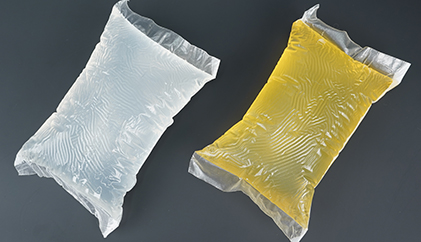
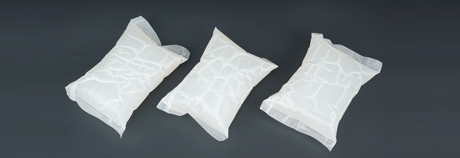
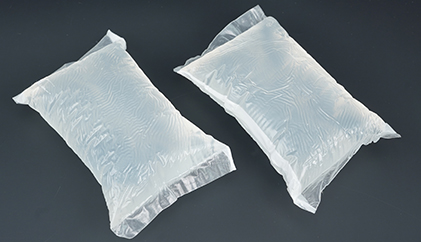
Their team partners closely with clients on ODM and OEM projects. They adjust details like color, block size, and performance traits to match exact needs. Strong quality checks and steady batches help manufacturers deliver pest control products that work well from the factory floor all the way to the end user. Whether you are growing production of glue boards for large fruit flies in orchards or creating new insect trap designs for tea gardens, their basınca duyarlı sıcak eriyen yapıştırıcılar stress real-world performance. They reduce cold flow in hot summer conditions without losing the sticky power that gets the job done.
Sonuç
Cold flow and glue migration do not have to be problems you simply accept in the pest control industry. By fixing the root causes inside the adhesive formula, manufacturers can ship cleaner and more effective traps. These traps catch large fruit flies and other pests in tea gardens and orchards instead of collecting complaints.
Spending time on the right pest control glue brings benefits in smoother operations, happier distributors, and traps that really work when needed during hot summer months. The difference appears in fewer returns, better looks on the shelf, and stronger results in the field. That is exactly what farmers and professionals want.
Sık Sorulan Sorular
What causes glue migration in pest control glue boards and traps?
Glue migration, also known as cold flow, occurs when the adhesive slowly seeps or creeps from its original position during storage or shipping. This usually comes from an imbalance in the hot melt formula that allows too much movement under high summer temperatures and light pressure. Vibration from trucks and stacking on pallets makes it even worse.
How does poor cold flow resistance affect pest control glue performance?
It creates messy edges, thinned-out catching areas, and inconsistent stickiness. Traps can look unprofessional on shelves. Catch rates for large fruit flies drop because pests find spots where the glue has shifted away in hot weather. Customers notice the difference quickly. This leads to more complaints and returns.
Can a good pest control glue resist cold flow without losing its tack?
Yes. Modern formulas balance the polymer structure and additives to hold the glue in place even in summer heat. They still keep strong initial tack and long-term holding power. The result is a product that stays put during hot transport but grabs insects effectively once it is used in orchards or tea gardens.
What should I look for when selecting pest control glue for manufacturing?
Focus on migration resistance data in high temperatures, performance in hot conditions, and real-world storage tests during summer. Also check how it behaves on your coating lines and how well it bonds to your board or tray materials. Consistent batch quality matters just as much as top specs.
Does Banglin offer custom pest control glue solutions?
They provide tailored pressure-sensitive hot melt adhesives. This includes options designed to minimize cold flow for pest control applications in hot weather. Their ODM and OEM capabilities let manufacturers adjust formulas to fit specific production needs and performance goals for tea gardens and orchards.
 Danışma
 Whatsapp'ın
 Mesaj bırakın
 üst
üst