






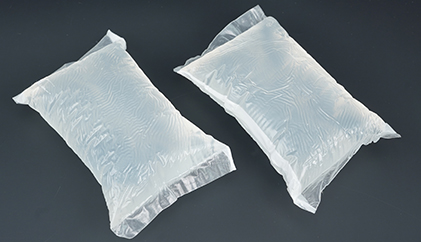

The Science Behind Hot Melt Tape Adhesives: Why They Stick So Well
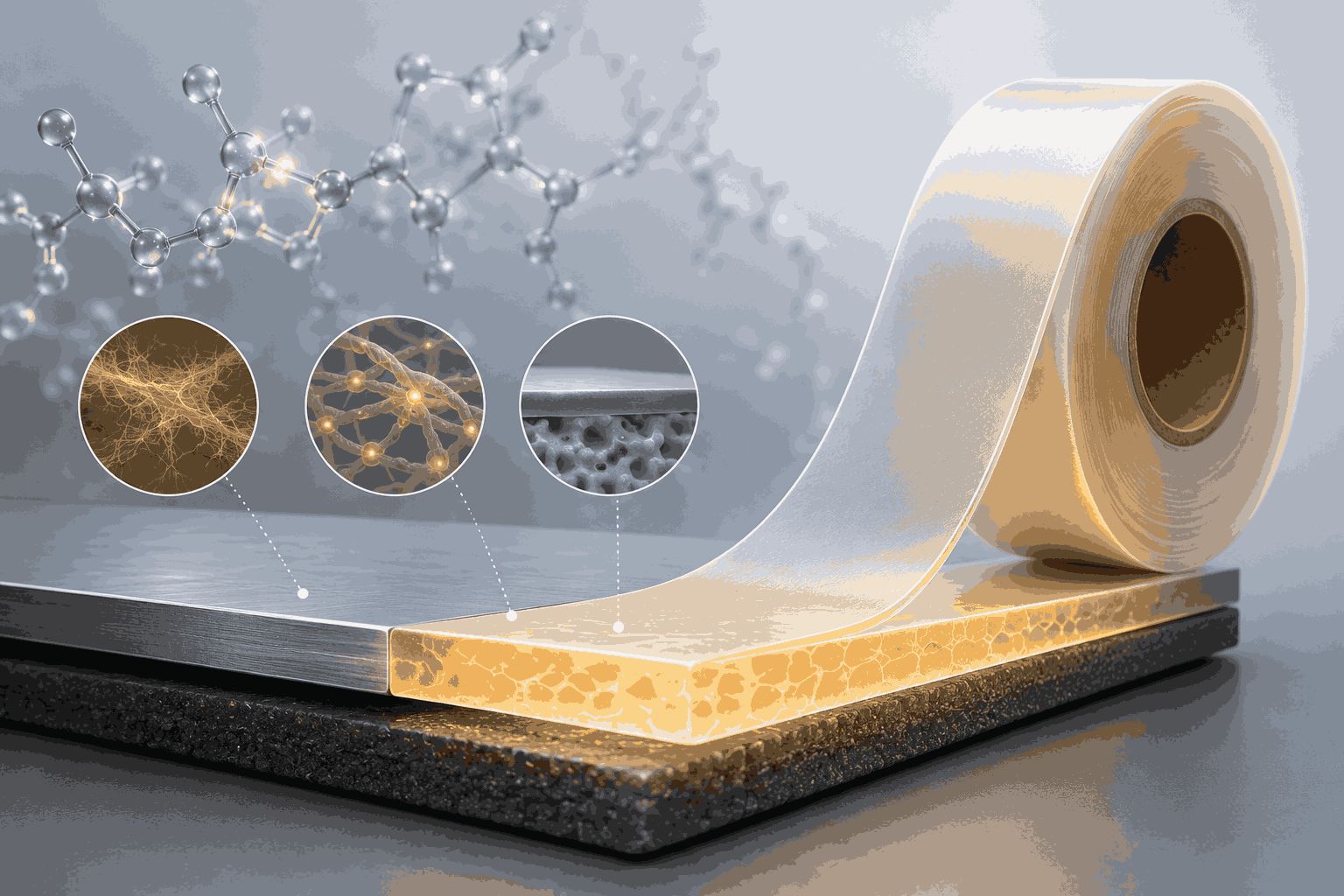
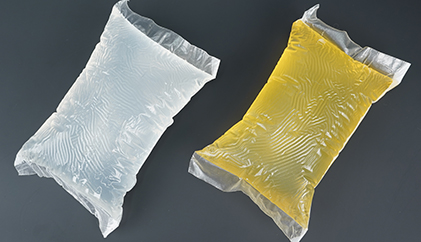
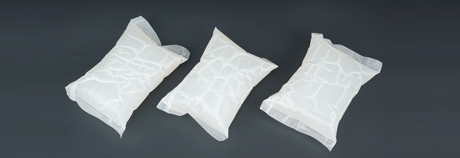
Hot melt tape adhesives are thermoplastic bonding materials that are applied in a molten or fluid state and then cool to form a strong, durable bond. They are widely used in industrial, packaging, and other end-user markets because they deliver fast setting, high tack, clean application, and superior bonding performance, making them well suited for automated carton sealing and label lamination. Pressure sensitive hot melt adhesive technology is becoming increasingly important in today’s manufacturing processes because it enables tapes and labels to bond instantly with light pressure, without curing or drying.
What Makes Hot Melt Tape Adhesives Stick So Effectively?
Hot Melt Tape Adhesives are effective because of the adhesive’s chemistry as well as its physical structure and form. In order to bind well with a wide variety of materials, the Hot Melt Tape must meet certain physical and mechanical requirements.
The Chemistry Behind Adhesion Forces
Adhesion occurs when van der Waals forces occur between polymer chains of adhesives and surface features of a substrate andhesion between molecules of an adhesive and molecules on a substrate surface determine the quality of adhesion. Weak act in virtually all areas of contact. In addition to these weak forces, also polar surface features of the adhesive penetrates into all surface features of a contact area, and subsequently hardens and is thereby a substrate may form hydrogen bonds with corresponding polar groups of adhesive molecules. Mechanical interlocking takes place if mechanically fixed.
The peel or removal resistance; and, especially, shear resistance or resistance to subsequent erosion. The optimal balance of these attributes and, thus, critical end-use properties, results in a solution that is easy to balance of these attributes controls the critical end-use properties of adhesion: tack or initial stickiness; apply but also maintains adhesion over extended periods of time.
The Role of Polymer Composition in Adhesive Performance
The primary property of an adhesive that is determined by the base polymer is how the material will behave. For example, EVA (Ethylene-vinyl acetate) systems are clear, flexible, styrenic block copolymers (SBCs) are elastic and also pressurizable, while polyolefin-based systems are heat stable, have low odor and are processible. A number of additives are used to modify the adhesive. For example, tackifiers increase the surface wetting property, plasticizers increase the softness to aid dispersion and processing aids are used to protect the adhesive from oxidation during both processing and service.
In addition to the stability of the adhesive over time, the thermal stability of the adhesive must also be considered. During the coating process the adhesive must have a constant viscosity at higher temperatures, but at the same time the adhesive must also be resistant to degradation. The adhesive must have a controlled viscosity in order to achieve a constant coating thickness on tapes and films. If the adhesive has too high of a viscosity then it can cause problems such as stringing, and if the viscosity is too low then there will be areas where the coating is too thin.
How Does Pressure Sensitivity Enhance Hot Melt Tape Adhesives?
Pressure sensitivity enables hot melt formulas to change instantly to a bondable formula facilitating very fast processing.
Mechanisms of Pressure Sensitive Adhesion
As pressure is increased, the viscoelastic adhesive is forced to flow and ‘wet’ the surface of the adhesive/substrate interface. The adhesive does not require any form of chemical cure as the adhesive will have formed the bond immediately as the pressure is applied. The bond is maintained by the adhesion forces acting between the adhesive and the substrate, and the internal cohesion of the adhesive resisting deformation of the adhesive bond. To achieve the best properties for a tape, these two forces must be balanced.
Factors Influencing Pressure Sensitive Behavior
Several factors dictate how effectively a pressure sensitive hot melt adhesive performs. Temperature affects both viscosity during application and flexibility during use: higher temperatures enhance flow but may reduce cohesive strength if excessive; lower temperatures can limit tack by stiffening the polymer matrix. Surface energy also plays a major role—high-energy substrates like metals promote better wetting than low-energy plastics such as polyethylene.
The coatings have higher tack but less holding power when in use. The dwell time is the time after the thickness of a coating will affect the peel adhesion and the shear strength of a bond. Thicker initial contact between two surfaces before a test is carried out. This can affect test results because longer dwell time may allow the adhesive to wet the surface more fully and form a stronger bond.
Why Are Hot Melt Tape Adhesives Preferred Across Industries?
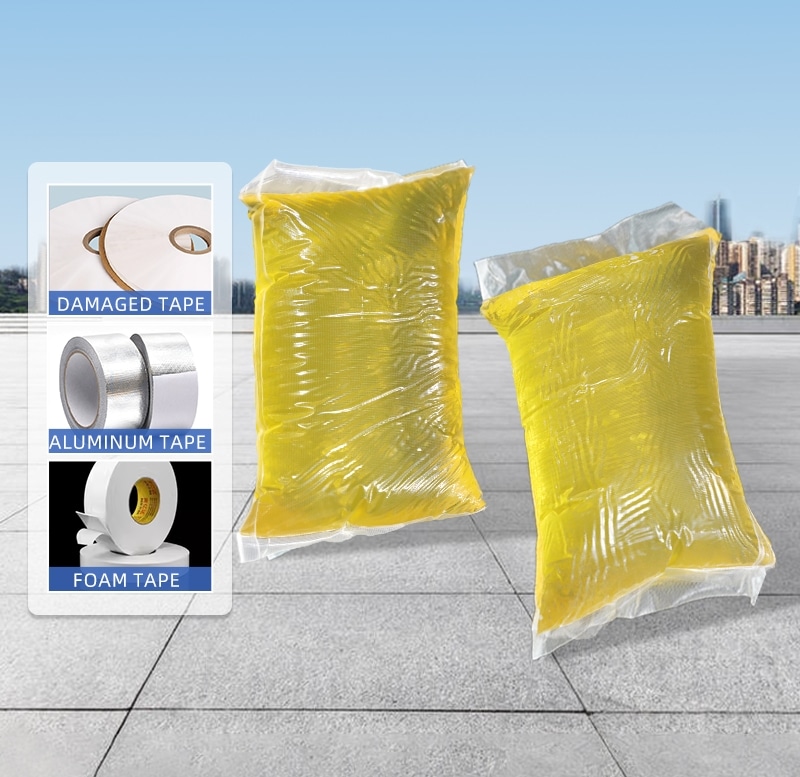
Hot melt tape adhesives are preferred because they combine fast bonding, clean processing, and reliable performance in demanding production environments. Compared with traditional adhesive systems, their solid thermoplastic structure gives manufacturers a more efficient and practical bonding solution.
Advantages Over Solvent-Based or Water-Based Systems
In contrast to solvent-based or water-based adhesives that are dissolved in solvents which evaporate during processing or drying time, hot melt adhesives from hot melt tape are 100% solid formulations. As a result there are no volatile components and minimal emissions are released. Processing is therefore very fast as the adhesive has already hardened by cooling and thus does not keep anyone waiting. The adhesives are very stable in terms of shelf life due to their nature of being thermoplastic solids.
Sustainability is enhanced through solvent-free operation which means that there is less waste and less energy consumption compared to typical processing that involves drying ovens or solvent recovery systems. Such a benefit is highly valued in eco-conscious packaging processing operations.
Industrial Applications Driving Demand Growth
As industries continually try to improve their production lines in terms of speed and improve the method of bonding to be cleaner then there is an increasing demand for pressure sensitive hot melt adhesives.
Packaging Industry Applications
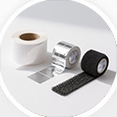
Hot melt tape adhesives are commonly used for carton sealing tapes used in packaging operations. Many such carton sealing tapes are designed for use in high-speed automated packaging lines and thus require to have a tape which is able to bond very rapidly in order to allow a high throughput of packed material.
Labeling and Graphic Arts Fields
Hot melt adhesives are used in a variety of labeling applications – ranging from temporary and removable labeling of consumer products to industrial permanent labels. Formulations can be tailor made to offer precise level of initial tack to specific substrates without leaving any residue or risk of the label lifting.
How Is Performance Evaluated in Hot Melt Tape Adhesives?
Performance evaluation focuses on whether the adhesive can maintain stable bonding strength under real production and end-use conditions. To achieve reliable results, manufacturers usually assess several measurable properties through controlled testing methods.
Key Testing Parameters for Quality Control
Quality control for standard taped materials, i.e. self-adhesive tapes, are measured by a number of standardized test methods to determine, for example, the peel adhesion, shear holding power, tack, and the aging stability of taped materials. It is critical in conducting such tests to test in a controlled environment and monitor such environmental variables as temperature and humidity since they can greatly affect the test results.
Environmental Resistance Considerations
To test the durability of the bonds, samples are usually exposed to heat aging cycles or to ultraviolet radiation, in order to assess their behavior under service conditions. In addition, the mechanical fatigue resistance of the bond is tested by repeating expansion-contraction cycles of temperature, in order to verify the bond’s ability to resist to failure. This test is very important for applications in which the bonded parts are exposed to the outdoors, like for example sign boards or automotive interior trim.
Who Is Hangzhou Boiling Adhesive Technology Co., Ltd.?
Hangzhou Boiling Adhesive Technology Co., Ltd., a specialized professional manufacturer of a wide range of pressure sensitive hot melt adhesive products for the global market. The company operates through an innovative research, development and design focus with a core mission of creating improved polymer formulations that not only increase efficiency of adhesion butromising quality control policy, Boiling Adhesive is able to design and provide a wide array of are also environmentally friendly and compliant with relevant regulations. With state of the art production lines and an uncomp tailored hot melt adhesive solutions to support a variety of industrial applications such as packaging tapes and labels, automotive parts and components as well as electronics and related hardware and components.
Sonuç
The performance of hot melt tape adhesives is greatly due to the careful formulation of these products, which combine polymer chemistry with pressure-sensitive adhesion mechanisms. The instant bonding feature of hot melt adhesives, without the use of solvents, makes them ideal for green manufacturing. By continuing to develop more efficient manufacturing processes and a range of new environmentally-friendly adhesive formulas, leading suppliers of hot melt adhesive are pushing back the boundaries of what can be achieved with this versatile product.
Sık Sorulan Sorular
What is the difference between hot melt tape adhesive and traditional solvent-based adhesive?
melt tape adhesives are based on thermoplastic adhesives which in contrast to solvent based adhesives solidify by cooling down and not by evaporation of the solvent. This allows hot melt tape adhesives to bond faster, reduce drying time, and release fewer emissions during application. Therefore, they are often more suitable for high-speed packaging, labeling, and industrial bonding processes.
How does temperature affect the performance of pressure sensitive hot melt adhesives?
The temperature influences the viscosity of a pressure sensitive adhesive during application and the flexibility of the cured bond. In excess of temperature the adhesive can become too soft to form strong bonds, while low temperatures can reduce the tack of the adhesive.
Can hot melt tape adhesives be customized for specific substrates?
Yes, you can tune up the formulation with a specific blend of polymers and/or with a particular tackifier in order to achieve optimal adhesion on plastics, on metals, on paperboard or on fabrics.
 Danışma
 Whatsapp'ın
 Mesaj bırakın
 üst
üst