







Solving Winter Brittleness: Choosing a Hot Melt Glue for Low-Temperature Logistics
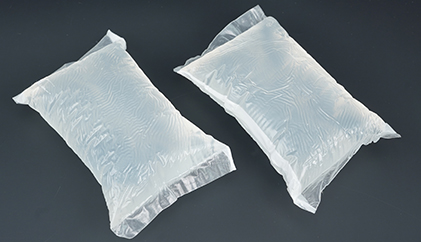
Winter hits hard on logistics operations. Packages bounce around in unheated trucks, sitting in freezing warehouses, or getting tossed out in the snow. For express bags—the lightweight, tough plastic envelopes that carry everything from online orders to urgent documents—the sealing glue faces real punishment. Cold temperatures can turn ordinary hot melt adhesives brittle. They crack. Bags pop open mid-transit. Shipments get damaged, customers complain, and costs pile up from returns or replacements.
That’s where the right express bag hot melt glue steps in. It stays soft and tough, even when it’s bitterly cold outside. In this piece, we’ll look at why seals fail in winter, what keeps a glue reliable in low temps, and how to pick one that keeps your deliveries moving without headaches.
Why Cold Weather Wrecks Standard Hot Melt Glues
Hot melt adhesives perform fine in everyday conditions. You melt them, spread them, and they harden into a tight bond. But plunge the temperature low enough, and trouble starts.
Many common glues have a fairly high glass transition point – that’s the spot where they go from bendy to hard and fragile. In winter, especially up north or on long hauls through snowy areas, temps can stay below zero for hours. Sometimes days.
Imagine a delivery truck parked overnight in Minnesota. It drops to -20°F. The glue on those express bags gets rock-hard. Any bend or bump, and it cracks. The seal gives way. Logistics companies often see failure rates climb 15-20% during cold months when they stick with ordinary glues. Bags made from recycled PE take it even worse because the surface is rougher, so bonding gets trickier in the chill.
It’s not just about the glue cracking. Poor low-temperature performance leads to:
-
Glue separation from the bag material
-
Reduced initial tack, so seals don’t hold right away
-
Overall weaker bonds that can’t handle rough handling
Logistics managers know this pain all too well. Delays, lost packages, and unhappy clients follow fast.
Key Features to Look For in a Winter-Ready Express Bag Hot Melt Glue
Not all hot melt glues are equal when it comes to cold weather. Here’s what separates the reliable ones from the rest.
Low Glass Transition Temperature
This is the big one. A lower Tg means the glue stays rubbery and flexible longer as temperatures fall. Specialized formulas can handle down to -20°C or lower without turning brittle.
Excellent Wettability on Tough Surfaces
Express bags often use PE or PP films, including recycled content. A good glue spreads out well—wets the surface—even on these tricky materials. No beading up or weak spots.
Balanced Adhesion and Holding Power
You need strong initial stick for fast production lines, plus lasting hold through bumps and vibrations. Look for glues that balance peel strength and shear resistance.
Temperature Resistance Across the Board
It can’t just survive cold—it should resist heat too. No oil seepage in summer highs, no cracking in winter lows.
Eco-Friendly and Odorless Formula
Modern operations demand clean glues. Non-toxic, low-VOC options that don’t stink up the workspace or the packages.
In practice, these features come from thermoplastic rubber bases, carefully tuned viscosities (around 1000-3000 cps at application temps), and softening points in the 70-100°C range.
| Feature | Why It Matters in Winter Logistics | Typical Performance in Quality Glue |
|---|---|---|
| Low Tg | Prevents brittleness and cracking | Flexible down to -20°C or below |
| High Wettability | Bonds well to recycled PE/PP bags | Strong adhesion even on inked or reclaimed surfaces |
| Balanced Tack & Hold | Seals stay shut during rough transport | High initial peel, long-term shear |
| Broad Temp Resistance | Handles seasonal swings without failure | No seepage in heat, no crack in cold |
| Odorless & Eco-Friendly | Safe for workers and end-users | ROHS/REACH compliant, low odor |
Real-World Impact: How the Right Glue Saves the Day
Take a mid-sized e-commerce shipper in the Midwest. Before switching glues, they saw a spike in damaged returns every January—bags splitting open after cold storage. Switching to a low-temperature resistant express bag hot melt glue cut those incidents by over 80%. Packages arrived intact, even after sitting on loading docks in sub-zero wind chills.
Or consider high-volume express services during holiday rushes. Trucks run non-stop, packages stack high. A glue that cracks under flex means chaos. But one with proven winter performance keeps seals tight, reduces rework, and boosts throughput.
Industry experience backs this up. Facilities using specialized glues report fewer line stoppages from glue issues and lower overall adhesive consumption because bonds hold the first time.
Tips for Applying Express Bag Hot Melt Glue in Cold Conditions
Even the best glue needs proper handling.
-
Application Temperature: Stick to 150-180°C. Pre-heat equipment fully—give it at least 30 minutes.
-
Equipment Settings: Glue cylinder at 160-170°C, hoses and nozzles a bit higher to avoid stringing.
-
Storage: Keep glue blocks cool and dry, away from sunlight.
-
Testing: Always run samples on your exact bag materials, especially if mixing new and recycled films.
Small tweaks like these make a huge difference in bond quality.
About Banglin: Your Partner in Hot-Melt Adhesive Solutions
Banglin (Hangzhou Boiling Adhesive Technology Co., Ltd.) has been crafting high-performance hot melt adhesives since 2005. Based in Hangzhou, China, we’re a national high-tech enterprise with a strong focus on innovation. Our 500㎡ R&D center, equipped with advanced tools like imported rheometers, lets us develop custom formulas backed by PhD-level expertise and multiple patents.
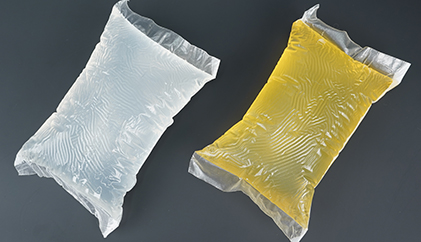
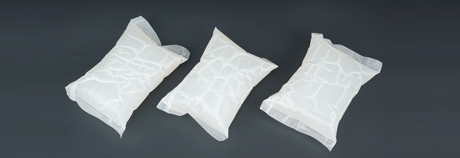
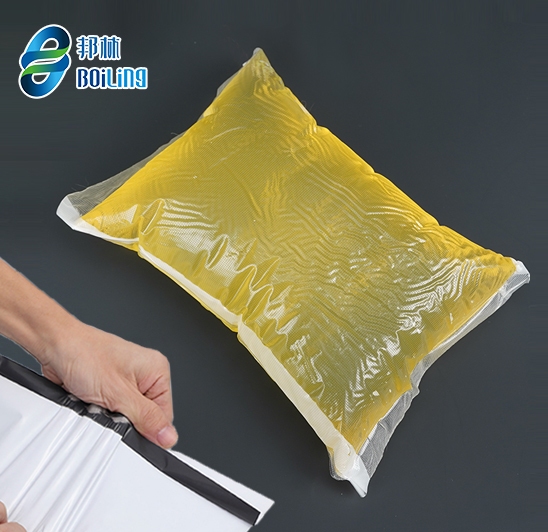
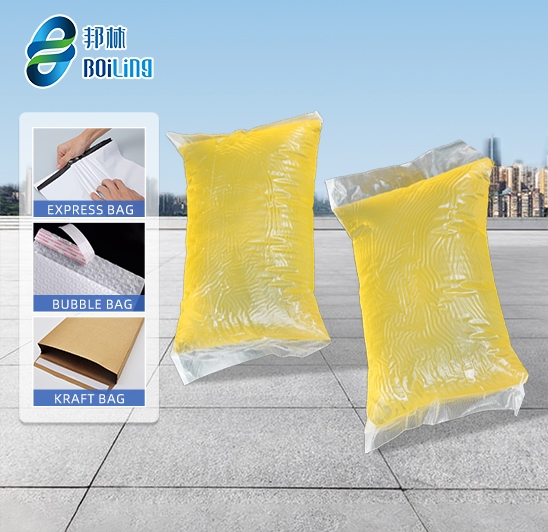
We specialize in pressure-sensitive hot melt adhesives, including our standout express bag hot melt glue. It’s built for the demands of logistics—strong, reliable bonds that stand up to extreme conditions. Serving thousands of customers across industries, we offer everything from formula tweaks to full ODM/OEM production. Quality is non-negotiable: ISO9001 certified, with ROHS and REACH compliance.
Whether you need glue for express packaging, labels, or other applications,Banglin delivers stable supply, technical support, and solutions that cut costs while boosting performance.
Conclusion
Winter doesn’t need to bring cracked seals and shipping nightmares. Pick an express bag hot melt glue made for cold – one with low Tg, excellent spread, and solid resistance. You’ll safeguard your packages and keep everything running smooth. It’s a simple switch that saves on damage, keeps customers happy, and makes the whole year easier.
Ready to make your express bags tougher in the cold? Get in touch to find the right fit for your operation.
FAQs
Q: What causes hot melt glue to become brittle in winter?
A: Regular glues usually have a higher glass transition temperature. So they harden and crack in freezing weather. A dedicated express bag hot melt glue uses a lower Tg recipe to remain flexible.
Q: Can express bag hot melt glue work on bags with recycled materials in low temperatures?
A: Yes. Strong versions spread well and hold firm on PE/PP films – even recycled or printed ones – without losing strength in the cold.
Q: How does express bag hot melt glue prevent bag rupture during winter transport?
A: It offers quick initial grab plus lasting grip. And it resists cracking in low temps. So seals survive bumps and bending.
Q: What’s the best application temperature for express bag hot melt glue in colder shops?
A: Shoot for 150-180°C with full warm-up time. That gives proper flow and solid bonds, even when the plant feels chilly.
Q: Does express bag hot melt glue handle both winter cold and summer heat?
A: Definitely. Reliable formulas fight cracking in winter and oily bleed in high heat. They stay trustworthy all year.
 Consult
 Whatsapp
 Leave Message
 top
top