





Table of Contents
Related news
-
5 Common Lipstick Tube Assembly Failures and How the Right Hot Melt Prevents Them
-
Step-by-Step Guide: How to Apply Hot Melt Glue in Shoe Production Lines
-
What Makes a PSA Stick? The Science Behind Tack, Cohesion, and Adhesion

-
The Ultimate Guide to Pressure-Sensitive Adhesives for Label Manufacturing
Beyond Springs: Adhesive Solutions for Modern Foam-Only and Latex Mattresses
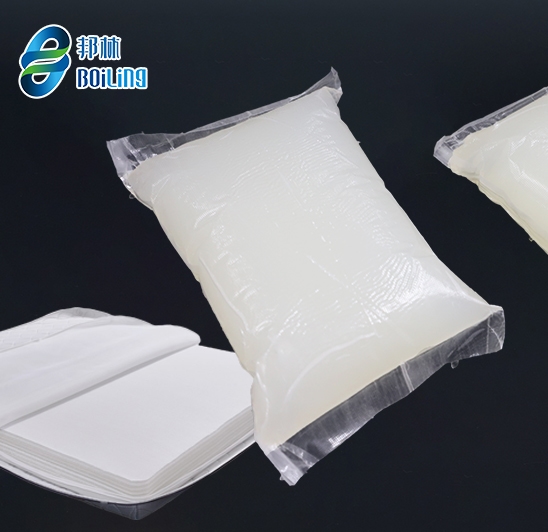
Mattress shopping these days looks a lot different from what it used to. Gone are the days when every bed had a big coil spring setup. Now, folks are snapping up all-foam models, memory foam wonders, and natural latex options left and right. These modern beds feel plush, contour to your body, and cut down on that annoying bounce. But building them? That’s a whole other story. Without springs to hold everything together, manufacturers rely heavy on adhesives to layer foams, attach fabrics, and keep the whole thing stable over years of use. Pick the wrong glue, and you’ve got sagging layers or separations nobody wants. This piece breaks down why the right mattress glue makes all the difference in these spring-free designs—and how it tackles the tricky stuff like porous surfaces and sensitive materials.
The Shift to Spring-Free Mattresses
Think about it. The mattress market has flipped big time. All-foam and latex beds now grab a huge chunk of sales—some reports put memory foam alone at over 30% of the U.S. market, with latex climbing fast for its eco appeal. People love the pressure relief, the motion isolation for couples, and that hug-you-back feel. No springs means quieter nights too. But structurally? These beds are stacks of soft, airy layers: high-density base foams, squishy memory tops, maybe some gel infusions, all wrapped in breathable covers.
That’s where mattress glue comes in. It has to bond these multi-density foams without messing up their comfort. Traditional solvents? No way—they can eat into foam or leave smells. Hot melts step up here, offering clean, fast bonds that play nice with modern builds.
Challenges with Porous and Sensitive Materials
Foam and latex aren’t easy to glue. They’re full of tiny air pockets—super porous. Regular adhesives might soak right in, weakening the surface or creating hard spots that poke through when you lie down. I’ve heard from factory floors how that leads to uneven feel and quick complaints. Latex is even pickier; it’s natural, rubbery, and can react badly to harsh chemicals, yellowing or breaking down over time.
Then there’s the daily grind. Mattresses deal with body weight, twisting sleepers, and temperature swings from cold winters to hot summers. Glue that gets brittle in the chill or softens and oozes in heat? Recipe for delamination—layers peeling apart after a year or two. In one production run a colleague mentioned, poor penetration control caused 12% rejects because glue bled through thin toppers, ruining the look and feel.
Key Issues in Foam and Latex Bonding
-
Excessive penetration: Glue seeps too deep into pores, hardening foam and cutting comfort.
-
Material degradation: Aggressive formulas corrode latex or off-gas odors.
-
Thermal instability: Bonds fail in extreme temps, leading to shifts or noise.
-
Weak long-term hold: Not enough tack for heavy compression over time.
How Modern Mattress Glue Solves These Problems
The good news? Today’s hot melt adhesives are built for this exact world. Take polyolefin-based mattress glue—it’s solvent-free, low-VOC, and bonds without diving too deep into those pores. It wets the surface just right, grabbing hold fast but staying put. Application temps around 150-180°C let it flow smooth via spray or roller, then set quick for high-speed lines.
For latex, these glues avoid corrosion altogether. No harsh stuff to break down the rubber. Instead, they deliver flexible bonds that move with the material. Memory foam layers with different densities? No problem—strong initial tack lets you align everything perfectly during that open time window, then locks it in for good.
Real-world example: A mid-sized manufacturer switched to this type for their all-foam line. Before, winter shipping saw bonds cracking in cold trucks. After? Failure rates dropped under 2%, thanks to thermal stability that keeps flexibility down to low temps and resists oozing in heat. Beds held up better in long-term tests too, with no delamination even after simulated 10-year use—think thousands of pounds of pressure cycles.
Benefits at a Glance
| Benefit | How It Helps Foam/Latex Mattresses | Real Impact |
|---|---|---|
| Controlled flow | Minimal penetration into porous surfaces | Keeps soft feel, no hard spots |
| Fast setting | Quick cure, no waiting for drying | Faster production, immediate packing |
| Temperature resistance | Stays flexible in cold, firm in heat | Durable through seasons and shipping |
| Strong tack and hold | Endures compression and deformation | Prevents layers shifting over years |
| Low odor and safe | Solvent-free, meets strict environmental standards | Better for sleepers, eco-friendly |
Applications in Modern Mattress Construction
These adhesives shine across the build.
-
Layer lamination: Bonding base foams to comfort tops. That prolonged open time is gold for getting multi-layer stacks compressed just right.
-
Fabric attachment: Securing knitted covers or non-wovens without bleed-through that could stiffen the surface.
-
Edge support: Reinforcing sides with strips—keeps the bed firm when you sit or roll over.
-
Hybrid touches: Even in mostly foam beds with some pocket springs, it fixes those without mess.
On automated lines, spray application coats evenly, boosting efficiency. One plant reported cutting assembly time by 20% while improving bond consistency.
Tips for Better Bonding Results
-
Clean surfaces—dust or oils kill grip every time.
-
Dial in the temperature: Too hot risks penetration; too cool weakens flow.
-
Test samples: Run peel and shear checks to mimic real pressure.
-
Allow proper compression: Press layers during open time for max contact.
Meet Banglin: Your Trusted Hot Melt Adhesive Supplier
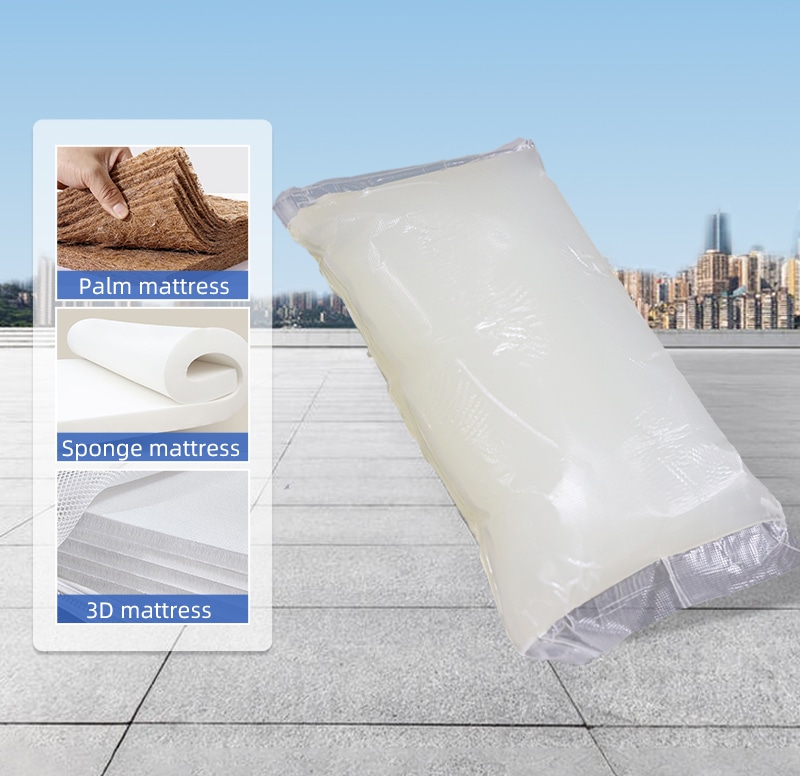
When it comes to reliable mattress glue, Banglin—officially Hangzhou Boiling Adhesive Technology Co., Ltd.—has been leading the pack since 2005. Based in Hangzhou’s Future Science Industrial Park, this national high-tech company specializes in polyolefin hot melts perfect for bedding. Their APAO series brings top-notch heat resistance, anti-aging strength, and clean performance to foam and latex builds. With over 30 years of R&D muscle, advanced testing gear, and a focus on low-VOC, eco-safe formulas, Banglin serves thousands of customers worldwide. They offer custom tweaks, steady supply, and real support to nail your production needs.
Conclusion
Bottom line, spring-free mattresses are here to stay—and thriving because of smart adhesive tech. The right mattress glue handles porous foams and delicate latex without penetration headaches or breakdowns. It delivers lasting bonds that keep beds comfy, quiet, and together for the long haul. Manufacturers get smoother runs and happier customers. If you’re building these modern sleepers, stepping up your glue game pays off big.
FAQs
What makes mattress glue suitable for all-foam and latex beds?
Mattress glue like polyolefin hot melts bonds porous materials without soaking in too deep. It keeps the soft feel intact while providing strong, flexible hold that lasts through years of pressure and movement.
How does mattress glue prevent delamination in memory foam layers?
With great initial tack and prolonged open time, mattress glue lets layers align perfectly before setting fast. The durable bond resists deformation, cutting separation risks even in multi-density stacks.
Can mattress glue handle temperature changes without failing?
Yes—it’s built with high thermal stability. Mattress glue stays flexible in cold weather and doesn’t ooze in summer heat, making it ideal for shipping and real-life use.
Why choose low-VOC mattress glue for modern mattresses?
Low-VOC mattress glue is solvent-free and safe, with no off-gassing odors. It meets tough environmental standards, perfect for sleep products where health and comfort matter most.
Is mattress glue compatible with automated production lines?
Absolutely. Mattress glue applies via spray or roller at 150-180°C, sets quick, and works smooth on high-speed setups, boosting efficiency without messes.
 Consult
 Whatsapp
 Leave Message
 top
top