




सामग्री की तालिका
संबंधित समाचार
-
Cold Flow Resistance in Pest Control Adhesives: Solving the “Glue Migration” Problem

-
Solving Plastic Label Wrinkling and Edge Curling on Flexible Packaging: The Role of High-Tack HMPSA

-
Preventing Label Edge Lift on Plastic Bottles: Solutions for PP & PE Adhesion
-
Optimizing Production Yield: Reducing Adhesive Waste in Bottle Cap Manufacturin
How Fast-Curing Hot Melt Adhesive Slashes Mattress Production Cycle Time and Lowers Labor Costs
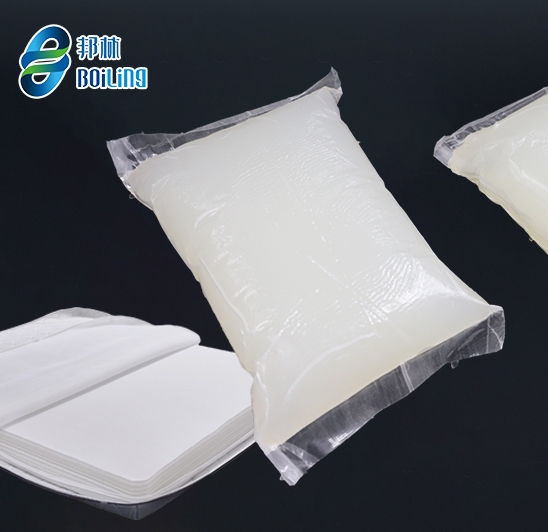
Mattress makers face plenty of pressure these days. Demand keeps rising. At the same time, good workers get harder to find and cost more. Every extra minute on the line eats into profits. Traditional glues have held things back for years. They sit there waiting to dry or cure. Sometimes that wait stretches for hours or even a full day. That slows the whole process and ties up people on the floor.
Fast-curing hot melt adhesive flips the script. It bonds almost right away as it cools down. No long drying periods. No chemical curing to wait for. Factories can go straight from gluing to pressing, trimming, and packing. Many shops say they cut their cycle times a lot after making the switch.
At Banglin, we see this change happening more and more on modern mattress lines. Let’s walk through how this adhesive brings real speed and cost savings while still delivering strong bonds.
The Old Way: Waiting Games That Kill Efficiency
Old-school water-based or solvent glues need time to set up. After you spray or roll them onto foam, non-woven fabric, or spring units, workers often hang around. They wait for the stuff to evaporate or fully cure. In busy plants, that means finished mattresses sit around on racks for hours. Sometimes they sit overnight.
Picture a mid-sized factory running two shifts. They glue up 200 mattresses a day but lose a chunk of floor space to drying areas. Workers move on to other jobs and come back later. One plant manager mentioned they used to waste nearly 40% of their daily output window just waiting around. Labor costs climbed because they needed extra hands to handle the backlog.
Fast-curing hot melt adhesive skips all that hassle. You apply it hot, usually between 150-180°C. Then it cools and grabs hold in seconds to just a few minutes. The line keeps rolling without big pauses.
How Fast Curing Speeds Up the Entire Line
The biggest gains show up on high-speed automated setups. Spray the adhesive, line up the layers, press them together, and you’re ready for the next step. You can even package the mattress right away. No more waiting for the bond to get stronger over time.
We worked with one bedding manufacturer who switched. Their average cycle time dropped from about 45 minutes per mattress down to under 20 minutes. That let them push out over 60% more units a day without adding extra shifts or people. The line ran smoother, and the gluing station stopped being a bottleneck.
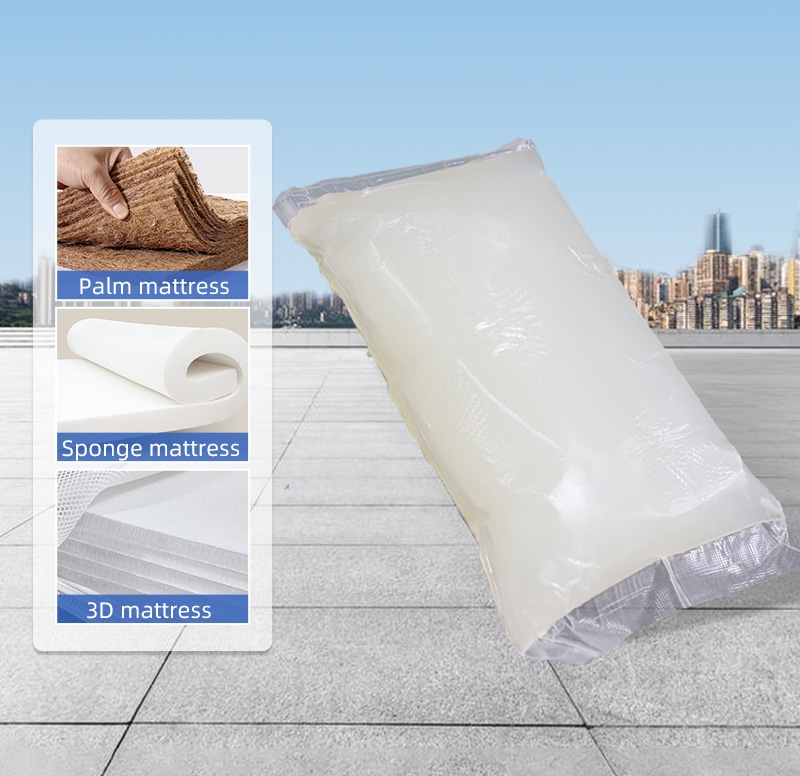
Polyolefin-based versions work especially well here. They grab quickly after application. That holds foam layers, knitted fabrics, memory foam, and spring units in place while the line keeps moving. You still get a little extra open time so operators can adjust everything just right before it sets.
Cutting Adhesive Use with Precision Spray Application
Another clear saving comes from how you put it on. Modern spray systems lay down thin, even coats. Many mattress lines now use only 20-30 grams per side to bond the layers. That’s a lot less than older methods that wasted glue through drips or uneven spreading.
Using less material drops the cost per mattress. One factory figured they saved roughly 15-20% on adhesive spend after switching to a sprayable fast-curing version. The even coverage also made bonds more consistent. They saw fewer rejects from layers coming apart or making noise later on.
Here are some typical savings in bullet points:
- Reduced glue consumption: 20-30 grams per side with spray application
- Faster throughput: Immediate handling after pressing
- Lower waste: Minimal overspray and no drying evaporation loss
- Cleaner operation: Solvent-free and low-VOC formula keeps the shop air fresher
Real Labor Cost Reductions on the Floor
Labor savings show up in several ways. You need fewer people moving half-finished mattresses around. Less overtime to catch up on piles of work. And the process gets simpler, so training new folks takes less time.
A plant in the Midwest made the change. They went from having dedicated staff for curing zones to a leaner crew focused on quality checks and final packing. They shifted those hours into more useful tasks like final inspection. Overall labor cost per mattress dropped, especially during busy seasons when every hour counts.
The adhesive also stays stable. It stays flexible in cold storage but doesn’t ooze when things heat up in summer. That means fewer call-backs for rework and happier teams on the line.
Strong Bonds That Hold Up Long-Term
Speed doesn’t help if the bond falls apart later. Fast-curing hot melt adhesive still gives tough structural adhesion. It handles the pressure and movement mattresses deal with every night. The initial grab happens fast, and the final strength builds as it cools all the way.
These adhesives stick well to tricky surfaces like porous foams and non-woven fabrics. The result is a stable mattress inside with less chance of layers shifting or squeaking over time. Customers often say their mattresses stay quiet and supportive for years.
Quick Comparison: Fast-Curing Hot Melt vs Traditional Glues
|
पहलु |
Traditional Glues |
Fast-Curing Hot Melt Adhesive |
|
Curing Time |
Hours to days |
Seconds to minutes (cools and sets) |
|
Production Flow |
Frequent stops for drying |
Continuous high-speed automation |
|
Adhesive Usage |
Higher due to waste |
20-30 grams per side with spray |
|
Labor Needs |
More handling and waiting staff |
Leaner crews, immediate next steps |
|
Packaging Readiness |
Delayed |
Immediate after pressing |
|
Environmental Profile |
Often solvent-based |
Solvent-free, low-VOC, RoHS & REACH compliant |
These kinds of numbers come from actual production audits. The difference adds up quickly when you run thousands of mattresses a month.
About Banglin
बैंगलिन serves as a trusted hot-melt adhesive products supplier with deep roots in the industry. The company started back in 2005 and is based in Hangzhou. It runs a modern 15,000㎡ facility with strong R&D capabilities and daily production capacity reaching 100 tons. They focus on custom hot melt solutionsसहित polyolefin types for the mattress and bedding sector. Their products now reach customers across China and into international markets. Banglin mixes solid technical know-how with practical support to help manufacturers run smoother lines and deliver better product quality.
निष्कर्ष
Fast-curing hot melt adhesive gives mattress producers a practical way to speed things up and keep costs in check. By cutting out long drying or curing waits, it keeps lines moving and frees up floor space and people. Precision spray application uses less glue while creating consistent, tough bonds that customers can rely on.
Plants that make the switch often notice quicker cycle times, fewer rejects, and smoother daily operations. In a tough market, those improvements really count.
If your production line still deals with curing delays or high glue waste, it might be worth taking a fresh look at fast-curing options. Small changes in the process can bring big gains in output and profits.
अक्सर पूछे जाने वाले प्रश्न
What exactly is mattress glue and why does curing speed matter so much?
Mattress glue usually means the specialized hot melt adhesives used to bond foam layers, fabrics, and spring units. Fast-curing versions set up quickly as they cool. So factories skip the long waits that come with traditional glues. That shortens production cycle time and cuts down on labor spent moving half-finished mattresses around.
How much adhesive does fast-curing hot melt typically use per mattress?
With automated spray systems, many lines apply just 20-30 grams per side. This targeted way of applying glue wastes less than older rolling or brushing methods. At the same time, it still creates strong, even bonds across different materials.
Can fast-curing hot melt adhesive work with automated mattress production lines?
It sure can. The adhesive fits well with spray, roller, and other automated coating setups. Its quick set time lets the line run straight through from gluing to pressing and packaging without stopping for cure time.
Does switching to fast-curing hot melt adhesive affect the final quality of the mattress?
It often makes things more consistent. The strong initial grab and final bond strength help hold layers steady. That reduces problems like delamination or noise. Plus, the solvent-free formula keeps the product safe and low-odor for end users.
How does fast-curing hot melt adhesive help lower overall labor costs in mattress manufacturing?
It cuts waiting time between steps, so you need fewer people shuffling products or managing drying areas. Lines move faster. That means the same crew can turn out more units per shift with less overtime during peak times.
 परामर्श
 व्हाट्सएप
 संदेश छोड़ें
 शीर्ष
शीर्ष