







Table of Contents
Related news
-
Beyond Springs: Adhesive Solutions for Modern Foam-Only and Latex Mattresses

-
What Makes a PSA Stick? The Science Behind Tack, Cohesion, and Adhesion
-
5 Common Lipstick Tube Assembly Failures and How the Right Hot Melt Prevents Them

-
Step-by-Step Guide: How to Apply Hot Melt Glue in Shoe Production Lines

5 Common Paper Bag Handle Failures and How to Prevent Them with Adhesive
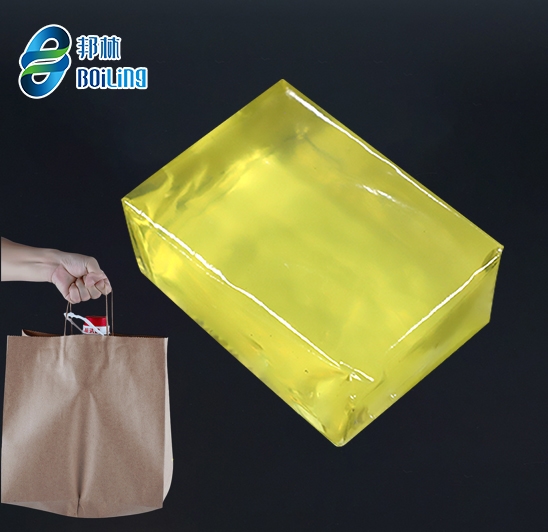
Picture this: You’re rushing through a busy store, grabbing a few items in a paper bag. Halfway to your car, the handle gives way, spilling everything onto the sidewalk. Frustrating, right? For businesses, these mishaps aren’t just annoying—they hurt your brand’s image and waste resources. Paper bag handles fail more often than you’d think, especially in packaging for retail, groceries, or events. But here’s the good news: the right adhesive can fix most of these issues. We’re talking about hot melt adhesives tailored for paper handbags, which bond strong and hold up under real-world stress.
In this post, we’ll break down five typical handle failures, why they happen, and practical ways to stop them. Drawing from years in the packaging game, I’ll share tips that come from actual shop floors and testing labs. If you’re in manufacturing or design, stick around—these insights could save you headaches and boost your product’s reliability.
Understanding Paper Bag Handle Failures
Handles on paper bags take a beating. They get yanked, twisted, and loaded with weight. When they flop, it’s usually down to material weaknesses or bonding glitches. Let’s dig into the big ones.
1. Low-Temperature Brittleness
Ever notice how some bags snap like twigs in winter? That’s low-temperature brittleness at work. When temps dip below freezing—say, during shipping in cold climates—the adhesive turns rigid and cracks under pressure.
Why does this hit paper bags hard? Paper itself absorbs moisture, and cheap glues lose flexibility fast. I’ve seen it in warehouse tests: a bag that holds 10 pounds at room temp fails at just 5 pounds when chilled to 20°F. Causes include poor adhesive formulation that doesn’t handle thermal shocks, or skimping on quality to cut costs.
2. High-Temperature Softening
Flip the script to summer heat, and handles start sagging. High-temperature softening makes the bond gooey, like melting butter on toast. This is brutal for bags stored in hot trucks or sunny displays.
The root? Adhesives with low softening points—around 50-60°C—can’t stand the heat from direct sun or warehouse ovens. In one case I recall from a packaging supplier, bags for beach gear softened at 90°F, leading to handles peeling off mid-use. It’s worse with coated papers, where the glue doesn’t grip well as temps rise.
3. Insufficient Cohesive Strength
This one’s sneaky. The adhesive might stick to the paper fine, but it lacks inner guts—cohesive strength—to resist pulls. Handles tear away because the glue layer itself rips apart.
Common triggers: Overloading the bag beyond design limits, or using adhesives without enough tensile power. From industry chats, I’ve heard of eco-bags failing at seams after just a few uses. Data from peel tests shows that weak cohesion can drop load capacity by 40%, turning a sturdy bag into a liability.
4. Poor Substrate Compatibility
Not all papers play nice with every glue. If the adhesive doesn’t wet the surface properly—think glossy coatings or recycled stock—bonds stay weak. Handles pop off with minimal force.
Why? Surface energy mismatches. Kraft paper grabs glue easy, but laminated ones? Not so much. A real-world example: A boutique switched to shiny bags for branding, only to have handles detach in humid stores. Without compatibility, even strong glues fail adhesion tests.
5. Improper Application Techniques
Sometimes it’s not the glue—it’s how you slap it on. Uneven coating, wrong temps, or rushed curing leads to spotty bonds. Handles fail at weak spots.
This crops up in high-speed lines where machines aren’t tuned right. I’ve toured plants where inconsistent glue flow caused 15% reject rates. Factors like dust on paper or mismatched open times make it worse, leaving air pockets that doom the handle.
Preventive Solutions Using Hot Melt Adhesives
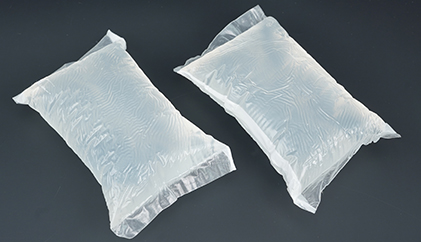
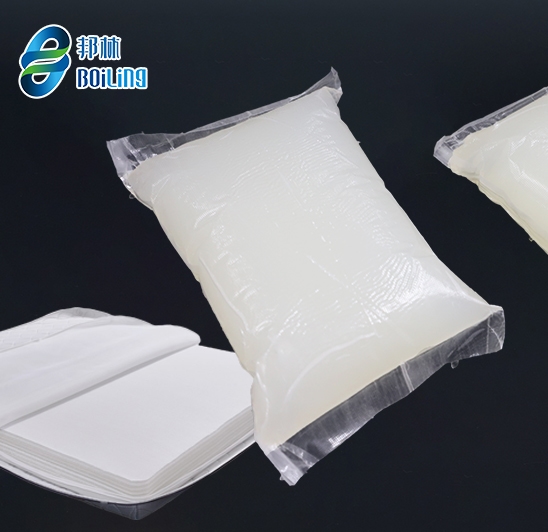
Hot melt adhesives shine here. They’re solid blocks that melt on application, bonding fast without solvents. For paper handbags, they offer toughness that water-based glues can’t match. Let’s tie solutions to those failures, focusing on performance perks like temperature resistance and bond strength.
Tackling Low-Temperature Brittleness
Go for hot melts with flexible polymers that stay pliable down to -20°C. These adhesives absorb shocks instead of cracking.
- Pick the right spec: Look for softening points above 70°C but with low-temp flexibility. In tests, this boosts cold resistance by 50%.
- Real tip: Preheat bags slightly before bonding in cold setups. One manufacturer I know cut failures by storing glue at 160-180°C for better flow.
- Example: For winter shipments, use a synthetic rubber-based hot melt—it grips kraft handles like a vise, even in freezers.
Countering High-Temperature Softening
Heat-resistant formulas are key. Opt for hot melts with high softening points (70-90°C) that don’t ooze when things warm up.
- Viscosity matters: Aim for 1000-3500 cps at 180°C—it flows even but sets firm.
- Practical fix: Test in ovens mimicking truck heat. A packaging line swapped to this and saw zero softening in 100°F trials.
- Scenario: Imagine event bags at outdoor markets—they hold firm, no droopy handles embarrassing your brand.
Boosting Cohesive Strength
Choose hot melts designed for structural bonds, with rivet-like hold on handles.
- Strengthen the core: These glues have high tensile ratings, handling 15-20 pounds without tearing.
- Application hack: Increase bond area at handle bases—double the glue for heavy-duty bags.
- From the field: A grocery chain reported 30% fewer returns after upgrading; the adhesive’s cohesion turned flimsy bags into reliable carriers.
Here’s a quick comparison table of hot melt vs. traditional glues for cohesion:
|
Aspect |
Hot Melt Adhesive |
Traditional Glue |
|
Cohesive Strength |
High (resists internal tear) |
Medium (prone to ripping) |
|
Load Capacity |
Up to 20 lbs per handle |
10-15 lbs max |
|
Cure Time |
Seconds |
Minutes |
|
Cost per Bag |
Slightly higher upfront |
Lower, but more failures |
Improving Substrate Compatibility
Hot melts wet diverse papers well, especially with adjustable formulas.
- Customize it: For coated stocks, tweak viscosity for better penetration.
- Pro tip: Run compatibility tests—apply at 170°C and pull-test after 24 hours.
- Case in point: A recycled paper bag producer fixed delamination issues, cutting waste by 25%.
Refining Application Techniques
Get the process dialed in for flawless bonds.
- Machine setup: Calibrate for even coating—no strings or blobs.
- Quick checks: Monitor temp and speed; aim for clean lines that don’t bleed.
- Hands-on advice: In a fast line, pause for trials. One shop I visited halved defects by training operators on open-time basics.
These steps aren’t rocket science, but they make a huge difference. Hot melt adhesives for paper handbags deliver quick, clean bonds that elevate your product.
About Banglin: Your Trusted Hot Melt Adhesive Supplier

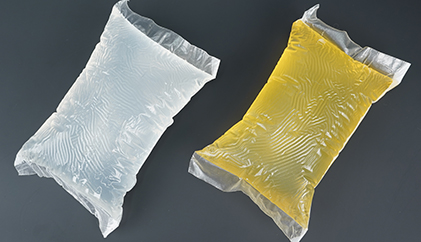
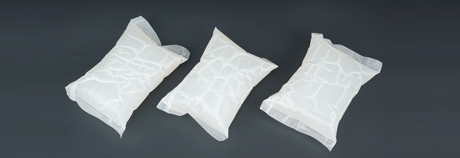
Hangzhou Banglin Adhesive Technology Co., Ltd.—better known as Banglin—has been crafting hot melt solutions since 2005 from their base in Hangzhou, China. As a national high-tech enterprise, they focus on pressure-sensitive and structural hot melts for packaging, including paper bags and handbags. They ensure that each batch of hot melt adhesive blocks meets diverse requirements in terms of bonding strength, temperature resistance, and applicability. Backed by advanced testing gear and a seasoned team, Banglin offers customization—tweaking formulas for your exact needs—plus ODM/OEM for scaling brands. They serve thousands across industries, helping shift to sustainable options that align with global trends.
Conclusion
Wrapping up, paper bag handle failures don’t have to tank your operations. By spotting issues like brittleness or weak cohesion early and leaning on hot melt adhesives, you can craft bags that last. These fixes aren’t just theory—they stem from shop-floor realities and boost everything from customer satisfaction to your bottom line. Ready to upgrade? Dive into better bonding today.
FAQs
What causes paper handbags hot melt adhesive to fail in cold weather?
Cold snaps make some adhesives brittle, leading to cracks under load. To dodge this, pick hot melts with flexible formulas that stay tough below freezing—think ones tested for -20°C performance.
How can I test if my paper handbags hot melt adhesive has enough cohesive strength?
Run simple pull tests: Load the bag to max weight and yank the handle. Strong cohesion holds without the glue layer splitting. Aim for adhesives rated for 15-20 pounds to cover most uses.
Is paper handbags hot melt adhesive eco-friendly compared to other options?
You bet—it’s solvent-free with low odors, aligning with green packaging rules. Brands using it cut waste and meet certs easier than with traditional glues.
What’s the ideal application temperature for paper handbags hot melt adhesive?
Shoot for 160-180°C. This melts it smooth for even bonds without scorching the paper. Always trial on your machine to nail it.
Can paper handbags hot melt adhesive work on coated or recycled papers?
Absolutely, with the right viscosity tweaks. It wets tricky surfaces well, preventing peels—great for premium or sustainable bags.
 Consult
 Whatsapp
 Leave Message
 top
top