






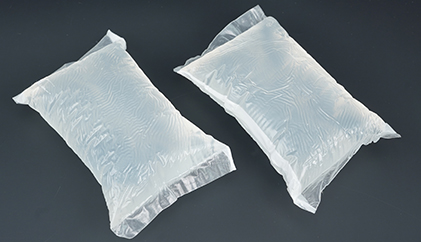

A Comprehensive Troubleshooting Guide for Hot Melt Adhesive Applications
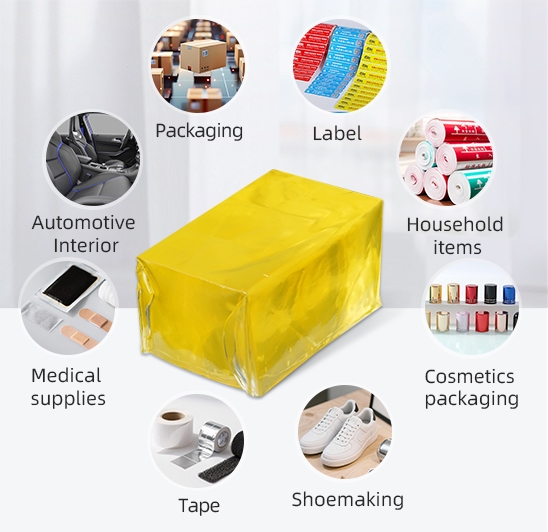
Production lines often stop unexpectedly when hot melt glue fails to perform as expected. This issue affects many manufacturers worldwide. Workers in packaging, automotive assembly, and hygiene product facilities frequently encounter problems that lead to delays and increased costs. This guide examines common difficulties with hot melt adhesive applications. It identifies typical challenges, such as excessive stringing or inadequate bond strength, and provides practical solutions supported by industry experience. These insights can help maintain steady operations and improve overall efficiency.
Understanding Hot Melt Glue Basics
Hot melt glue acts as a dependable choice in many fields. It turns into liquid under heat and hardens fast as it cools. The method needs no solvents. It also skips long drying periods. Because of this, it forms quick and neat connections. For instance, in a busy packaging plant, hot melt glue closes boxes in moments. Those closures hold up well against bumps during shipping.
A few clear benefits make it widely used. The material bonds quickly, joins different surfaces—such as plastics, metals, and fabrics—and gives off few harmful vapors. Reports from the field show that moving to better hot melt glue can cut machine stops by up to 30 percent on production floors. Yet good results depend on correct handling. Mistakes in use often lead to extra work or thrown-out pieces. Smart troubleshooting becomes very important in those cases.
Common Problems in Hot Melt Adhesive Applications
Specific troubles show up again and again in plants of all sizes. The sections below cover these matters step by step. Each part explains main causes, ways to catch them early, and solid fixes. It is usually easier to stop problems than to repair them. Still, fast action limits damage when something goes wrong.
Stringing: Persistent Threads During Application
Stringing takes place when adhesive stretches into fine strands as the tip pulls away. This leaves messy webs on completed items. The trouble often slows down fast operations, for example when labels go onto bottles moving past at over 200 per minute.
Thickness and heat levels mainly cause this. Glue that is too runny spreads too much. Material that is too thick hangs on longer. Heat that is too strong, usually over 350°F for common types, makes the adhesive thinner and encourages strands. Damaged tips can also create uneven force and add to the difficulty.
Helpful steps include these actions:
- Set heat carefully within the 300–350°F window, and check results on a small run first.
- Check thickness often; many jobs run best between 2,000 and 5,000 cps.
- Change regular tips for better ones that stop flow cleanly.
A packaging plant in the Midwest once threw away 15 percent of its work because of strands on box seals. Workers slowed the machine a bit and picked a different hot melt glue type. Those moves cut stringing by roughly 80 percent and reduced waste a great deal.
Crusting or Skinning: Surface Layer Formation
Crusting happens when a stiff film builds on glue inside the tank or applicator. This film blocks normal flow and often leads to clogs. The issue appears most in lines that run only part of the time, such as furniture plants on short schedules.
Contact with air starts the change, especially when glue stays hot for many hours. Dry surroundings speed up the hardening. Also, worn-out protectors in older glue make films form faster.
Good ways to stop it include:
- Close tanks well or use special gas to keep air away.
- Stir the contents from time to time when the machine sits idle.
- Turn over stock regularly and use glue kept less than six months.
One plant in Texas had applicator blocks almost every day from crusting. This cost them plenty in repairs. The team added a simple mixer and changed to a more steady hot melt glue kind. After that, idle time dropped by half, and everything ran more smoothly.
Poor Bonding Strength: Insufficient Adhesion
Weak bonds create major worries. They show up, for example, as edges coming apart on personal care items or flaps opening on shipping boxes. Low strength hits hygiene and shipping fields especially hard.
Differences between materials often cause the trouble. Hot melt glue sticks nicely to rough surfaces but has difficulty on slick or dirty ones without cleaning. Fast cooling on chilly parts stops proper contact. Dirt like oil or dust makes instant soft spots.
Ways to make bonds stronger include:
- Clean surfaces fully with proper liquids or special treatments.
- Run standard pull tests that aim for readings over 5 pounds per inch.
- Choose types that contain helpful additives for certain materials.
A label company in California had returns climb quickly because items peeled off. Tests showed poor surface contact. The crew switched to a stickier hot melt glue, and problem rates fell sharply while buyers grew happier.
Char or Degradation: Thermal Breakdown
Char forms as dark buildup when glue gets too hot or stays heated too long. This material plugs tips and creates bad smells.
Long time above 400°F or dirt in the mix speeds up the change. Uneven heaters in older machines make hot places worse.
Steps to fight it include:
- Keep heat steady with accurate controls.
- Clean the whole system once a week.
- Watch closely for early warning signs.
A mattress plant on the East Coast had char that hurt foam joins. Workers fixed the heaters and added better protectors to the hot melt glue. Bonds lasted much longer afterward, and equipment stayed cleaner.
Inconsistent Flow: Uneven Dispensing
Uneven flow gives spotty lines or drops, which ruins accuracy in jobs like edge covering.
Usual reasons include tired pumps, changing tank amounts, or glue too thick for the machine.
Ways to steady it include:
- Fix or replace pumps on schedule.
- Keep tank levels between 50 and 75 percent.
- Set force in the 40–60 psi window.
A shoe factory in Florida had many rejects from bad glue lines. They repaired the pump system and added flow checks. Good pieces rose by 25 percent.
Best Practices for Hot Melt Adhesive Applications
Solid daily habits help sidestep most troubles. Full training for workers matters a lot. Keep hot melt glue in cool, dry places to maintain quality. Always test small amounts when trying new surfaces or tools.
The table below lists main settings:
|
Parameter |
Recommended Range |
Why It Matters |
|
Application Temp |
300-350°F |
Prevents stringing and char |
|
Viscosity |
2,000-5,000 cps |
Ensures smooth flow |
|
Bond Pressure |
20-40 psi |
Boosts adhesion without squeeze-out |
|
Cooling Time |
5-10 seconds |
Allows full set without weakness |
Following these rules lowers common errors. Working closely with a skilled supplier often brings advice fitted to your exact needs.
Introducing Banglin: Your Go-To Hot Melt Adhesive Supplier
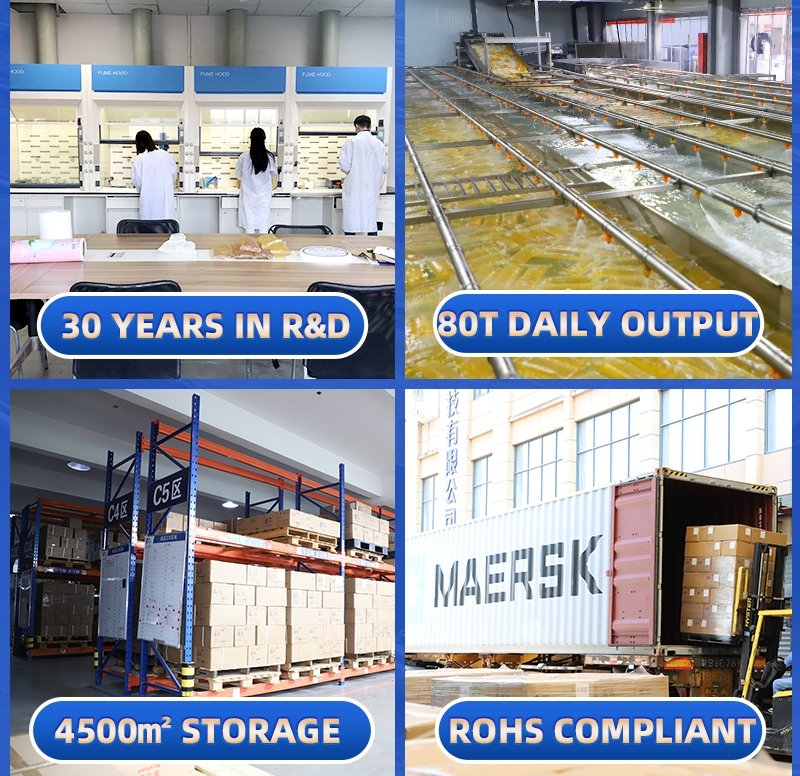
Banglin has established itself as a leading provider of hot melt adhesive products. The company began operations in 2005 in Hangzhou, China, and focuses on advanced adhesive development. Its extensive research facilities and seasoned technical staff produce a wide range of formulations, including pressure-sensitive grades for labeling and polyolefin types for automotive uses. Banglin serves more than 3,800 global customers and exports to regions such as Southeast Asia. Numerous patents protect its innovative compositions. The company excels through personalized solutions and dedicated technical assistance that optimize application performance. Manufacturers seeking dependable hot melt glue that enhances productivity and reduces expenses frequently turn to Banglin.
Conclusion
Effective management of hot melt adhesive applications requires early problem recognition and systematic solutions. The approaches described here, drawn from extensive practical experience, help maintain reliable production. Applying these methods decreases interruptions and raises product standards. Manufacturers prepared to improve their processes may benefit from consulting specialized suppliers such as Banglin for adhesives precisely matched to their requirements.
FAQs
What causes stringing in hot melt glue applications, and how can it be reduced?
Stringing usually comes from heat that is too high or thickness that is too low. This makes unwanted strands. Bringing applicator heat down to the 300–350°F area and picking types with sharp stop features often fixes it. One known example gained over 70 percent better results after these changes.
How can bonding strength be improved when using hot melt glue on difficult substrates?
Weak bonds often start from dirty surfaces or wrong type choices. Good cleaning and adhesives with stronger stick-on agents build much better holds. Tests prove that surface work can double strength numbers in some personal care items.
What steps prevent crusting in hot melt glue reservoirs?
Crusting grows mostly from long air touch on warm glue. Closed tanks, regular stirring, and steady types with protective additives lengthen working time a lot during part-time runs.
Does hot melt glue degrade over time, and what indicators should operators monitor?
Yes, too much heat brings dark residue and smells. Tight heat watch and steady cleaning stop buildup. Spotting color changes or leftover material early lets quick fixes and keeps big blocks away.
Where can manufacturers source reliable hot melt glue for specialized requirements?
Trusted suppliers like Banglin offer custom hot melt glue answers with skilled support. Their items handle usual field troubles and give steady performance in many uses.
 Consult
 Whatsapp
 Leave Message
 top
top