





Table of Contents
Related news
-
The Ultimate Guide to Pressure-Sensitive Adhesives for Label Manufacturing

-
Solving Winter Brittleness: Choosing a Hot Melt Glue for Low-Temperature Logistics
-
Step-by-Step Guide: How to Apply Hot Melt Glue in Shoe Production Lines
-
A Comprehensive Troubleshooting Guide for Hot Melt Adhesive Applications
Speed Up Mattress Production How Hot Melt Adhesive Improves Line Efficiency and Reduces Costs
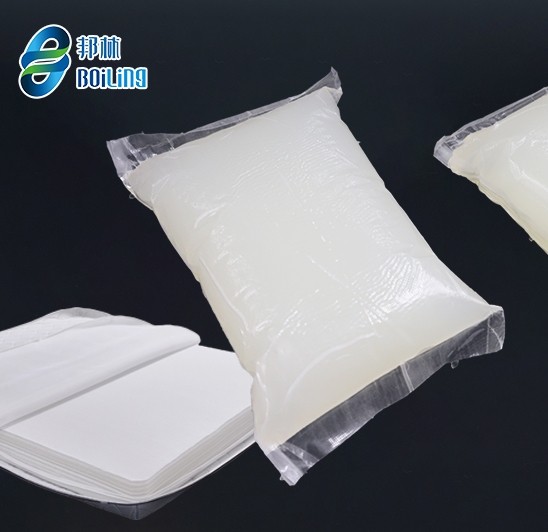
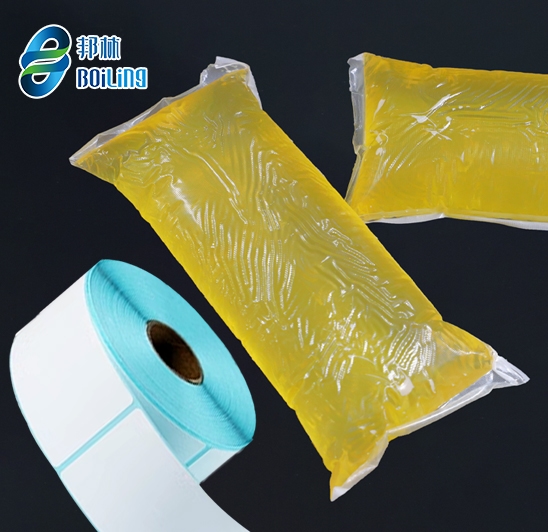
Running a mattress factory these days feels like a race. Orders pile up, deadlines tighten, and every minute counts on the line. Traditional glues—water-based or solvent types—slow everything down with long drying times, sticky messes, and crews waiting around. Hot melt adhesive flips that script. It melts quick, bonds fast, and lets you move straight to assembly and packaging. No waiting, less rework, lower bills. For anyone chasing faster throughput and tighter margins in mattress making, this stuff delivers real gains.
The Old Ways Drag You Down
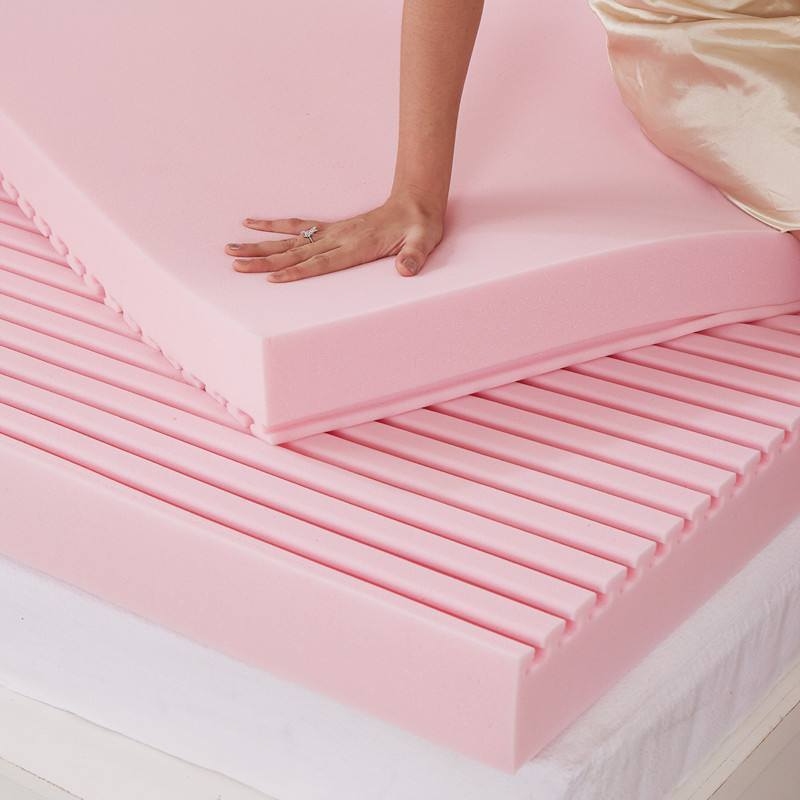
Mattress lines used to rely on adhesives that needed hours—or even days—to set fully. Spray on glue for foam layers, wait for it to dry before quilting or rolling. Pocket springs get encased in non-woven sleeves? More drying. Edge banding? Same story. That downtime kills momentum.
Labor piles on too. Workers stand idle or babysit parts, energy bills climb from heated drying rooms or fans running nonstop. And rejects? Delamination shows up later—customer complaints, returns, bad reviews. One factory I heard about lost 12% of output to glue failures before switching. Energy costs ran 15-20% higher just keeping things dry.
Common headaches include:
- Drying times stretching 30 minutes to several hours per layer.
- Uneven bonds from humidity swings—summer heat makes glue runny, winter cold slows it way down.
- Extra handling: moving semi-dry panels racks up labor hours.
- Waste from over-application or cleanup.
These add up fast in high-volume runs.
How Hot Melt Adhesive Changes the Game
Hot melt hits different. Heat it to 150-180°C, apply via spray, roller, or slot—nozzle, and it sets in seconds. No solvents, no long cures. You bond foam to foam, non-woven to springs, fabric to filling layers, then keep rolling. Immediate handling. Packaging right after.
Fast curing stands out biggest. Traditional adhesives demand waiting; hot melt locks in place almost instantly. That means lines flow smoother—fewer stops, higher output per shift. One mid-sized plant bumped production 25-30% after ditching slow glues. They went from 400 units a day to over 550 without adding headcount.
Lower labor shows up quick too. No more crews waiting for dry time. Operators apply, press, move on. Energy drops because you skip drying ovens or blowers. A rough calc: cut drying energy by 40-60%, depending on your old setup. Less glue wasted on thick layers—hot melt spreads thin and strong.
Real-world example: A bedding manufacturer dealing with memory foam and pocket springs used to fight delamination in humid seasons. Switched to hot melt with good initial tack. Bonds held through compression tests, noise from shifting layers vanished, and they shaved two full hours off assembly per batch.
Key Features That Make Mattress Hot Melt Work So Well
Not every hot melt fits mattress work. The good ones—polyolefin-based—tackle tricky surfaces like porous foams, slick non-wovens, and metal springs without failing.
Here’s what top specs look like:
|
Property |
Typical Range |
What It Delivers on the Line |
|
Appearance |
White granules/blocks |
Clean look, no yellowing over time |
|
Softening Point |
80-120°C |
Holds up in summer warehouses, no softening |
|
Viscosity @ 180°C |
1000-3500 cps |
Flows easy for spray/roller, precise control |
|
Application Temperature |
150-180°C |
Works in standard hot melt tanks |
|
Curing/Setting Speed |
Seconds (fast initial tack) |
Immediate bonding, no wait stations |
|
Open Time |
Adjustable for alignment |
Gives time to position layers right |
These traits mean strong bonds that resist pulling, shearing, and aging. Foams stay laminated, pocket springs don’t shift, edges stay firm. Low odor and solvent-free keep the shop air clean—workers appreciate it, and regs like REACH and RoHS get satisfied easy.
Bullet points on why this beats old-school options:
- Zero drying or chemical cure—jump straight to next step.
- Great grab on tough materials: memory foam, latex, knitted fabrics.
- Stable in heat and cold—no brittleness in winter, no oozing in heat.
- Eco edge: low-VOC, no nasty fumes during or after use.
Real Cost Savings That Hit the Bottom Line
Switching pays off quicker than you think. Labor savings alone can cover the switch in months. Drop waiting time, cut crew idle hours— that’s direct payroll relief.
Energy? Huge. Ditch those drying tunnels or fans. One operation reported slashing utility costs 35% on adhesive-related processes.
Material efficiency improves too. Hot melt uses less per bond—thin, even coats do the job. Rejects drop when bonds don’t fail later. Less rework, fewer returns.
Throughput jumps. Faster assembly means more mattresses out the door per shift. For a factory running near capacity, that extra volume covers glue costs and then some.
Think about it: if your line gains 20% speed, that’s not just more sales—it’s spreading fixed costs thinner. Margins fatten up.
Meet Banglin Adhesive: Reliable Hot Melt Experts
Banglin Adhesive, based in Hangzhou since 2005, builds hot melt solutions for industries that demand consistency. As a national high-tech enterprise, they run a solid R&D setup—engineers with decades of experience, advanced testing gear, even U.S. experts on the team. Their polyolefin hot melts, including mattress-specific formulas, focus on fast setting, strong holds, and clean production.
They crank out tons daily, serve thousands of clients across China and exports to Southeast Asia and beyond. Big names in bedding and other sectors trust them for custom blends, quick delivery, and hands-on support. No hype—just dependable adhesives that help lines run smoother and greener.
Conclusion: Time to Bond Faster and Smarter
Mattress production doesn’t have to crawl. Hot melt adhesive cuts out the waiting game, drops labor and energy costs, and pushes more units through without extra hassle. Fast curing means immediate assembly, reliable bonds keep quality high, and the whole process gets leaner. If you’re tired of slow glues holding back your line, this switch brings speed, savings, and fewer headaches. Your factory runs better, your margins improve—simple as that.
FAQs
What makes mattress hot melt adhesive speed up production lines compared to traditional glues?
It cures in seconds with strong initial tack—no drying or waiting. You bond foam layers, pocket springs, and fabrics, then move right to quilting or packaging. Lines flow continuous, often boosting output 20-30% without added staff.
How does mattress hot melt adhesive cut labor and energy costs?
No more idle time waiting for glue to dry—workers keep moving. Skip energy-hungry drying ovens or fans. Plants see labor hours drop and utility bills fall 30-50% on adhesive steps, paying back the switch fast.
Can mattress hot melt adhesive handle tricky materials like memory foam or non-woven fabrics?
Yes—polyolefin types wet porous and slick surfaces well. They deliver solid bonds on foam-to-foam, fabric-to-filling, and spring encasements, resisting delamination and noise over years of use.
Does using mattress hot melt adhesive reduce rejects and improve final quality?
Big time. Fast, even bonds prevent shifting layers or edge failures. Lower scrap from poor adhesion, fewer customer returns from loose components—quality stays consistent even in high-speed runs.
Is mattress hot melt adhesive safe and eco-friendly for factory use?
Totally. Solvent-free, low-VOC, and often odorless. Meets standards like REACH and RoHS. Cleaner air for workers, greener footprint overall—no nasty chemicals lingering post-cure.
 Consult
 Whatsapp
 Leave Message
 top
top