






Step-by-Step Guide: How to Apply Hot Melt Glue in Shoe Production Lines
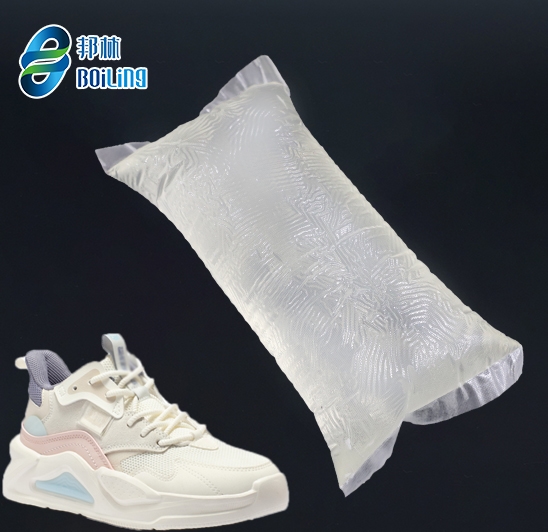
Running a shoe production line is tough. You face tight deadlines. High volumes pile up. And quality has to hold up to everyday wear and tear. One thing can really help or hurt your results. That’s the adhesive for joining materials like sponge linings, insoles, and uppers. Shoes making hot melt glue is now a top pick for lots of factories. It bonds quickly. It stays flexible. And it meets the needs of today’s footwear assembly.
If you’re a manufacturing engineer or a line supervisor, you’ve probably dealt with problems. Things like layers coming apart on fast runs. Or complaints about shoes feeling uncomfortable. This guide takes you through real steps to use hot melt glue well in shoe making. We’ll talk about picking equipment. Handling temperatures. Dealing with open time. Using spray or roll methods. And avoiding those common slip-ups that even experienced teams run into.
Why Hot Melt Glue Fits Shoe Manufacturing Perfectly
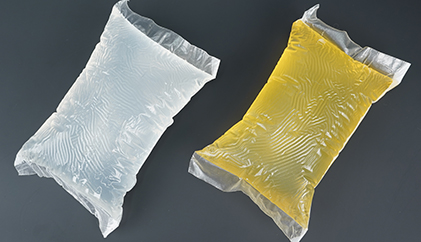
Shoe making doesn’t cut you much slack. You need glue that sets fast on quick lines. Yet it must stay soft for comfort. Hot melt glue, particularly the pressure-sensitive kind made for shoes, gives strong early stick. And it does this without solvents that might hurt workers or the planet.
Picture a standard sports shoe build. Sponge goes into the upper for extra cushion. A solid shoes making hot melt glue grabs right away. It stops shifts as the shoe heads to the next spot. In busy plants turning out thousands of pairs each day, this drops rework a lot. Some shops see up to 15% fewer bonding problems after picking better hot melts.
Choosing the Right Equipment for Application
It all starts with your tools. Even coverage depends on them.
-
Melting Tanks and Hoses: Pick tanks with accurate heaters. They hold the glue steady. No overheating, so no burning.
-
Nozzles and Guns: For spraying, choose fine-mist types. They manage thicknesses around 1000-1500 cps easily. Roll coaters shine on flat parts like insoles.
-
Automated Systems: In big operations, add robotic arms or conveyor setups. These cut down mistakes from hands-on work. And they keep things consistent.
I recall one packed factory. They switched to heated hoses. Downtime from blocks dropped by half. Clean your gear every day. Buildup happens quick, and it leads to patchy spots.
Mastering Temperature Control
Temperature matters a bunch. It’s what keeps glue moving right.
For shoes making hot melt glue in shoes, stick to 150-180°C. Too cool, and it thickens up. That causes strings or bad spread. Go hotter than 180°C, and the glue breaks down. Bonds weaken. Or nozzles clog from char.
Here’s a handy table for typical setups:
| Scenario | Ideal Temperature (°C) | Why It Matters |
|---|---|---|
| High-speed spraying | 160-170 | Keeps flow good and sets quick |
| Roller coating on insoles | 150-160 | Protects thin foams from too much heat |
| Cold factory environment | 170-180 | Makes up for loss in lines |
| Bonding thick sponge | 155-165 | Gets in deep without drooping |
Watch it with digital controls. Even a 10°C dip can make thickness double. Your line slows.
Understanding and Managing Open Time
Open time—that window when the glue stays tacky after application—is critical in shoe lines.
For most shoes making hot melt glue used in footwear, it’s short, often just seconds. This suits fast production: apply, press materials together, and move on. But if your line slows—say, for a quality check—and parts sit too long, bonding suffers.
Match open time to your pace. In athletic shoe plants running at 30-40 pairs per minute, a short open time prevents delamination. Test it: Apply glue, wait varying intervals, then press and pull apart samples. You’ll see the sweet spot quickly.
Spray and Roller Coating Techniques
There are two big ways to lay down shoes making hot melt glue.
Spray Coating
Great for bumpy spots. Like uppers or padding.
-
Keep pressure right to skip extra spray. Too much wastes glue. And it makes a mess.
-
Stay 20-30 cm back for smooth cover.
-
Overlap strokes by half. No thin areas.
Good side: Hits tricky shapes quick. Down side: Need solid air flow for any vapors.
Roller Coating
Best for even surfaces. Think insole layering.
-
Match roller speed to the line.
-
Heat the rollers to hold temp.
-
Go for thin, steady coats—50-100 microns or so.
Many lines mix them. Spray uppers. Roll soles. One average casual shoe plant? Adhesion got 20% stronger after tweaking roller push.
Common Mistakes and How to Avoid Them
Pros mess up too. Here are usual troubles in shoe work.
-
Nozzle Clogs: From glue sitting hot too long. Clean them at shift end. Pick stable mixes.
-
Weak Bonds: Often from open time mismatch. Hurry assembly. Or get glue with a bit more tack time.
-
Stiff Feel in Shoes: Too much glue hardens sponge. Follow amounts. Excess kills softness.
-
Strings in Spray: Drop heat some. Or check thickness.
-
Peeling in Use: Usually low starting grab. Check pull tests on early runs.
Spot these soon with quick looks. One supervisor found a temp slip causing 5% bad pairs. Easy fix. Saved plenty.
About Banglin: Your Partner in Hot Melt Adhesive Solutions
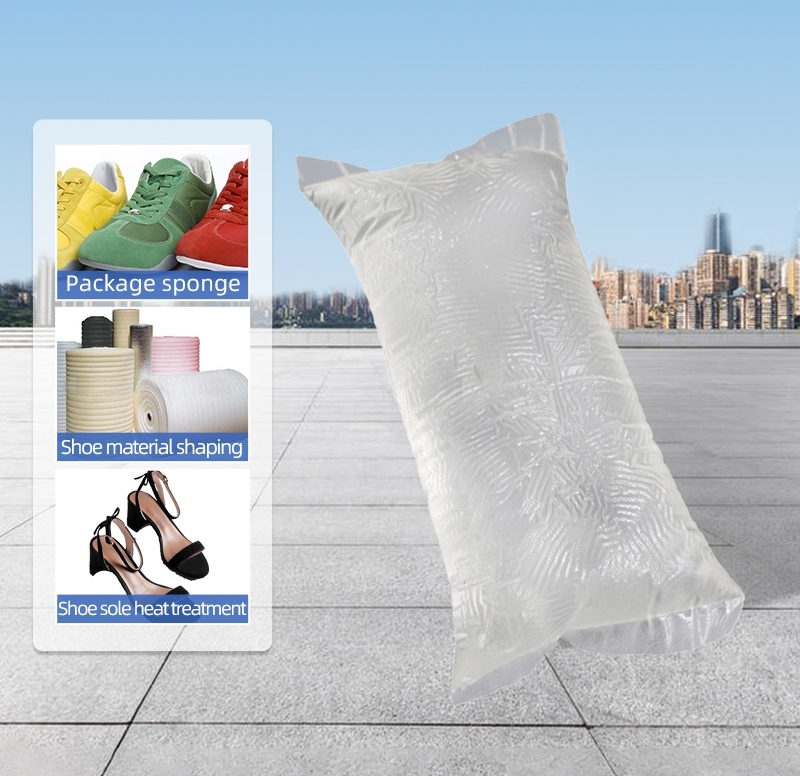
For dependable shoes making hot melt glue, Banglin is a solid choice. They’re based in Hangzhou, China. Banglin started back in 2005. As a national high-tech company, they focus on top-notch hot melt adhesives. These are made for fields like footwear. Their products bring great early stick. They stay flexible for sponge joins. And the formulas are kind to the environment—no solvents. With a strong research team and options for custom work, Banglin aids factories in raising speed and shoe quality.
Conclusion
Applying shoes making hot melt glue effectively comes down to dialing in the details—right equipment, steady temperatures, timed open windows, and smart techniques. Follow these steps, and you’ll see stronger bonds, less waste, and happier customers wearing comfortable shoes. For manufacturing engineers and line supervisors, mastering this can transform your production flow.
FAQs
What temperature should I use for shoes making hot melt glue in production?
Aim for 150-180°C. This range keeps the glue flowing smoothly for spray or roller application while avoiding breakdown that weakens bonds.
How does open time affect shoes making hot melt glue performance on the line?
Short open time works great for fast lines, allowing quick positioning of materials like sponge. If parts wait too long, though, you risk poor adhesion—always sync it with your production speed.
What’s the best way to avoid clogs when using shoes making hot melt glue?
Clean nozzles regularly and avoid prolonged high heat. Stable formulas help prevent carbonization from impurities.
Can shoes making hot melt glue maintain shoe comfort?
Yes, when applied properly in thin layers. It stays soft, preserving the sponge’s natural flexibility and cushioning for all-day wear.
Is spray or roller better for applying shoes making hot melt glue in footwear?
Depends on the part—spray excels on curved uppers for even coverage, while roller gives precise control on flat insoles. Many lines use both for optimal results.
 Consult
 Whatsapp
 Leave Message
 top
top