







What Makes a PSA Stick? The Science Behind Tack, Cohesion, and Adhesion

Pressure sensitive hot melt adhesives—most folks just call them PSAs—show up in all kinds of daily stuff. Picture the label on a water bottle that hangs on tight through rough handling. Or the tape closing a cardboard box that refuses to let go. These adhesives grab hold with nothing more than a quick press. No extra heat after you coat them, no drying time at all.
So what lets a pressure sensitive hot melt adhesive do its job so well? It comes down to three main traits: tack, that first sticky feel; cohesion, how the glue keeps its own shape; and adhesion, the grip it builds on whatever surface it’s touching. These aren’t fancy terms thrown around for show. They team up in a careful dance. Mess up one, and the whole bond falls apart—labels start curling, tapes peel way too soon, or the glue slowly creeps out.
If you’re an engineer fine-tuning a assembly line, a buyer hunting for reliable materials, or somebody just starting out in this world, getting a handle on this stuff helps you choose the right PSA every time. Let’s dig in, one piece at a time.
The Basics of Pressure Sensitive Hot Melt Adhesives
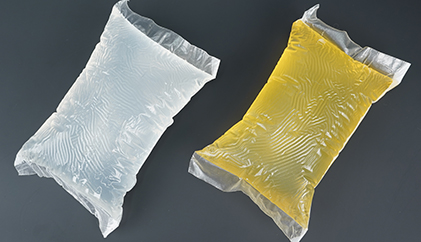
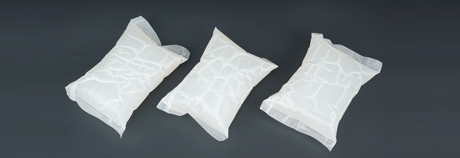
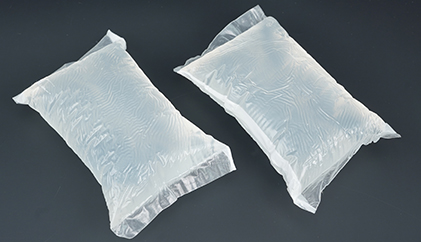
Hot melt PSAs begin as solid chunks. You melt them, spread them on a backing like tape or label paper, and they cool down into a tacky film. After that, a light touch is all it takes for an instant bond. That’s the beauty—no messy solvents, no long wait for curing.
Regular hot melts harden completely once cool. But PSAs stay soft and grippy forever. This happens because of their recipe: polymers give stretch, tackifiers add that quick grab, and oils or plasticizers keep everything pliable. Change the mix a little, and the behavior shifts.
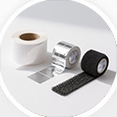
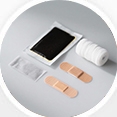
You find these adhesives everywhere—packaging, labels, tapes, shoes, even those yellow sticky boards for catching bugs. They run smoothly on fast machines, handle hot or cold weather, and stick to tricky materials without complaint.
Tack: The Instant Grab That Starts It All
Tack is that right-away stickiness when you barely press. People also call it initial adhesion. Slap a label on a bottle, and tack decides whether it stays put immediately or slips around.
Why Does Tack Happen?
On a tiny scale, tack works because the adhesive spreads fast across the surface. Light pressure pushes the soft chains into every little dip and bump—those microscopic rough spots on plastic or paper. Tackifiers, usually some kind of resin, make the glue flow just enough under that push to wet the surface quickly.
Think about a labeling machine flying along at 300 bottles a minute. Weak tack means labels shift or drop off before the next station. Strong tack? They lock in place every single time.
Things that make tack better:
-
More tackifier for aggressive grab
-
Softer polymers
-
Lower weight molecules for faster flow
Push tack too far, though, and you get stringy legs when pulling tape apart. Or rolls that stick to themselves in the warehouse—that’s called blocking.
Labs check tack with a loop test: A strip loops down, touches a steel panel, then pulls back up. The force needed tells the story. Good PSAs often pull 10-20 Newtons per inch right away.
Cohesion: Holding It Together from the Inside
Cohesion is the glue’s own strength. It stops the material from tearing apart or flowing under pressure.
Picture heavy package tape on a box bouncing around in a truck. Vibration creates shear, trying to slide layers past each other. High cohesion pushes back and keeps the seal tight.
The Science of Cohesion
Cohesion mostly comes from the long polymer chains. They tangle up like spaghetti, forming a strong web. Add cross-linkers, and it gets even tougher—almost like a loose gel.
Low cohesion leads to trouble:
-
Glue slowly squeezes out the sides
-
It creeps and fails when weight hangs on it constantly
A standard test hangs a weight from bonded strips and clocks how long they hold. Quality PSAs last hours, even days, at room temp or higher heat.
In shoe making, good cohesion means reinforced heel or toe areas don’t split during daily wear. We’ve seen weak versions fail in weeks, while solid ones go seasons without issue.
Adhesion: Building Long-Term Bonds
Adhesion measures how hard you have to pull to separate the glue from the surface—that’s peel strength.
Two kinds matter:
-
Initial adhesion → Closely tied to tack
-
Ultimate adhesion → Grows stronger over hours as molecules settle in deeper
How Adhesion Works
Strong adhesion needs mechanical locking from good wetting plus chemical attraction. Polar bits in the glue latch onto polar surfaces like glass. Non-polar versions grab plastics better.
Peel tests show the numbers: 180-degree pull on steel often hits 3-8 pounds per inch for solid PSAs. Special mixes do the same on tough low-energy plastics like polyethylene.
Real-life case: Sealing courier bags that travel through freezing cold-chain routes. The bond has to survive -10°C without bursting open. Strong adhesion to PE film, backed by solid cohesion, keeps everything safe.
The Delicate Balance: How Tack, Cohesion, and Adhesion Interact
These three don’t work alone. They trade places.
| Property | Increase It By | Trade-Off Risk | Typical Application Impact |
|---|---|---|---|
| Tack | More tackifier, softer polymer | Lower cohesion → oozing or splitting | Faster labeling speeds, easier repositioning |
| Cohesion | Higher molecular weight, cross-linking | Reduced tack → slower initial grab | Better heat/shear resistance in tapes |
| Adhesion | Optimized polarity, wetting agents | Can cause residue if too aggressive | Permanent labels vs. removable ones |
Finding the perfect mix depends on what you need. Removable labels favor high tack with moderate adhesion and controlled cohesion. Heavy-duty packaging tape calls for top cohesion and adhesion, even if tack is only decent.
Engineers tweak recipes in the lab, running tests on your exact materials. A small swap—like a different resin—can move the performance needle a lot.
Why Banglin Excels in Pressure Sensitive Hot Melt Adhesives
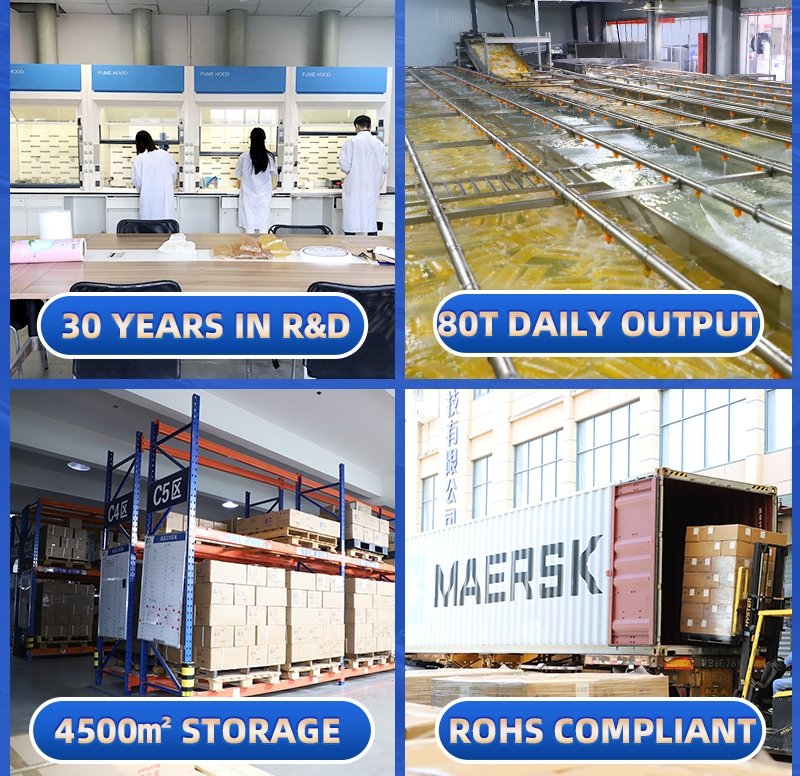
At Hangzhou Banglin Bonding Technology Co., Ltd.——we’ve specialized in hot melt adhesives since 2005. As a national high-tech enterprise in Hangzhou, China, we run a dedicated R&D center with advanced tools like imported rheometers. Our experienced team crafts pressure sensitive hot melt adhesives for tapes, labels, express bags, footwear, and more.
We focus on real-world performance: strong initial tack for high-speed lines, lasting cohesion against shear, and reliable adhesion across substrates like plastics, paper, and metals. All while meeting strict environmental standards—RoHS, REACH compliant, low odor, and non-toxic. With production capacity hitting 25,000 tons annually, we deliver consistent quality for projects big or small.
Conclusion
Understanding tack, cohesion, and adhesion really opens your eyes to why pressure sensitive hot melt adhesives stay so dependable in tough jobs. These traits don’t simply add together. They multiply when you get the balance right, producing bonds that survive heat, cold, shakes, and years of use. For anybody picking or specifying adhesives, this insight cuts down on headaches and keeps production running smooth.
Frequently Asked Questions
Q1: How does tack differ from adhesion in a pressure sensitive hot melt adhesive?
A: Tack is the instant stick you get with light pressure—perfect for quick placement on fast lines. Adhesion builds over time for long-term hold. Strong tack gets the bond started; good adhesion keeps it there.
Q2: Can a pressure sensitive hot melt adhesive maintain cohesion in high temperatures?
A: Yes, well-formulated ones do. Rubber-based or cross-linked versions often handle 70-120°C without creeping or failing, making them solid for automotive or packaging under heat stress.
Q3: What happens if cohesion is too low in a pressure sensitive hot melt adhesive?
A: The adhesive might ooze out edges, split internally under shear, or leave residue when removed. It’s common in tapes that “bleed” in storage or fail on heavy packages.
Q4: How do manufacturers test the balance of tack, cohesion, and adhesion?
A: Through standard tests like loop tack for initial grab, shear holding power for cohesion, and peel strength for adhesion. Real substrate trials ensure it performs in your specific setup.
Q5: Are pressure sensitive hot melt adhesives environmentally friendly?
A: Modern ones are. They’re 100% solids—no solvents—and many pass RoHS and REACH tests, keeping things safe for users and the planet.
 Consult
 Whatsapp
 Leave Message
 top
top