product
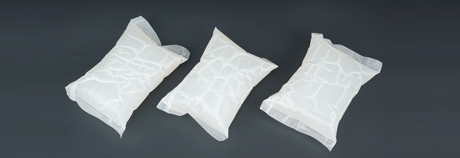
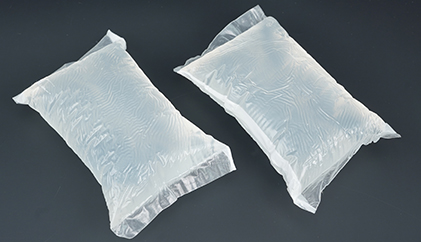
Polyolefin Hot Melt Adhesive
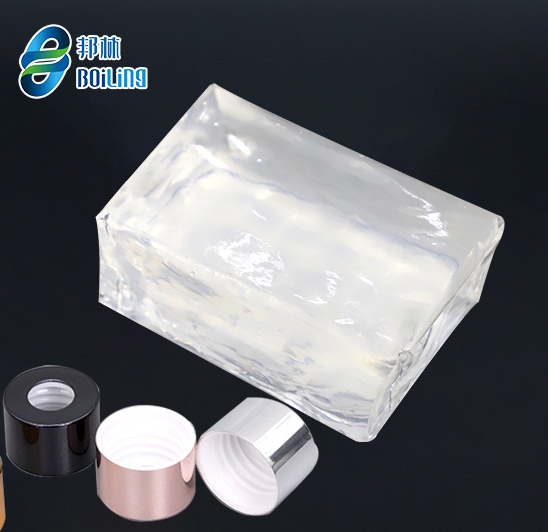
Cosmetic Bottle Cap Hot Melt Adhesive

Cosmetic Bottle Cap Hot Melt Adhesive

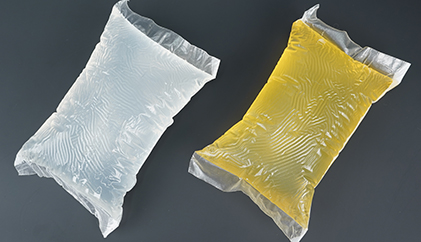
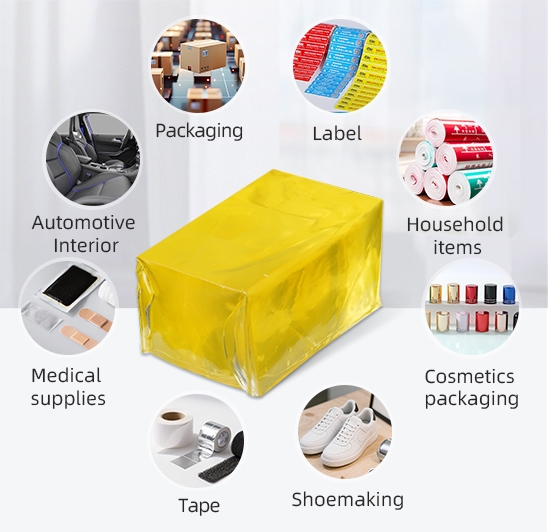
The polyolefin hot melt adhesive introduced here is a “special formula” specifically designed for the production line of cosmetic bottle caps (such as cream caps, lotion caps, and perfume caps). Its main function is to firmly and quickly bond the plastic part and the metal part (like aluminum caps) of the bottle cap together.

For those involved in cosmetics packaging, poor sealing of the bottle caps leads to the drying of creams, leakage of lotions, or loosening of the pump heads during transportation. These are fatal quality issues. Good hot melt adhesives are the key to solving these problems. They achieve high adhesion with less adhesive, not only helping you improve efficiency and reduce costs, but more importantly, providing an insurance for the quality of your brand.

Related Products
Features

1.High adhesion strength,hallenging to stick to difficult materials:


Specifically designed to deal with the “hard-to-penetrate” materials commonly found in cosmetic packaging, such as the combination of plastic and aluminum caps. Good initial adhesion, allowing for quick positioning; long holding time, ensuring stable adhesion for a long period without detachment. For certain contents with penetration risks, it can also provide excellent oil resistance.


2.Quick curing, no sagging, designed for efficient production:


On high-speed automated production lines, time is money. This adhesive cures quickly and does not disrupt the production line’s rhythm. More importantly, it “does not sag”, which means there will be no annoying glue threads floating around on the production line, keeping the equipment clean and reducing the frequency of shutdowns for cleaning.


3.Environmental safety:


As a hot melt adhesive, it does not contain solvents and is a kind of environmentally friendly chemical product.

Product Parameters

Item Name

Cosmetic Bottle Cap Hot Melt Adhesive

Base Material

Synthetic Rubber

Appearance

White

Soft Point(℃)

80-110℃

Viscosity

700 -1500cps @180℃

Application Temperature

150-180℃

Application areas/scenarios

This adhesive is specifically designed to solve the problem of precise assembly of cosmetic bottle caps. If you are producing the following products, it would be an ideal choice:


The cap of the cream bottle: Firmly adheres the body of the cap to the inner liner or sealing gasket.


The pump pressure bottle caps for lotions and serums: Assembling various plastic and metal components for the pump head.


The spray cap of the perfume bottle: It fixes the spray head and connects the body and the straw, etc., forming the internal structure.


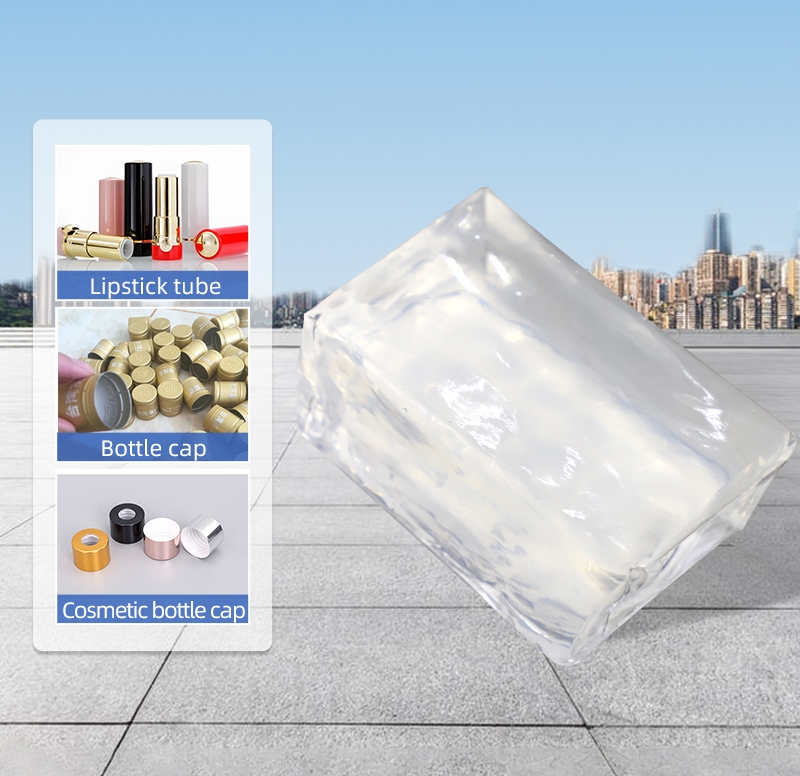
Application areas/scenarios
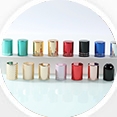
Bottle Cap Cosmetic bottle cap hot melt adhesive
lipstick tube hot melt adhesive wine Bottle caps hot melt adhesive
FAQ

Q1: Our production line operates very fast. Is the opening time of this adhesive sufficient?


A1: This is precisely one of the advantages of polyolefin hot melt adhesives. Its rapid curing property is specifically designed for high-speed lines. We suggest you inform us of the specific production line cycle (for example, how many lids per minute), and we can provide a more suitable model or help you adjust the temperature parameters to fine-tune the opening time to ensure it aligns with your production rhythm.


Q2: Why does the same type of glue work fine in summer but seems to lose its adhesion or crack easily in winter?


A2: This is a common practical problem in the application of hot melt glue. The underlying reason is that the environmental temperature affects the flexibility of the glue layer. We have prepared different seasonal formulas for this. In winter, when the temperature is low, a “winter-use” formula with lower flexibility is needed; conversely, in summer, a “summer-use” formula with higher heat resistance is required. Communicate with us during the transition seasons to help you avoid such problems.


Q3: The adhesive lines on the bottle caps seem a bit thick, or there is a small amount of excess adhesive, which affects the appearance. How can this be improved?


A3: This can usually be resolved through process optimization. Please check the following steps:


Q4:Adhesive application amount: Is it too much?


A4:Try reducing the amount of adhesive slightly.


◊Temperature: Is the temperature too low? Increasing the temperature appropriately (within the safe range) may make the flow of the glue more even and the glue line thinner.


◊Pressure and pressing time: Was the pressure during pressing sufficient and uniform? Was the pressing time long enough to ensure that the glue initially solidified under the pressure?


◊Mold positioning: Is the mold fit of the bottle cap component precise enough? Are the gaps too large?


 

Contact Us