






Table of Contents
Related news
The Cold Chain Conundrum Ensuring Label Integrity from Freezer to Shelf
Picture this. A pallet loaded with frozen vaccines waits in a chilly warehouse. The temperature plunges well below zero. Suddenly, one label starts to curl at the edge. Then it peels off completely. Traceability disappears in an instant. You’ve got big problems now—possible recalls, spoiled goods, serious safety issues. That’s cold chain reality for you. It keeps everything from fresh seafood to vital medicines safe and sound. But getting labels to stay put through freezing and thawing? That’s tough. We’ll look at why labels fail in the cold, how certain adhesives fix the issue, and practical ways to keep your workflow smooth. Hang in there. This stuff matters for your next shipment.
The Challenges of Cold Chain Logistics
Cold chain work goes beyond simple cooling. It’s a high-pressure world. Even small mistakes lead to huge losses. The FDA reports pharma companies lose about $35 billion each year from cold chain failures. The World Health Organization adds that up to 25% of vaccines get discarded due to temperature problems. Food and biopharma sectors face similar hits—around $37 billion wasted annually from logistics breakdowns.
Why does it hurt so much? Cold chains stretch from farms straight to store shelves. Goods move through icy storage rooms, rough truck rides, damp warehouses. Labels take the hardest beating. They hold key details: use-by dates, lot numbers, handling notes. When they come loose, tracking vanishes. Nobody wants confusion in a hospital or a grocery store recall because a barcode disappeared.
Consider frozen foods. A truck bounces over potholes in sub-zero weather. Labels lift off. Information blurs. Stores end up with unlabeled mystery packages. Or worse, bad products sneak through. In pharmaceuticals, the stakes climb higher. One report showed 50% of COVID vaccines wasted before widespread use because of weak temperature controls. These aren’t distant stories. They’re everyday struggles for warehouse crews, transporters, and retailers.
Why Labels Fail in Cold Environments
Low temperatures turn labels into weak spots. Adhesives stiffen up like hard candy. At -20°F, regular glues lose their hold. They become brittle. They crack easily. The label lifts at the corners first—edge lift starts small. Then it comes off entirely. Condensation makes things worse. Moisture creeps in during thawing. It weakens the bond. It smears the print.
Think about a bustling distribution center. Boxes of ice cream roll out from deep freeze. Frost coats everything. Labels fog up. Scanners struggle with barcodes. Workers slap on replacements. But icy surfaces resist. Bonds fail again. In labs, cryogenic tubes at -80°C see labels peel away like old paint. One technician recalled a nightmare. Samples for clinical trials got mislabeled after detachment during shipment. The price? Thousands spent on retesting. Research delayed for weeks.
Numbers tell the story. Packaging issues in cold chains create a 57% risk of safety problems, according to recent analyses. Human mistakes pile on—wrong storage spots, ignored frost buildup. Standard adhesives work fine at room temperature. They struggle in deep cold. They lack bendiness. They don’t spread well on chilled surfaces. The result: missing data, broken tracking, expensive penalties.
Common Signs of Label Failure
- Edge Curling: It begins quietly. It ends with full removal. Adhesive shrinks quicker than the label face.
- Adhesive Brittleness: Glue turns rigid. It cracks from vibrations. Icy roads in trucks? Perfect storm.
- Moisture Interference: Thaw cycles bring water. It dissolves bonds. Common in humid ports or wet deliveries.
- Scan Failures: Shifted or faded labels cause barcode errors. Operations slow. Mix-ups rise.
These problems happen often in setups without proper checks.
The Role of Adhesives in Maintaining Label Integrity
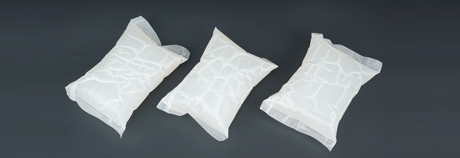
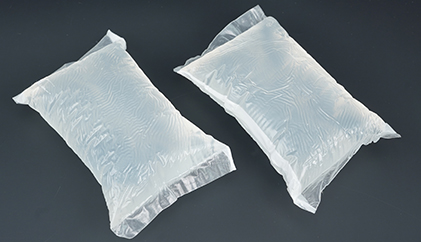
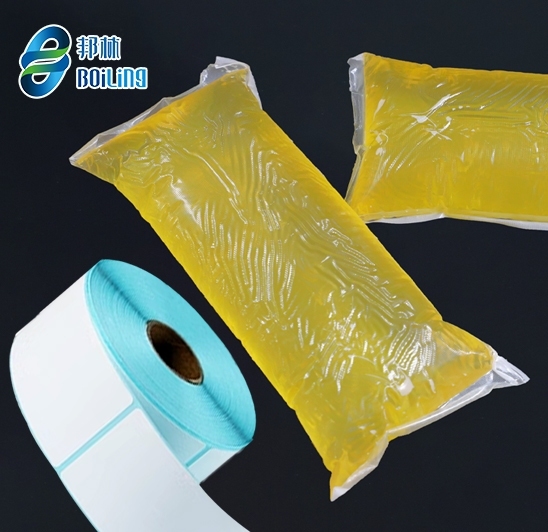
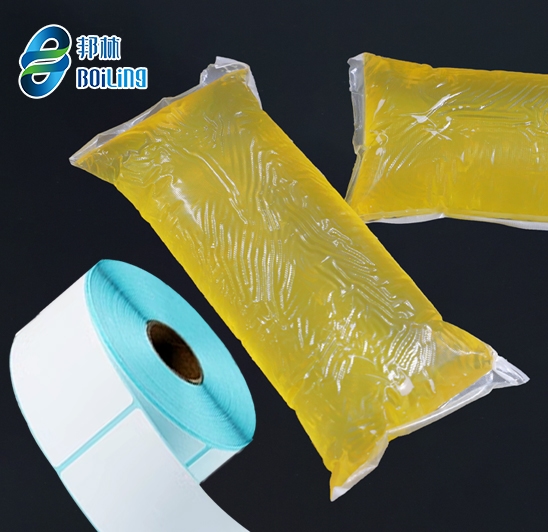
Adhesives quietly do the heavy lifting. They bond quickly. They hold through extremes. They don’t give up. Pressure sensitive hot melt adhesives step up here. These aren’t ordinary glues. Applied warm, they cool into a sticky layer. Pressure alone activates the hold—no solvents, no fuss.
Why do they perform so well in cold? Their makeup stays supple. Unlike water-based types that freeze solid, these keep their grip down to -40°F. They spread better on surfaces. They grab plastics, papers, even frosty cartons. Labels stay flat. No curling. No fallout. Traceability remains solid from freezer to shelf.
Why Traditional Adhesives Fall Short
Older glues depend on drying or setting time. Cold slows them down. They fail outright. Rubber types crack. Acrylics lose tack below freezing. Regular hot melts might handle mild chill. They need special adjustments for deep freezes.
Introducing Pressure Sensitive Hot Melt Adhesives
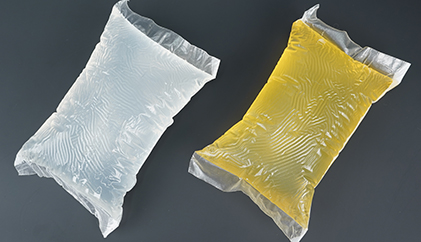
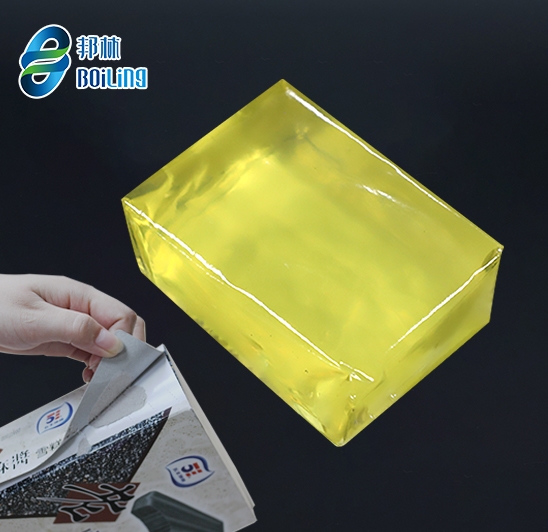
Pressure sensitive hot melt adhesives mix great traits. Hot application means fast setup. Pressure-sensitive tack delivers lasting hold. Polymers like styrene-butadiene-styrene form the base. They’re adjusted for low temps. Apply at 250-300°F. They flow evenly. They cool and grip tight.
In cold chains, they change everything. Freezer-grade PSA resists hardening. Cold temperature adhesives hold through shocks and humidity shifts. No more re-labeling delays. No compliance worries.
Key Benefits in Cold Environments
Here’s what stands out:
- Superior Cold Resistance: Stays strong at -25°C or colder. Standard ones quit at freezing.
- Quick Bonding: Sets in seconds. Speeds up production lines. No long waits.
- Flexibility: Moves with vibrations. Prevents cracks on rough trips.
- Environmental Perks: Low VOCs. Often no smell—great for food and pharma.
- Cost Savings: Fewer failures cut waste. One company reduced recalls by 30% after the switch.
|
Feature |
Traditional Adhesives |
Pressure Sensitive Hot Melt Adhesives |
|
Cold Temp Performance |
Brittle below 32°F |
Flexible down to -40°F |
|
Application Speed |
Slow curing |
Instant set |
|
Bond Strength in Humidity |
Weakens easily |
Resists moisture |
|
Cost Over Time |
Higher due to failures |
Lower with durability |
The table highlights the clear advantage. They’re designed for tough, long-term use.
Real-World Applications and Case Studies
Let’s talk actual use. A seafood shipper switched to these for carton labels. Trucks haul from Alaskan freezers to Midwest stores. Old labels peeled during transit. New ones held through -30°F storms. Batches stayed intact. Audits went smoother.
In pharma, vaccine distribution shows it. Labels on vials endure dry ice shipping. One operation saw failure rates drop from 15% to almost nothing with cold-tuned pressure sensitive hot melt adhesive. Tracking stayed reliable. Deliveries arrived on schedule.
For packaging, self-adhesive cartons benefit too. In cold storage, they seal frozen veggie boxes. The adhesive handles heat and cold swings. Seals stay tight on long hauls. A warehouse worker said it plainly: “We fought edge lift every day before. Now labels stay put. Scans go fast.”
These examples are real. Industries from drinks to books gain from them. Even handbag makers use them for labels that survive cold warehouses.
How to Choose the Right Adhesive for Your Needs
Selecting the best one starts with your setup. What temperatures do you face? What surfaces—paper or plastic? Test tack and shear strength.
- Assess the environment: Deep freeze or just mild chill?
- Check compatibility: Does it bond well to your labels?
- Consider volume: High-speed lines need fast-setting types.
- Get samples: Run tests in real conditions.
Reach out to suppliers for tailored blends. No single product fits every need. Customize for your chain.
About Banglin as a Hot-Melt Adhesive Products Supplier
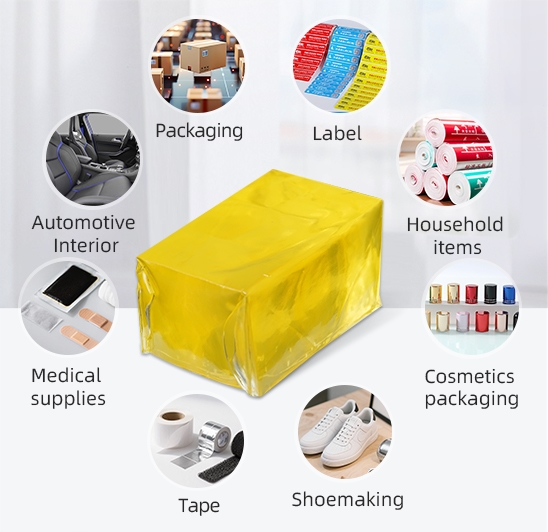
Banglin, or Hangzhou Banglin Bonding Technology Co., Ltd., started back in 2005. They sit in Hangzhou’s lively industrial park. This high-tech company serves more than 3,800 customers across China and into Southeast Asia and the Middle East. Their R&D center covers over 500 square meters. More than 30 engineers work there. They create custom formulas for tricky spots like cold chains. Their pressure sensitive hot melt adhesives shine in packaging, labels, and beyond. They offer low-temp resistance and fast bonds. Banglin focuses on consistent quality, quick delivery, and teamwork to lower costs while improving results. If you need dependable adhesives, Banglin makes a solid partner.
Conclusion
To sum it up, cold chain isn’t easy. Label failures strike hard at costs, safety, and daily work. Yet pressure sensitive hot melt adhesives turn things around. They provide steady hold from deep freezer cold to warm store shelves. They reduce waste. They keep tracking reliable. Give them a try. Test in your setup. You’ll see your chain get stronger. It’s a practical choice for anyone handling frozen goods.
FAQs
What makes pressure sensitive hot melt adhesive ideal for cold chain applications?
Pressure sensitive hot melt adhesive works great in cold chains. It stays bendy and sticky even in freezing conditions. Labels don’t curl or drop off during storage or shipping.
How does cold temperature affect standard labels, and can pressure sensitive hot melt adhesive help?
Cold makes regular adhesives stiff and weak. Edge lift happens. Labels fall away. That hurts product details. Pressure sensitive hot melt adhesive fights back with tough, low-temp bonds that last through thawing.
Are there specific industries that benefit most from freezer-grade pressure sensitive hot melt adhesive?
Food packaging, pharmaceuticals, and logistics gain a lot. Freezer-grade pressure sensitive hot melt adhesive keeps labels secure on frozen items or medicines. Traceability holds without issues.
What should I look for when selecting a pressure sensitive hot melt adhesive for low-temp use?
Look for strength down to -40°F. Seek fast setting. Check it matches your surfaces. A solid pressure sensitive hot melt adhesive should handle humidity changes without slipping.
Can pressure sensitive hot melt adhesive reduce waste in cold chain operations?
Yes, it can. It cuts label failures. That means fewer recalls and less re-labeling. Pressure sensitive hot melt adhesive helps save big on spoilage and mistakes each year.
 Consult
 Whatsapp
 Leave Message
 top
top