








Table of Contents
Related news
How to Select Hot Melt Adhesive for Packaging Film Lamination Applications
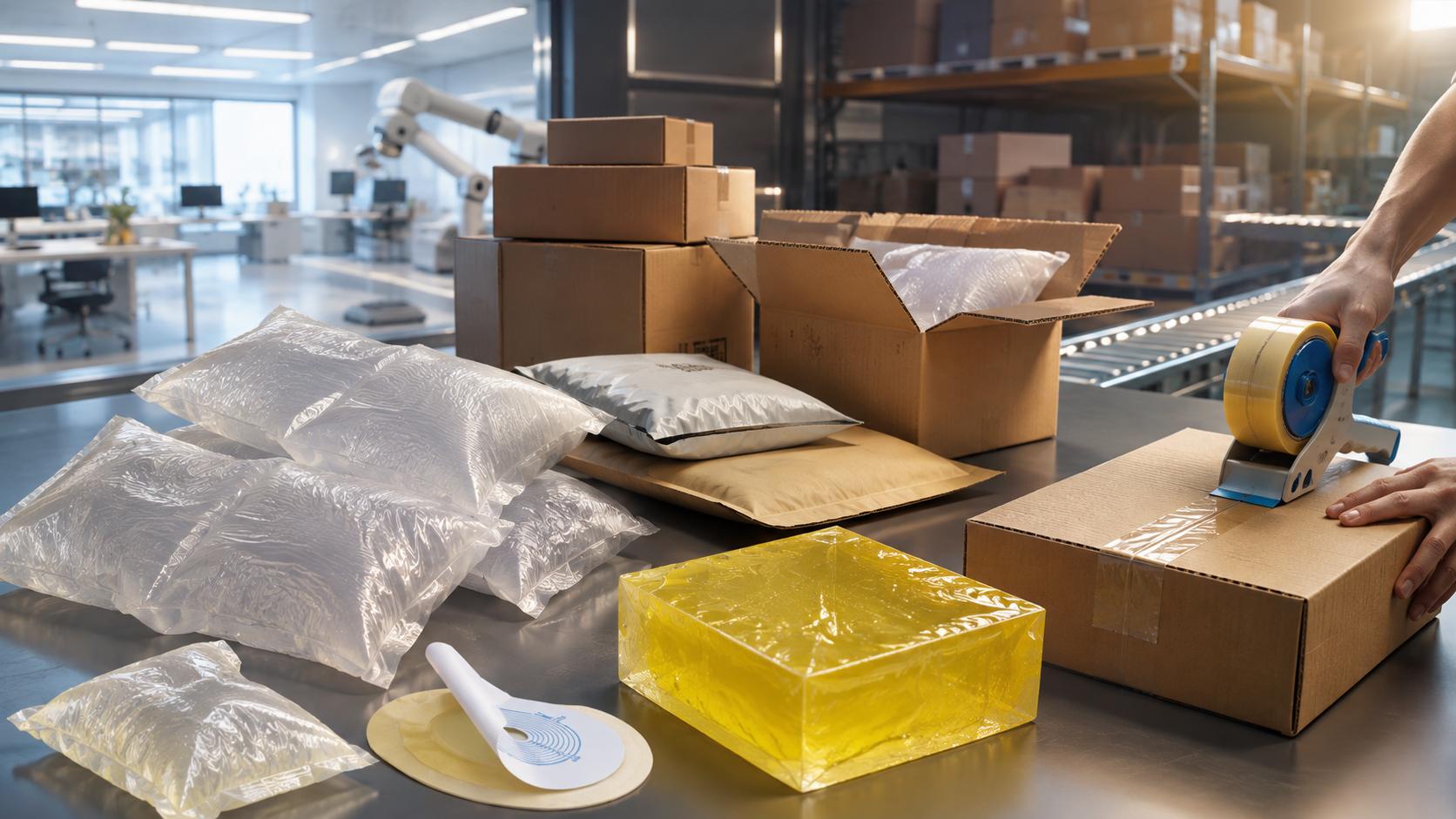
A packaging converter can approve a lamination structure on Monday and struggle with the same job a month later after changing a film supplier, increasing line speed, or using a different printed web. The adhesive may be unchanged, yet the bond begins to vary across the roll or weakens after storage. That is the practical difficulty behind selecting hot melt adhesive for packaging film lamination: the adhesive must perform with a dynamic mix of films, surface treatments, coating conditions and end‑use requirements. Therefore, purchasing teams cannot rely solely on promising peel‑test results. They need clarity on which film surfaces are bonded, real‑world line operating conditions, and the environmental stresses the finished laminate must withstand.
Why Can a Film Change Break a Lamination That Worked Yesterday?
When a previously stable laminate starts to separate, the adhesive is an obvious suspect. Before changing it, however, converters should compare the new material against the film that was originally approved. Two rolls listed as PE or BOPP on a purchase order are not guaranteed to have identical bonding‑side surface properties.
The Material Name Does Not Describe the Whole Surface
PE, PP, PET, and BOPP are common packaging films, but polymer type is only the beginning of the discussion.Slip agents, anti‑block additives, printing inks, top‑coatings, surface treatments, recycled content and storage history can all alter the surface that contacts the adhesive.
A typical example is a supplier change made for cost or lead-time reasons. The new film arrives within the requested gauge tolerance and looks normal on the line. Lamination starts well, yet peel becomes less consistent after winding or conditioning. If nothing else in the process has moved, the film surface deserves attention before the adhesive is replaced.
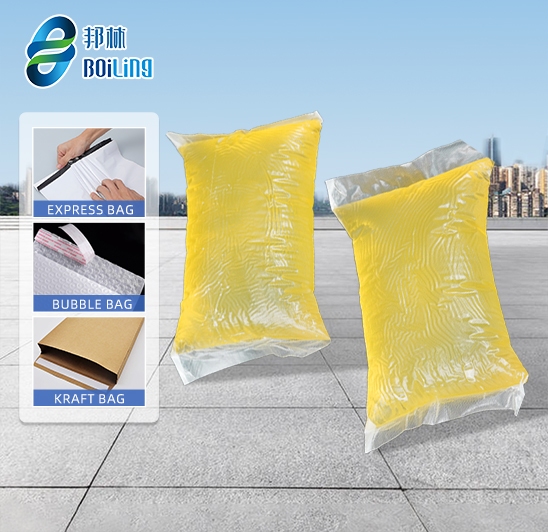
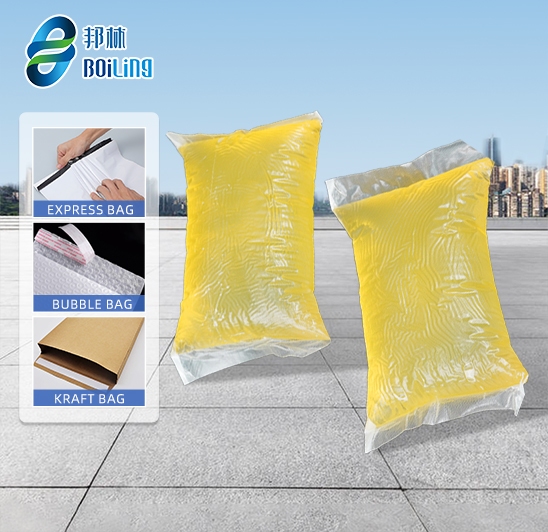
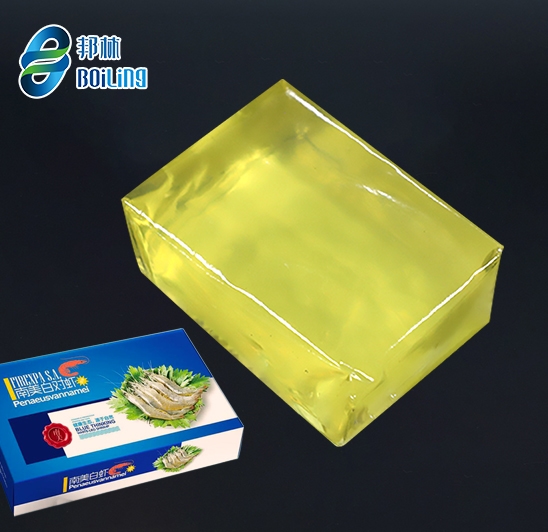
For buyers evaluating different bonding solutions, our broad portfolio of packaging hot melt adhesives provides helpful context on hot‑melt technology applications within packaging manufacturing.
Corona Treatment Has a Shelf Life in Practice
Corona treatment is often discussed as if it were a permanent film property. On a real converting line, the treatment level available at lamination depends on how the film was produced, stored, transported, and handled before use.
A roll that was laminated soon after treatment may not behave exactly like one that sat in inventory for several months. Printing or coatings can further change the surface the adhesive finally touches. For that reason, a converter investigating weak bonding should ask a simple question: are we still bonding to the same surface we qualified originally?
During trials, teams should record film grades, corona‑treatment history, print positions and the actual bonding side. These details deliver far more value than simply noting “PET/PE structure” on test records.
What Happens When the Adhesive and the Lamination Line Do Not Agree?
A formulation may be compatible with the given film combination but still perform poorly if the available process window is too narrow for production. Lamination is a moving process; temperature, coating amount, line speed, nip conditions, and cooling all influence how much contact develops before the web is wound.
A Faster Line Changes More Than Output
Raising line speed is one of the easiest ways to expose a marginal process. The adhesive has less time to flow across the surface before the films meet, and the laminated web reaches winding sooner. A sample prepared slowly may therefore look excellent while the same materials become less stable at normal production speed.
Operators often notice the change before the laboratory does. Coat appearance begins to vary, edge build-up becomes more visible, or one part of the roll peels differently from another. Those observations should be written down with the line settings rather than treated as general “adhesion failure.”
Temperature adjustments also need restraint. More heat can improve flow, but raising temperature repeatedly to rescue poor bonding may hide a film compatibility problem. A useful trial separates these possibilities instead of changing several settings at once.
Viscosity Needs a Process Context
A viscosity number without its test temperature tells a buyer very little. Even with a complete value, the number becomes meaningful only when it is connected to the customer’s coating equipment and target speed.
On the line, unsuitable flow behavior may appear as poor wetting, uneven transfer, excessive adhesive movement, or difficult coat-weight control. The practical question is therefore not “Is this viscosity high or low?” It is “Can this material produce a stable coating on our equipment at our intended operating speed?”
The wider pressure-sensitive hot melt adhesive portfolio is useful for understanding how hot melt systems are divided by application rather than by one universal processing condition.
Why Can the First Peel Test Give a False Sense of Security?
A first peel check is useful, but it is only a snapshot. Packaging laminates continue to experience pressure, winding stress, storage temperature, and further converting after the initial bond is made.
Check the Roll After It Has Had Time to Sit
Some problems appear only after the laminated roll has been stored. A structure that feels secure immediately after production may show edge separation later, particularly if the bond was marginal from the beginning.
This is why qualification should include more than an immediate hand peel. The converter should agree on when the laminate will be checked: after production, after a defined conditioning period, and after any storage condition that matters for the final package.
The failure itself also needs to be described properly. Did the adhesive release cleanly from one film? Did the bond fail only near printed areas? Did the film distort before the interface separated? These observations tell a technical team far more than a single “pass” or “fail.”
Final Converting Can Reveal a Weak Lamination
A laminated film may still need slitting, pouch making, folding, sealing, or other downstream processing. Those operations bend and stress the structure in ways that a flat laboratory strip does not reproduce.
If delamination appears only after slitting or package forming, the original bond may have been good enough for handling but not strong enough for the complete converting sequence. Buyers should therefore describe the final package process when asking for adhesive recommendations.
For related background on packaging-material selection, the article How to Choose the Right Packaging Hot Melt Adhesive for Sustainable Packaging Solutions in 2026 provides additional context on matching adhesive choice with packaging materials and manufacturing conditions.
What Should Buyers Send Before Asking for an Adhesive Sample?
A good sample request looks more like a short process brief than a product inquiry. A simple request such as “adhesive for PET/PE lamination” rarely provides enough information for suppliers to select appropriate trial materials.
Start With the Real Film Construction
The supplier should know which films are being bonded, their thicknesses, which side has been treated, whether printing or coating is present, and whether any layer contains recycled material. The intended application also matters. A laminate made for a dry ambient package is not automatically equivalent to one that will experience heat, cold, moisture, or long storage.
Production information belongs in the same discussion. Coating method, normal line speed, available temperature range, nip arrangement, and target coat weight help define whether a candidate can be tested under realistic conditions.
Actual film samples are especially useful when the project involves treated, printed, or unusual surfaces. They remove much of the guesswork that comes from material names alone.
Ask the Supplier What Would Trigger a New Trial
Material approval is easier to manage when both sides agree on what changes require requalification. A new film source, a new print system, a substantial speed increase, or a different service environment may justify another trial.
That does not mean restarting the entire qualification every time. It means knowing which variables are critical enough to check again. For procurement, this is useful because it turns adhesive approval into a repeatable process rather than a one-time sample decision.
How Can a Converter Reduce Repeated Lamination Trials?
Most development time is lost when several variables are changed together. If the film, adhesive, temperature, coat weight, and line speed all move between Trial 1 and Trial 2, the second result may be better, but nobody knows why.
Change One Important Variable at a Time
A more useful trial keeps the film structure fixed while the adhesive or one process condition changes. If the next run performs better, the team has learned something specific. The same approach works when qualifying a new film source: keep the approved adhesive and line settings as stable as possible while the new material is checked.
Retained samples are also valuable. When a later batch behaves differently, the team can compare it with the originally approved construction rather than relying on memory.
The trial record does not need to be complicated. Film lot, adhesive grade, line speed, temperature, coating weight, date, conditioning time, and observed failure mode already provide a strong basis for troubleshooting.
Decide What “Good Enough” Means Before the Trial Starts
A common source of disagreement is testing first and defining the acceptance target afterward. The production team may care about stable coating and clean winding, while procurement focuses on price and the laboratory focuses on peel.
The project is easier to approve when the criteria are written before testing. They can include bond consistency, appearance after winding, peel after conditioning, response to downstream converting, and any service condition relevant to the finished package.
That creates a fair basis for comparing suppliers and prevents a promising sample from being approved only because it produced one strong initial result.
Professional Technical Support from Hangzhou Boiling Adhesive Technology Co., Ltd.
Hangzhou Boiling Adhesive Technology Co., Ltd. develops customized hot‑melt pressure‑sensitive adhesive solutions for packaging manufacturers. We support targeted formula tuning, performance testing and production‑line trial validation prior to mass‑production launch for various films, surface coatings and manufacturing conditions.
For packaging‑film‑lamination projects, customers may submit real‑film samples, laminate structures, surface‑treatment details, coating settings and production parameters. Our technical team delivers formula matching, process‑window optimization and trial‑run evaluation, helping packaging converters obtain solid data for internal qualification before commercial‑scale manufacturing.
Conclusion
Selecting hot melt adhesive for packaging film lamination is easier when the project is treated as a material-and-process system rather than a search for the strongest glue. Film surface condition, treatment history, coating behavior, production speed, winding, storage, and downstream converting can all change the final result. Buyers can reduce development risk by sharing the real film construction, testing on the intended line, keeping trial variables controlled, and defining acceptance criteria before approval. That approach makes supplier comparison more meaningful and gives production a usable reference when materials change later.
FAQs
1. We changed from one PE film supplier to another. Can we keep the same adhesive without testing?
Possibly, but a validation run is sensible. Similar PE grades can still differ in surface treatment, additive package, or storage history, all of which may affect lamination behavior.
2. The laminate looks good immediately after production but peels after storage. What should we check?
Review the bonding surface, treatment condition, coat weight, winding stress, storage temperature, and conditioning time. A marginal initial bond may become more visible after the roll has been stored.
3. Our laboratory sample passed. Why does the production line still need a trial?
A laboratory sample does not reproduce normal line speed, web tension, coating stability, winding pressure, or downstream converting. Production trials show whether the complete process remains stable.
4. What should I send when requesting a hot melt adhesive for a new film structure?
Send the actual films if possible, together with layer sequence, thickness, treated side, printing or coating details, production speed, coating method, service conditions, and the performance you need to verify.
5. How can we reduce the number of adhesive trials on a new packaging project?
Keep the main materials and process settings controlled, change one important variable at a time, record the conditions, and agree on acceptance criteria before the first production trial.
 Consult
 Whatsapp
 Leave Message
 top
top