






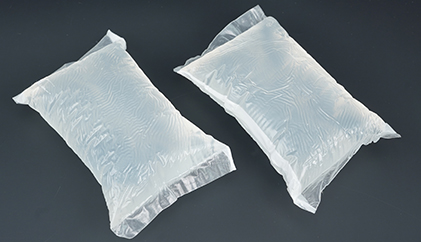

Insole Composite Bonding: How to Keep Sponge Layers from Shifting
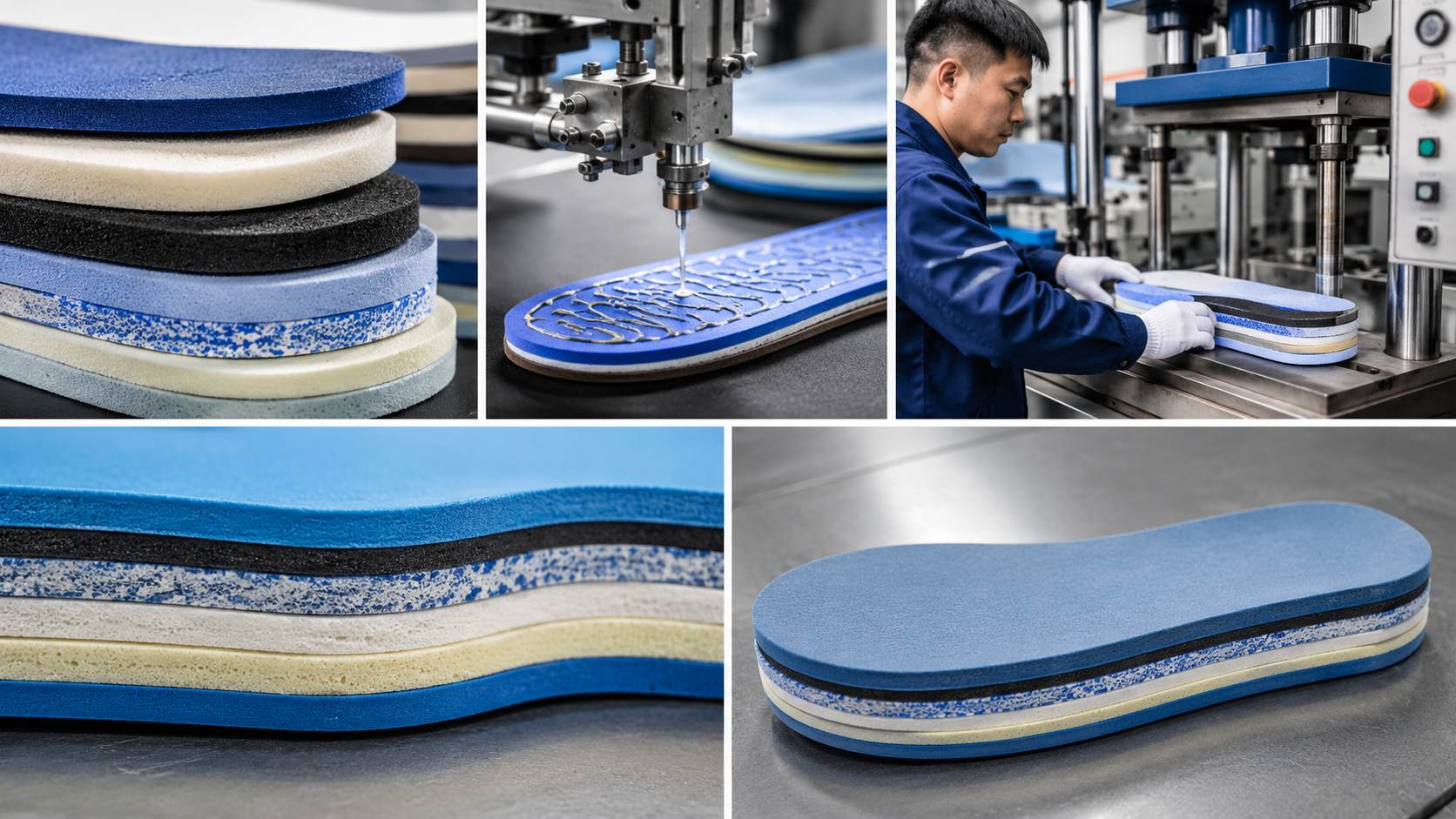
Many components are assembled in the production of footwear and insoles. These consist of a variety of different types of layers, such as sponges, films, and fabrics, which are laminated together in the form of a composite to form a solid article. The adhesion process can be of particular importance with respect to the required properties of comfort, flexibility and durability of a shoe. However, there is constantly at odds with the problem of shifting of the individual layers of a sponge during the process of lamination. Misalignment of the individual layers can lead to defects, for example in the form of an unequal distribution of cushioning or delamination. The problems of adhesion are, therefore, solved by adhesive technology. The aim of this is not only to create a solid article, but also to enable articles to be produced which retain their comfort properties over the entire service life. With the production of shoes various types of adhesives are used, hot melt glue and pressure sensitive hot melt adhesive systems in particular. These have the advantage of rapid bonding, and high tack, as well as excellent resistance to environmental stress.
What Causes Sponge Layers to Shift During Insole Production?
Insole manufacturers must address a number of key factors that lead to layer displacement during the manufacturing of composite insoles. These causes are primarily related to material compatibility, and process issues.
Material Compatibility Issues
In combining sponges with textiles, there are considerable differences between these materials. The surface energy of a material can considerably decrease the adhesion efficiency. Low-energy surfaces of sponges do not wet with adhesives, which results in a lack of adhesion. Some foams contain additives or plasticizers that have been incorporated in the production process and migrate to the surface during subsequent processing steps. These migrate to the surface and can form a layer that cannot be penetrated by adhesives. In addition to these effects, surfaces of sponges can be contaminated by dust, oil or release agents from foams, which have been molded using a mold release agent. These contaminants prevent adhesion by not allowing close contact between the two layers of material.
Process and Equipment Factors
In addition to the inherent properties of the individual layers, the layer alignment can also be affected by the process control during the fabrication of the composite. Inappropriate lamination temperature and/or pressure distribution can result in localized areas with non-adhered layers. Also, variations in thickness of the adhesive layers can create non-uniform zones of adhesion, which may lead to layers slipping relative to each other under load. The rate of cooling after the hot pressing step also affects the way the residual stresses in the composite are distributed. Uniform cooling is necessary to avoid differential shrinkage between the layers, which can pull apart over time.
How Do Hot Melt Adhesives Prevent Layer Displacement?
To overcome these difficulties many footwear manufacturers use thermal adhesive systems especially developed for flexible materials.
The Role of Shoes Making Hot Melt Glue in Composite Bonding
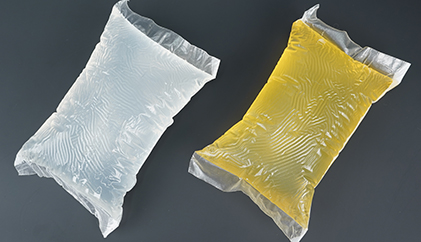
Hot melt glue for shoes making offers immediate fixation. Because of the rapid setting time and high initial tack, the glue can be melted and spread immediately between the sponge layer and the fabric layer. After a short cooling time, the joint is then rigid and no longer moves. Hot melt glue is thermally activated, which means that it penetrates into the pores of porous substrates such as sponges. Because of the clean application, hot melt glue can also be used very well in automated production lines. Due to the above-mentioned properties, hot melt glue is particularly suitable for the production of shoes in high volume. For precise shoes making, high precision in alignment is required.
Key Performance Characteristics for Insole Manufacturing
Heat resistant adhesives enable insole bonding which remains intact during subsequent shoe manufacturing processes which involve higher temperatures. Flexible adhesives are required to enable the bonded layers of materials to be flexible, without cracking and delaminating, during use. Insole adhesive systems are typically hot melt glues that are 100% solvent free and emit minimum odor. This contrasts with many conventional adhesives that are solvent based offering poor sustainability and creating poor working environments due to odor.
Why Are Pressure Sensitive Hot Melt Adhesives Gaining Popularity?
New generations of footwear are lighter and consist of more complex composites. In this environment, pressure sensitive hot melt adhesives offer manufacturers a formulation that provides the precision and efficiency they need.
Application Techniques for Optimal Results
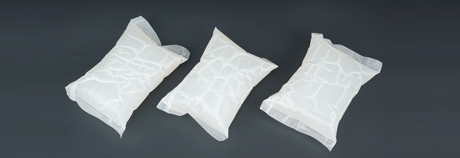
The use of pressure-sensitive adhesives is very effective when they are applied evenly to a substrate using Roll coaters or spray applicators to achieve uniform film thickness. After lamination, the adhesives are stabilized by environmental conditions and allow good cohesion of the adhesive and high long-term peel resistance. Prior to storage, the adhesive should be protected from heat and moisture in order to preserve the tack and assure good bonding in subsequent applications.
How to Optimize the Bonding Process for Stable Sponge Layer Alignment?
Adhesion can be made reliable, not only by choosing the correct adhesive, but also by fine-tuning all the stages in the surface treatment and application process.
Pre-Treatment and Surface Preparation Methods
To prepare a surface for lamination, by means of mechanical roughening by sanding or abrasive buffing the surface area is increased in order to achieve a better anchoring of the adhesive. In more complex applications the surface is subjected to plasma or corona treatment. In this way the surface chemical structure is modified in a way that the surface energy is increased on low surface energy materials like EVA or PU foam. Also cleaning with solvents, containing alcohol, is part of the lamination pre-treatment in order to remove release agents and other contaminants from the surface, which may cause inhomogeneous adhesion.
Process Control Parameters to Monitor
After the surface has been prepared correctly, it is important to maintain a set of suitable operational parameters with constant accuracy.
Temperature Management
An optimal temperature for activating a particular adhesive formulation will most likely exist. It is possible that raising the temperature beyond this point may cause deterioration to long-chain polymers, whereas insufficient heat may not allow the adhesive to be sufficiently viscoelastic to flow and adequately wet surfaces.
Pressure Calibration
By applying uniform pressure to the surface of the lamination, it is possible to achieve an even adhesive thickness and prevent air from entering between the individual layers. This is important to prevent post-lamination shifting.
Cooling Procedures
Careful control of the cooling rate to the ambient temperature allows for the gradual relief of any residual stress, within the bonded areas of the resultant composite structure. Rapid cooling of the part may fix in internal stresses, leading to subsequent warping and/or partial delamination during subsequent wear cycles.
What Are Common Testing Methods to Evaluate Bonding Stability?
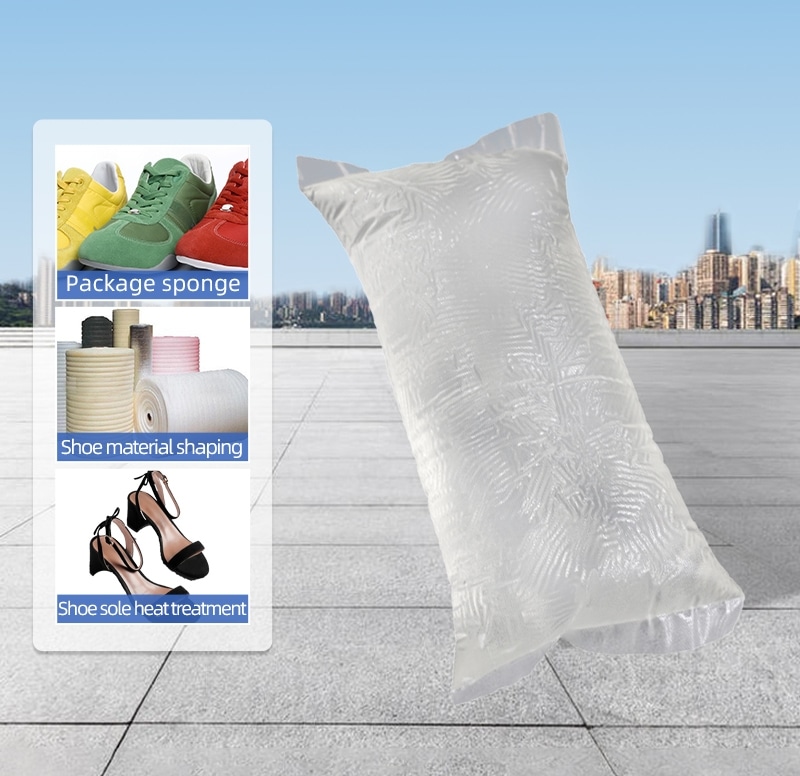
Rigorous testing will confirm whether a chosen adhesive will offer consistent durability under testing to simulate a reasonable “shoe life” of wear and tear.
Peel Strength Testing Procedures
The peel test is a measurement of the interfacial adhesion strength between the sponge component and the fabric component of a sponge. It measures the force required to separate the two components at a constant rate and thus gives an indication of the initial ‘tack’ of the bond as well as the ‘cohesive’ bond strength of the bond.
Heat Aging Tests
The tests are performed to simulate long-term wear and extended use of articles within shoes at elevated temperatures, and after the end of each aging cycle the change in peel force of tested articles is determined to check for possible degradation effects and their mechanisms which can affect service life of the tested articles.
Dynamic Flex Fatigue Tests
Since insoles are subject to continuous bending during use, dynamic flex tests are performed to simulate repeated flexing over thousands of cycles. These tests check for the onset of micro cracks at interfaces that have been bonded together. The test thus quantifies the fatiguing of an insole.
Who Is Hangzhou Boiling Adhesive Technology Co., Ltd.?
Hangzhou Boiling Adhesive Technology Co., Ltd. is a leading manufacturer of shoe manufacturing hot melt adhesive for Footwear Composites such as insoles. Hangzhou Boiling Adhesive Technology Co., Ltd. has the most complete range of pressure sensitive adhesives – hot melt glue for flexible materials such as EVA foam, PU sponge, textile laminates and mesh fabrics which are used by shoe manufacturers all over the world. In addition to a wide range of hot melt adhesives, Hangzhou Boiling Adhesive Technology Co., Ltd. also offers a variety of adhesives which can be specifically developed according to customers’ needs and requirements. The company’s technical team works closely with customers to find the best solution to ensure strong bond and efficient production.
Conclusion
It is critical in manufacturing insoles with composite layers to maintain effective bonding between layers to prevent layers of sponge to move from their positions. By using advanced thermoplastic adhesives which are used for making shoes such as shoes making hot melt glue or pressure sensitive hot melt adhesive the manufacturing process is made more reliable because of fast curing time and large flexibility. Treatment of surfaces to be bonded as well as controlling of temperature, pressure and cooling during bonding process in more detail will also assist to maintain layers in correct positions during production. In addition, using right suppliers who can supply right formulas to meet requirement of production will also assist to maintain consistence in production of footwear components.
FAQs
What factors determine the selection of pressure sensitive hot melt adhesive?
The choice of pressure sensitive hot melt adhesive depends on several criteria such as required processing speed, available equipment, compatibility of substrates and required open time for assembly as well as required reworkability on the production line.
How can manufacturers improve adhesion on low-energy sponge surfaces?
Surface activation of foams by plasma treatment strongly increases wettability of hydrophobic surfaces by introducing polar functional groups. In this way also difficult-to-bond materials such as polyethylene-based sponges can be coated very well with adhesives and experience very strong chemical bonds.
Does storage condition affect adhesive performance before use?
Yes. Adhesives must be stored at recommended temperatures (approximately 20–30 °C) and with controlled humidity below 60 % RH in order to prevent early loss of tack or changes in viscosity that could result in an unsatisfactory application consistency in subsequent lamination stages.
 Consult
 Whatsapp
 Leave Message
 top
top