








Low VOC Automotive Hot Glue: Meeting EU and US Environmental Standards
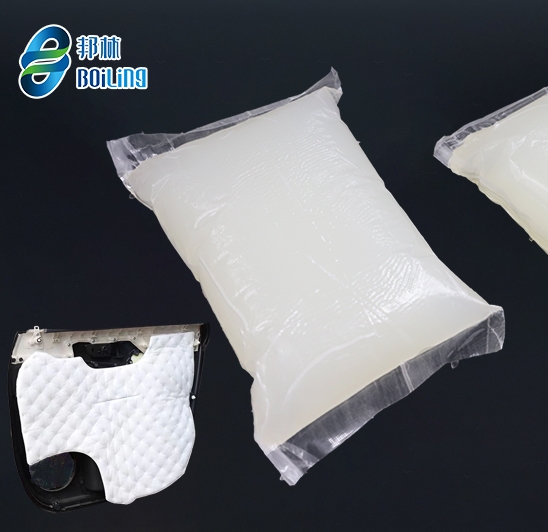
Low VOC automotive hot glue marks a fresh wave of adhesive options. These are built to cut down on the release of volatile organic compounds in manufacturing and use. Such glues matter a lot in car production. They help with vehicle assembly, interior joining, and part sealing. Today’s cars use more light materials and tricky designs. Adhesives thus take on a bigger job in keeping structures solid and rides comfy. The value of low VOC types goes past just how they work. They create safer work areas, better air, and fit with tough green rules.
Over the last few years, green rules have shaped adhesive creation. Car makers and parts suppliers now focus on mixes that hit worldwide green aims. At the same time, they keep strong sticking power and long life.
Environmental Regulations Driving Innovation
Tighter green rules have sped up new ideas in the adhesive field. The European Union’s REACH (Registration, Evaluation, Authorisation and Restriction of Chemicals) regulation and the U.S. Environmental Protection Agency (EPA) standards set firm caps on VOC releases from factory goods. These rules push makers to use cleaner ways to build and create lasting materials that lessen harm to nature. As a result, glue makers around the world are changing their recipes. They aim to match these growing needs. Yet, they hold onto key traits needed for car uses.
What Makes an Automotive Hot Glue “Low VOC”?
As green goals take center stage in product planning, we need to see what sets low VOC automotive hot glue apart from older kinds. This shift highlights simple changes in how glues are made and tested.
Chemical Composition and Formulation Principles
Low VOC glues use base materials that give off less waste gases. Old solvent-based setups depend on easy-to-evaporate carriers for setting or sticking. But low VOC types often turn to active hot melt methods or full-solid systems. In these, no solvent vanishes. Such mixes feature plant-based polymers, changed polyolefins, or urethane pre-polymers. These are made for solid sticking with little gas escape. Helpers like steady-keepers and anti-rust agents are picked with care. They keep work steady in heat. Plus, they stop breakdown that might raise gases later.
Measurement and Certification of VOC Levels
Glue makers measure VOC amounts with set test ways approved by EU and U.S. groups. Usual checks include weight-based review (ASTM D2369) and room tests (ISO 16000 series). These track released stuff during setting or after full use. Goods that hit set limits can get stamps like GREENGUARD Gold or Blue Angel. OEMs trust these marks as proof of green fit for car jobs.
How Do EU Environmental Standards Shape Automotive Adhesive Development?
Europe’s rule books have played a key part in changing how glues are planned, checked, and okayed for cars. These standards guide every step from lab to factory floor.
Key EU Directives and Regulations Affecting Adhesives
The EU’s REACH rule watches chemical safety all along the supply line. It calls for signing up and risk checks on stuff in glue mixes. Other laws like the Classification, Labelling and Packaging (CLP) Regulation make sure clear danger info spreads across places. Also, the VOC Solvent Emissions Directive limits factory gas releases from solvent-based steps. This hits glue making right away. For suppliers in Europe, full papers are a must. Things like Safety Data Sheets (SDS) and tech files show total fit.
Strategies for Meeting EU Environmental Requirements
To follow these rules, makers use a few change plans. They swap solvent carriers for active parts or hard resins. They add fresh sources like plant-based polyamides. They also fine-tune joining processes to cut leftover bits. Life cycle review (LCA) is now common in building products. It counts green effects from start materials to end waste. This full view makes sure glues not only match now rules but also fit wider green goals from car makers.
How Are US Environmental Standards Influencing Automotive Hot Glue Formulation?
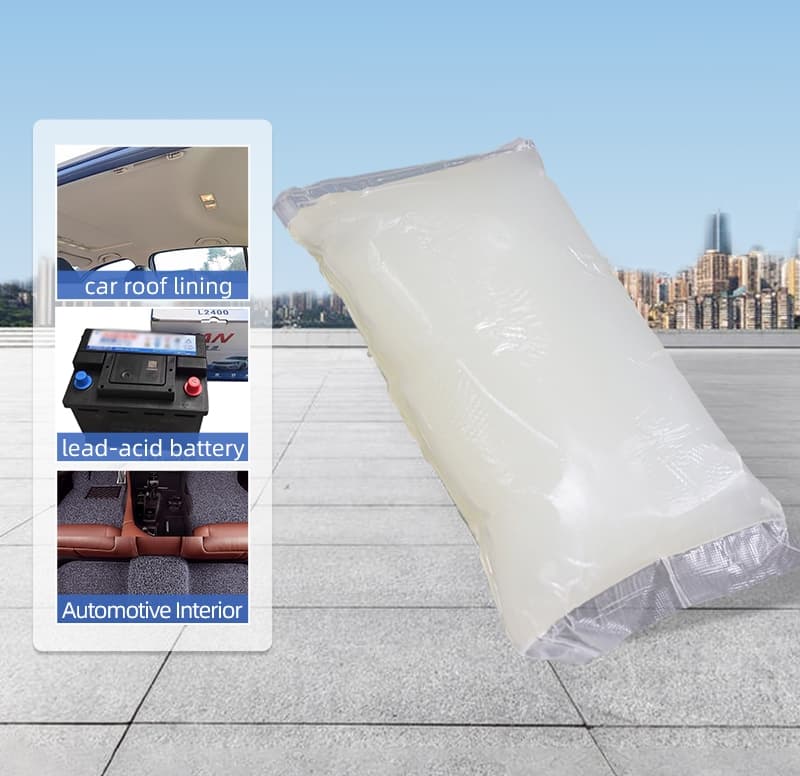
U.S. rules aim for the same goals as Europe’s. But they allow more bend in how federal and state groups enforce them. This mix creates unique paths for glue design in America.
Federal and State-Level Regulatory Frameworks
On the national side, the EPA controls air dirt under the Clean Air Act. It sets caps on VOC releases from factory paints and glues. Yet, places like California add harder steps via the California Air Resources Board (CARB). This group sets exact gas limits for buyer goods, including car sealers and glues. These two levels mean makers must build mixes that hit both country floors and local tight spots. It’s a big hurdle for glues sold worldwide.
Industry Practices to Align with US Standards
To match rules across areas, makers turn more to no-water or active hot melt techs. These skip solvent steps fully. Smart control setups watch heat paths in use to cut gas bursts on lines. Also, teaming with groups like Green Seal aids in checking green claims via outside reviews. This builds faith with green-focused OEM friends.
What Performance Characteristics Must Low VOC Automotive Hot Glues Maintain?
Even with green limits growing, how well things work can’t be cut. So, low VOC automotive hot glues need to show strong body traits next to less gas output. This balance keeps cars safe and lasting.
Balancing Environmental Compliance with Mechanical Strength
New car builds call for glues that join unlike bases. Think aluminum sheets, plastic types, mixed parts, and covered metals. They must stay bendy under moving forces. Low VOC mixes need high hit resistance and heat steadiness. This covers cold below zero to engine spots over 120 °C. To get this, exact chain building of polymer cores ensures tight hold. It does so without old solvent help for flow.
Durability Under Harsh Operating Conditions
Car settings hit glues with wet changes, shake stress, chem hits from gas or oils, and heat ups and downs over years. Low VOC hot glues must fight water break and rust. They keep join strength for car life over ten years. Makers use fast age tests. Salt mist rooms or heat cycle checks prove long hold without hurting gas aims or set speed.
How Is the Market Adapting to the Demand for Low VOC Adhesives?
Moving to greener stuff is changing how buyers pick across world car chains. This change shows in daily choices and long plans.
Trends Among Automotive OEMs and Tier Suppliers
Big OEMs now add green measures to supplier checks. They want proof of low-gas material use plus old quality stamps like IATF 16949. Level suppliers put big money in research on green chem ideas. This includes re-use plastic glues or mixed polymer setups from fresh sources. The change boosts rule fit. It also lifts brand image for buyers who want green cars.
Why Choose Hangzhou Boiling Adhesive Technology Co., Ltd.?
Hangzhou Boiling Adhesive Technology Co., Ltd. stands out as a focused maker of strong automotive hot glue fixes. The firm is known for skill in low VOC mixes made for today’s car build needs. Its line of goods fits both EU REACH and U.S. EPA rules. This comes from strict mix control and steady new work in polymer tech. With top build sites for steady quality under ISO stamps, Hangzhou Boiling Adhesive Technology Co., Ltd. gives sure join answers. These fit varied bases. It also offers tech help matched to OEM green aims around the world.
Conclusion
Low VOC automotive hot glue holds a key spot in pushing green building in the world car field. It blends less gases with full body work. These glues let car makers hit hard EU REACH steps and U.S. EPA guides at once. As green policies get stricter globally, new work will eye fresh start materials, loop economy ties, and better life clearness. This will make sure future cars stay strong and kind to the earth.
FAQs
What defines a “low VOC” automotive adhesive?
Low VOC adhesives give off far fewer volatile organic compounds during use or setting than old mixes. This aids makers in hitting air clean rules. At the same time, they keep good sticking work.
How do manufacturers ensure their products comply with both EU and US standards?
Makers stick to set test ways (like ISO 16000 or ASTM D2369). They keep full safety data sheets. They get outside stamps that confirm gas limits fit rule bounds.
Are low VOC hot glues suitable for all automotive applications?
Yes, new mixes are built for many jobs. From inside trim joins to build sticking, they give strong hold, last under heat push, and work with auto build setups. All this while staying green fit.
 Consult
 Whatsapp
 Leave Message
 top
top