







Table of Contents
Related news
-
How to Choose the Right Express Bag Hot Melt Glue

-
How to Solve Production Bottlenecks in High-Speed Wine Bottle Capping Lines with Hot Melt Technology
-
How to Prevent Courier Bag Bursting and Tampering During Transit
-
Speed Up Mattress Production How Hot Melt Adhesive Improves Line Efficiency and Reduces Costs
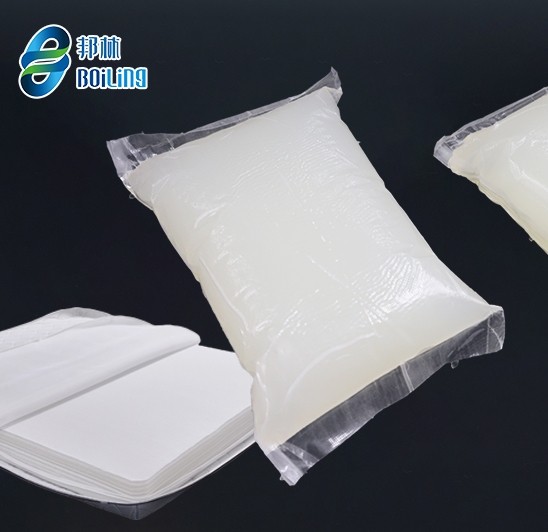
Speed vs. Strength A Production Line Analysis of PSA and Hot Melt Application
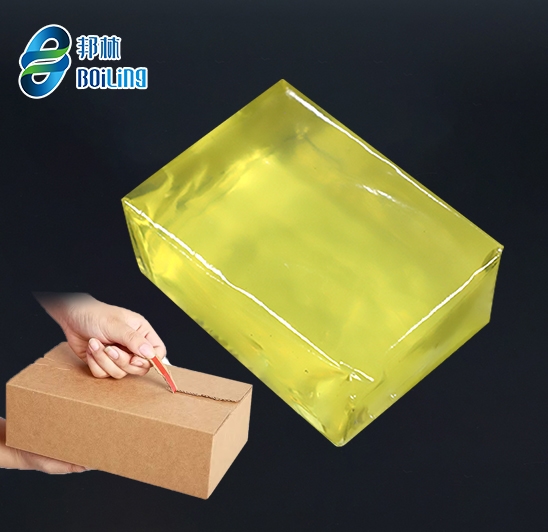
Picture a busy packaging line at 3 a.m. Machines hum, boxes fly down the conveyor at 200 per minute. Glue guns spit hot melt dots onto flaps. Do they hold right away? Or do you wait a few seconds for full set? That split-second choice hits output hard. Some runs chase max speed—get it stuck and move on. Others demand rock-solid bonds that survive rough handling later. Pressure sensitive hot melt adhesive sits right in the middle of that debate. It gives quick tack with pressure alone, no long wait for cure. Traditional hot melt? It sets fast too, but often needs that cooling time for peak strength. Let’s break down the trade-offs on real lines.
The Production Line Dilemma: Speed or Strength?
High-speed packaging lines don’t forgive delays. A single bottleneck drops throughput. Managers juggle uptime, reject rates, and final package durability. Fast setting adhesive production pushes lines to crank output. But if bonds fail in transit—cartons pop open, labels shift—returns pile up and customers complain.
Take a beverage bottling plant. Bottles race through labeling at 400 per minute. Pressure sensitive hot melt adhesive lets applicators slap on labels with instant grab. No hold-down needed. The line keeps flying. Switch to a traditional hot melt that needs seconds to harden fully? You might add compression belts or slow the belt. That cuts speed 10-20%. Industry folks know: every second saved adds up to thousands more units per shift.
Yet strength matters too. Think e-commerce fulfillment centers. Packages get tossed on trucks, stacked high, bounced around. Weak bonds mean flaps reopen, contents spill. One logistics report pegged packaging failure costs at millions yearly from poor seals. Traditional hot melt often wins here—deeper penetration into corrugated board gives higher peel strength once cooled.
The real question: What’s your bottleneck? Speed kills profits on high-volume runs. Strength bites on returns and damage claims.
How Pressure Sensitive Hot Melt Adhesives Work on the Line
Pressure sensitive hot melt adhesives melt hot like regular hot melt—around 150-180°C. But they cool into a tacky state. Apply pressure, and they bond instantly. No full cure wait. That’s the game-changer for fast production.
On a carton sealer, the gun lays beads on flaps. The next second, the box folds and presses. Boom—stuck. No extra stations for compression. Lines run smoother, fewer jams.
Labeling machines love this. PSA versions grab paper or film labels to plastic or glass right away. No slipping during high-speed spins. One plant switched and bumped output 15% by ditching hold-down rollers.
Key Traits in Action
- Instant tack from pressure—no chemical cure.
- Good initial grab, even on tricky surfaces.
- Flexible bonds that handle vibration without cracking early.
- Often lower odor, cleaner ops.
But they aren’t always the strongest long-term. Shear strength can lag if the application doesn’t allow full wetting.
Traditional Hot Melt Adhesives: The Strength Play
Standard hot melt—EVA or polyolefin based—flows hot, wets deep, then sets as it cools. Set time: 2-10 seconds depending on formula. That’s quick, but not instant like PSA.
Advantages show in tough jobs. Carton sealing on heavy corrugated? Traditional hot melt soaks in, forms mechanical locks. Peel tests often hit higher numbers after full set. In bookbinding or assembly, that extra strength means products last years.
Downside: Need time to solidify. On ultra-high-speed lines, you add fixtures or slow down. Heat guns must stay precise—too cool, weak bonds; too hot, stringing.
Real example: A mattress maker uses structural hot melt for edge banding. Bonds need to hold foam under constant pressure. Traditional types deliver shear strength that PSA struggles with. But production slows a bit for clamp time.
Head-to-Head Comparison on Production Lines
Let’s stack them up with real numbers from shop floors.
|
Aspect |
Pressure Sensitive Hot Melt Adhesive |
Traditional Hot Melt Adhesive |
|
Set Time |
Instant with pressure |
2-10 seconds cooling |
|
Initial Tack |
High—grab right away |
Builds as it cools |
|
Final Bond Strength |
Good shear/peel, flexible |
Often higher, more rigid |
|
Line Speed Impact |
Boosts throughput (no hold time) |
May need compression/slower |
|
Best For |
Labels, light cartons, high-speed |
Heavy packaging, structural |
|
Equipment Needs |
Standard hot melt guns |
Same, but precise temp control |
|
Typical Rejection Rate |
Lower on fast lines |
Lower on durable needs |
Data from packaging ops shows PSA cuts cycle time 20-30% on labelers. Traditional hot melt shines in drop tests—cartons survive 5-foot falls better.
One case: A paper bag maker ran 150 bags/min with PSA. Bonds held for shipping. Switched to traditional for heavier loads—strength improved, but speed dropped 10%. They picked based on customer complaints.
Real-World Scenarios and Trade-Offs
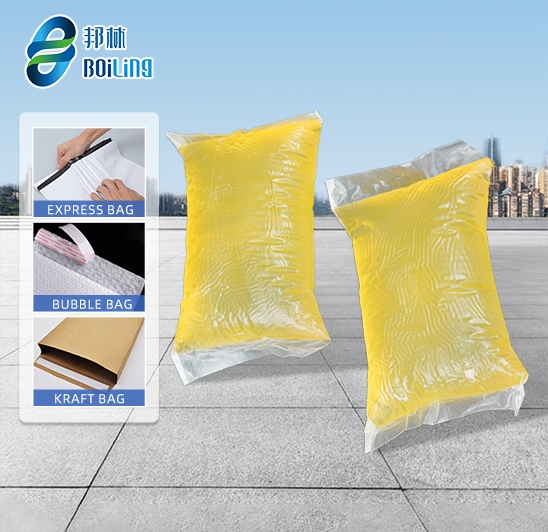
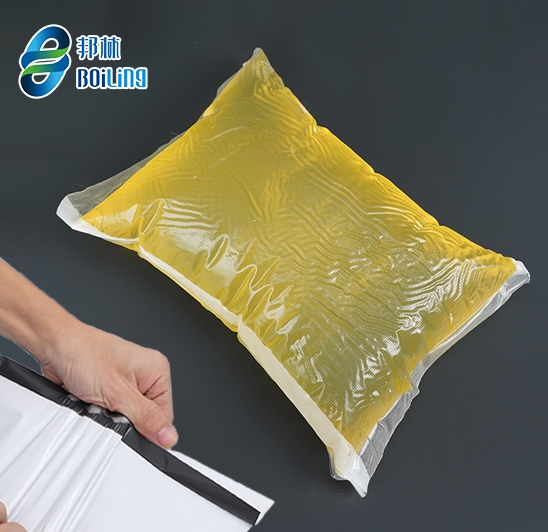
High-speed express bag lines? PSA rules. Bags fly off rollers, adhesive tacks instantly. No downtime from weak seals.
Carton sealing for cold chain? Mix it up. PSA gives fast close on flaps. But if boxes stack in freezers, traditional might edge out on long-term hold.
Label application on bottles? PSA dominates. Instant grab means no misalignment at 500 bpm.
Industry vets say: Audit your rejects. If most come from slow bonds, go PSA. If from failed packages in field, lean traditional.
Hybrid formulas pop up too—some PSA hot melts tune for better strength without killing speed.
Choosing the Right Adhesive for Your Setup
Start with your line specs.
- Measure current throughput. Where’s the choke point?
- Test bond failures. Lab peel/shear on your substrates.
- Run trials. Apply both, time the line, check rejects after 24 hours.
- Factor cost. PSA often pricier per pound, but saves on labor/space.
Talk to suppliers. They tweak viscosity or tack for your gun setup.
About Banglin as a Hot-Melt Adhesive Products Supplier

Banglin—Hangzhou Banglin Bonding Technology Co., Ltd.—has built hot melt adhesives since 2005. They’re in Hangzhou’s industrial zone, a high-tech spot serving thousands of customers in China plus exports to Southeast Asia and the Middle East. With a solid R&D team and big production capacity, they craft pressure sensitive hot melt adhesives for packaging, labels, tapes, and more. Their lines include fast-bonding options for high-speed work and tough formulas for strength needs. Banglin pushes consistent quality, quick turnaround, and custom blends to fit real production headaches. They’re a go-to for folks wanting reliable adhesives without the headaches.
Conclusion
Speed versus strength isn’t black and white. Pressure sensitive hot melt adhesive shines when lines need to fly—quick tack keeps things moving. Traditional hot melt brings heavier-duty bonds for rough handling later. The smart play? Match the adhesive to your biggest pain point. Test both in your setup. Measure output, rejects, and field performance. Pick the one that keeps your line humming and customers happy. In today’s tight margins, that choice pays off big.
FAQs
What’s the main difference between pressure sensitive hot melt adhesive and traditional hot melt on a production line?
Pressure sensitive hot melt adhesive bonds instantly with pressure—no wait for full cool-down. Traditional hot melt sets in seconds but often needs time to hit max strength.
When should I choose pressure sensitive hot melt adhesive for high-speed production?
Go for pressure sensitive hot melt adhesive on lines where instant grab matters most—like labeling or light carton sealing at 200+ units per minute. It cuts hold times and boosts throughput.
Does traditional hot melt offer better strength than pressure sensitive hot melt adhesive?
Yes, often. Traditional hot melt penetrates deeper for higher peel and shear in tough applications. Pressure sensitive hot melt adhesive gives solid initial bonds but might not match in long-term durability on heavy loads.
Can pressure sensitive hot melt adhesive work on high-speed carton sealing lines?
Absolutely. Many pressure sensitive hot melt adhesive formulas set fast enough for automated cartoners. They improve efficiency without needing extra compression.
How do I decide between the two for my packaging operation?
Look at your rejects and bottlenecks. If speed limits output, pressure sensitive hot melt adhesive wins. If packages fail in shipping, traditional hot melt’s extra strength might save more in the end. Trials tell the real story.
 Consult
 Whatsapp
 Leave Message
 top
top