








How to Choose Hot Melt Adhesive for Foam Tape: Coating, Die-Cutting, and Edge-Ooze Control
The sample sticks well on a panel, then leaves a smear on the cutting tool. Keep this sample for further trial evaluation. A foam tape adhesive approval has to follow the real-world workflow:coating, conversion, storage, and the finished bond. Initial adhesion is one checkpoint; a usable roll must also convert under the agreed conditions.
Which foam tape adhesive requirements do you need to fix before a coating trial?
A converter who names the construction and the defect gives the supplier something testable to answer.
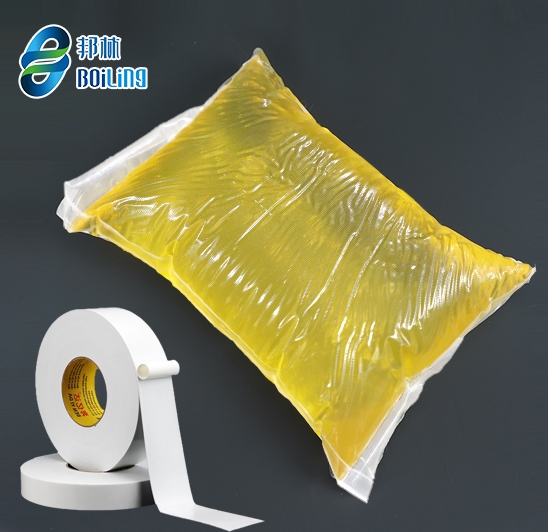
Foam construction and the intended bond
Start with the foam type, thickness, treatment, carrier, and liner. The foam tape adhesive application range lists PE, EVA, and PU; the trial still needs the actual construction and application surface.
For double-sided tape, describe the second face as well. Say whether the tape will be removed or left under load before ordering a sample grade.
Adhesion, cohesion, and release as separate requirements
An approval sheet needs to give initial attachment its own result. Peel and sustained loading follow, with liner removal assessed separately. Otherwise, "good adhesion" can become the explanation for approving a sample whose cutting and storage behavior nobody has checked. Decide on what amount of residue or transfer would reject it.
How can you establish uniform coating without damaging the foam?
Run the same foam construction for the comparison, and retain the samples behind each measurement.
Temperature, viscosity, and metering conditions
Two viscosity figures are hard to compare when their measurement conditions are missing. Request the temperature and method with each figure. The PSTC-hosted rheological evaluation paper explains viscosity’s role in coating; it also describes the dependence of adhesive behavior on time, temperature, and shear.
Start the run within the grade’s recommended window. A setting change needs a corresponding sample: what did the coating look like, and what happened to the foam? Put the metering conditions and line speed beside the melter, hose, and head temperatures. Changing them together would leave the comparison difficult to interpret.
Coat-weight mapping and cooling checks
During the trial, mark positions at the edges and center of the web and compare them using the same coat-weight method. The average belongs in the report, accompanied by observations of gaps, streaks, or local excess. Add startup and restart samples. They need to remain identifiable after the steady-running material has been accepted.
Look at foam thickness and appearance, too. When direct coating marks the foam, discuss transfer coating with the equipment and adhesive suppliers. Compare both laminates and attach the cooling record and the web condition at the winder.
What do you need to check when adhesive appears at die-cut edges?
The first useful detail in an edge-ooze complaint is the time it appeared.
Distinguishing immediate cutting defects from delayed flow
A stored-part photograph cannot show when the edge changed. Photograph one marked location before cutting, immediately after the die, and after storage, using the same light and magnification. Adhesive on the tool at once is a different observation from a clean edge that changes later.
For a delayed change, include time-dependent flow in the investigation. The technical paper discusses creep analysis for adhesive cold flow. Put temperature and winding history beside the sample; a stored-roll photograph alone is not a diagnosis.
Controlled trials for adhesive, tooling, and laminate variables
One useful comparison holds the construction and cutting conditions fixed while changing the grade. Another keeps the adhesive and examines coating level or the cutting setup. Put separate records so the result can be traced to the variable that changed.
The cutting record needs to describe matrix removal, the finished edge, and residue on the tool. If an adjustment gives a cleaner cut, repeat peel and holding checks on that material. It is still the customer’s finished bond that must be approved.
How should winding and storage enter the approval process?
Retain a finished roll for qualification so winding and later unwinding have their own test samples.
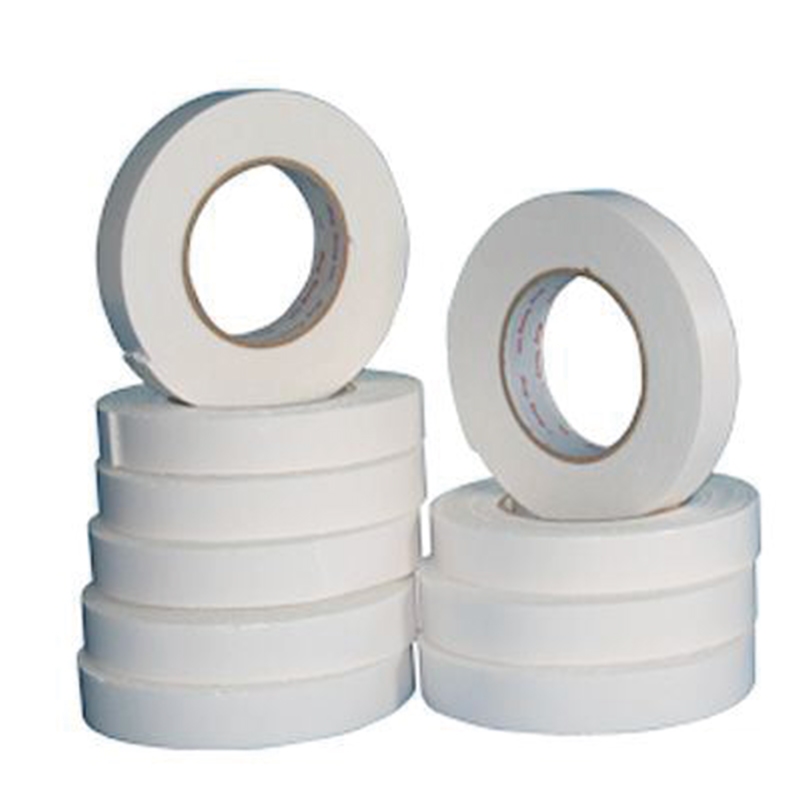
Winding conditions and release-liner behavior
Put winding tension, nip settings, core size, finished-roll size, and laminate temperature together on the roll record. The grade comparison needs to use the same roll construction. A photograph of its shape and edges at winding gives the storage inspection a reference, alongside the liner observations.
ASTM’s peel adhesion guidance notes that liner-removal force changes with peel rate. Hand unwinding gives an early observation. The next question is how the liner behaves at the customer’s speed, which needs a place on the trial plan.
Inspection after storage and unwinding
Decide on storage conditions and inspection times before making rolls. Add expected warehouse and transport conditions. Identify any additional challenge exposure separately.
Put samples from different roll positions. At the end of storage, inspect the edges before unwinding sections and examining them for transfer, sticking, foam damage, or a change in release. Compare those observations with the winding record. Retained photographs show the earlier condition.
What evidence qualifies a grade for repeat production?
The buyer needs an approval that names the construction and the criteria used to accept it.
Peel, shear, and converting checks on the actual construction
Put the application-surface specimen in the bond tests. ASTM describes peel as a quality-assurance tool used with acceptance criteria, with limits on what it says about function. If the job includes sustained loading, ASTM D3654’s public scope concerns a constant load applied parallel to the tape or label bond.
Have the laboratory confirm which method fits this foam construction. After testing, examine the specimen: did the foam tear, did the adhesive separate from a surface, or did failure occur within the adhesive? Put that description with the result. It belongs in the review with the cut parts and the stored roll.
A batch record and a supplier trial brief
Put lot identities with the settings, coating measurements, cutting observations, and storage history. Write down the acceptance decision. Repeat agreed checks on a further batch before scale-up.
If a trial fails, send retained samples with the process record through the label and tape application overview. Identify which operation needs another trial.
How can BoiLing help you evaluate a foam tape adhesive candidate?
For a BoiLing sample inquiry, start with the construction you want to coat and the defect you want to resolve. BoiLing manufactures hot melt adhesives; its foam tape page lists PE, EVA, and PU applications. Its project materials describe formulation development and samples after testing requirements are defined. Send foam and application-surface samples with the liner details, equipment, cutting conditions, and expected storage. Photographs need to identify when the defect appeared. Request the matching technical data sheet through the technical inquiry page and discuss what the sample trial will cover. Your own acceptance checks need to determine the production purchasing decision.
Conclusion
The order for foam tape adhesive must refer back to the trial record. Which grade and construction were accepted, at what settings, and after which storage exposure? Put the answers with the coating samples and converted parts. Peel and sustained-load results belong beside the edge and unwind observations. When a later batch behaves differently, that record gives the converter and supplier something specific to compare before deciding whether the grade, material stack, or process needs another trial.
FAQs
Is higher tack always better for foam tape die-cutting?
Higher tack is one part of the sample comparison. Put the grade in the trial until cutting and stored-roll checks are complete, with bond and release results taken from the same construction.
Should foam tape adhesive be coated directly or transferred from a liner?
Run the actual foam for a route comparison and involve the equipment supplier. Compare the coating distribution, foam condition, and converting quality on samples from both routes.
Can a softening point predict edge ooze?
Put softening point on the technical sheet, with viscosity and flow information. For approval, require the cut-specimen and stored-roll observations under your agreed conditions rather than asking one reported property to answer every question.
When should converted rolls be checked for adhesive flow?
Take the first observations at converting, then revisit samples after the agreed exposures. The record needs temperature and time, roll position, and unwind conditions; otherwise the photographs lack the history needed for comparison.
What should a converter send with a sample request?
Send the foam and liner details with application-surface samples. Add coating and cutting conditions, expected storage, and failure photographs. The acceptance sheet tells the supplier what the next sample must demonstrate on your line.
 Consult
 Whatsapp
 Leave Message
 top